 Cody Maple DesignStart a project ↗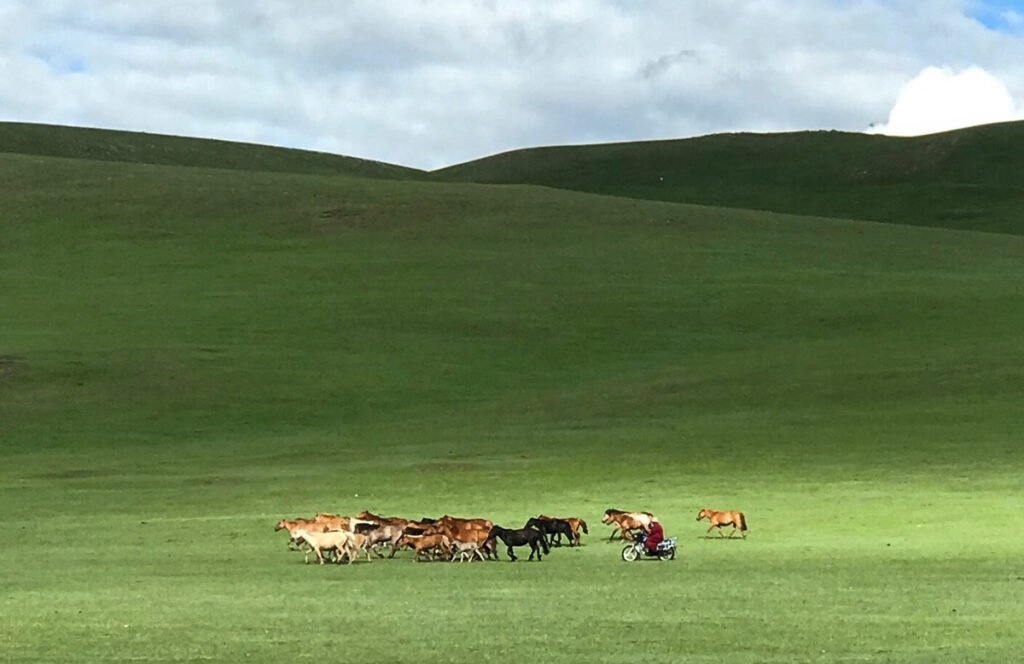
Mongolia: Three and a Half Weeks at the Edge of the Map
In June of 2019, my friend John — my longtime travel buddy — and I spent three and a half weeks crossing one of the most remote countries on Earth: Mongolia.
We flew into Ulaanbaatar after a layover in Seoul, where I drank soju for the first time and immediately understood why Koreans are so good at karaoke. A few hours later, we landed in Mongolia and took a cab straight into the heart of the capital.
Ulaanbaatar was my first surprise.
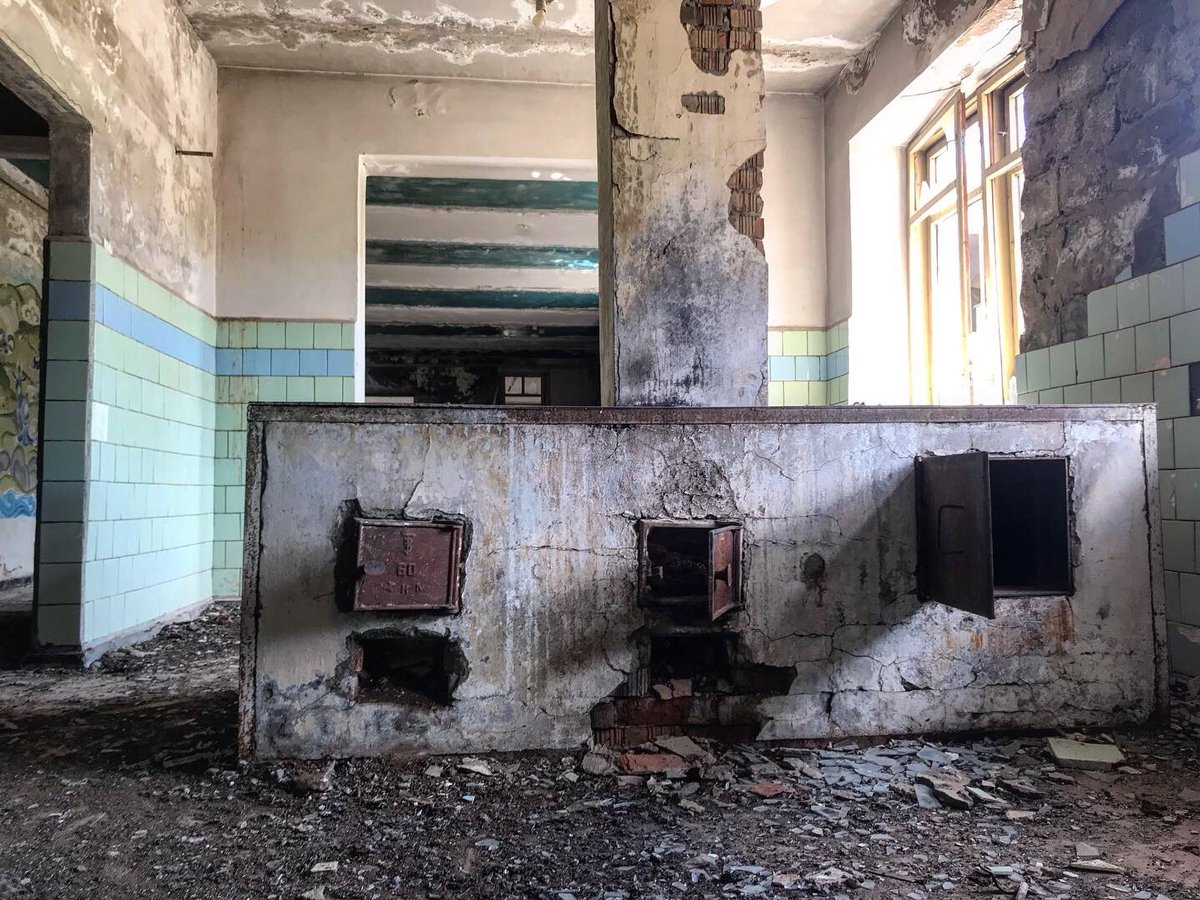
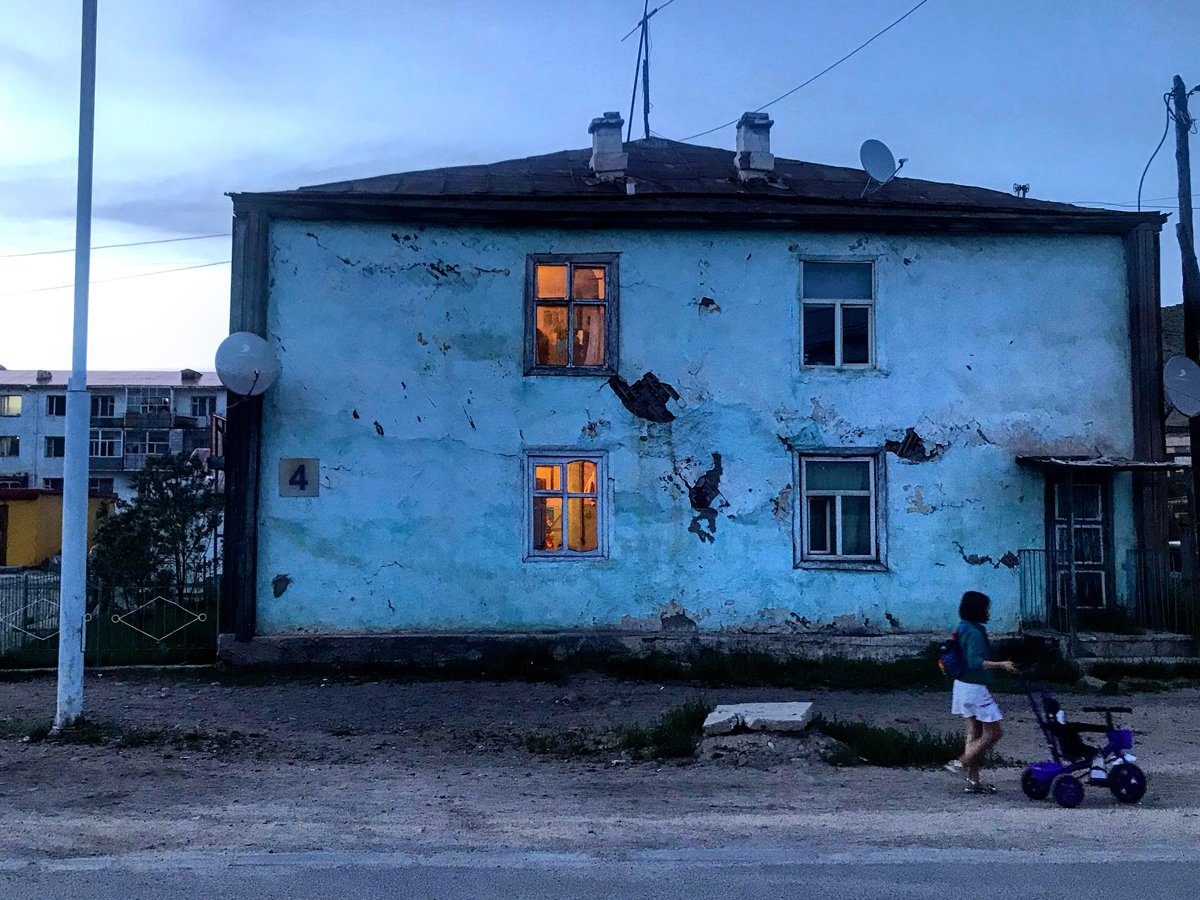
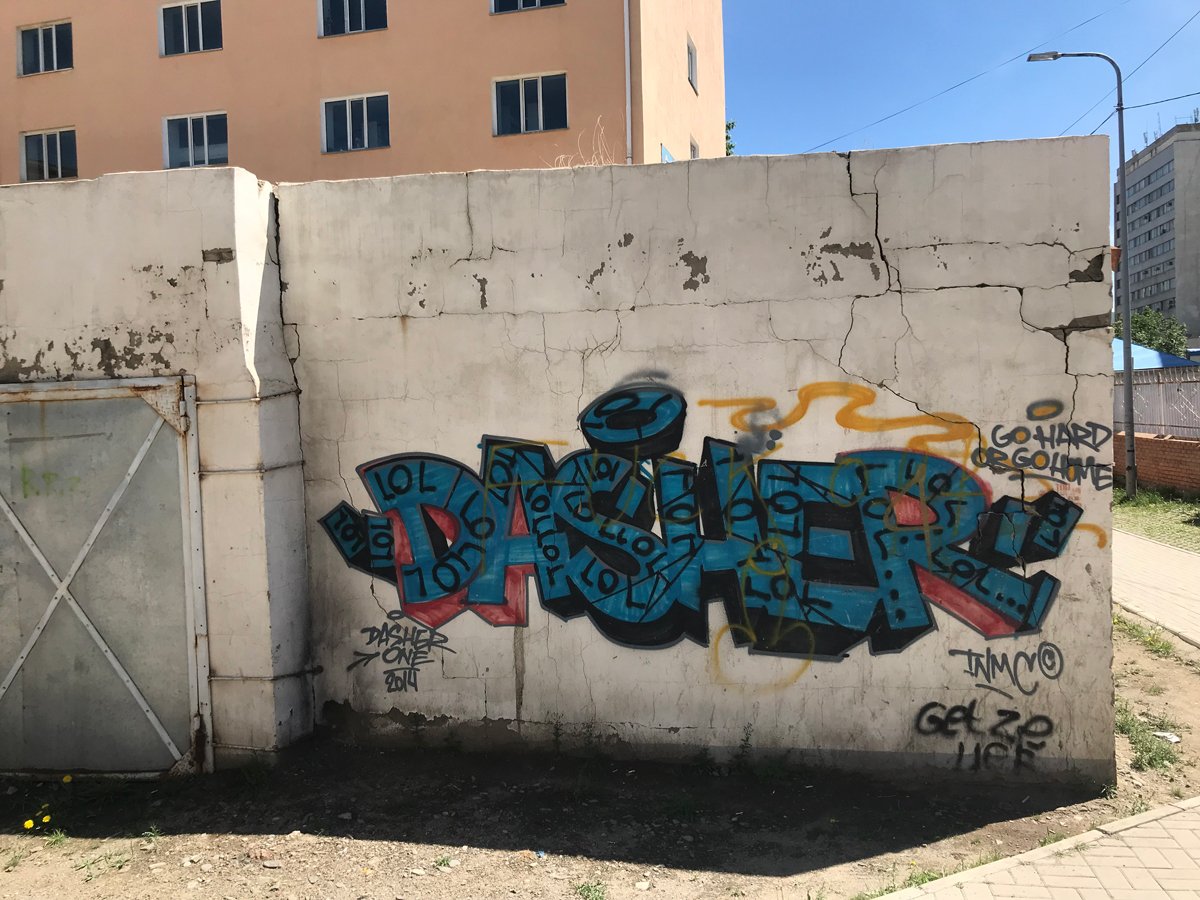
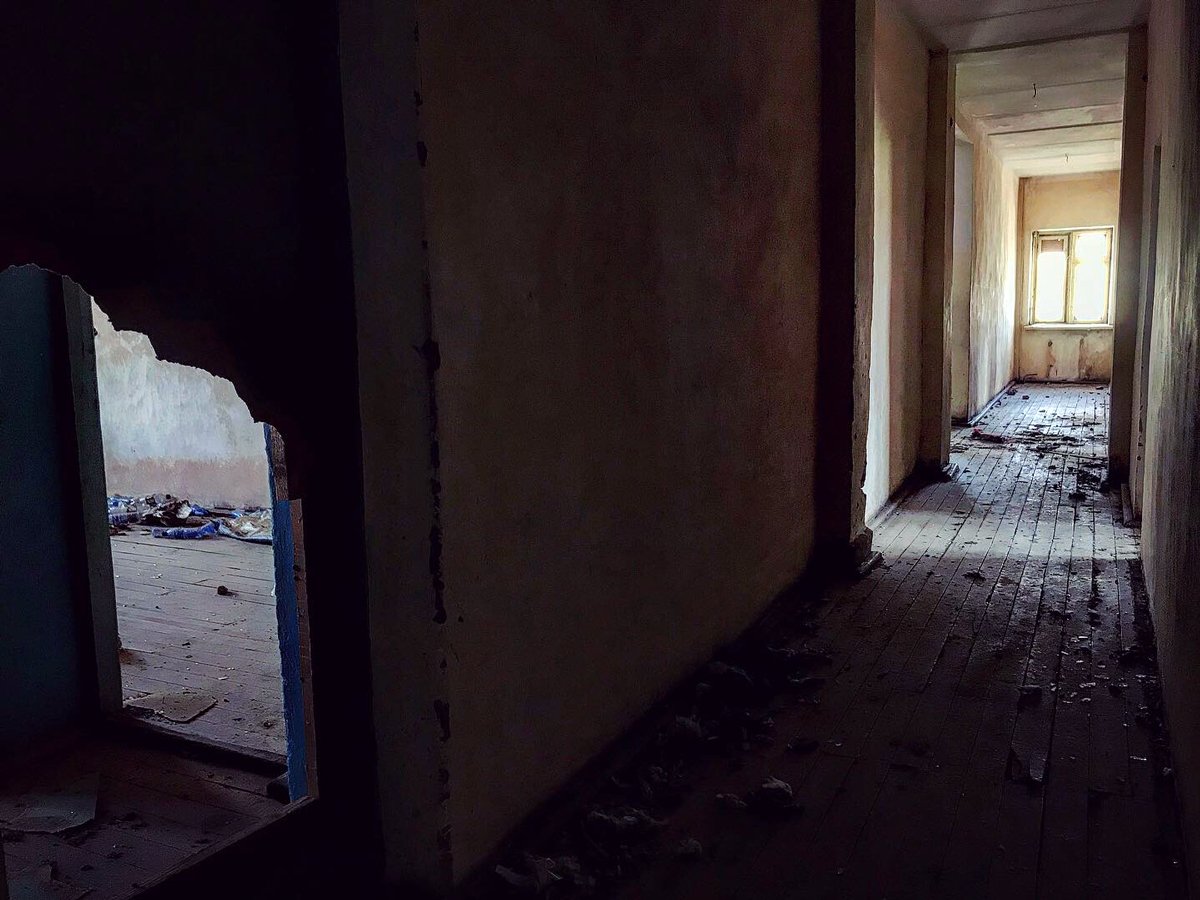
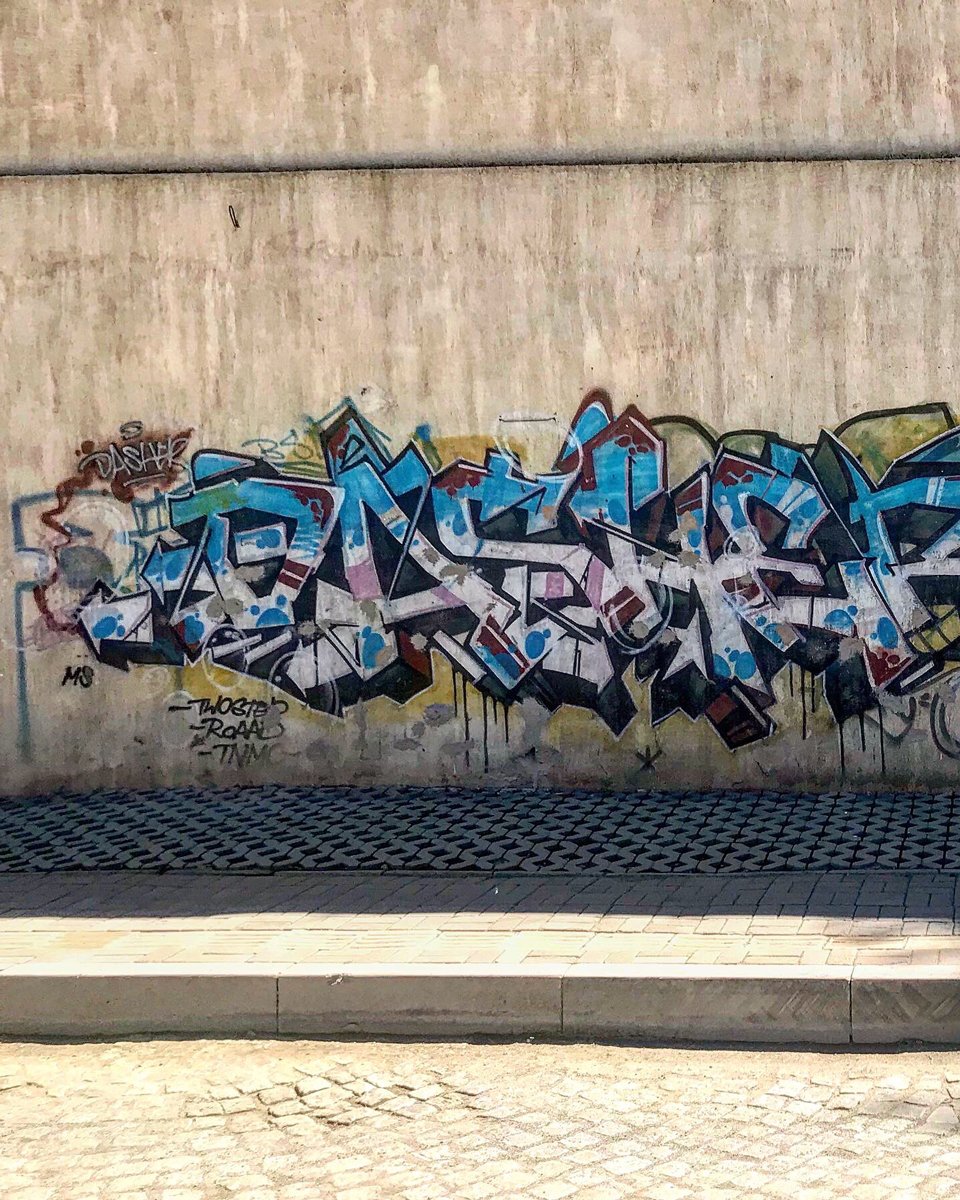
It’s enormous, crowded, and alive — a collision of modern glass buildings, Soviet-era architecture, ancient monasteries, and traditional yurts tucked between apartment blocks. It’s often cited as one of the most polluted cities in the world, though that’s more apparent in winter when coal fires fill the air. In summer, it felt energetic and cosmopolitan. The people were kind, curious, and welcoming.
Mongolia sits wedged between Russia to the north and China to the south, and you can feel those influences everywhere — in the architecture, the food, the language, and the culture. For an American, spending time there was grounding and eye-opening. We spent our first couple of days walking the city, eating local food, getting lost, and even stopping by the North Korean embassy — an experience in itself.
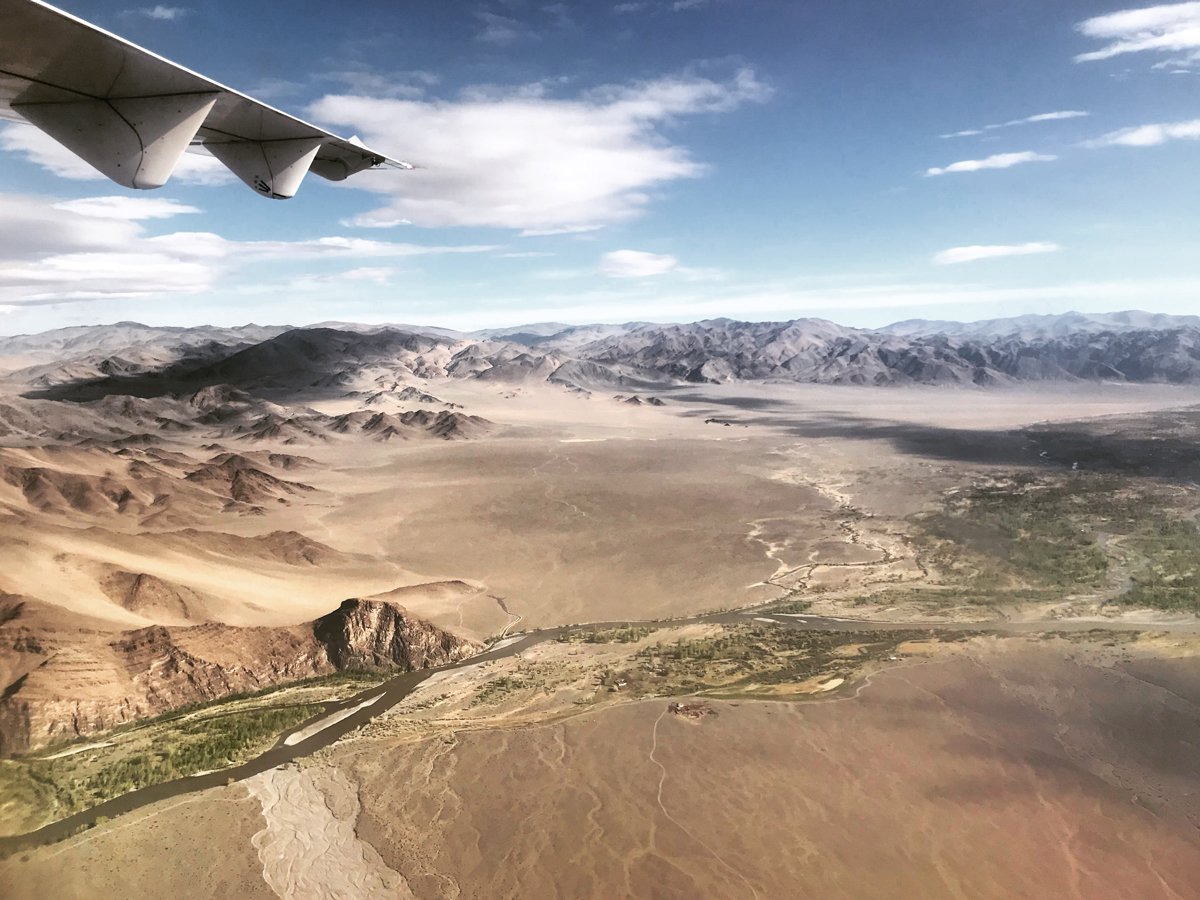
Then, very early one morning — around 4 a.m. — we boarded a very small plane and flew west to Olgii, near the borders of Kazakhstan and Russia.
Western Mongolia: Where the World Gets Quiet
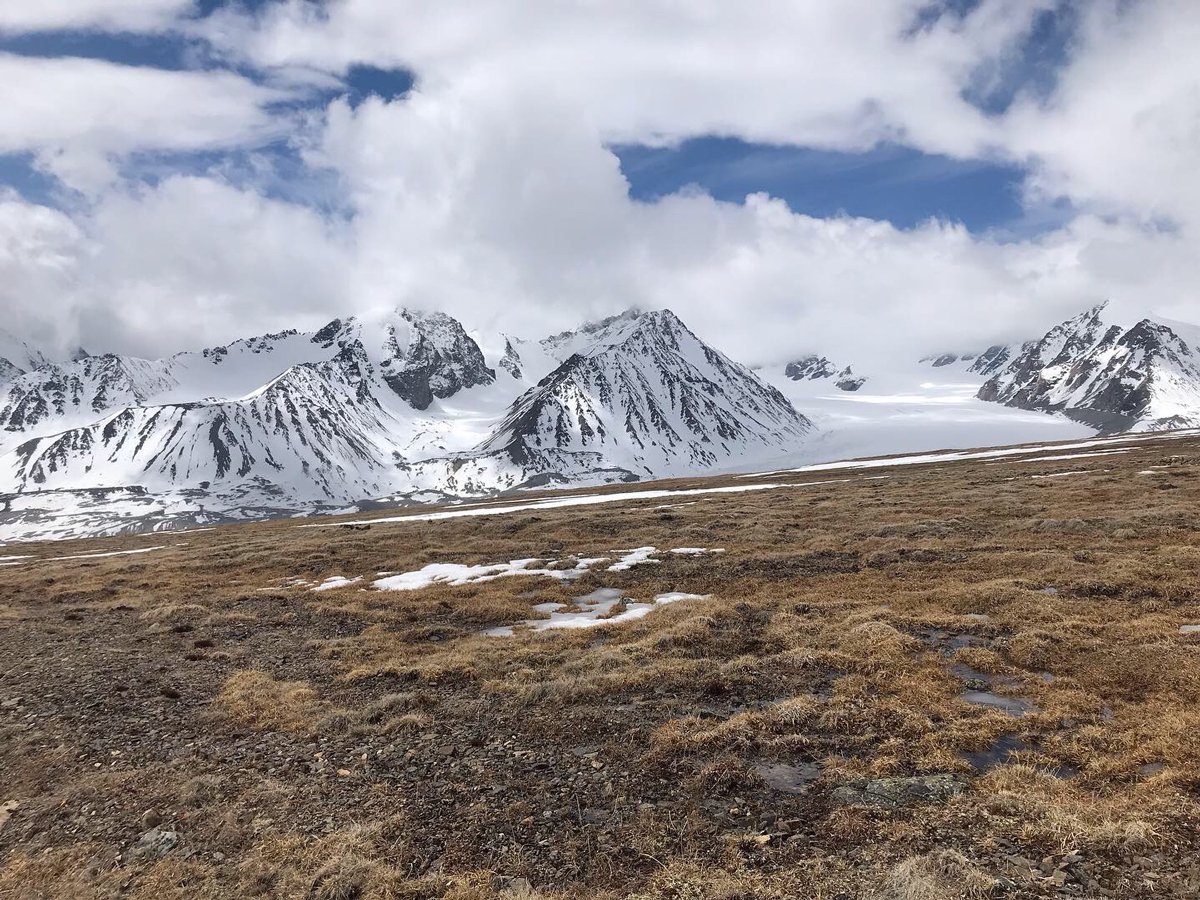
Landing in Olgii at sunrise was unforgettable. Towering alpine peaks glowed orange and pink as the sun crept over the Altai Tavan Bogd mountains. We were suddenly in one of the most remote regions on Earth — a place where someone had recently contracted the bubonic plague from eating a marmot.
Welcome to western Mongolia.
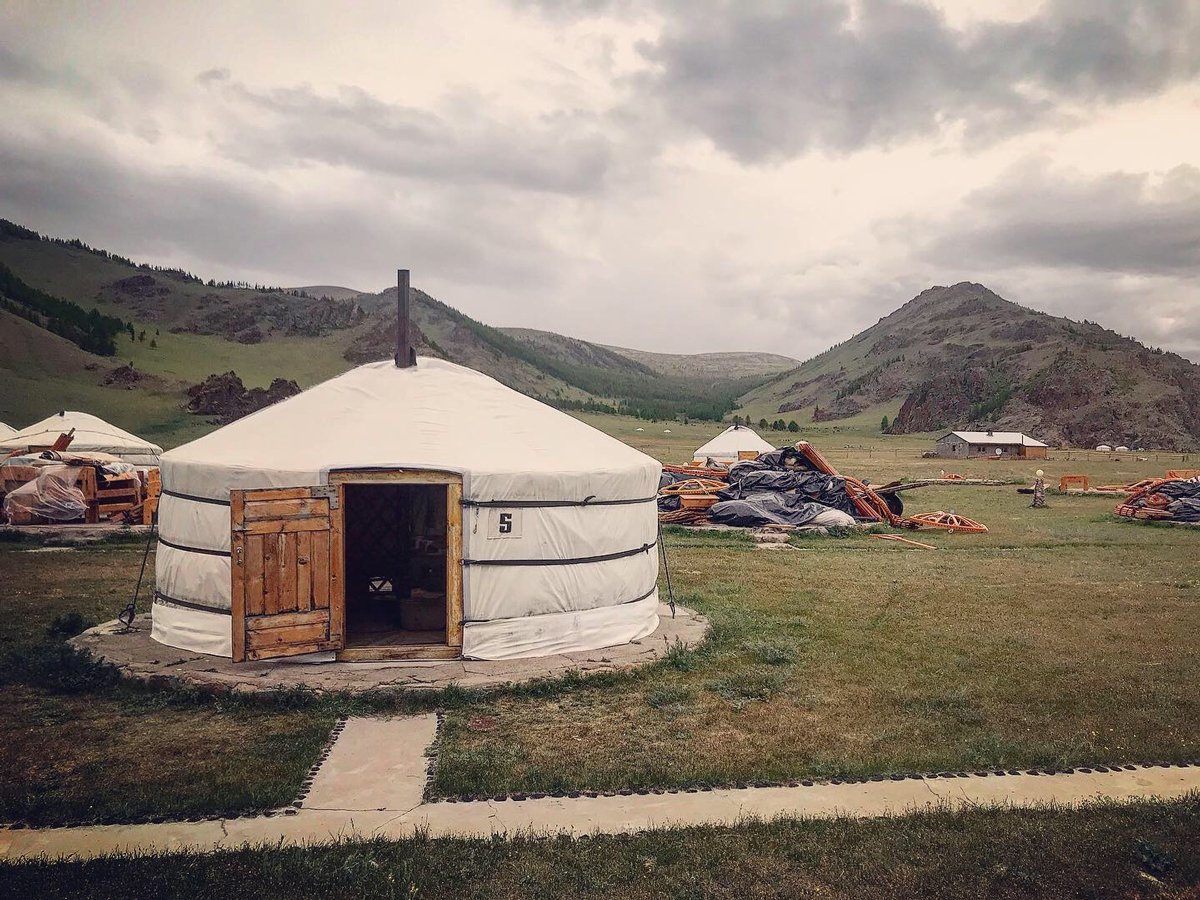
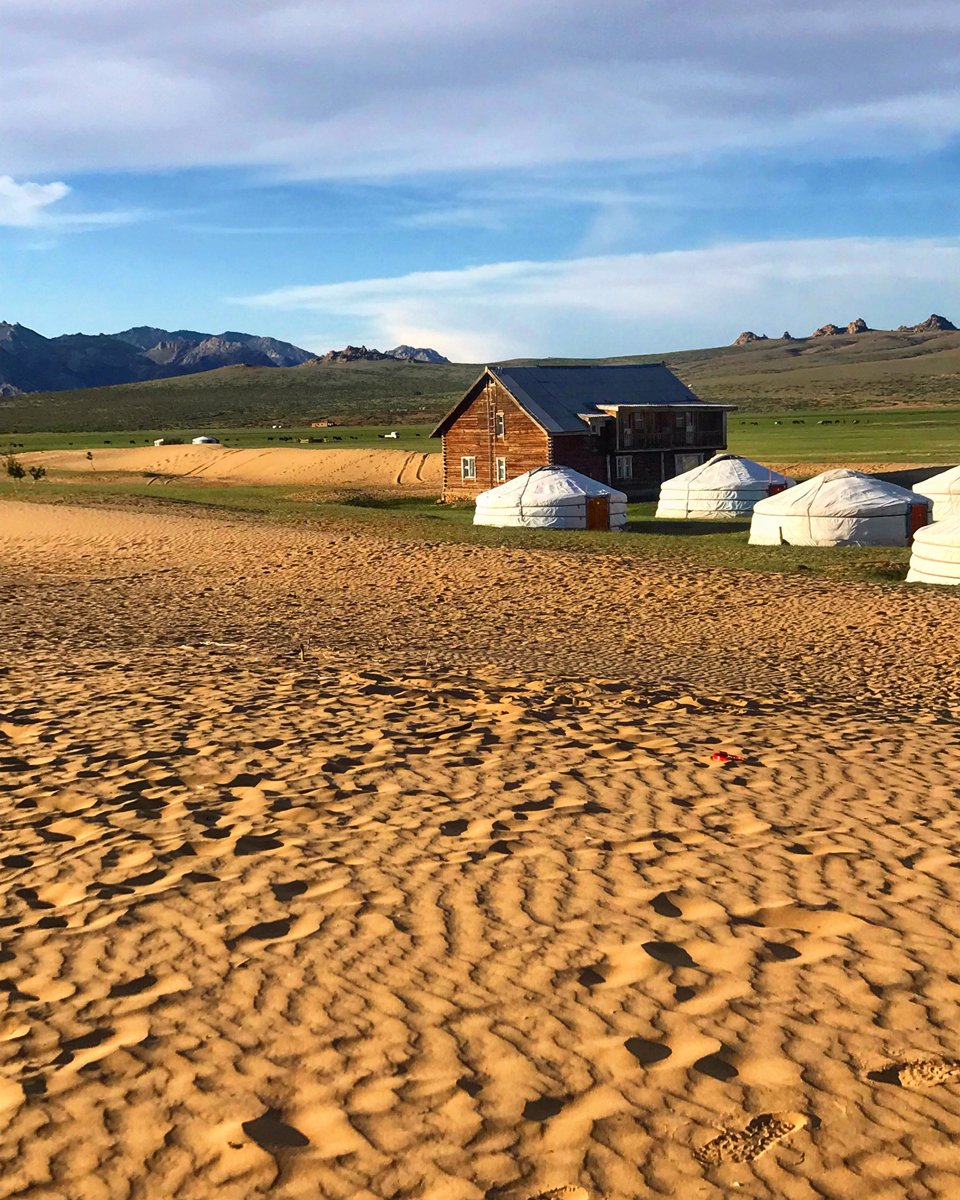
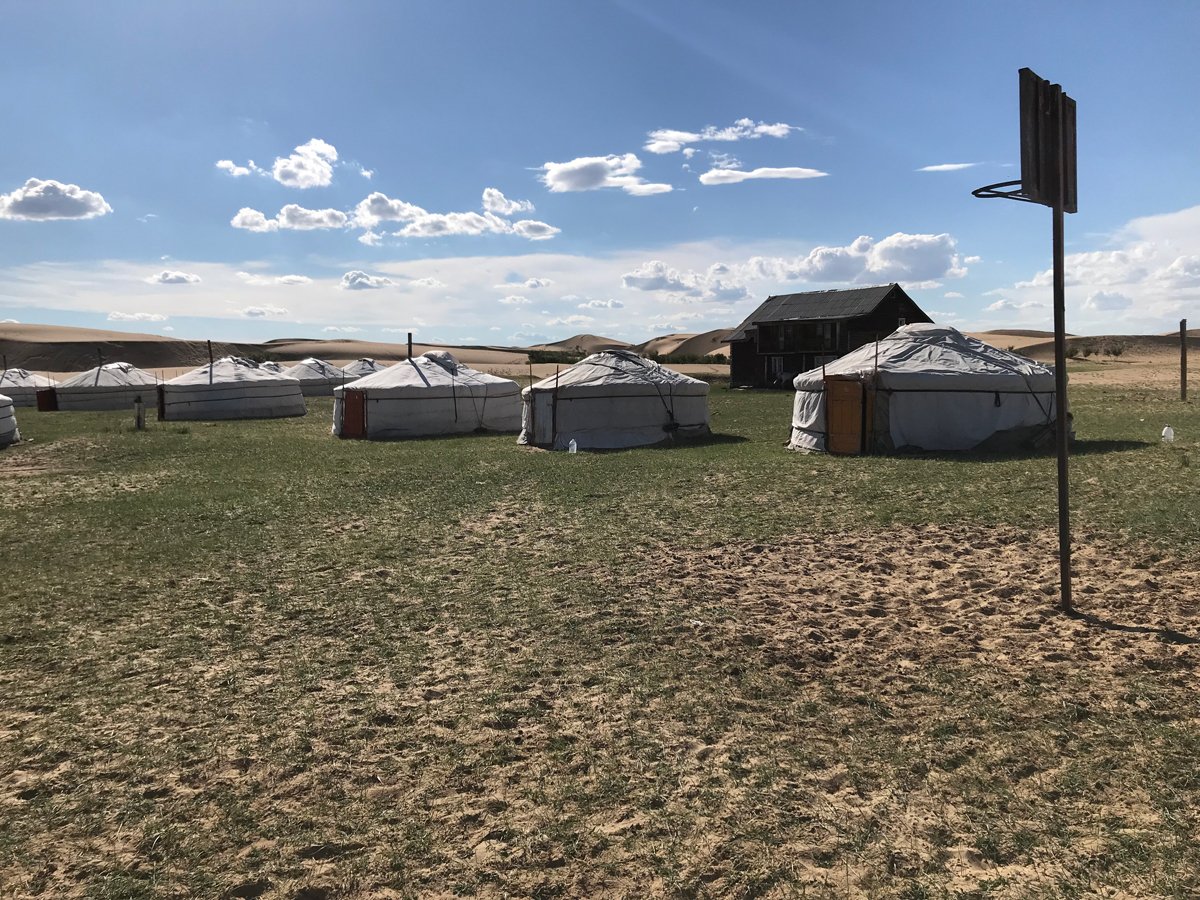
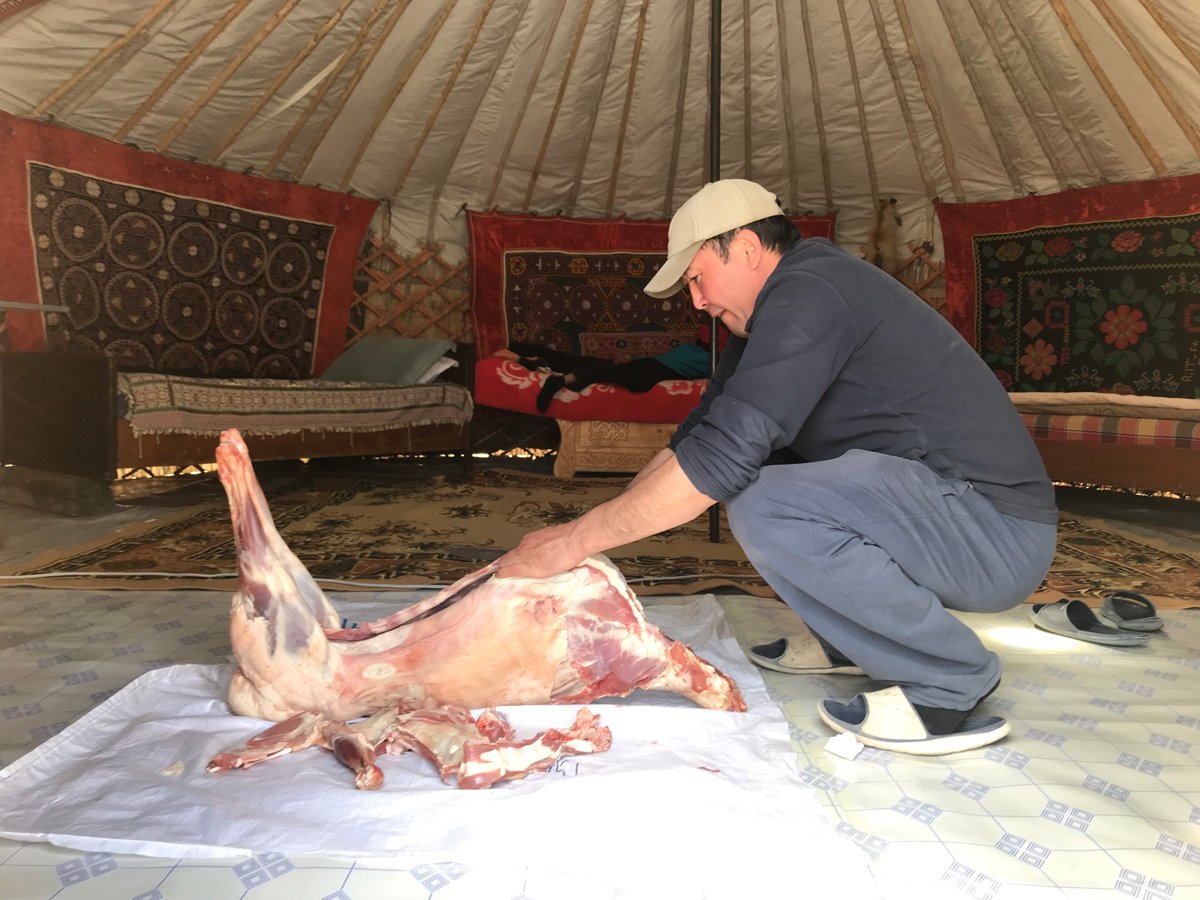
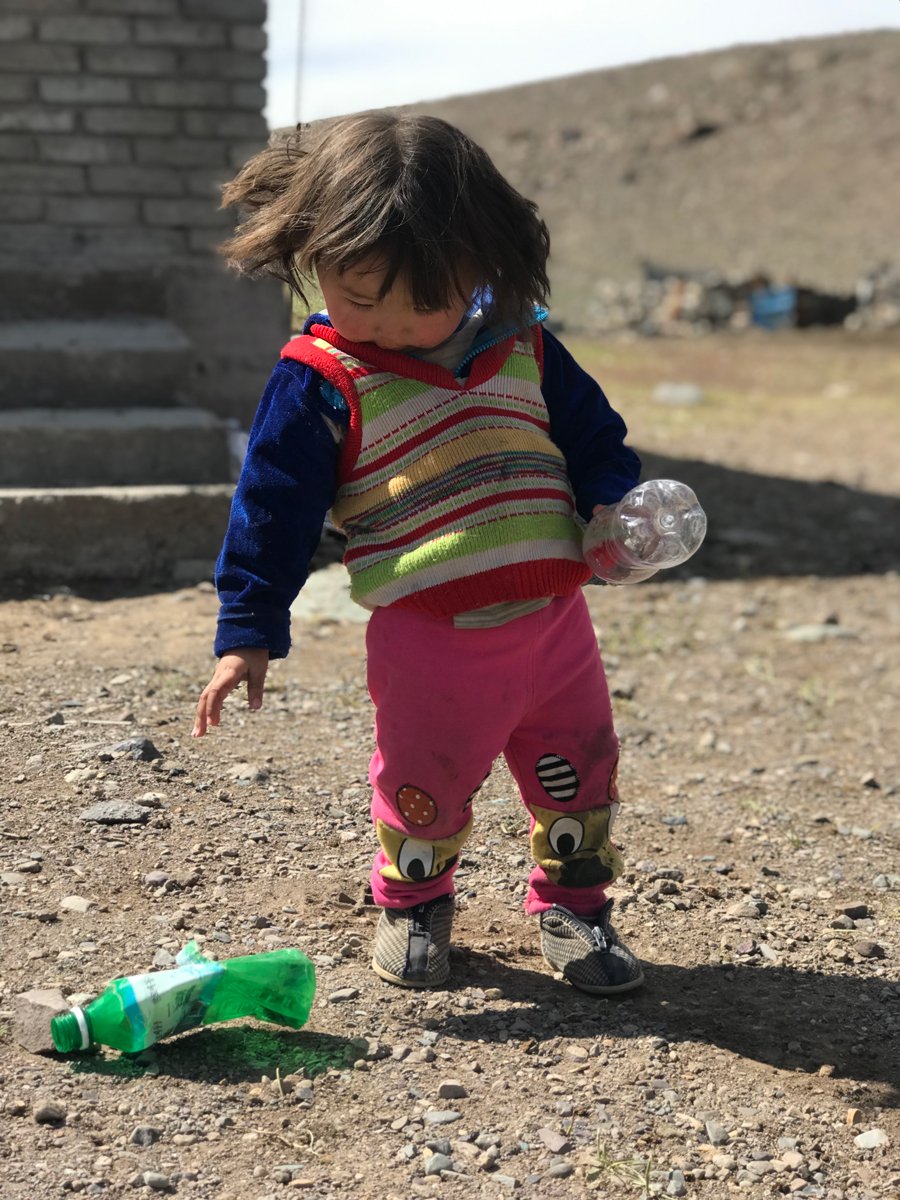
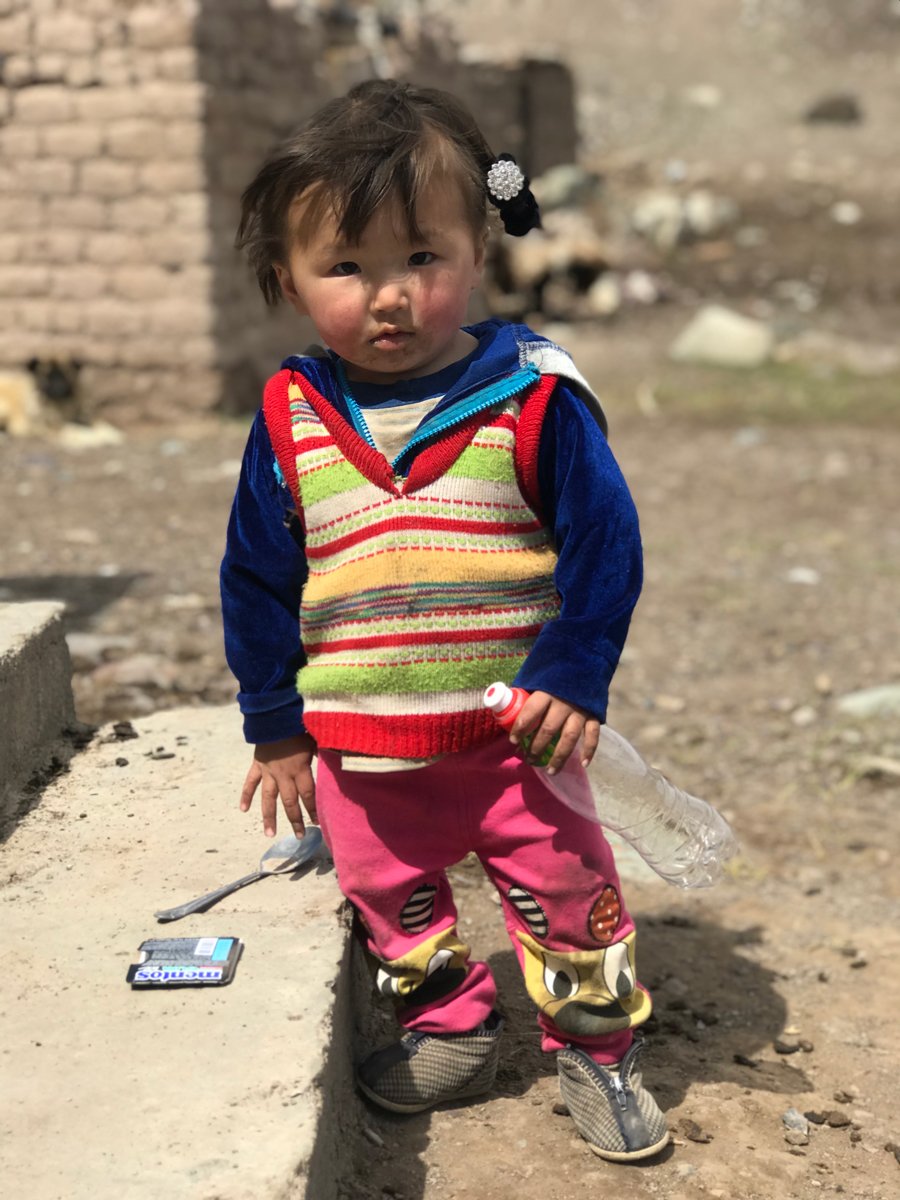
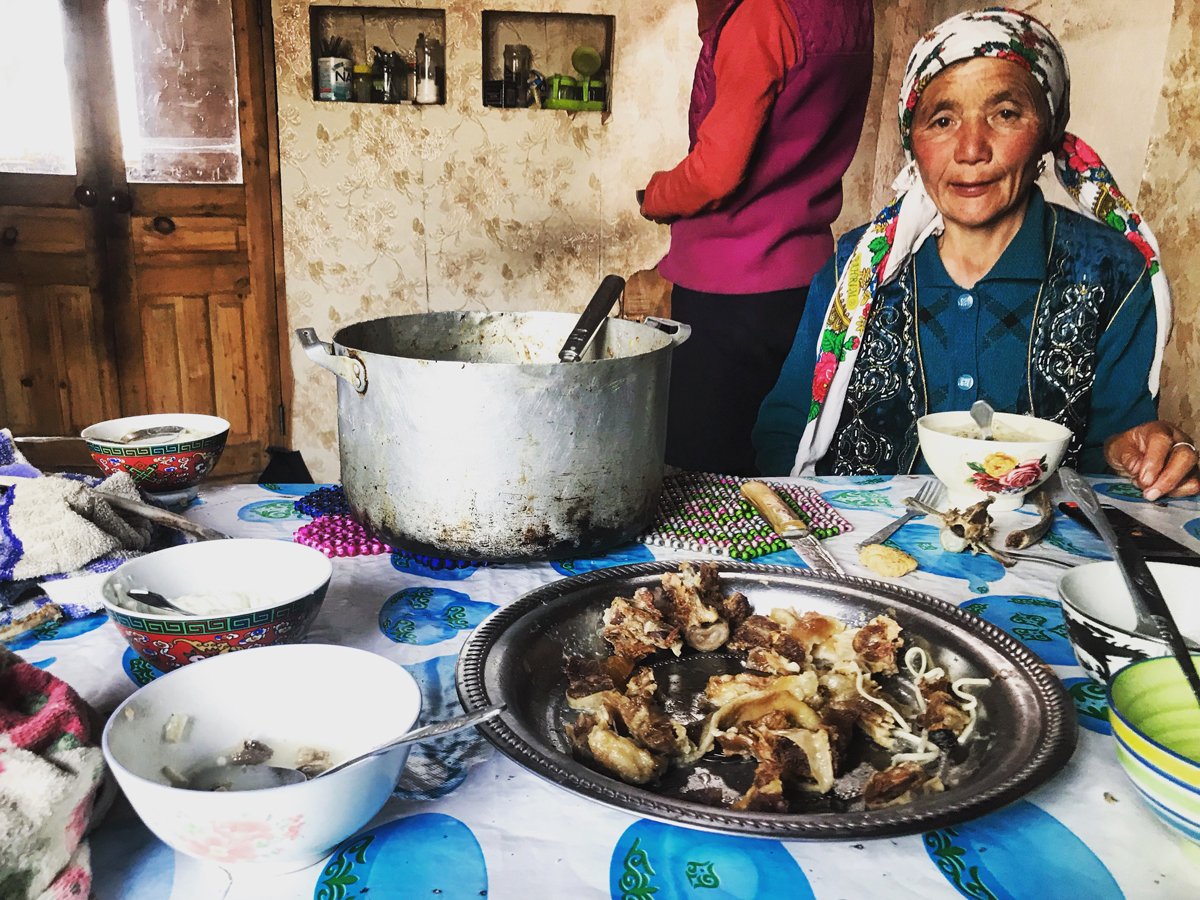
We were picked up by a local man whose family hosted us in a yurt behind their home. In the neighboring yurt, they were skinning sheep and preparing food. Despite the setting, their English was excellent, and their two young sons were completely fascinated by us. We spent our first days acclimating — drinking milk tea, eating a lot of lamb, drinking far too much beer, and wandering town.
There wasn’t much else to do — and that was the point.
We met a Dutch couple traveling in a converted garbage truck who had driven all the way from the Netherlands, through Iran, to Mongolia. As an American, encounters like that recalibrate your sense of the world very quickly.
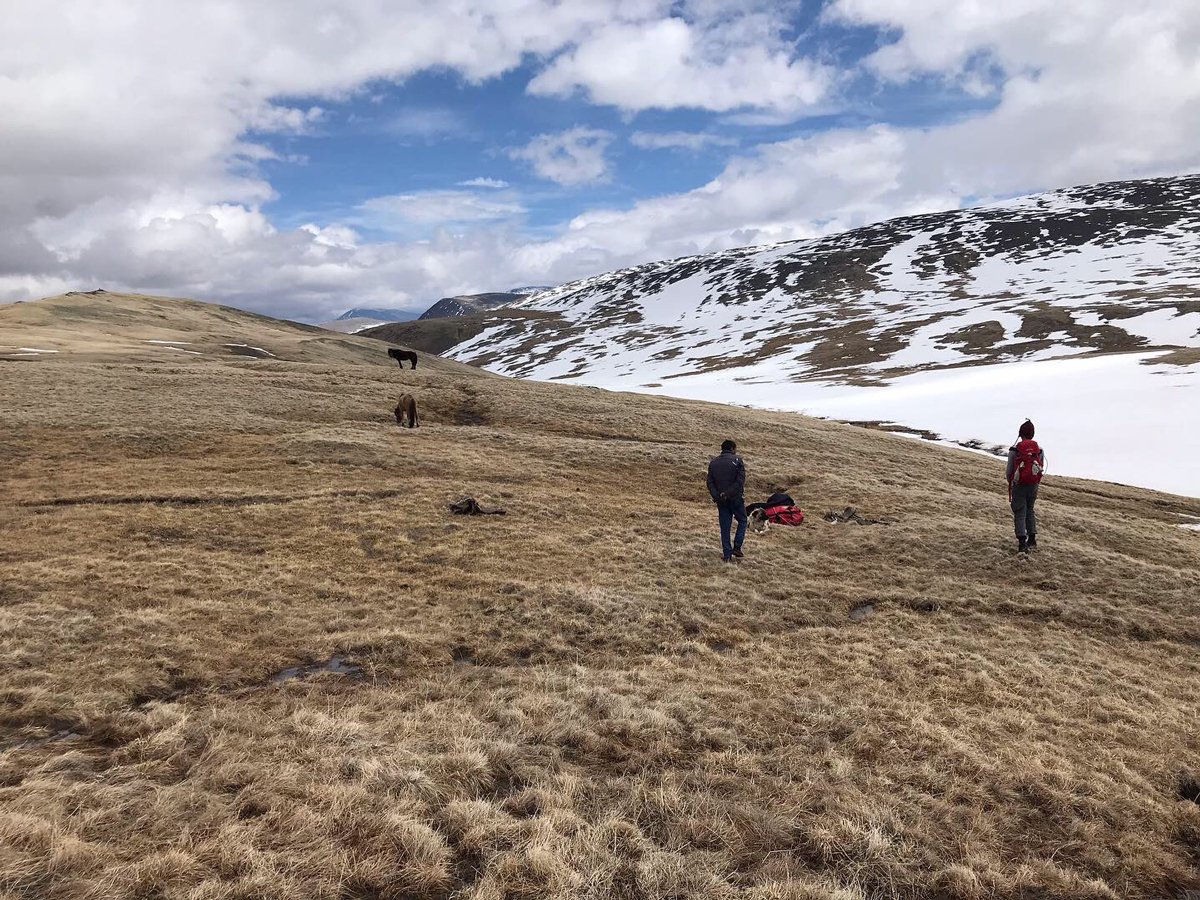
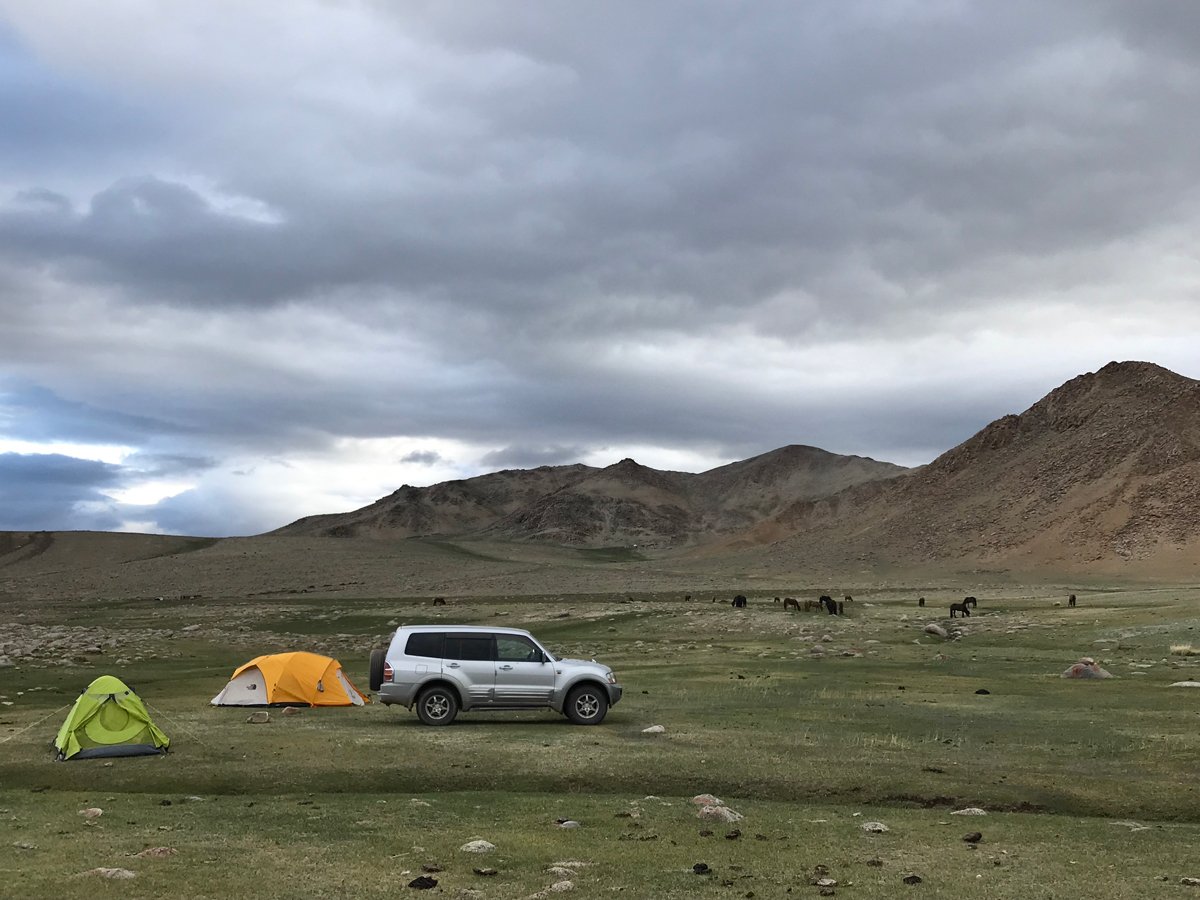
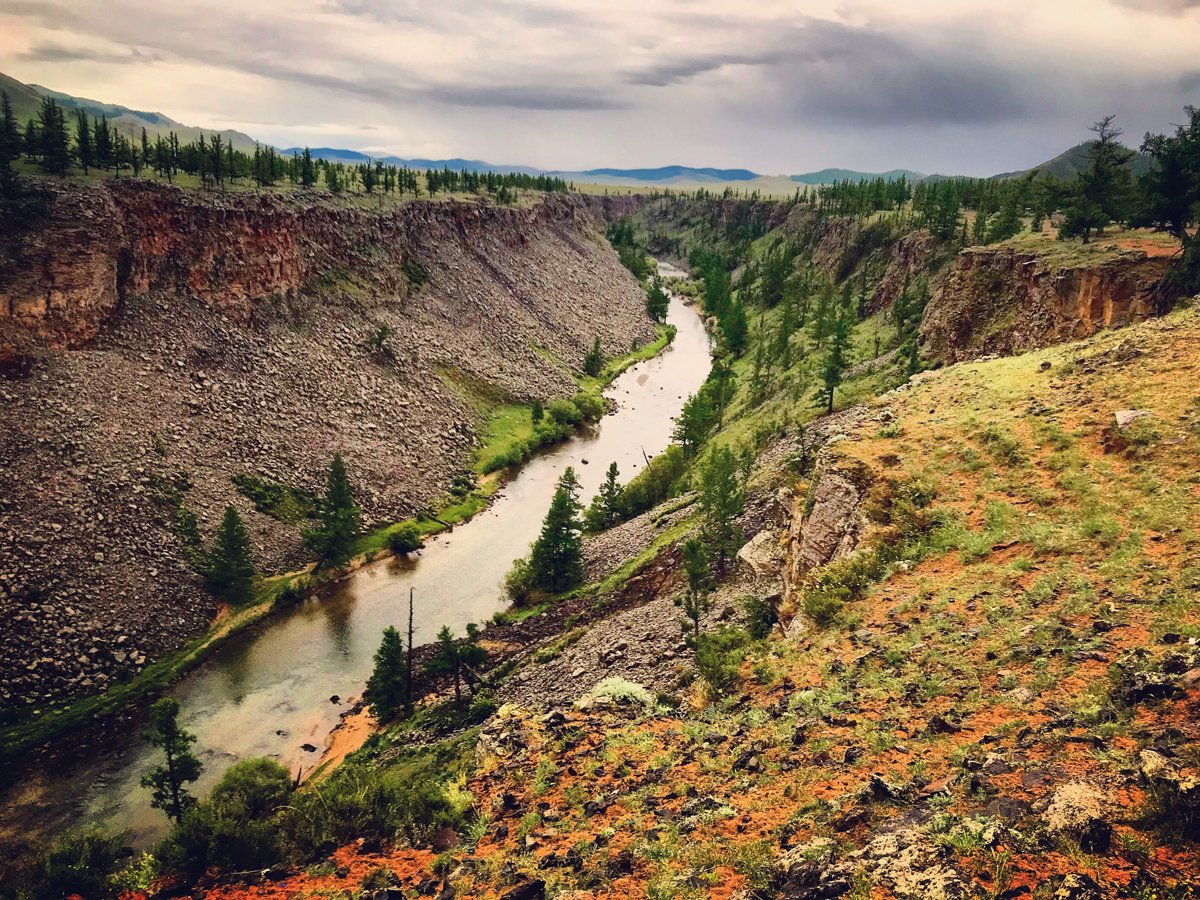
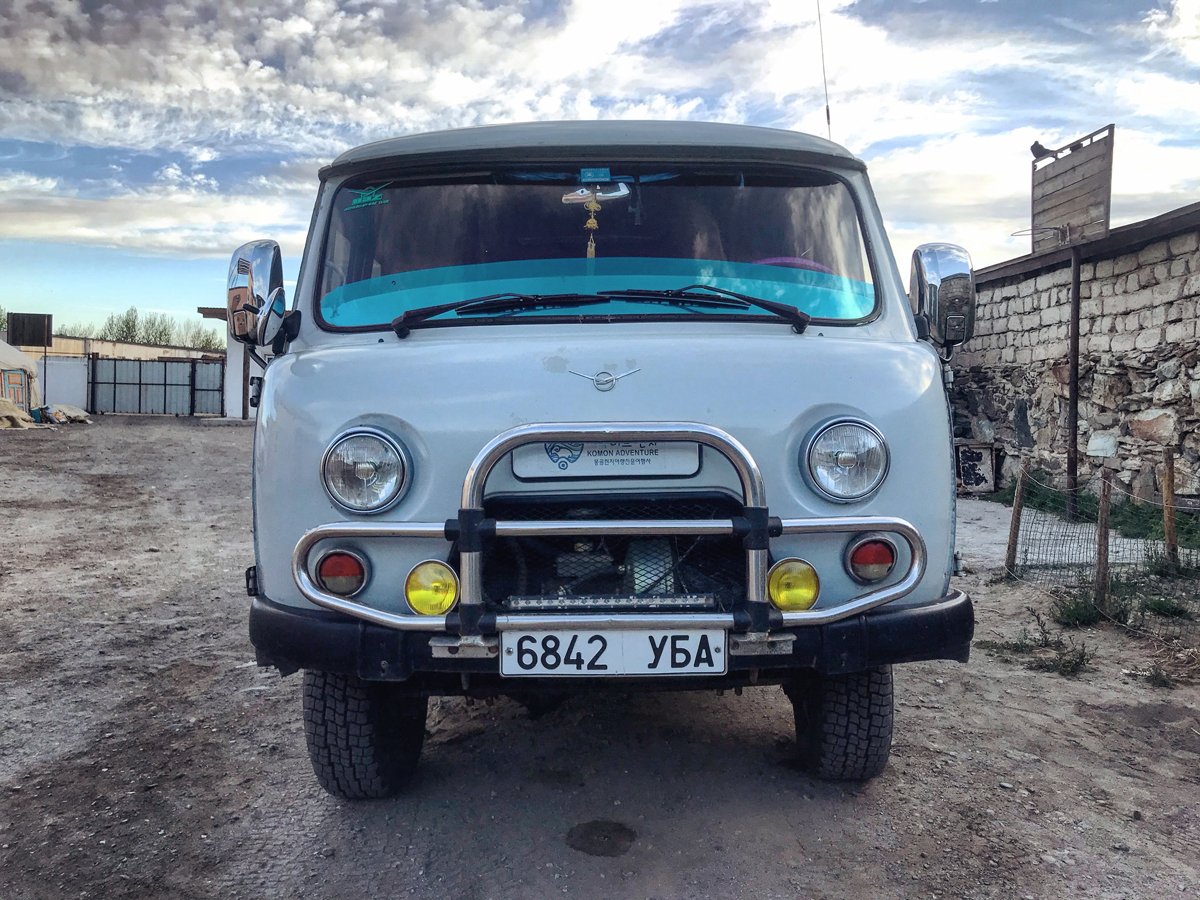
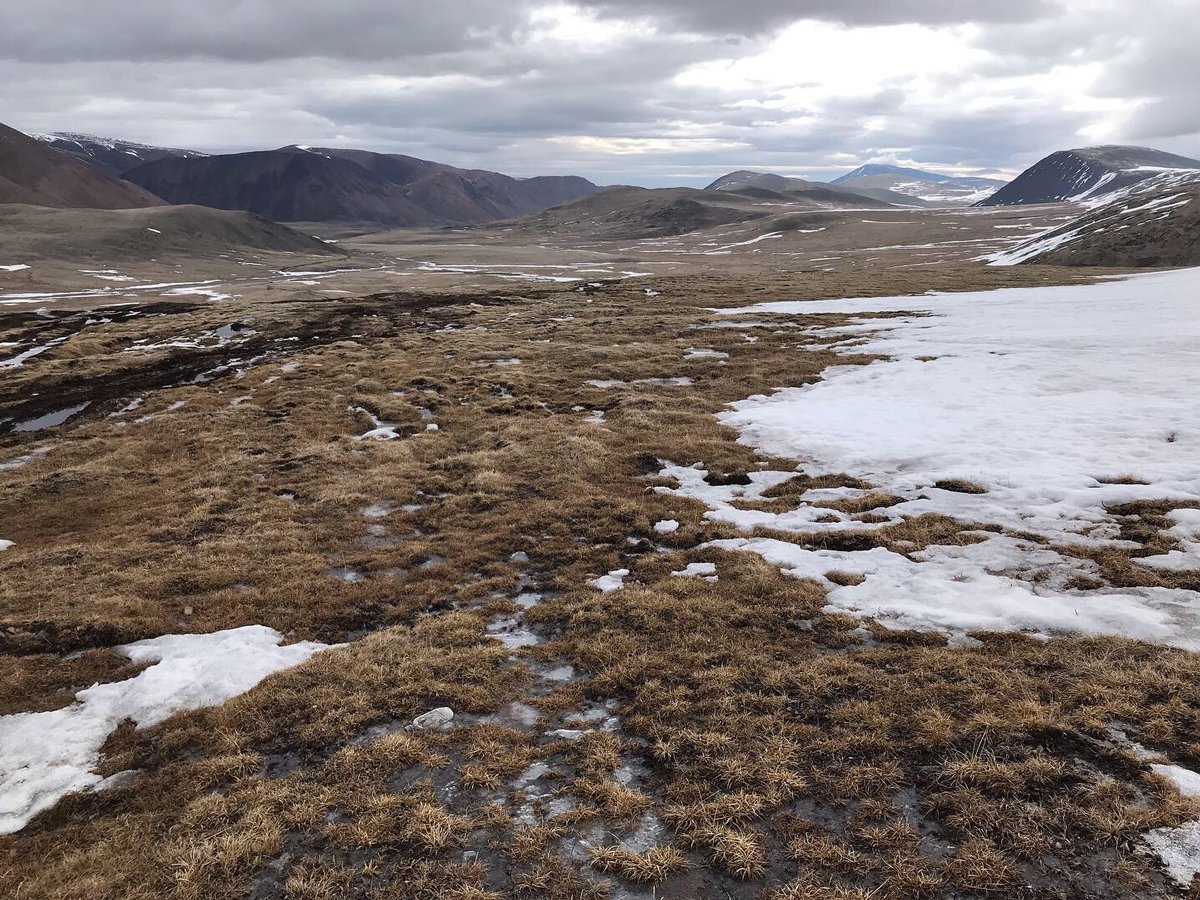
Once everything was ready, we loaded into a truck with our driver and began a six-day trek deep into the far western reaches of Mongolia, near the borders of China, Kazakhstan, and Russia.
Six Days Off the Grid
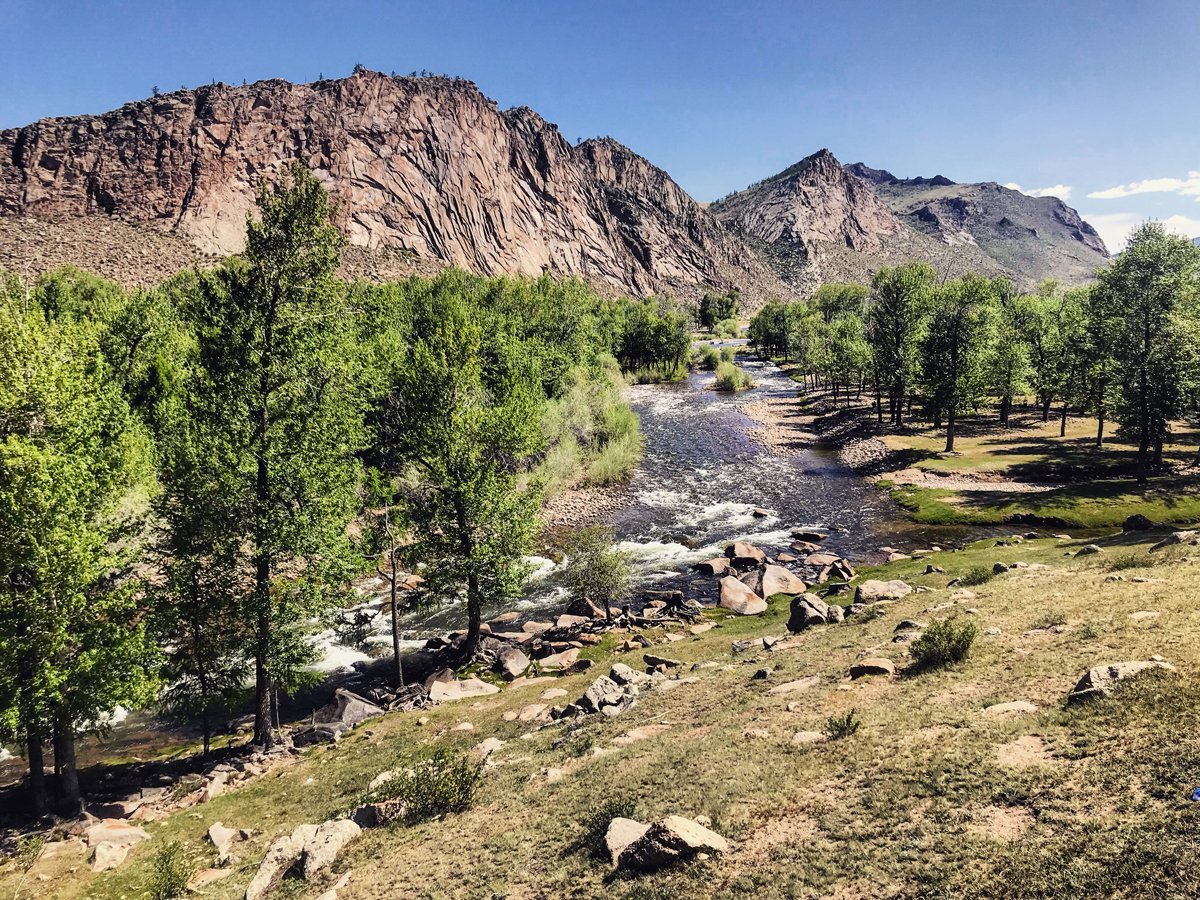
Those six days were some of the wildest of my life.
We crossed rivers.
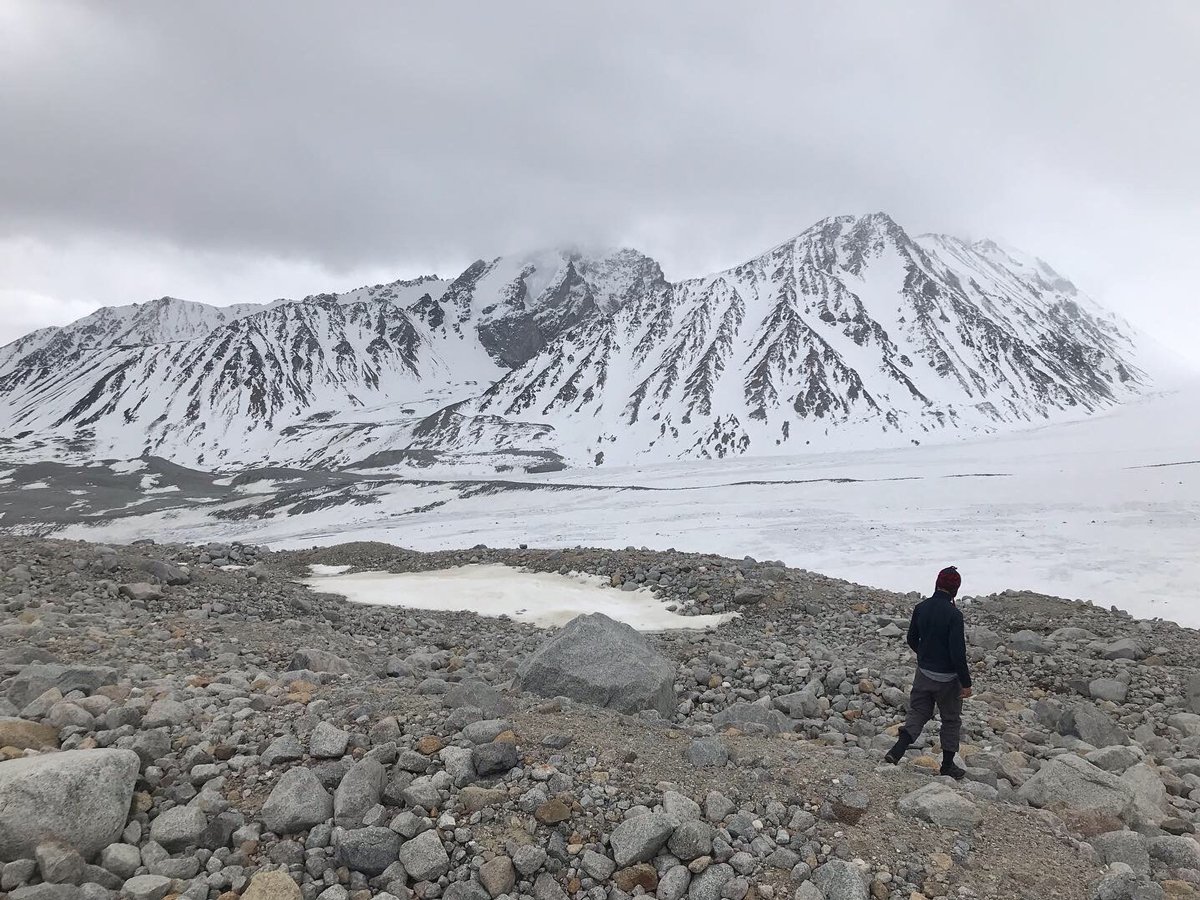
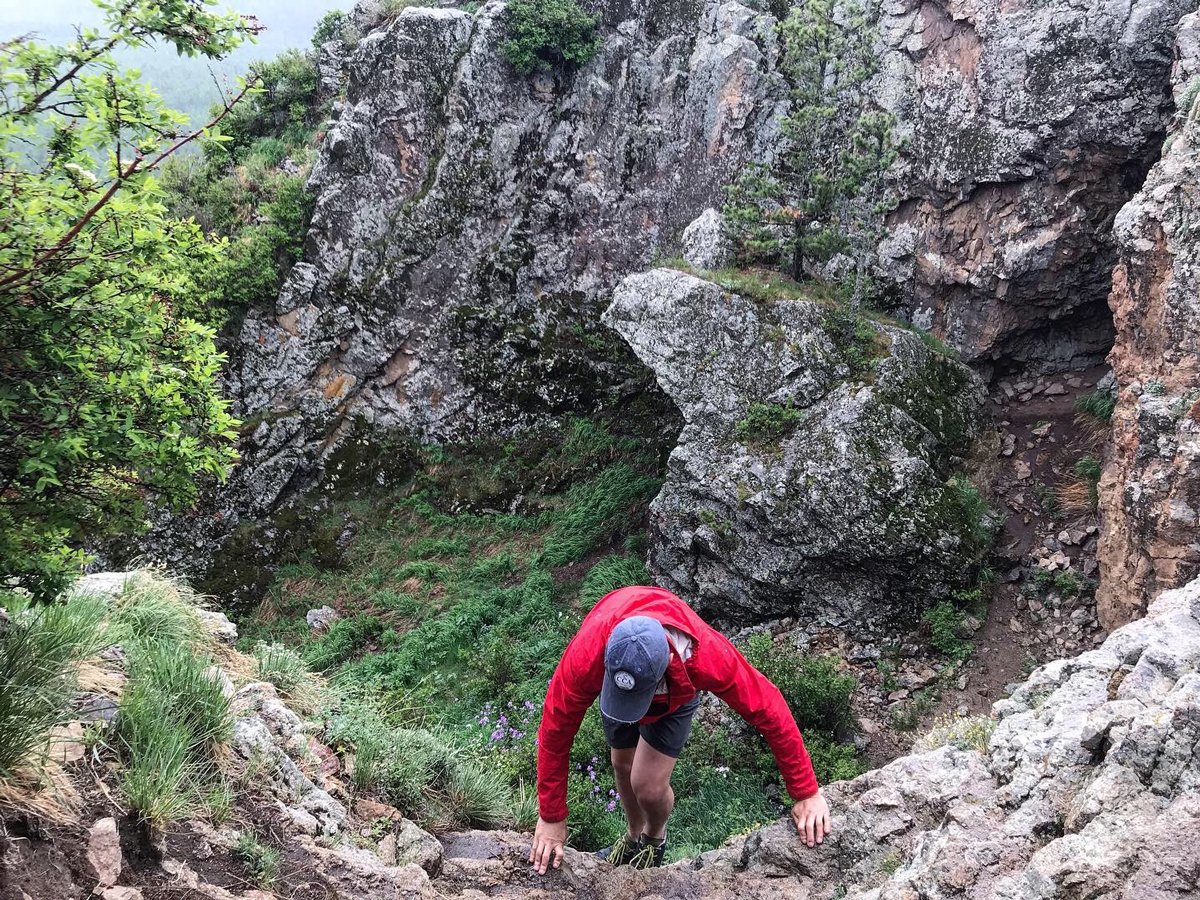
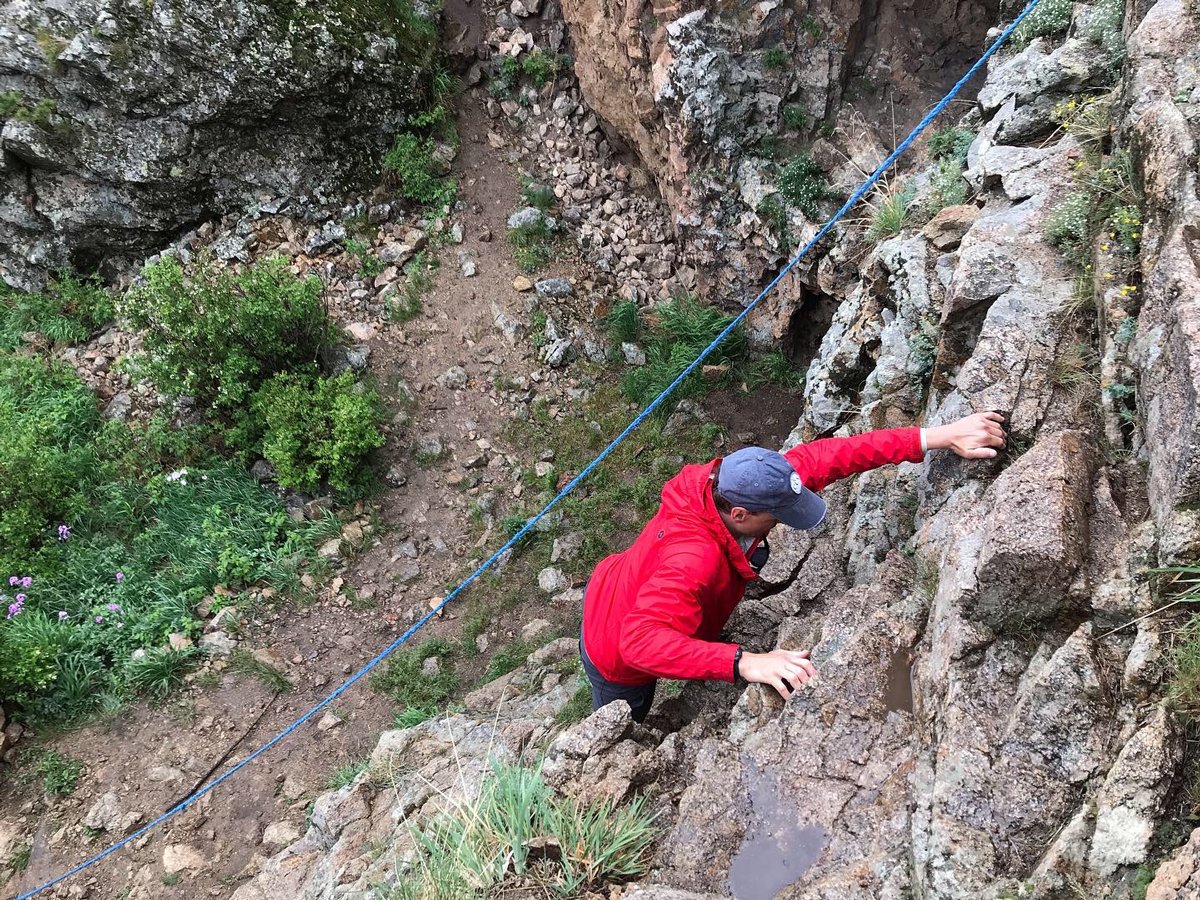
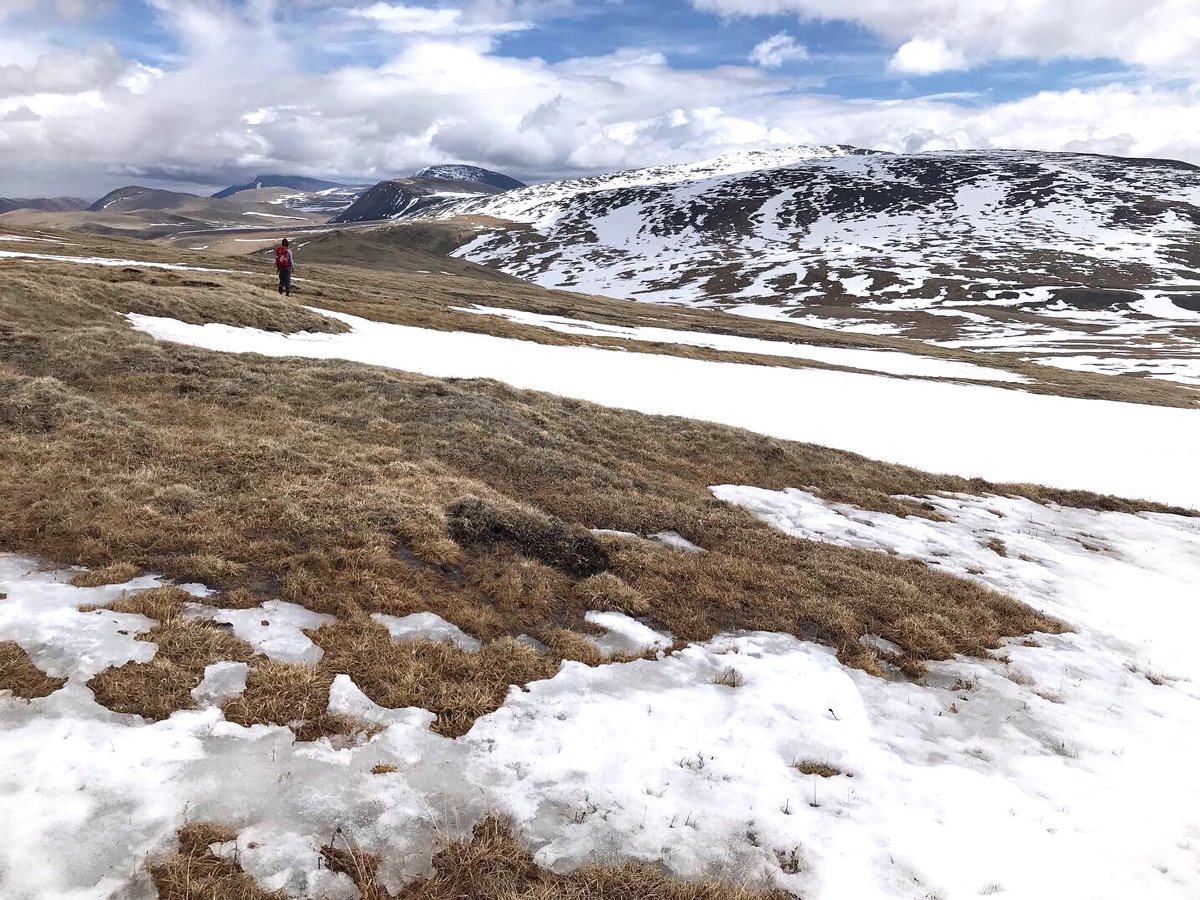
We climbed mountains.
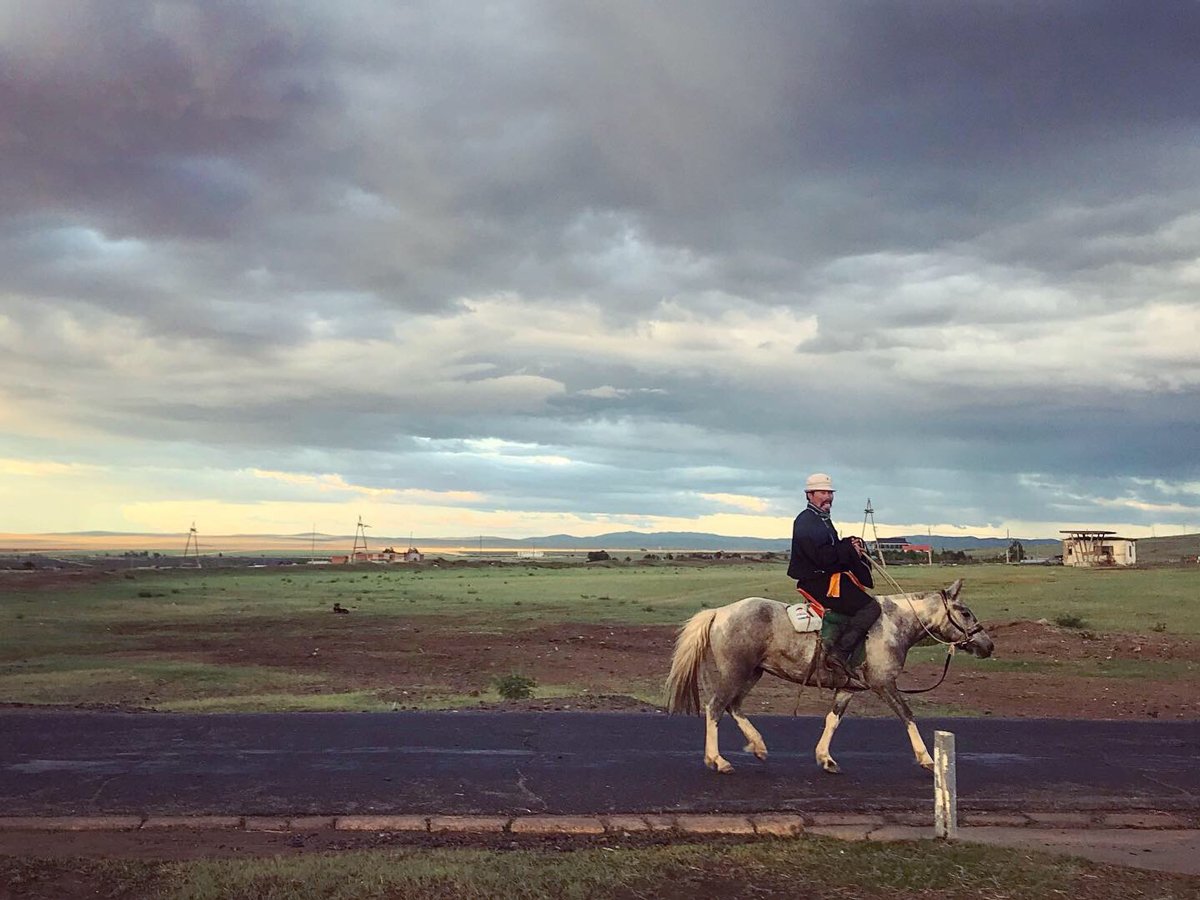
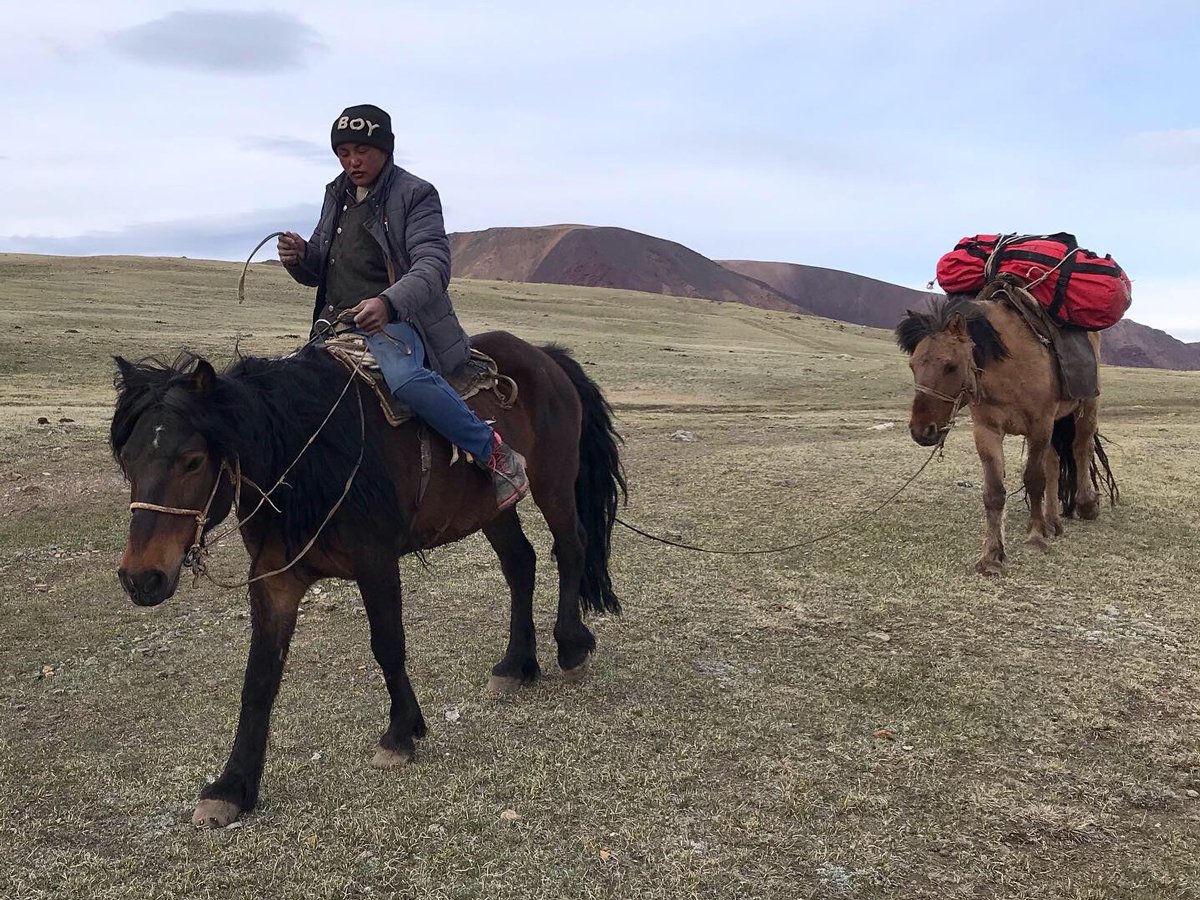
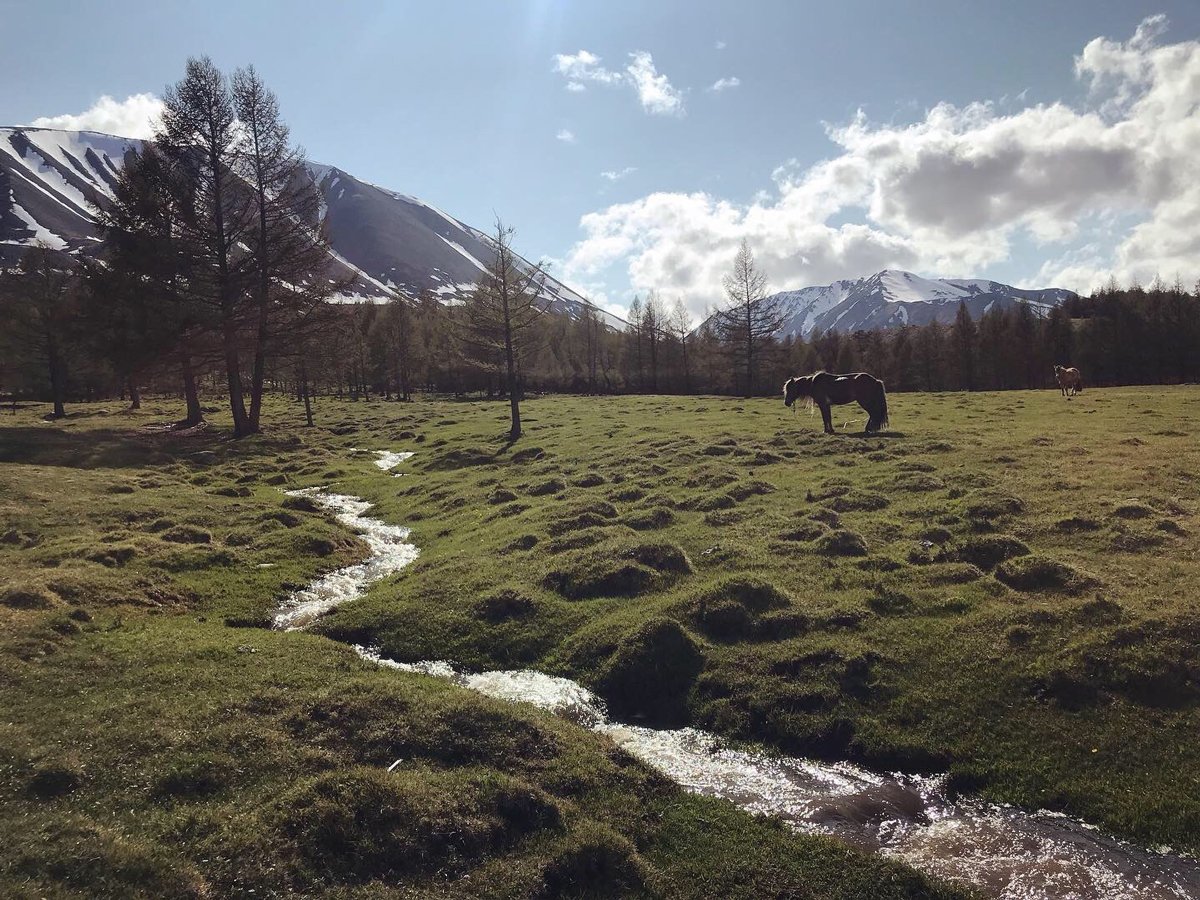
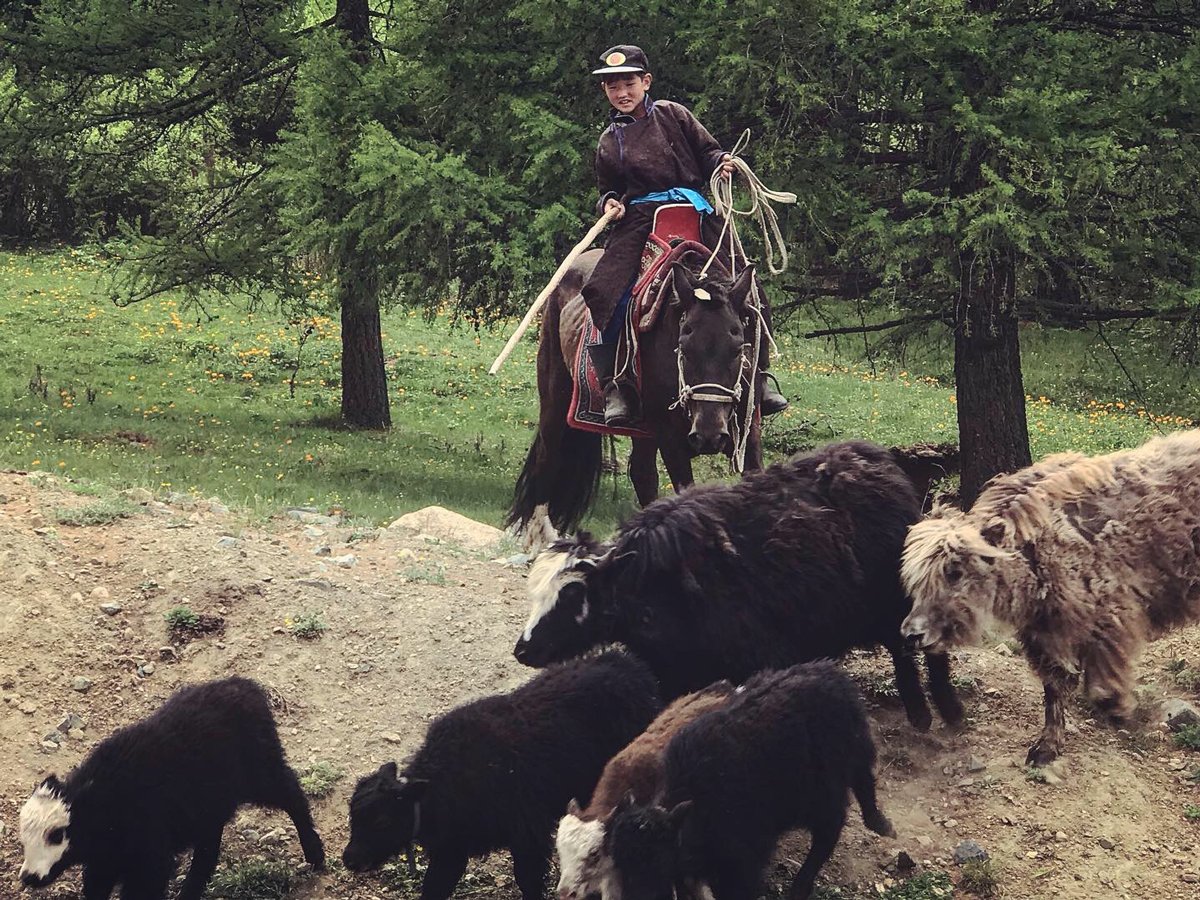
We rode horses.
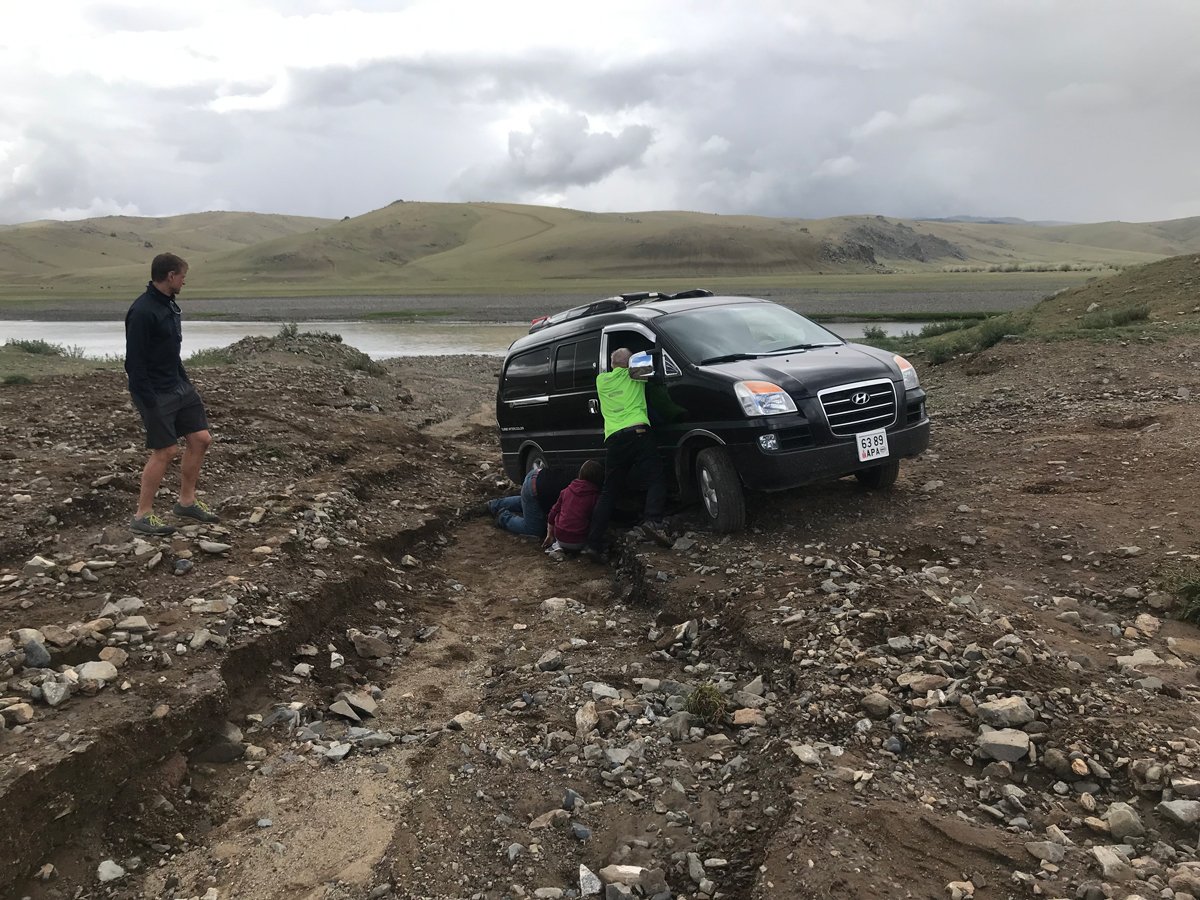
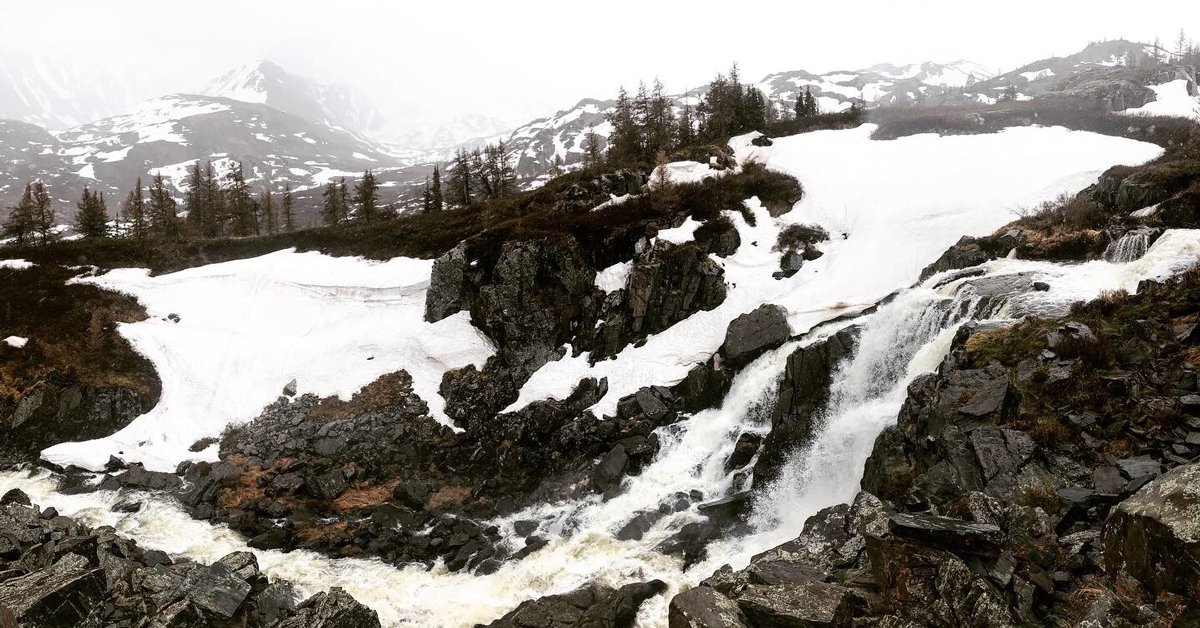
We got stuck in snow and mud.
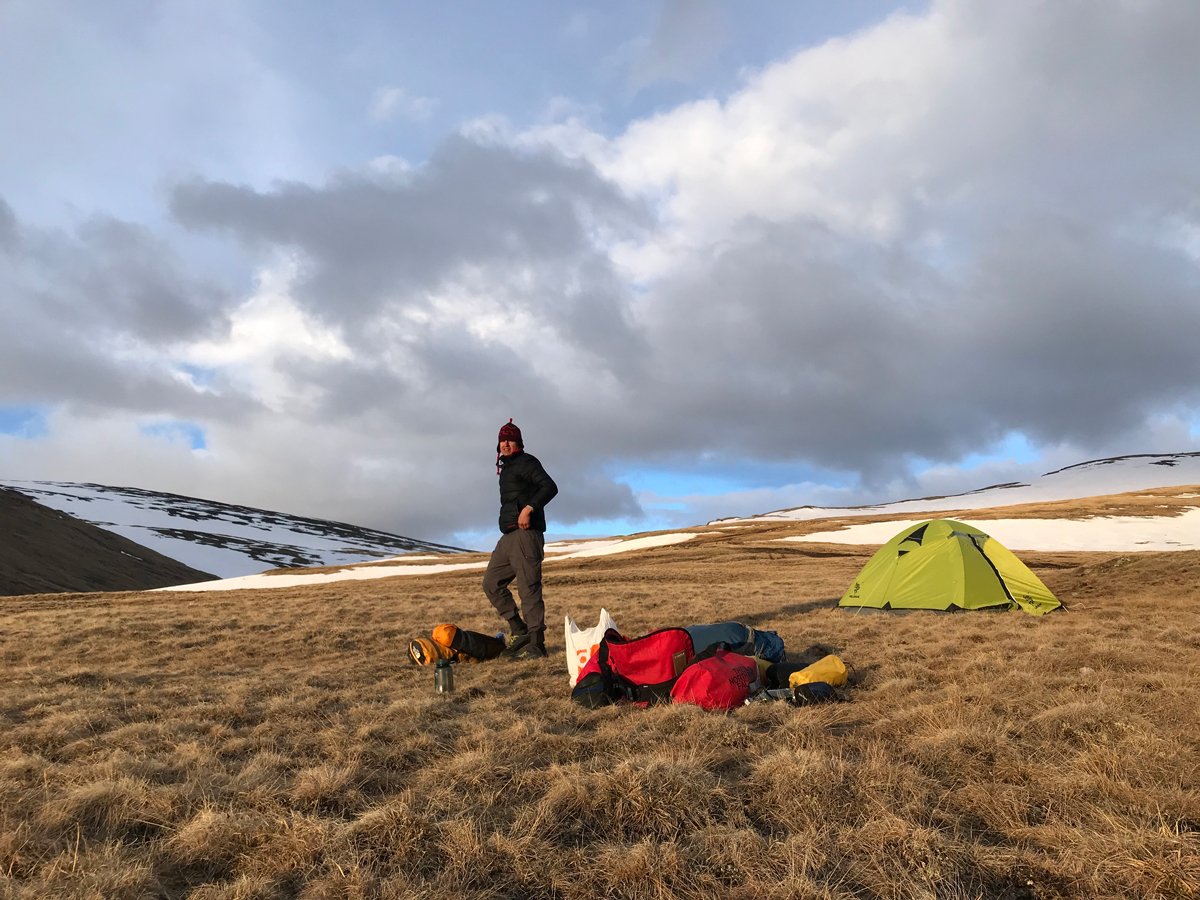
We nearly got frostbite.
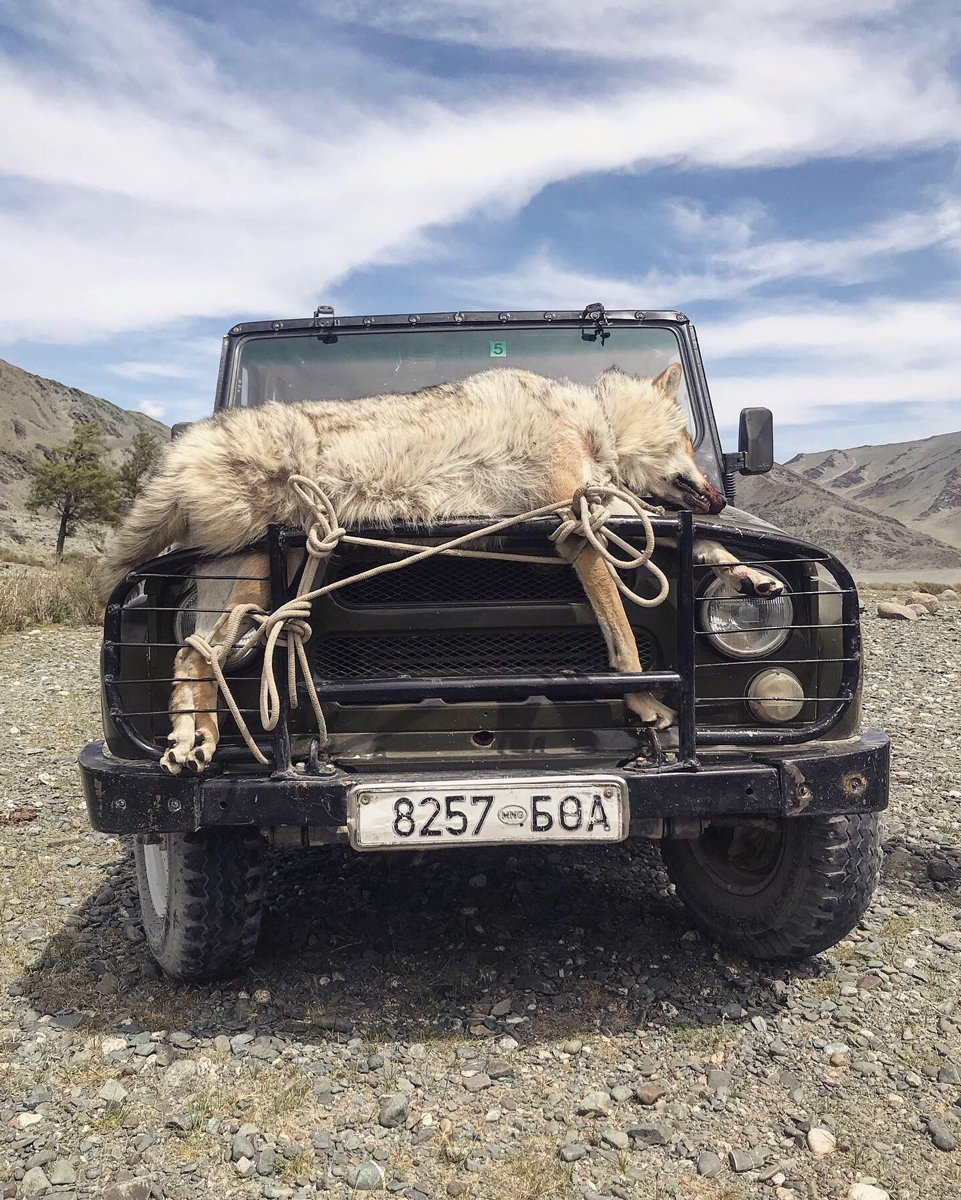
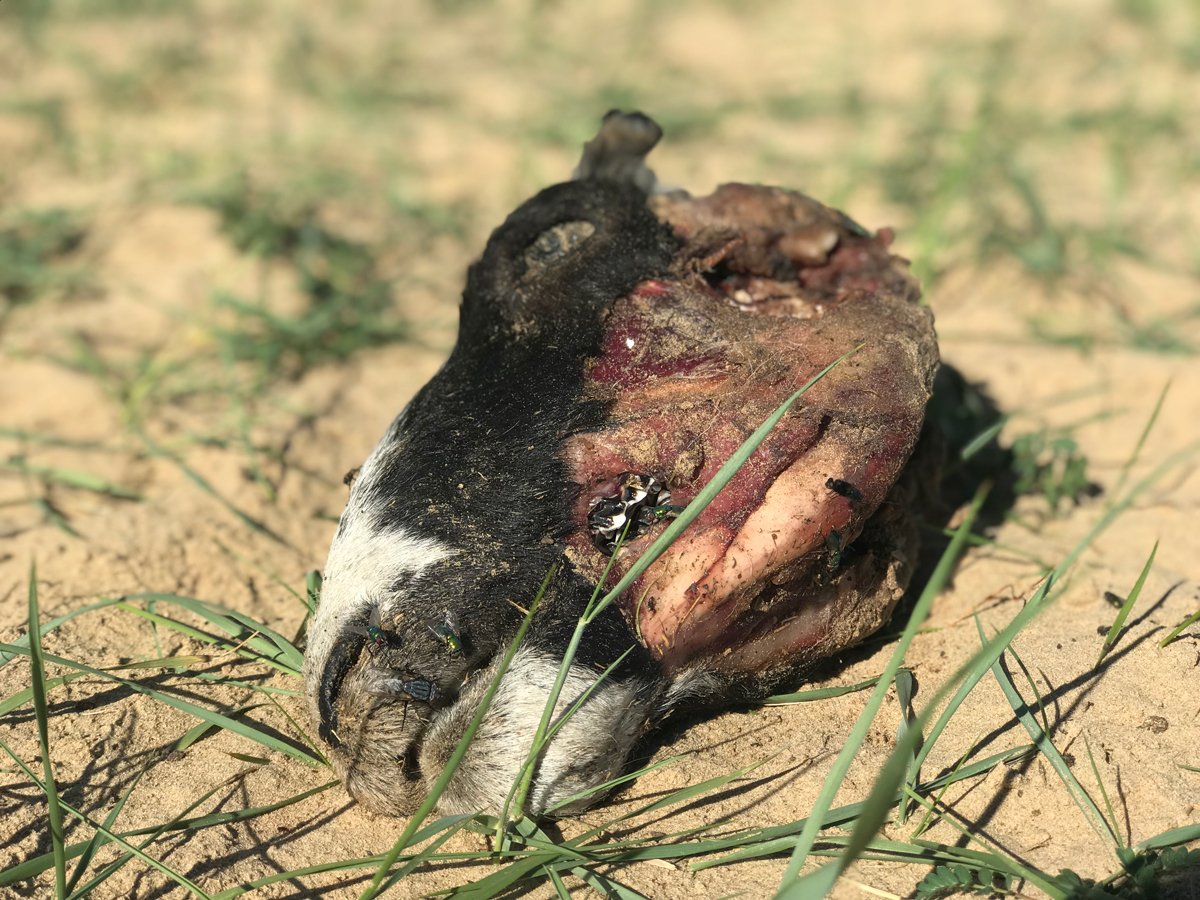
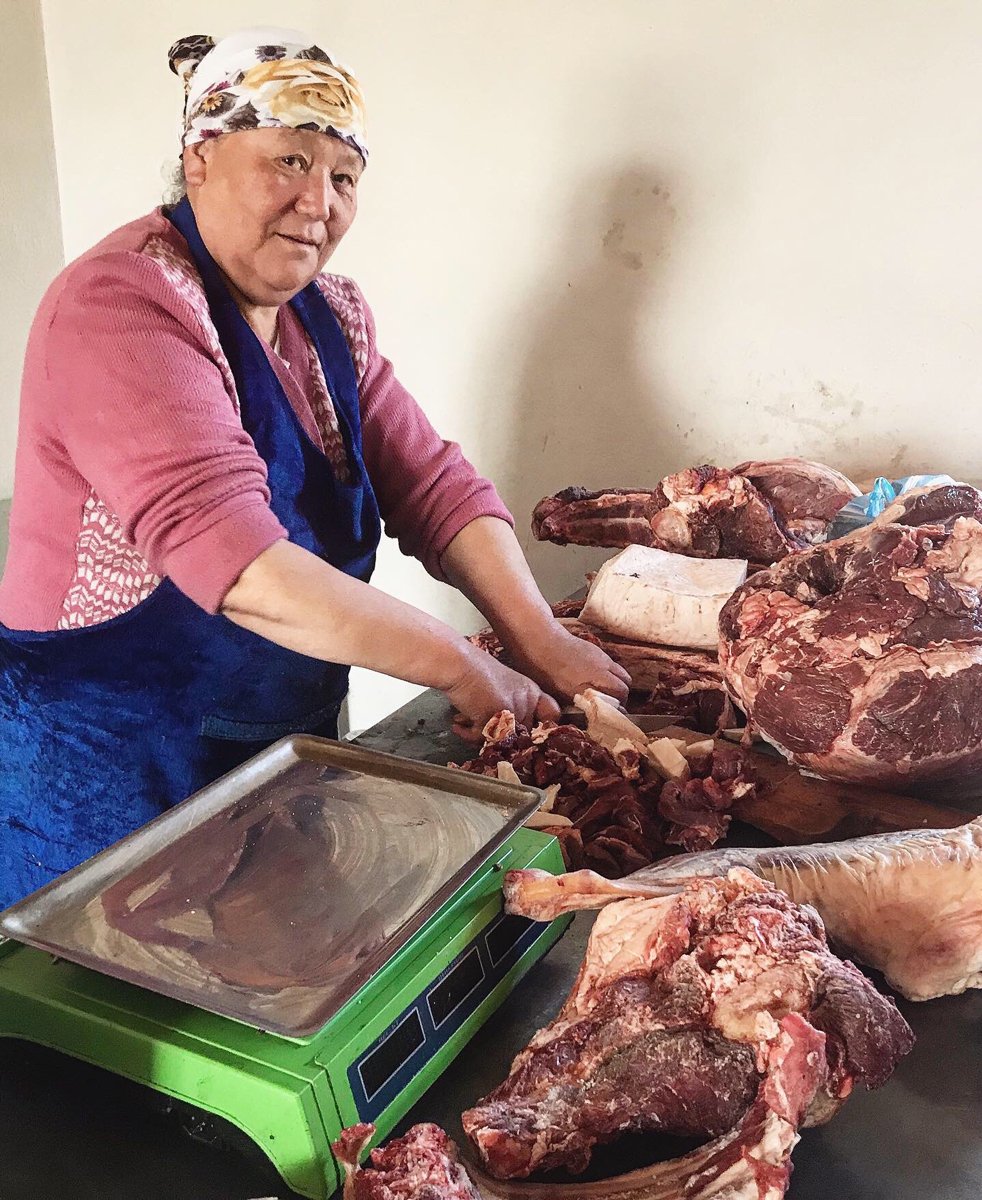
We ate every form of mystery meat imaginable.
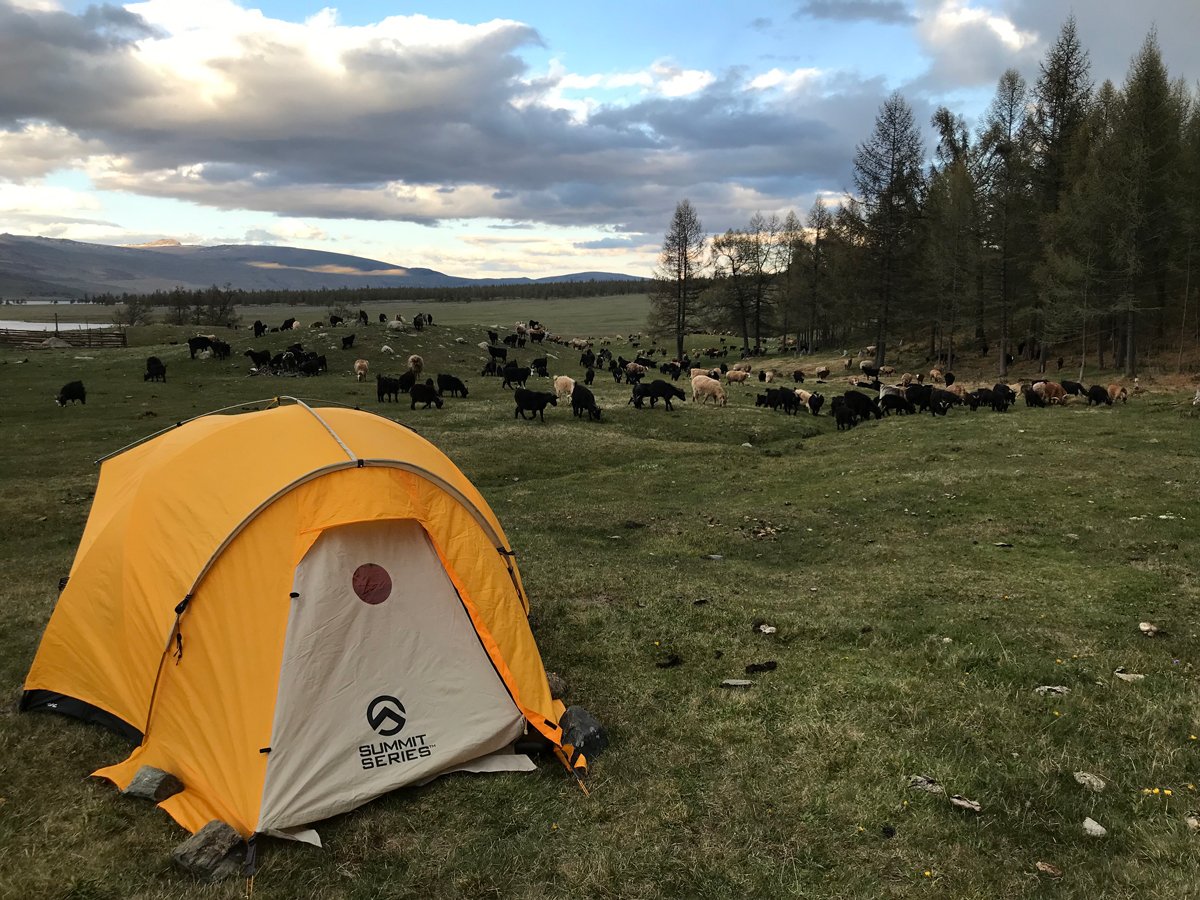
John got bitten by a dog and needed rabies shots. We had a memorable encounter with a group of Russians on motorcycles — one best left undocumented. We camped, stayed with nomadic families, and moved across landscapes that felt untouched by time.
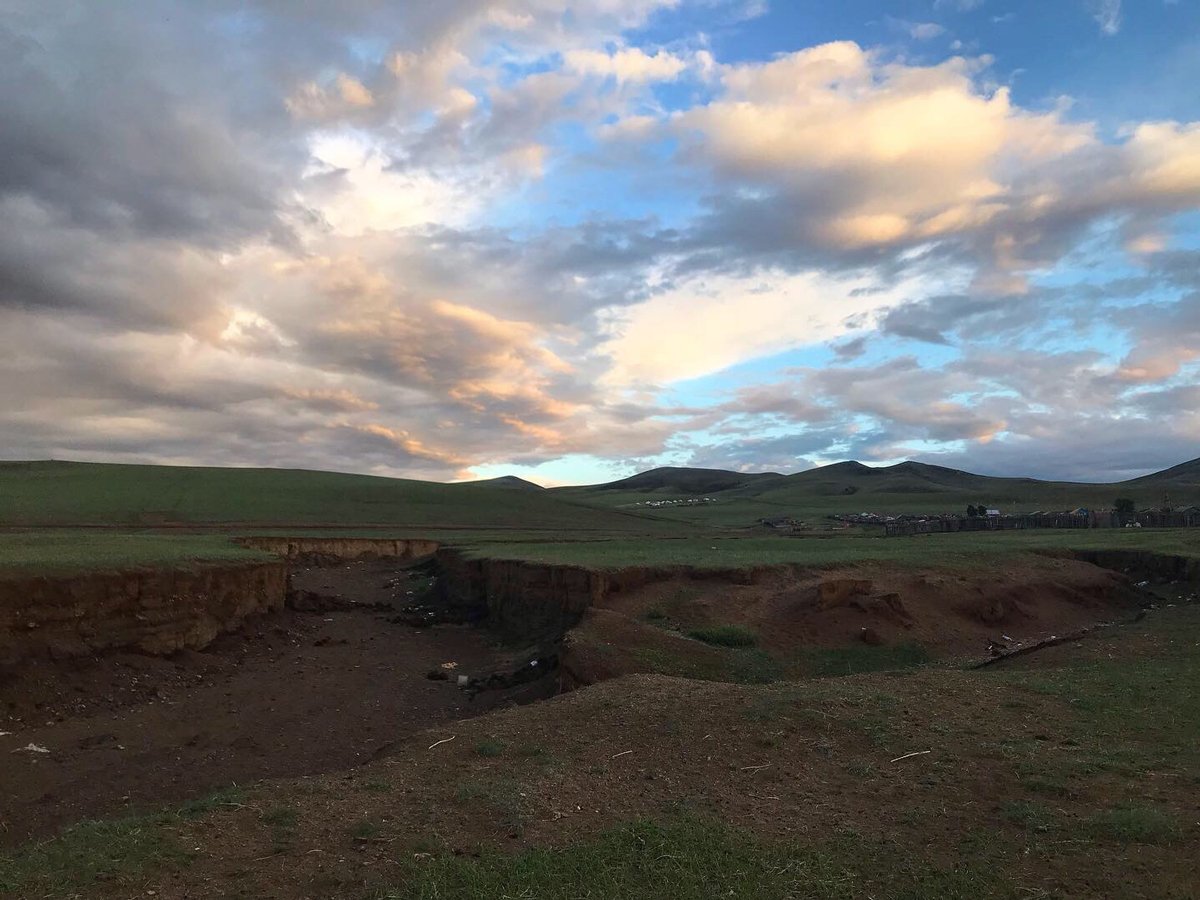
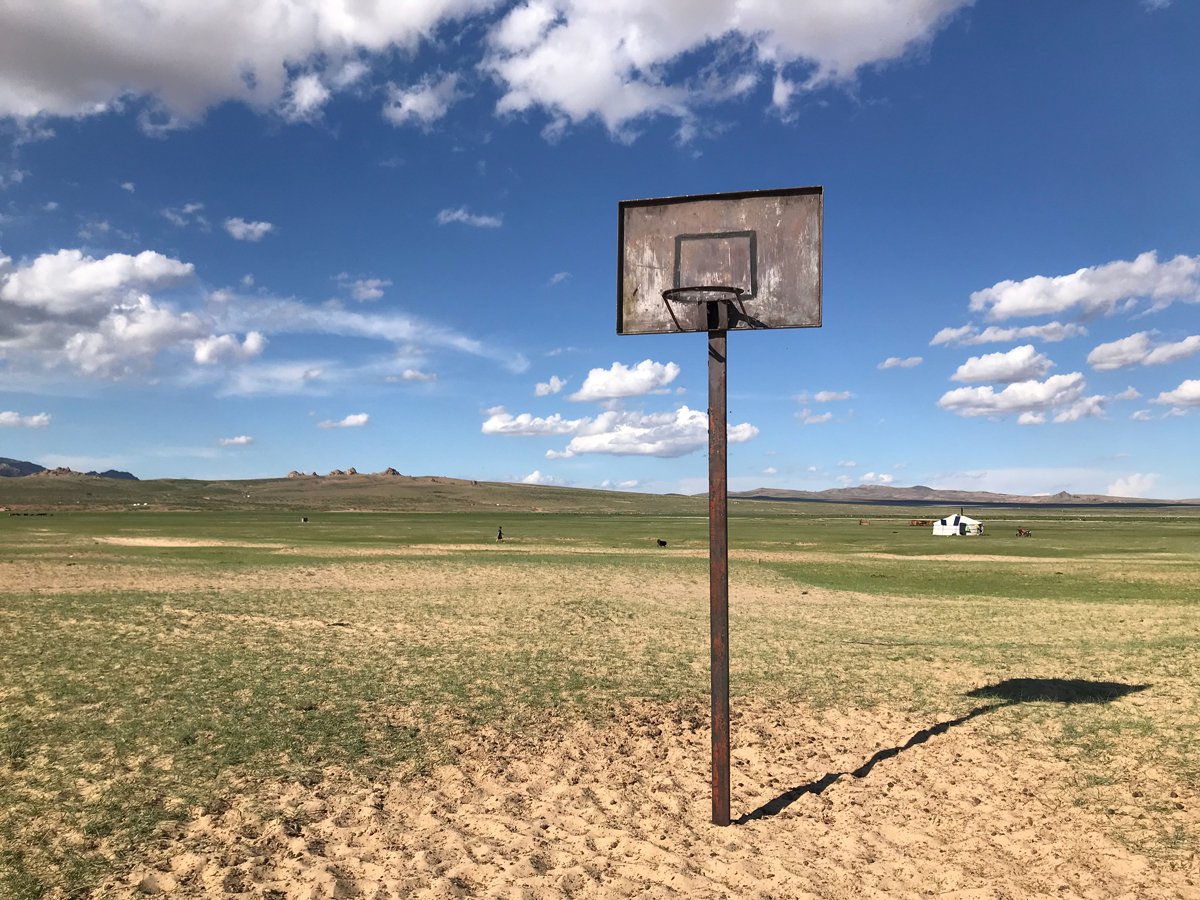
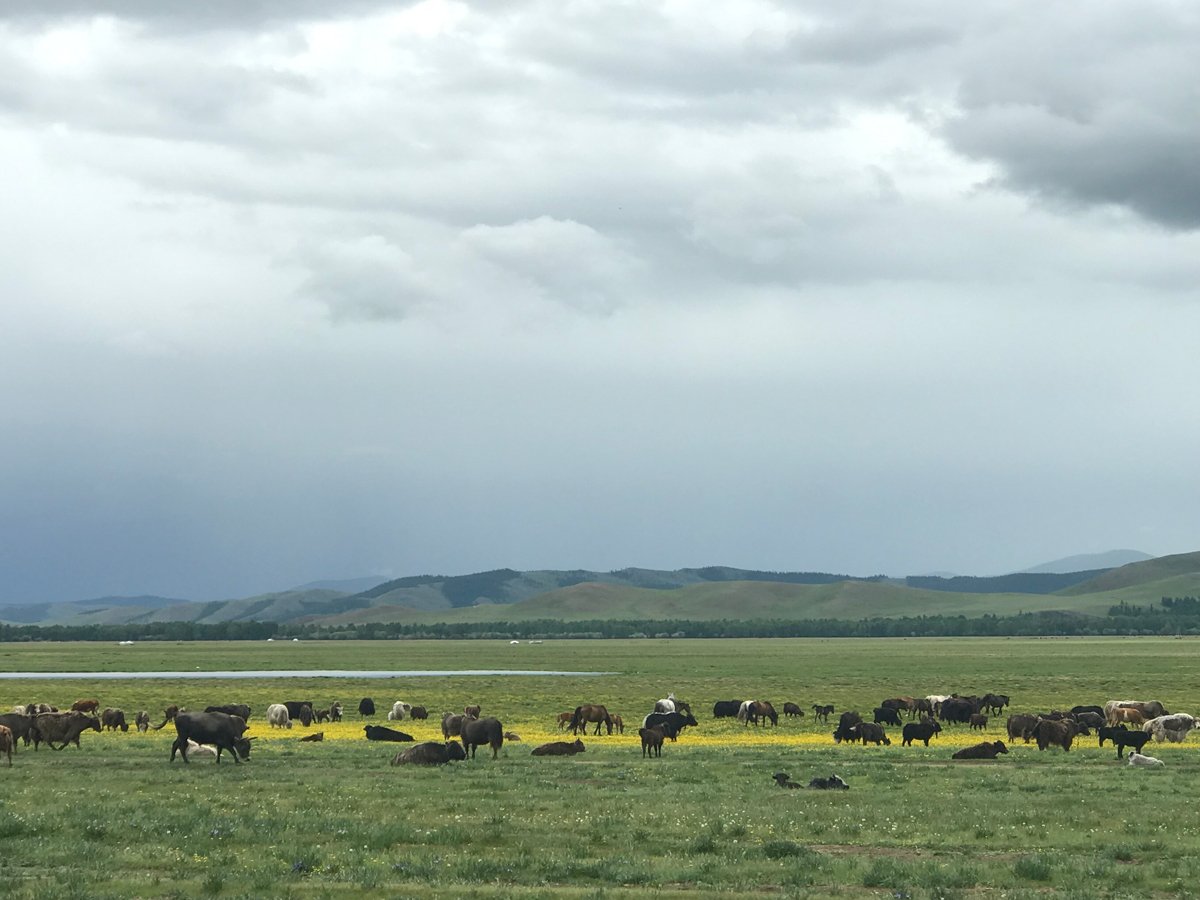
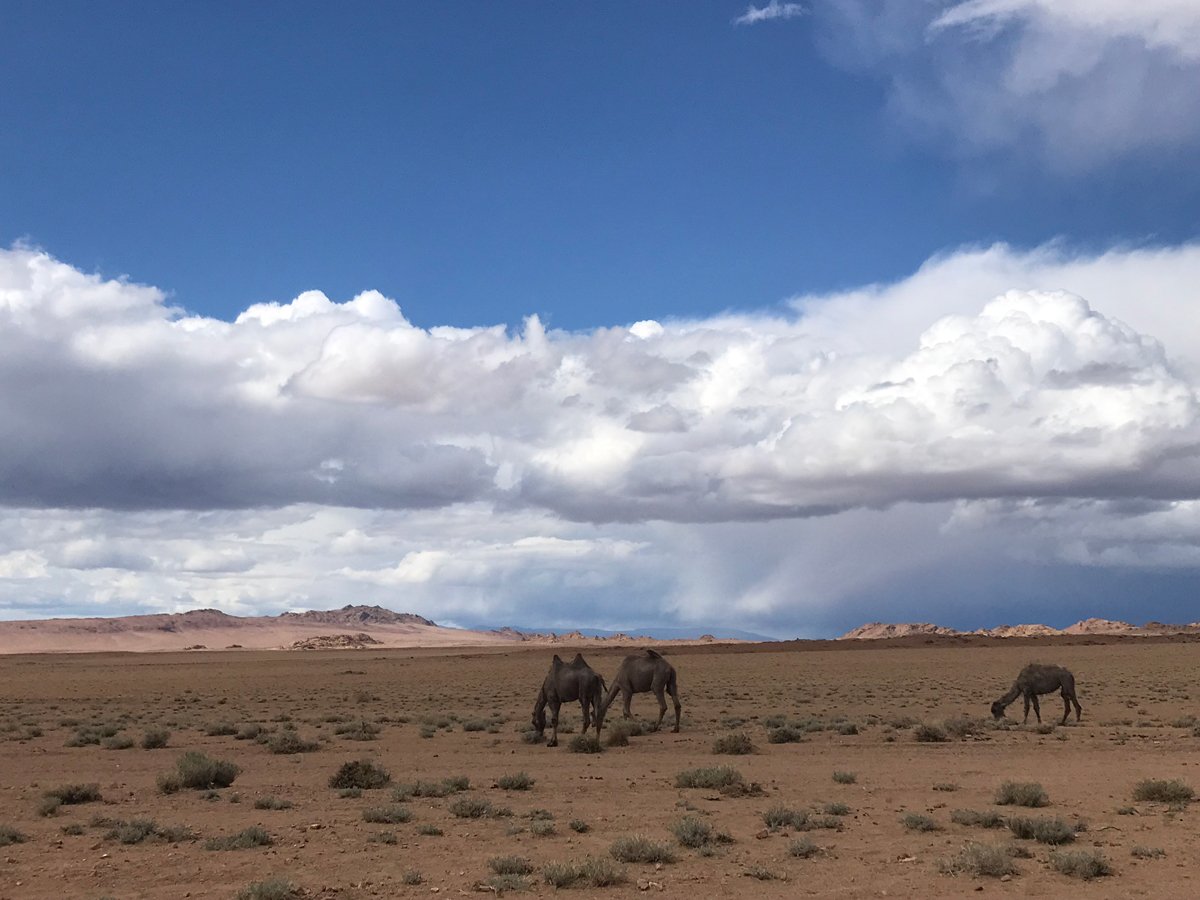
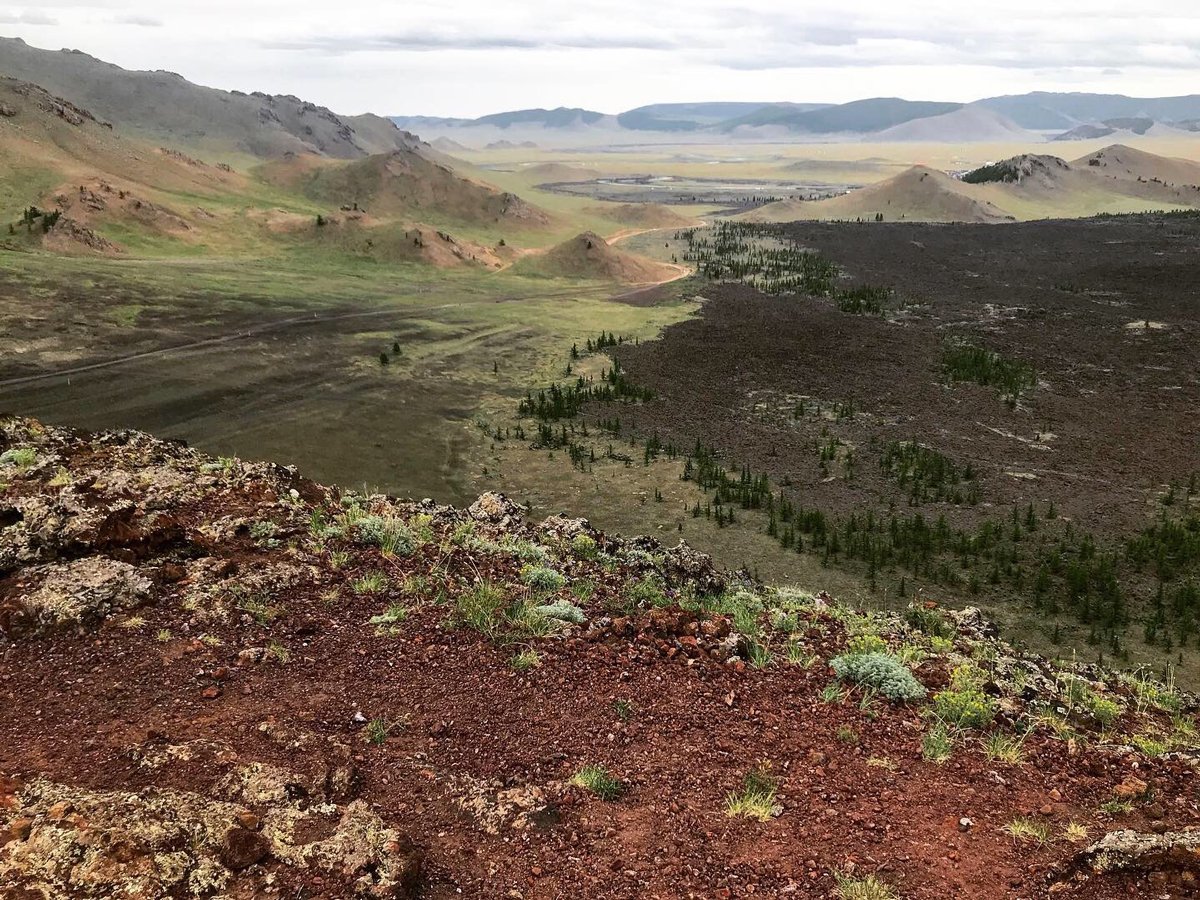
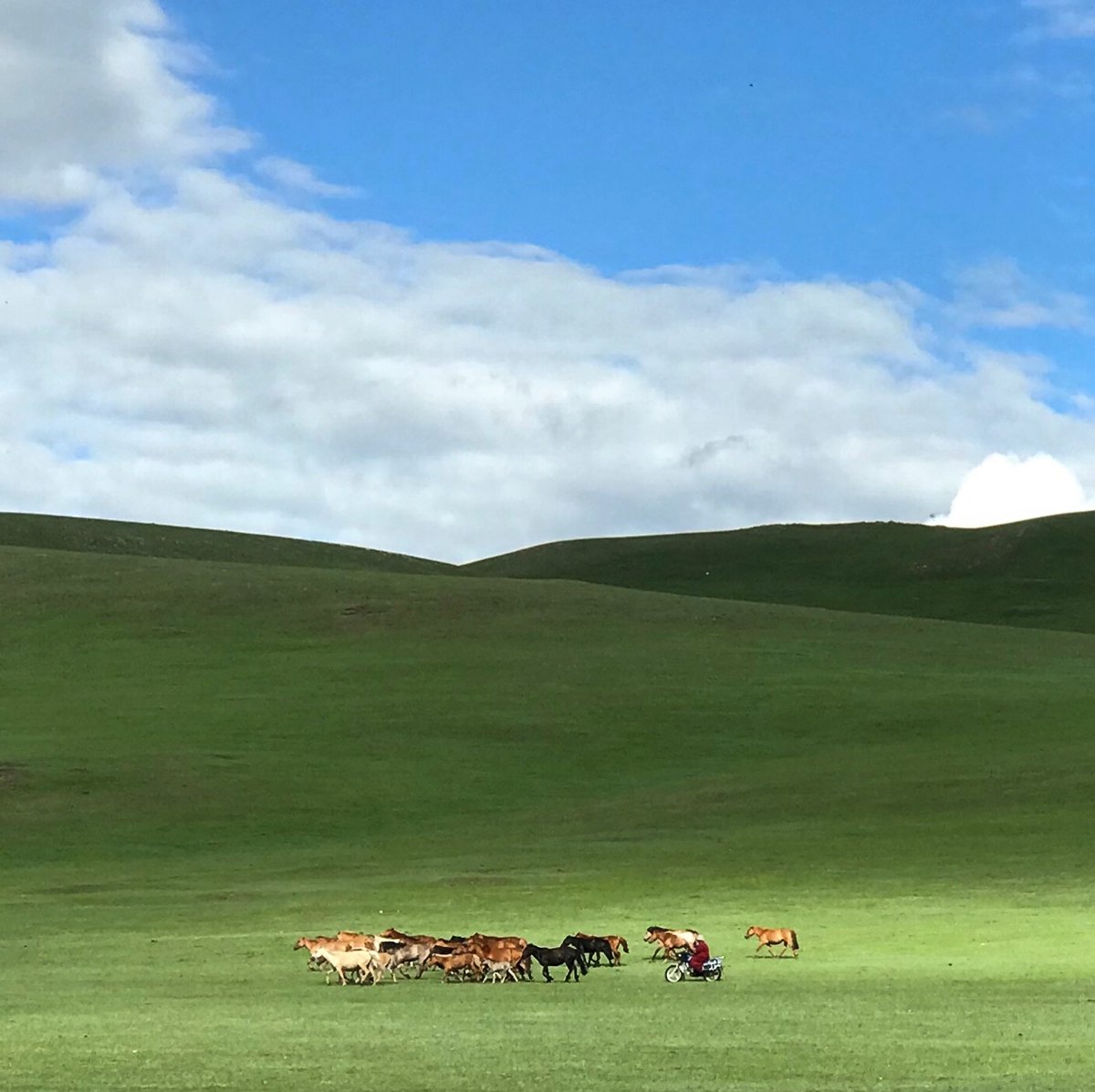
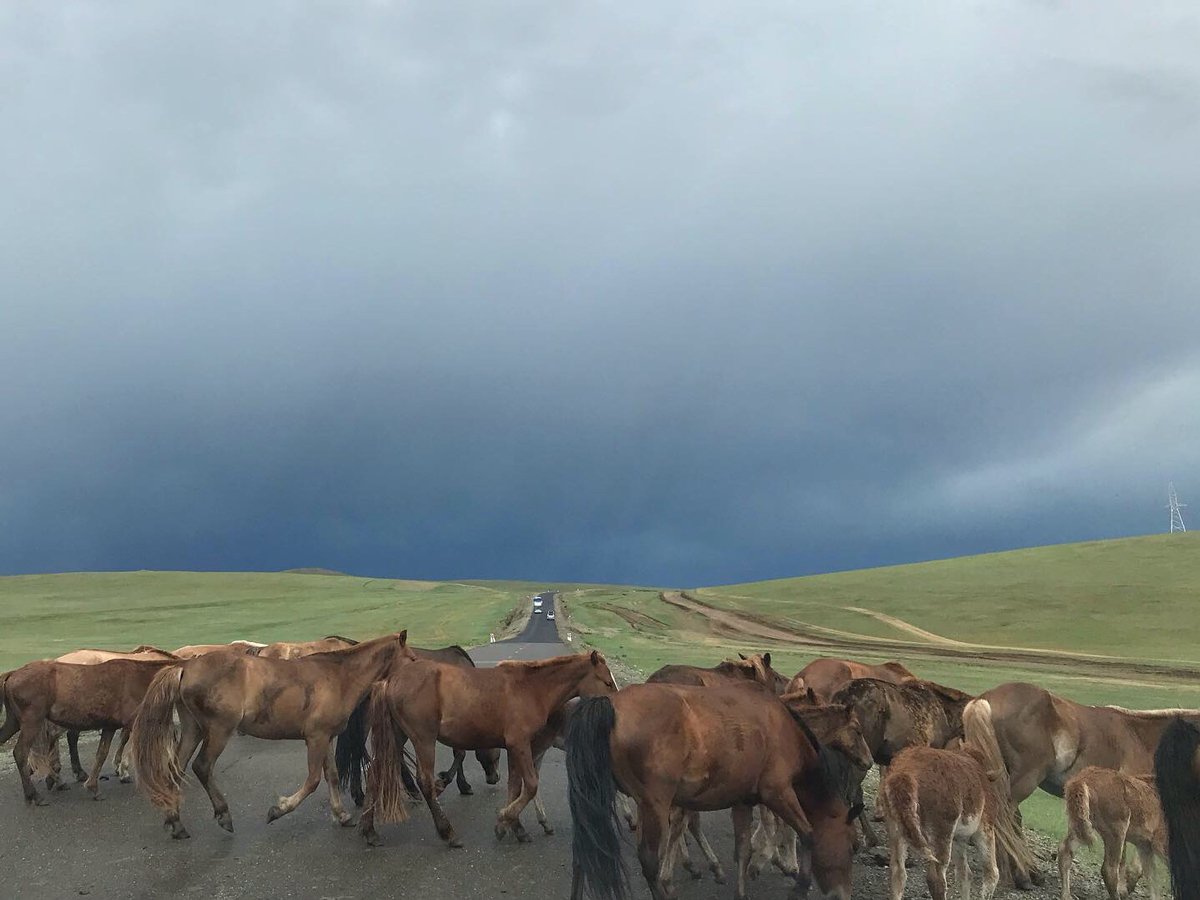
Mongolia has roughly six million people — and nearly as many wild horses. About half the population lives in Ulaanbaatar. The rest are spread thin across a country the size of Alaska, making it one of the least densely populated places on Earth.
And you feel that emptiness in your bones.
Driving Mongolia the Hard Way
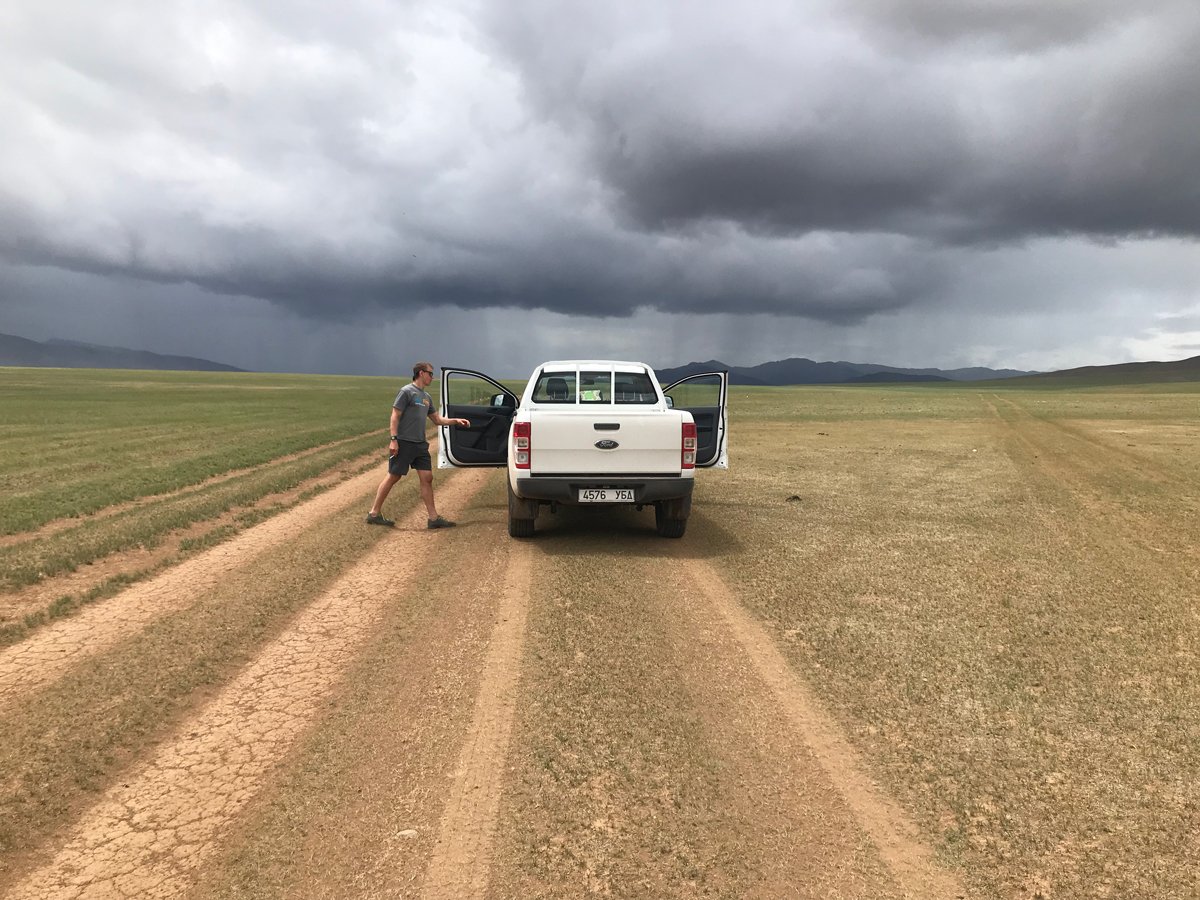
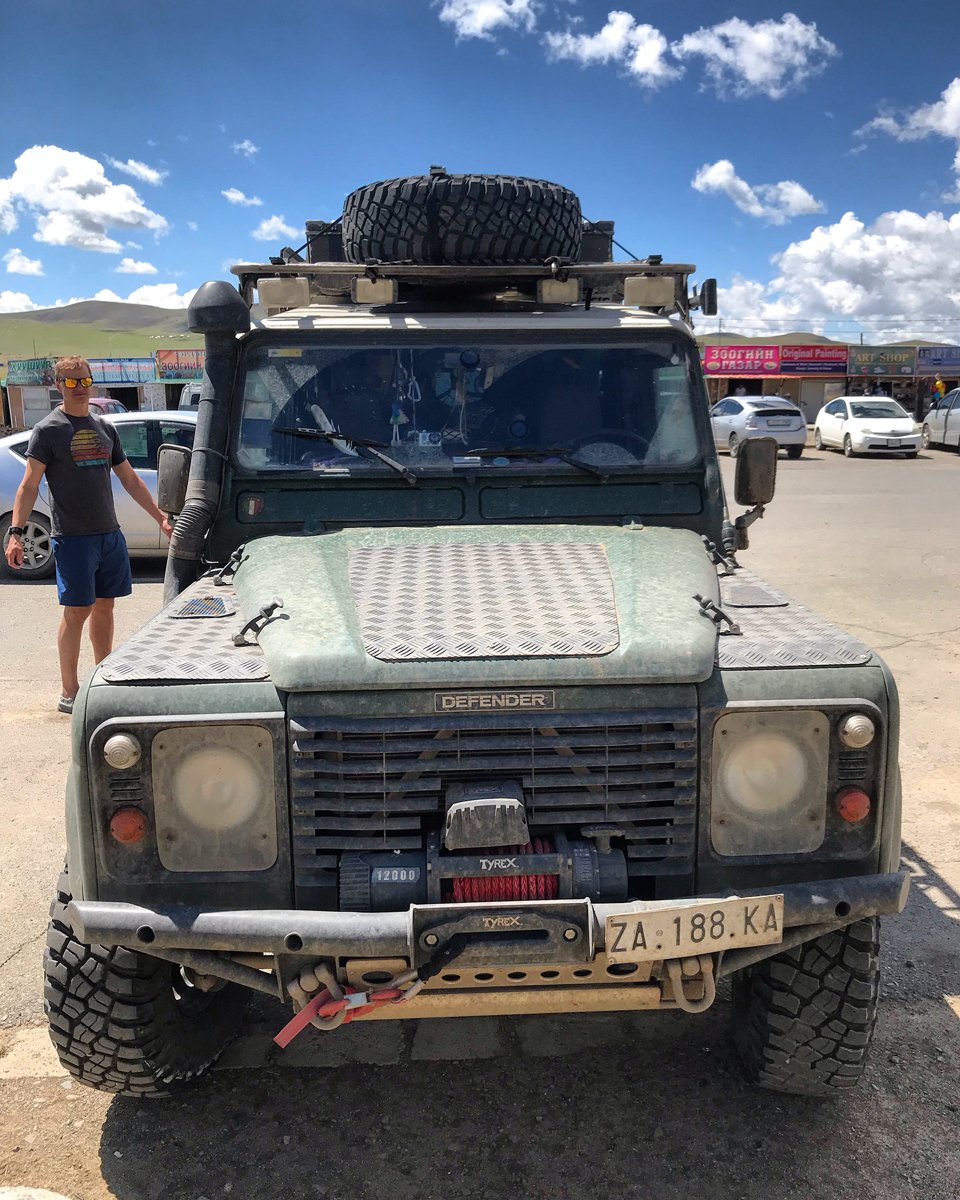
After the trek, John and I rented the only vehicle available in town — a Ford Ranger. Two Americans driving a Ford across Mongolia felt oddly poetic.
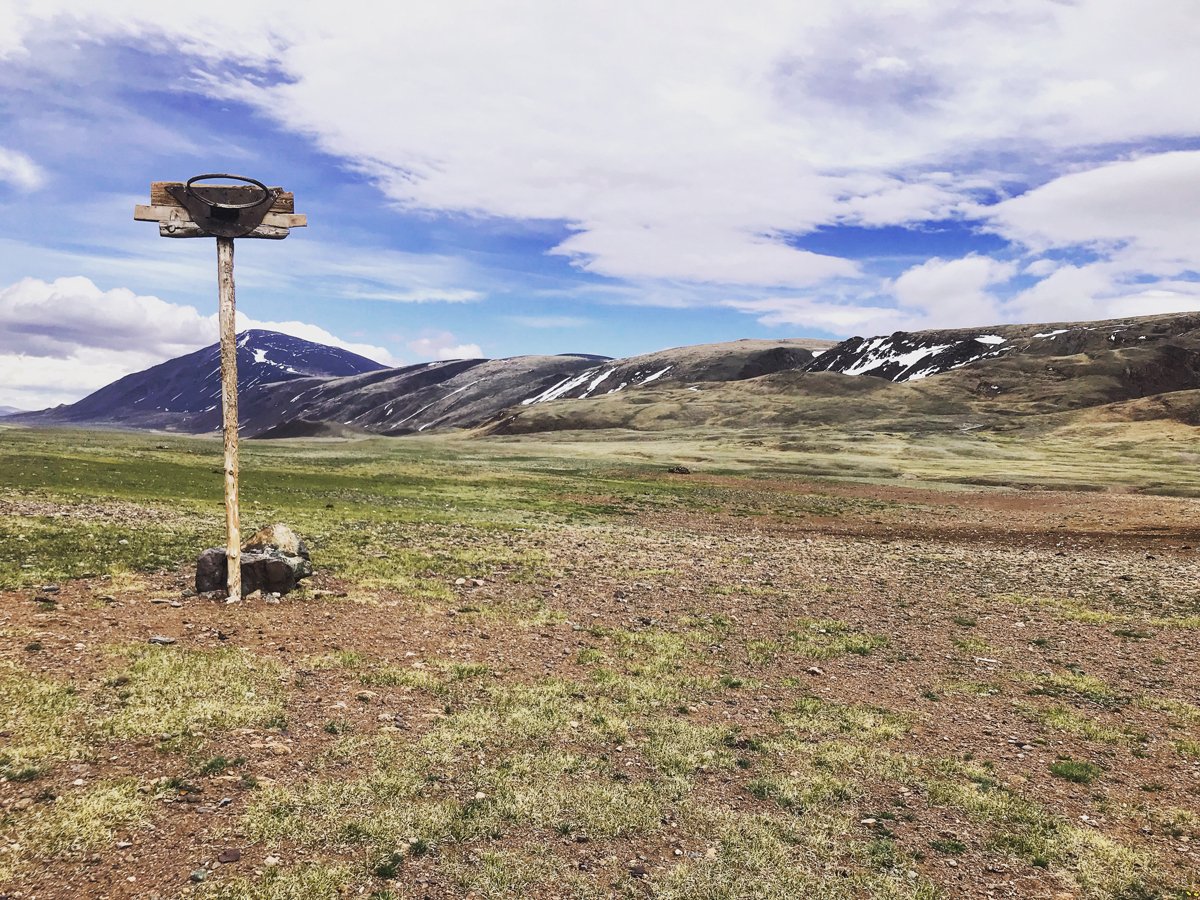
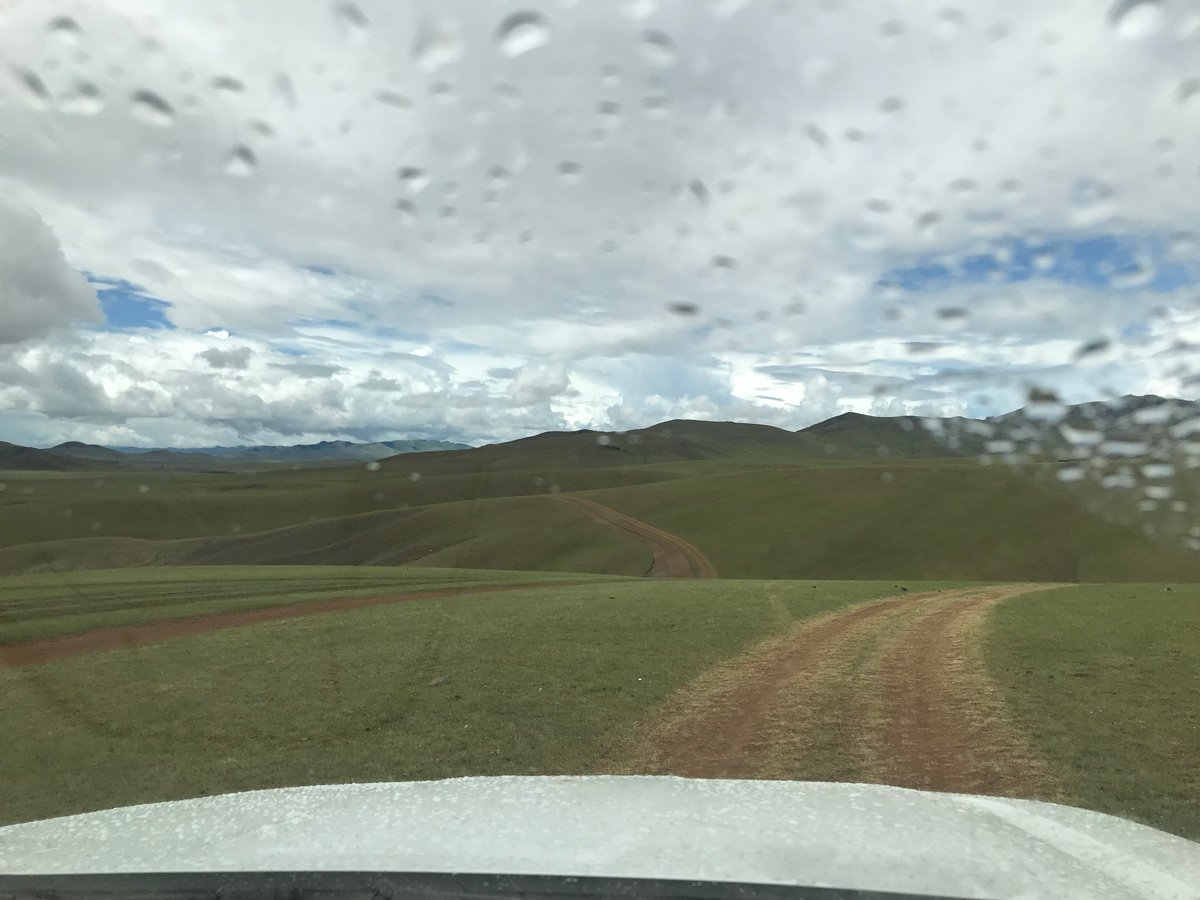
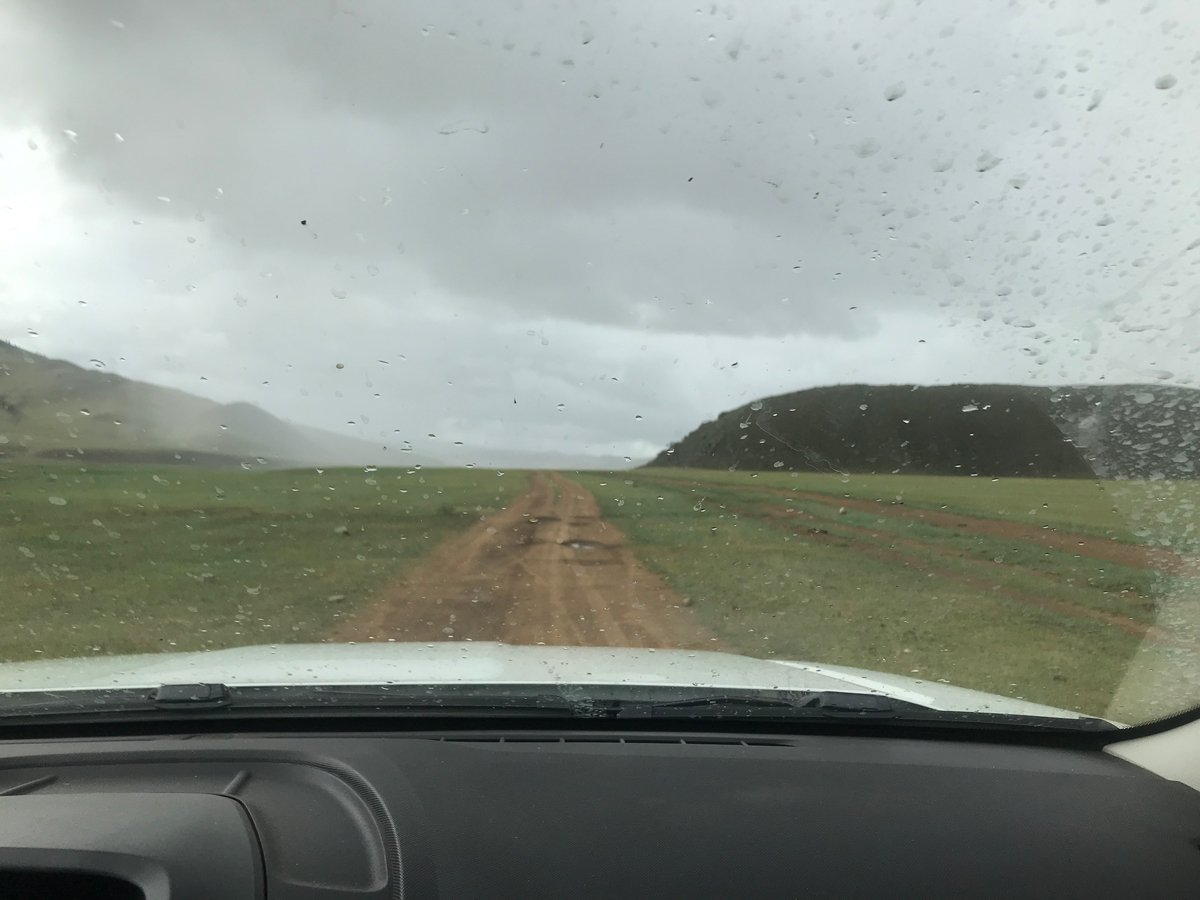
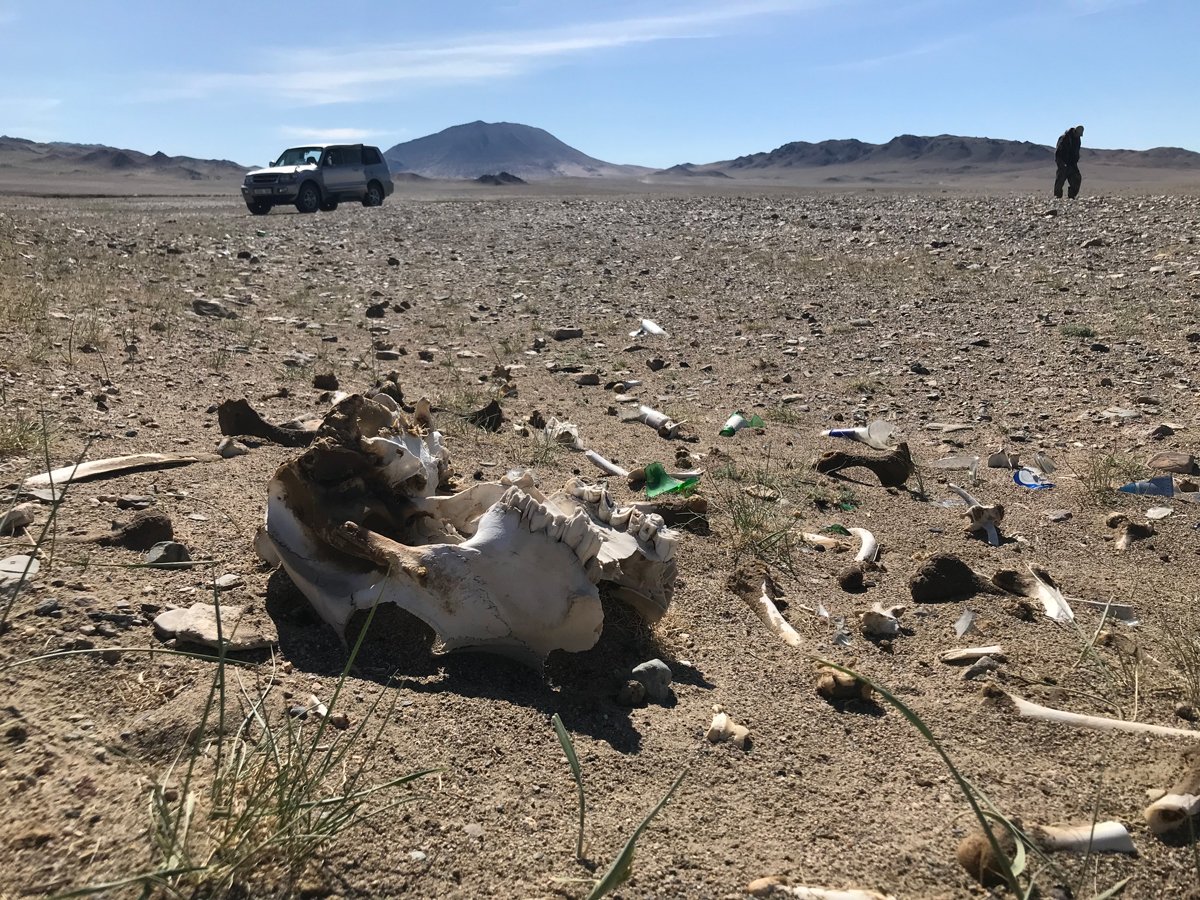
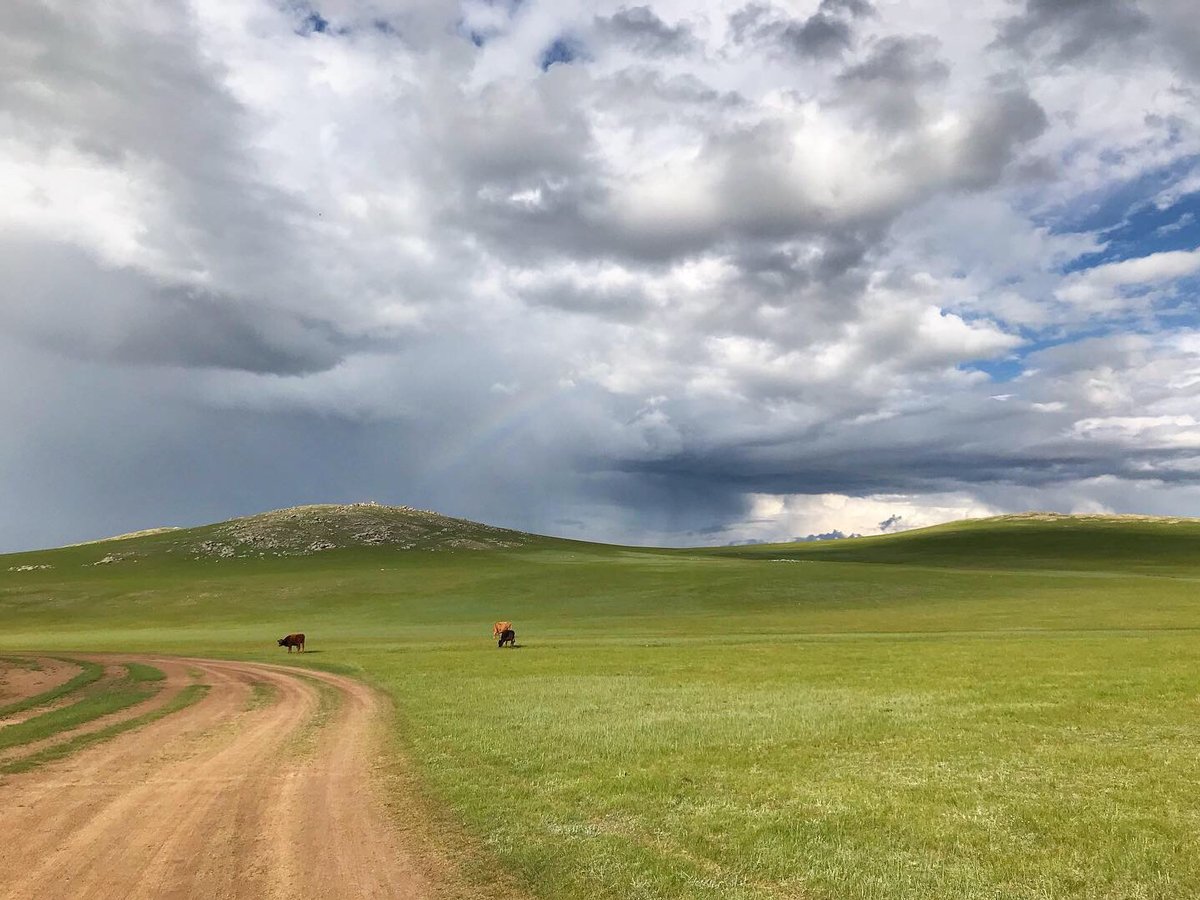
What followed was days of driving on what can barely be called roads — dirt tracks carved into nothing, where the only guidance is the tire marks ahead of you. You might pass another vehicle once every couple of hours. iPhone GPS is useless. A Garmin is your best friend.
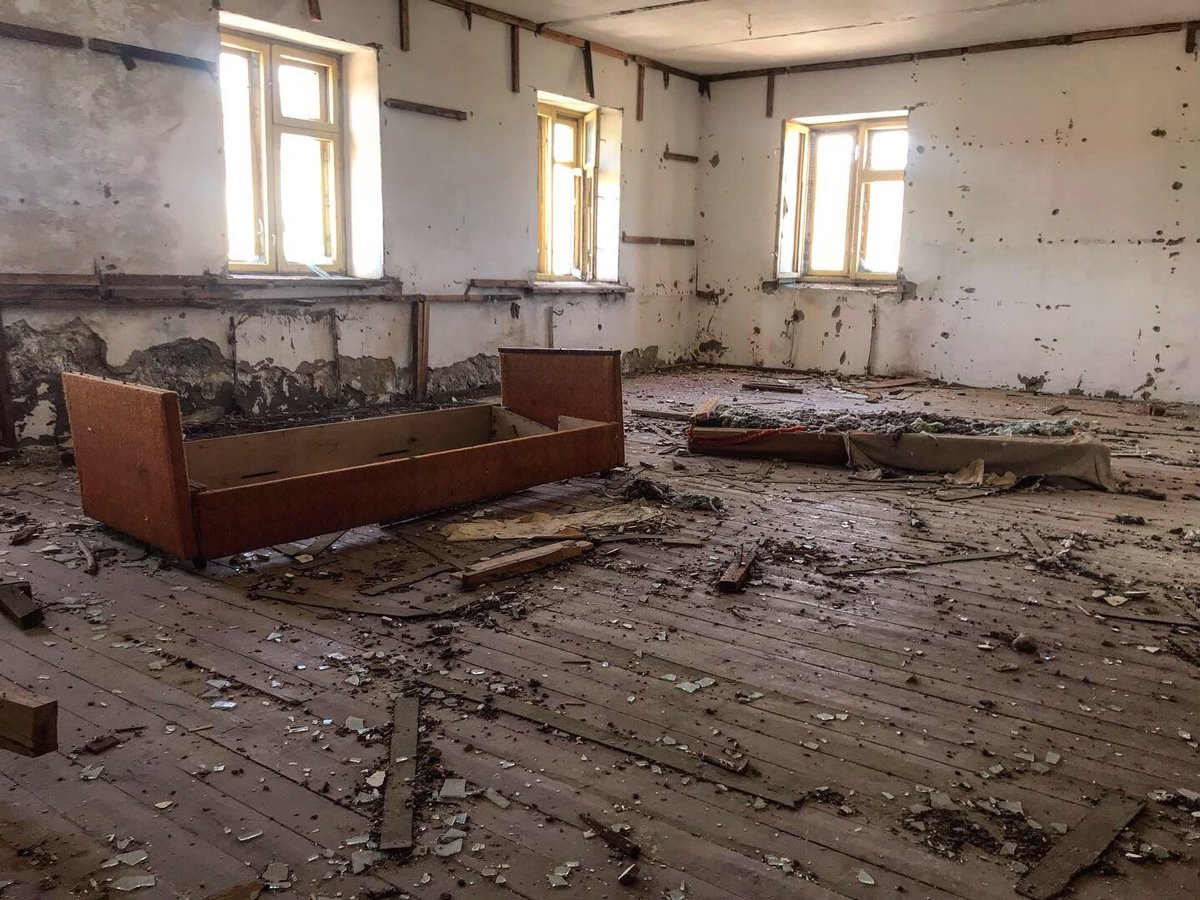
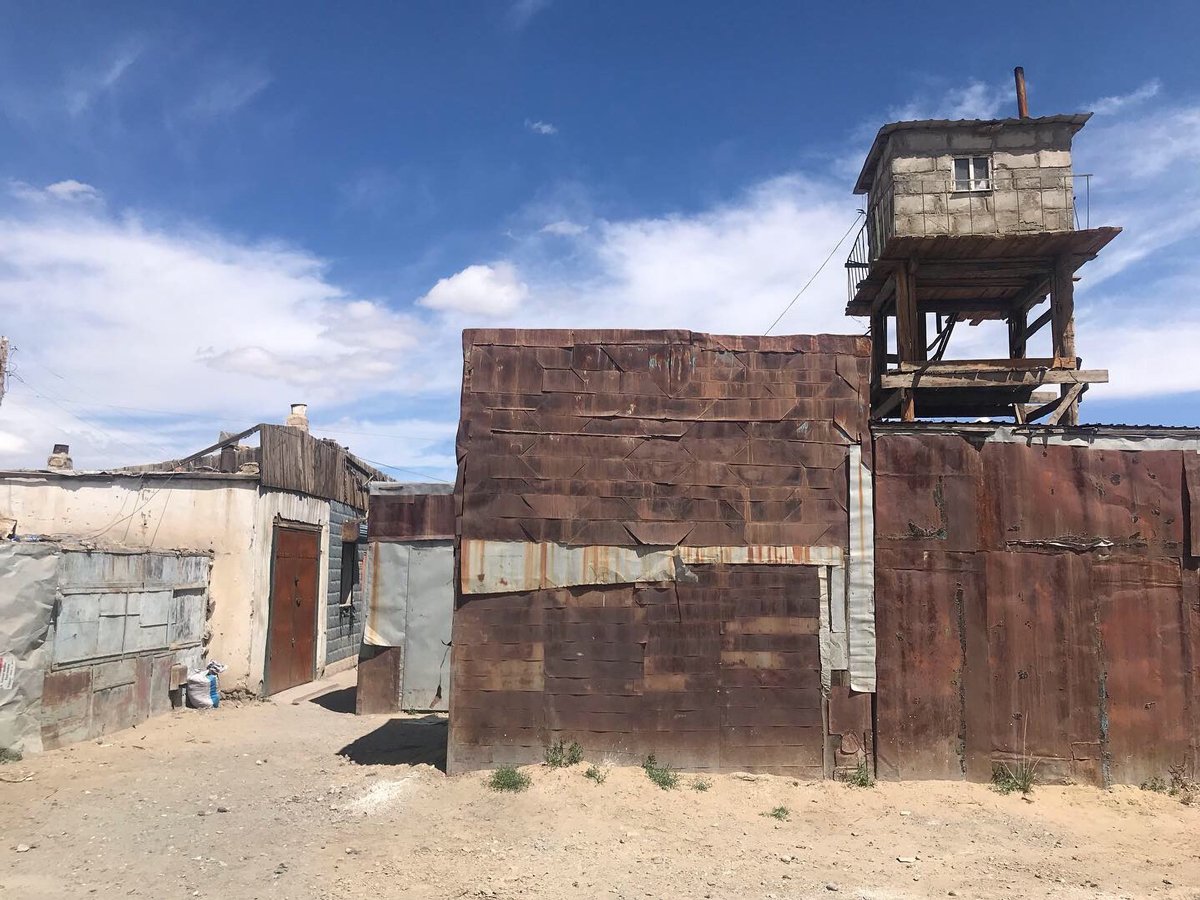
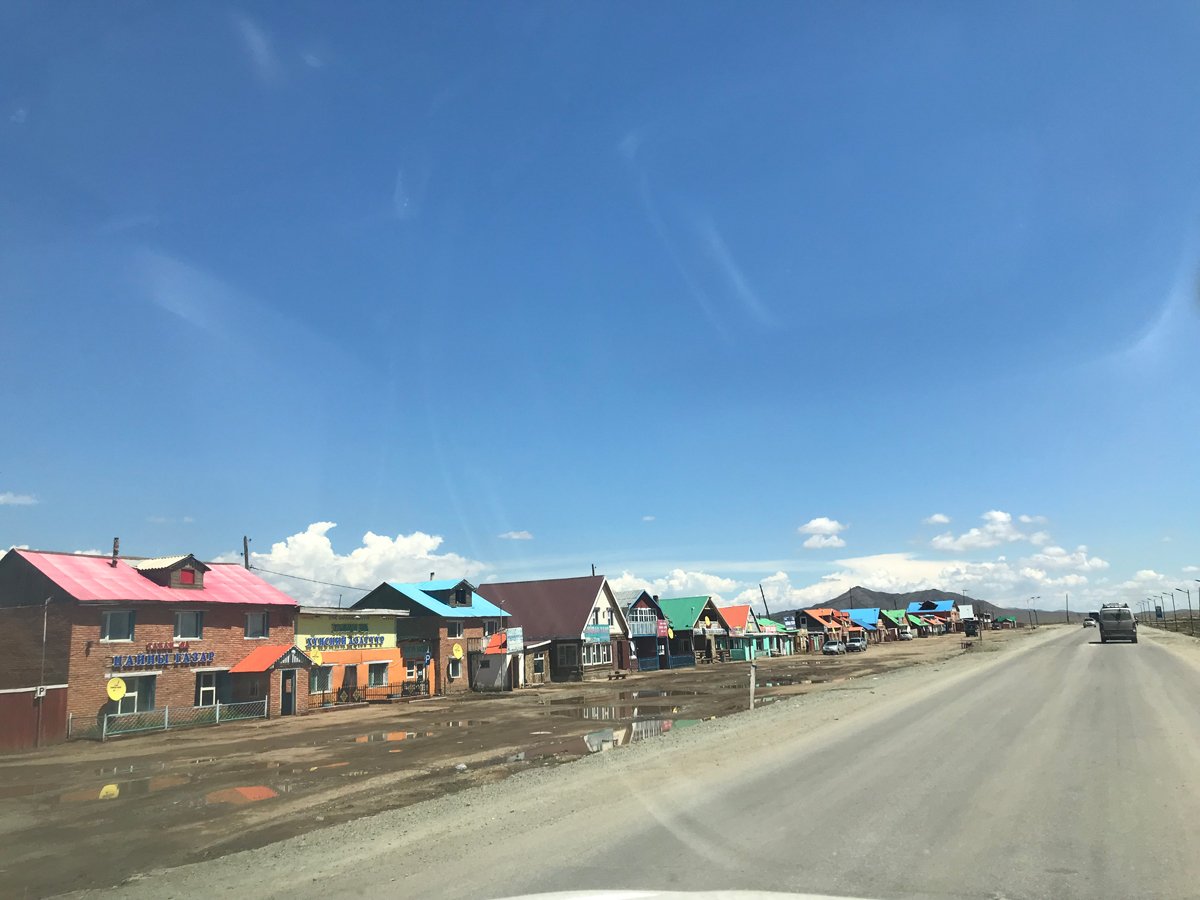
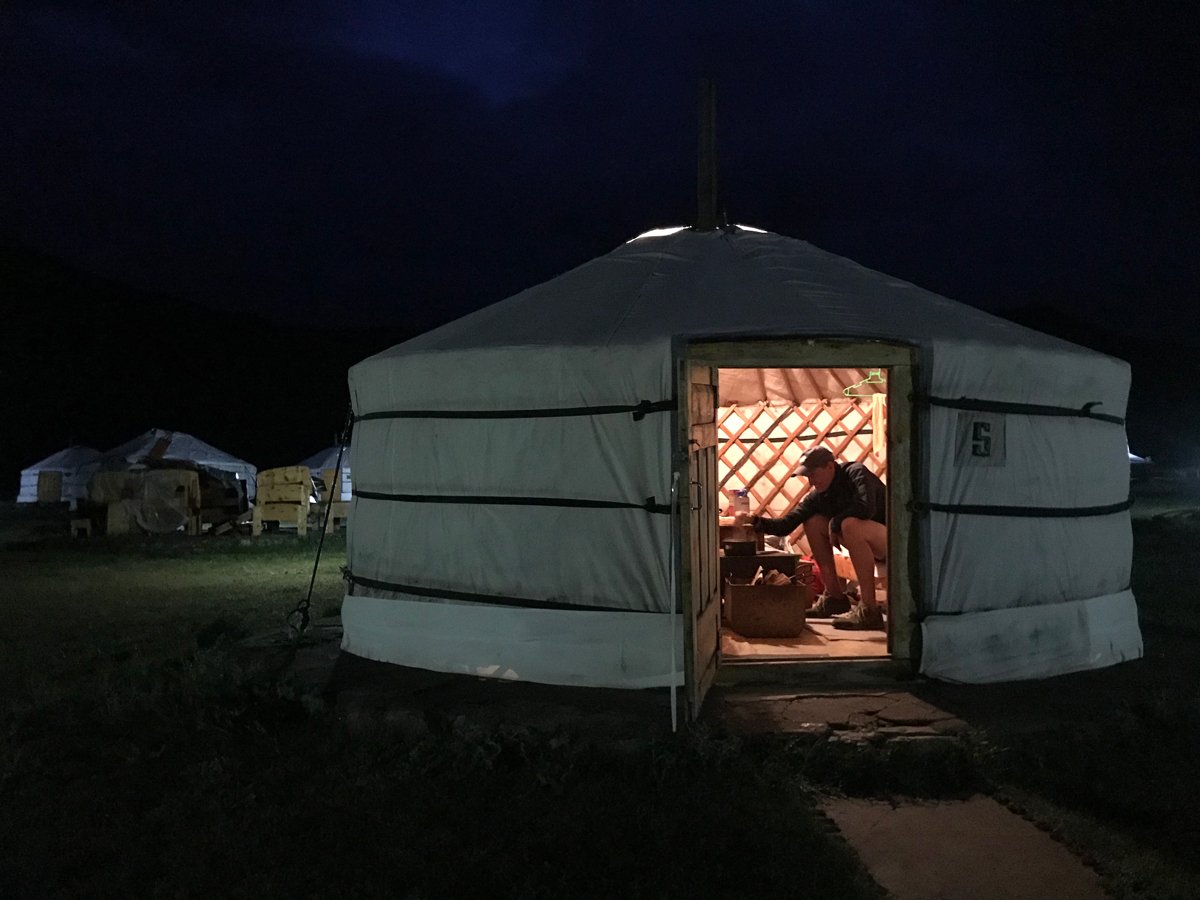
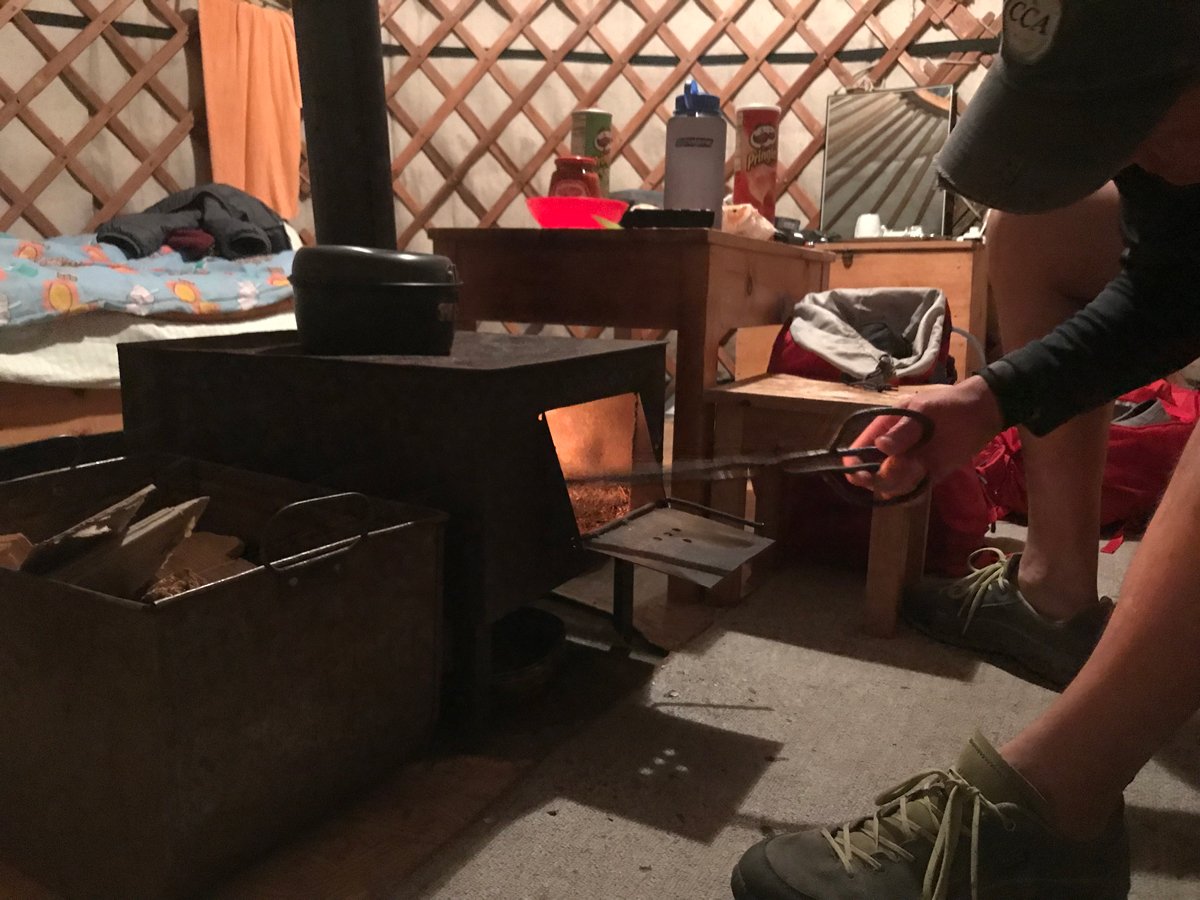
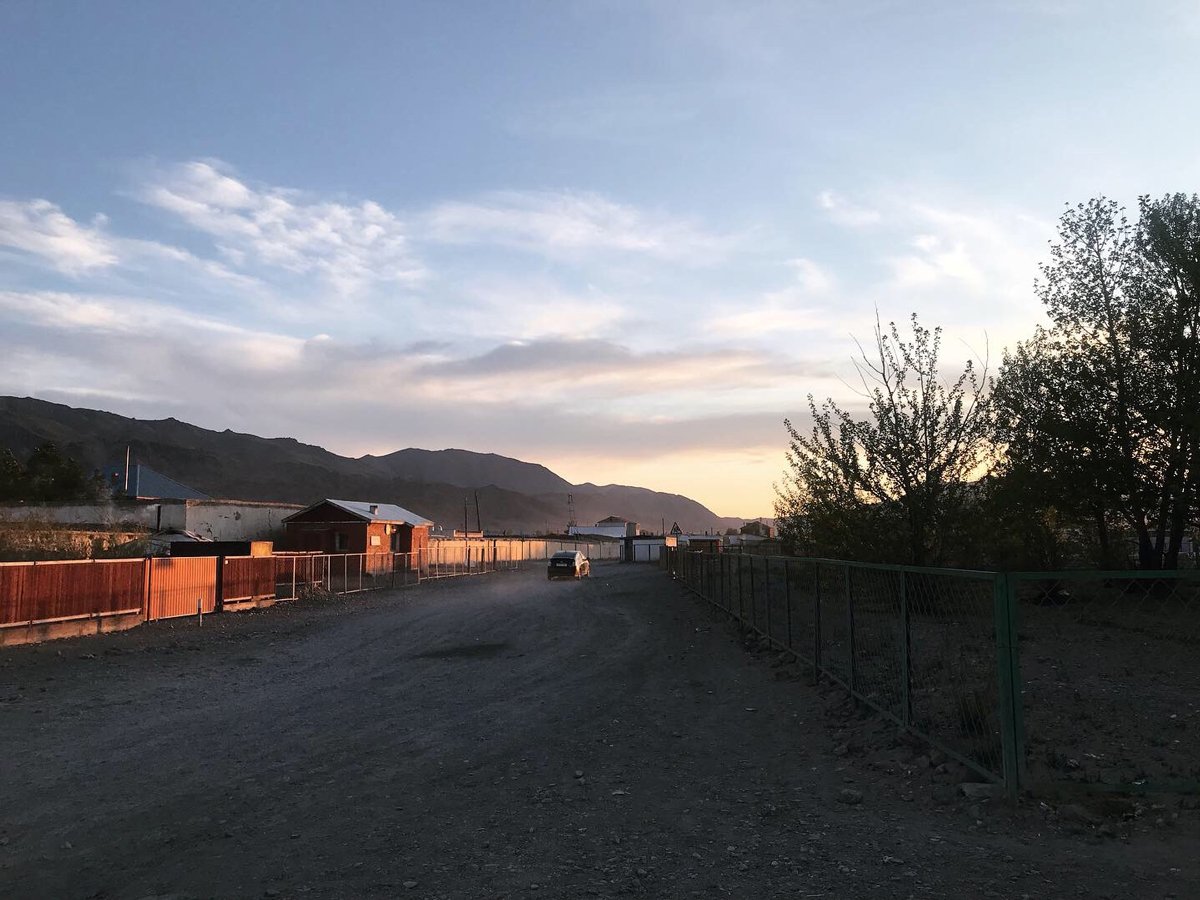
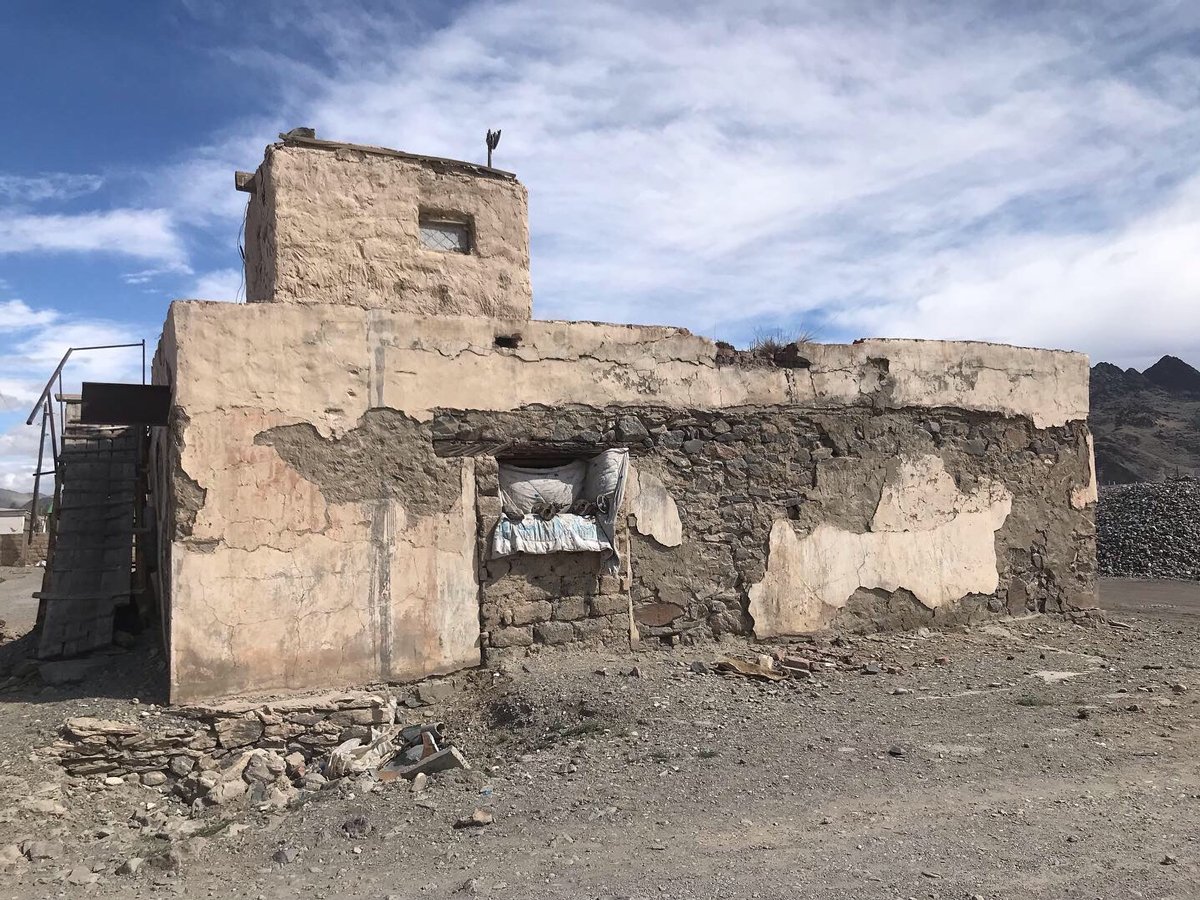
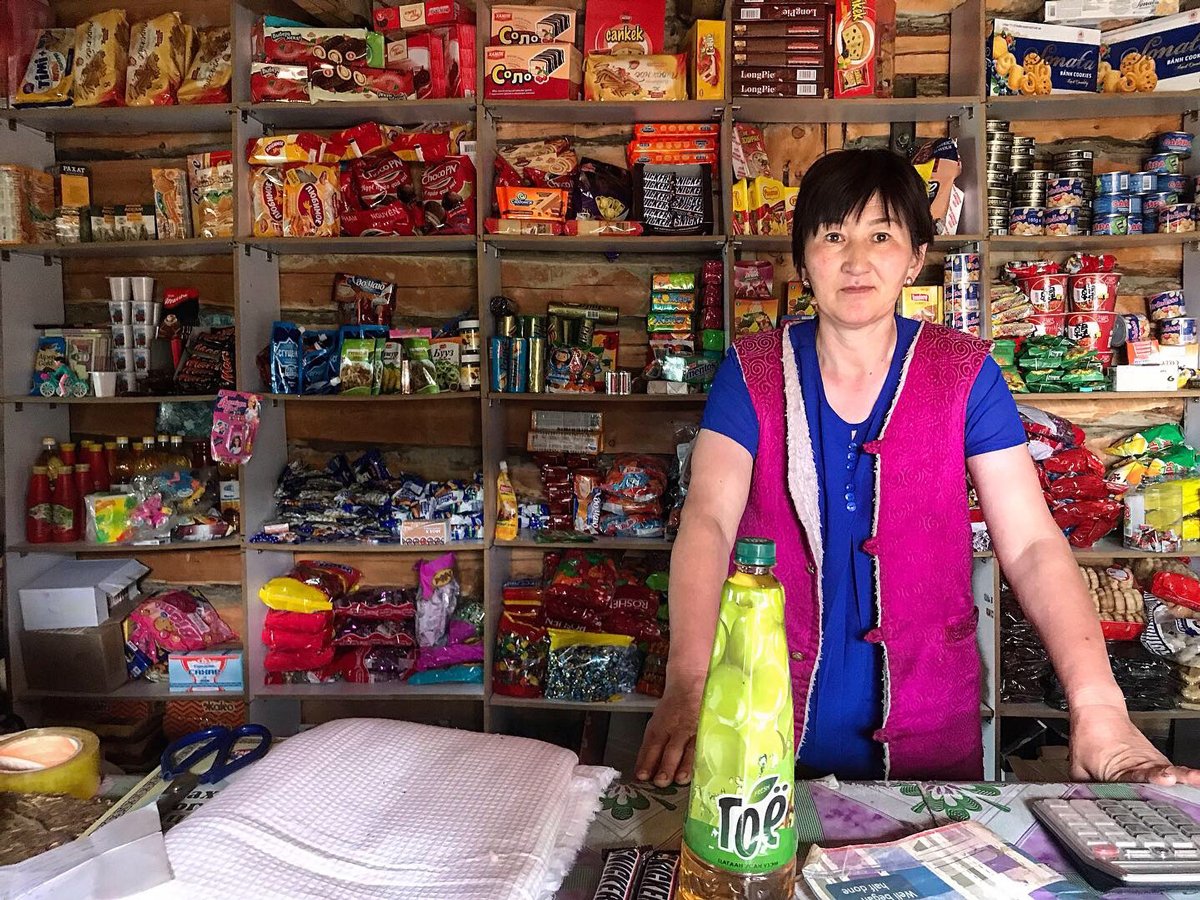
We stayed in yurts with families who welcomed us like old friends. In the occasional town — places like Uliastai — we’d find basic hotels and no real sense of where we were or what the next day would bring.
And yet, nothing ever went wrong.
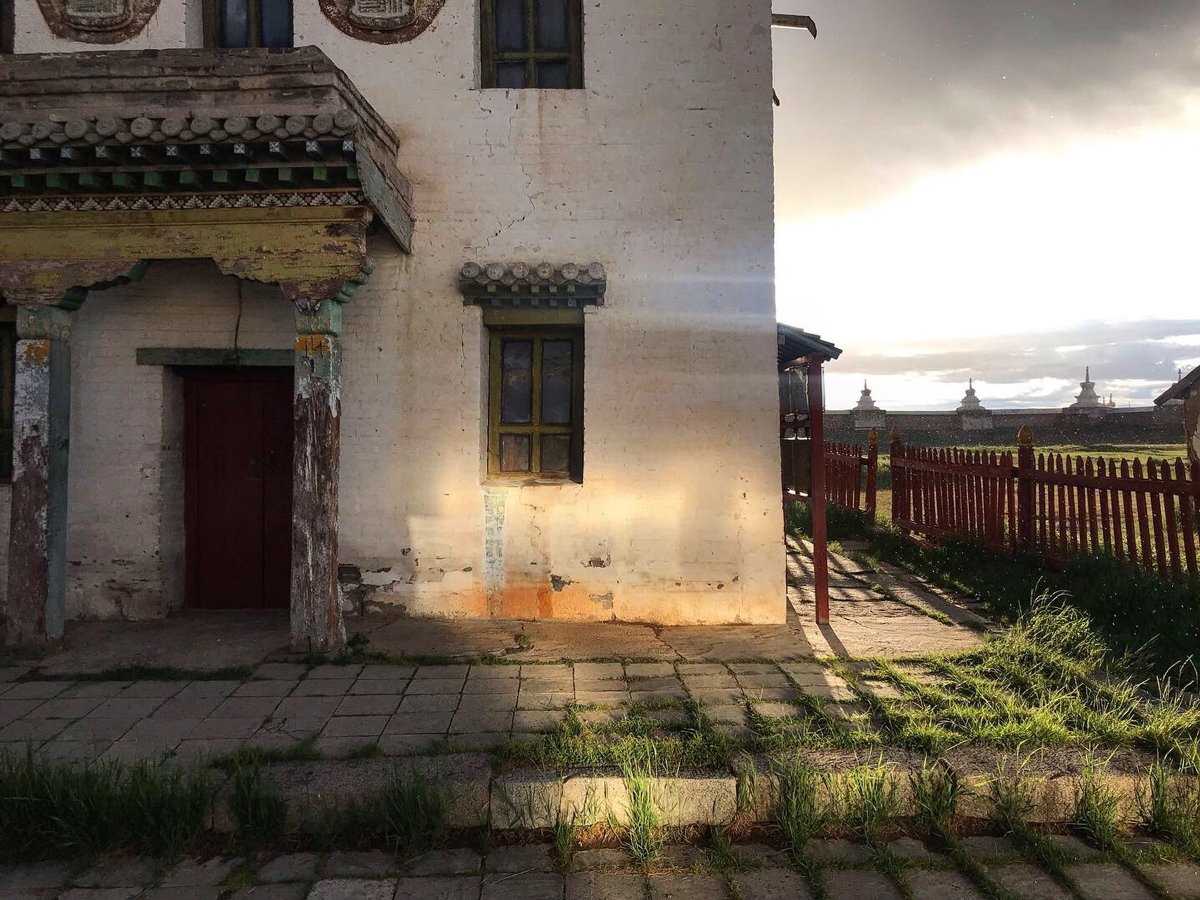
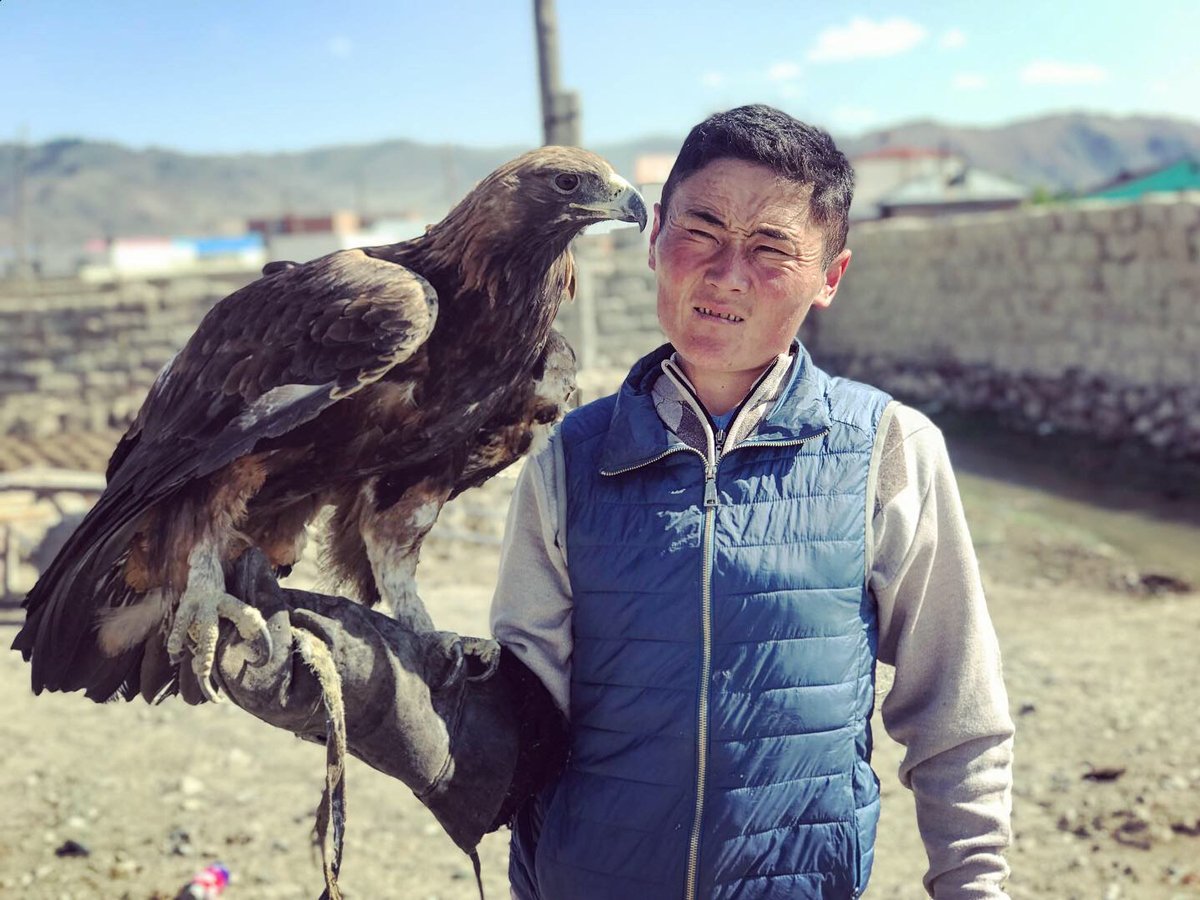
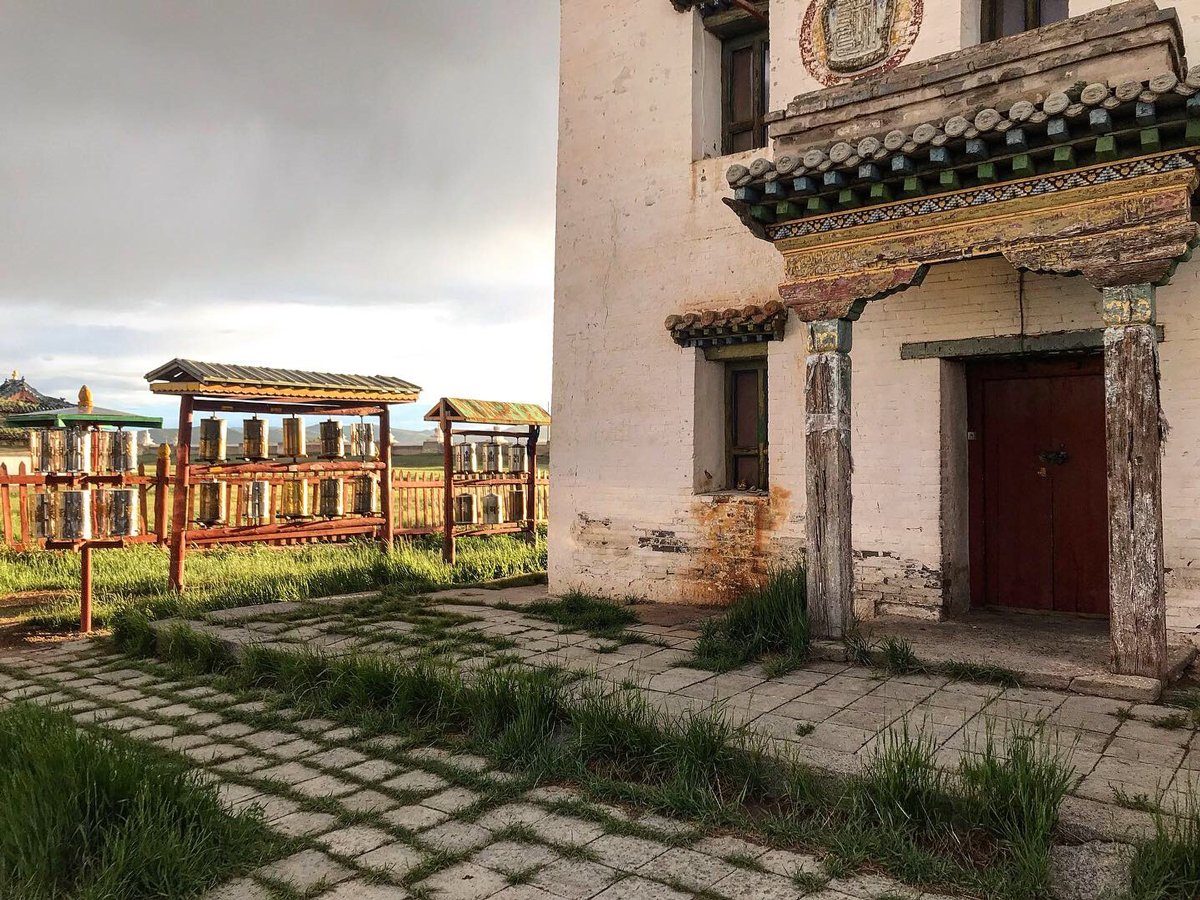
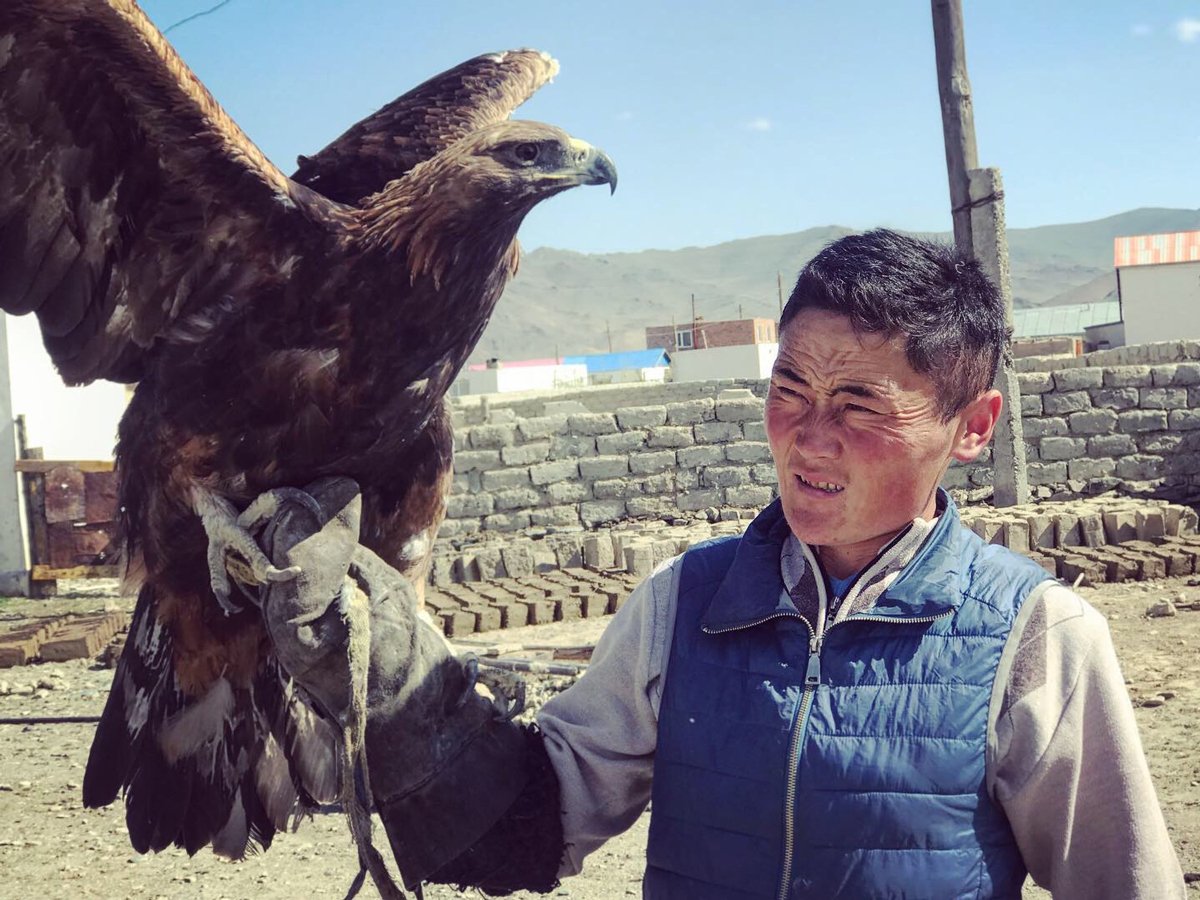
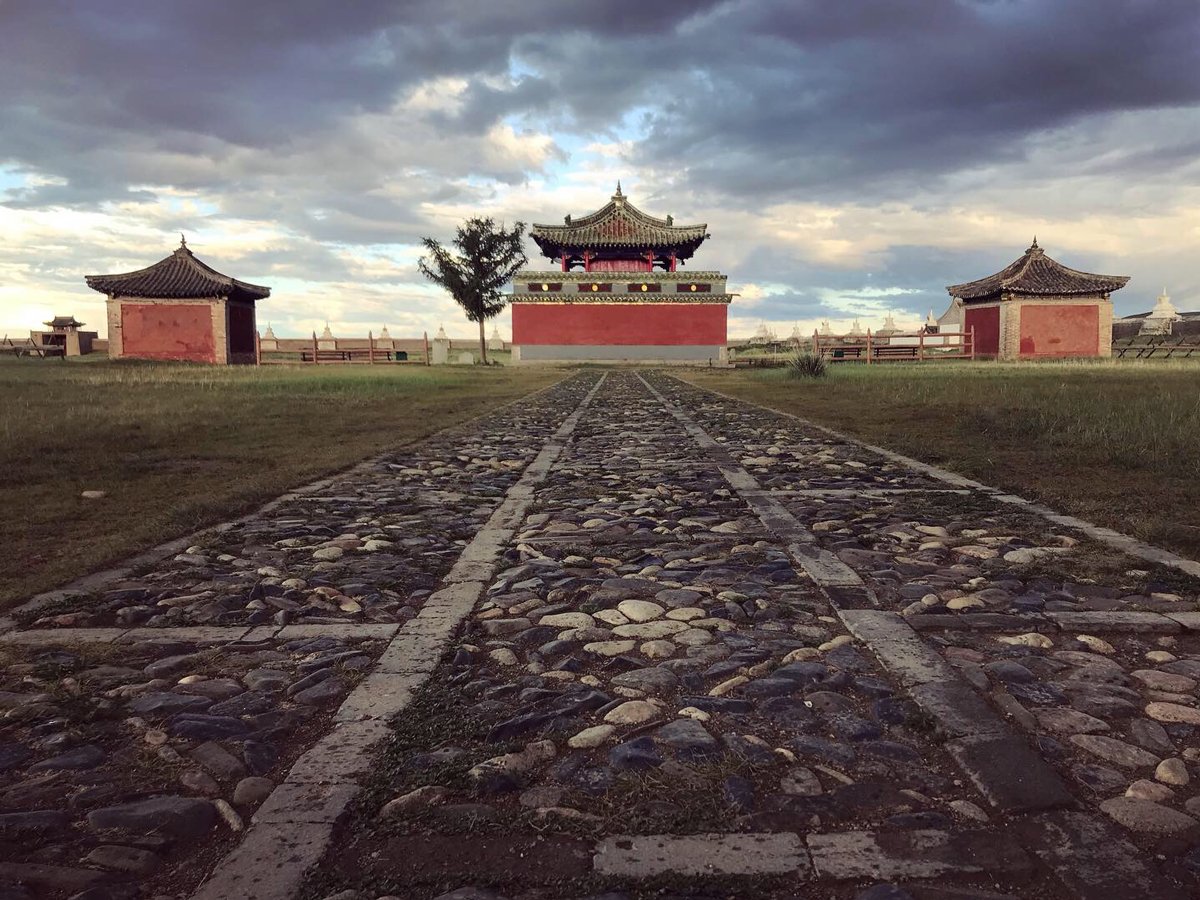
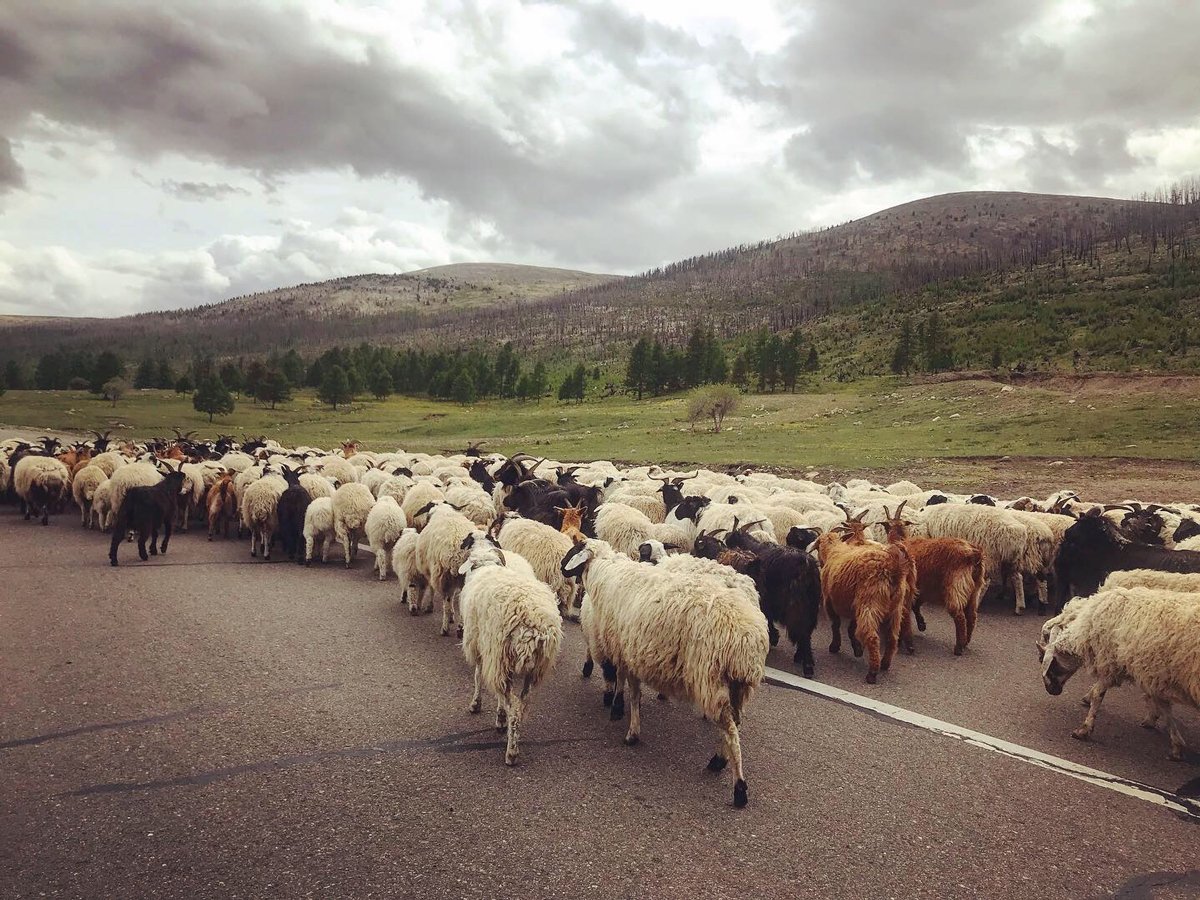
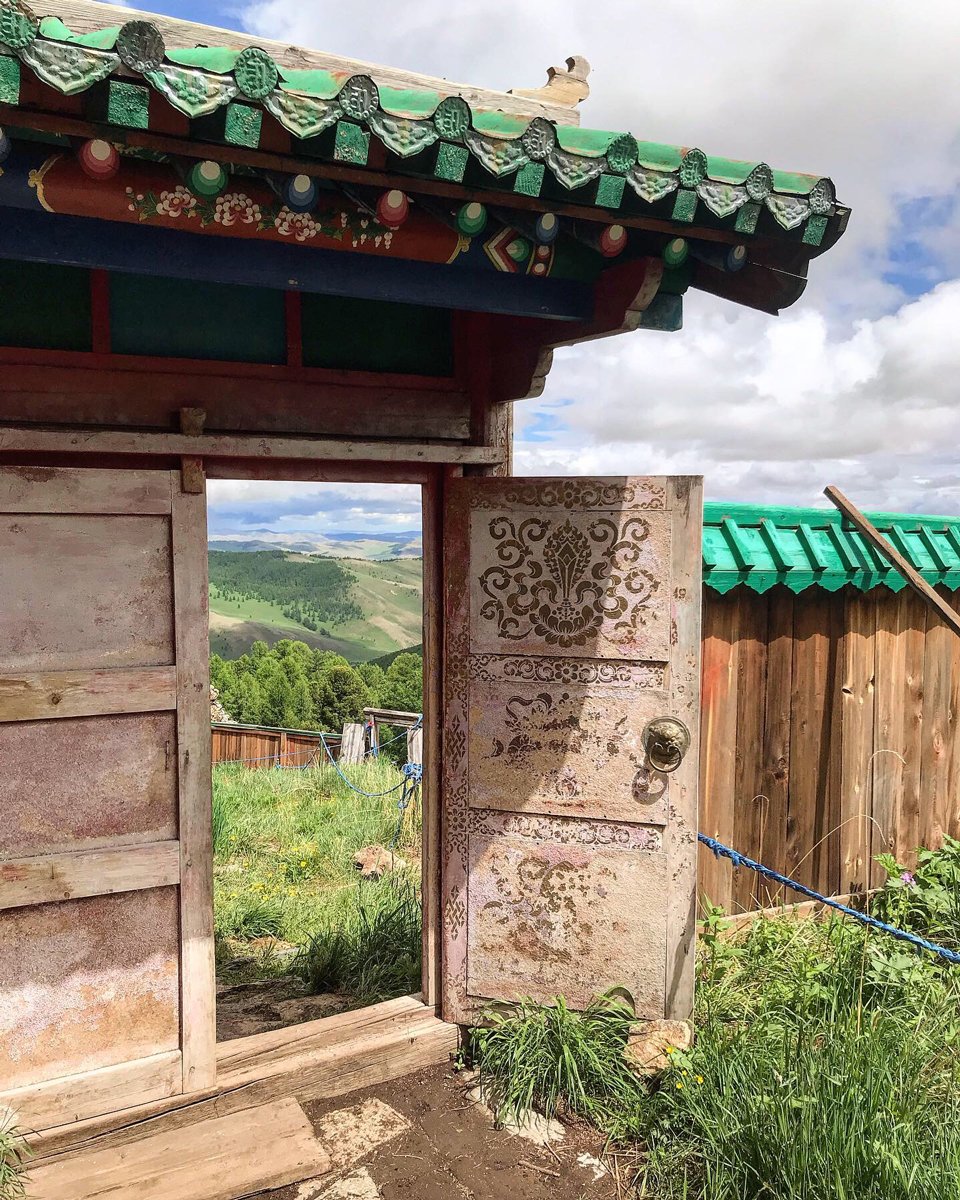
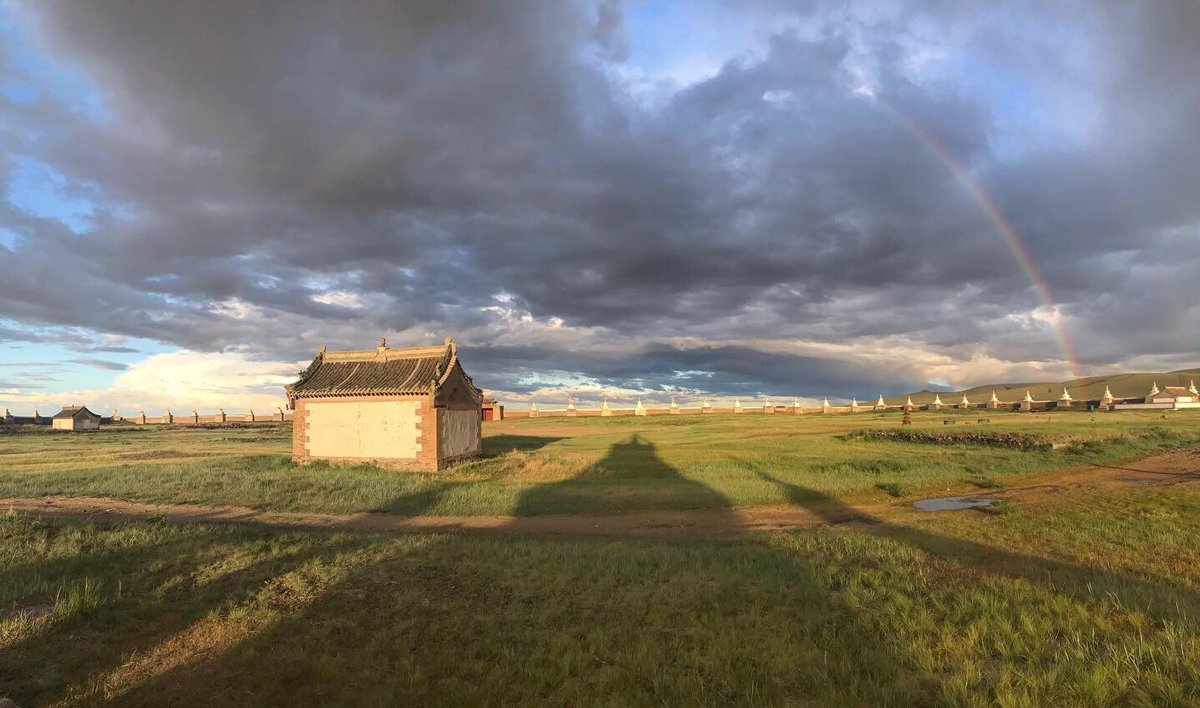
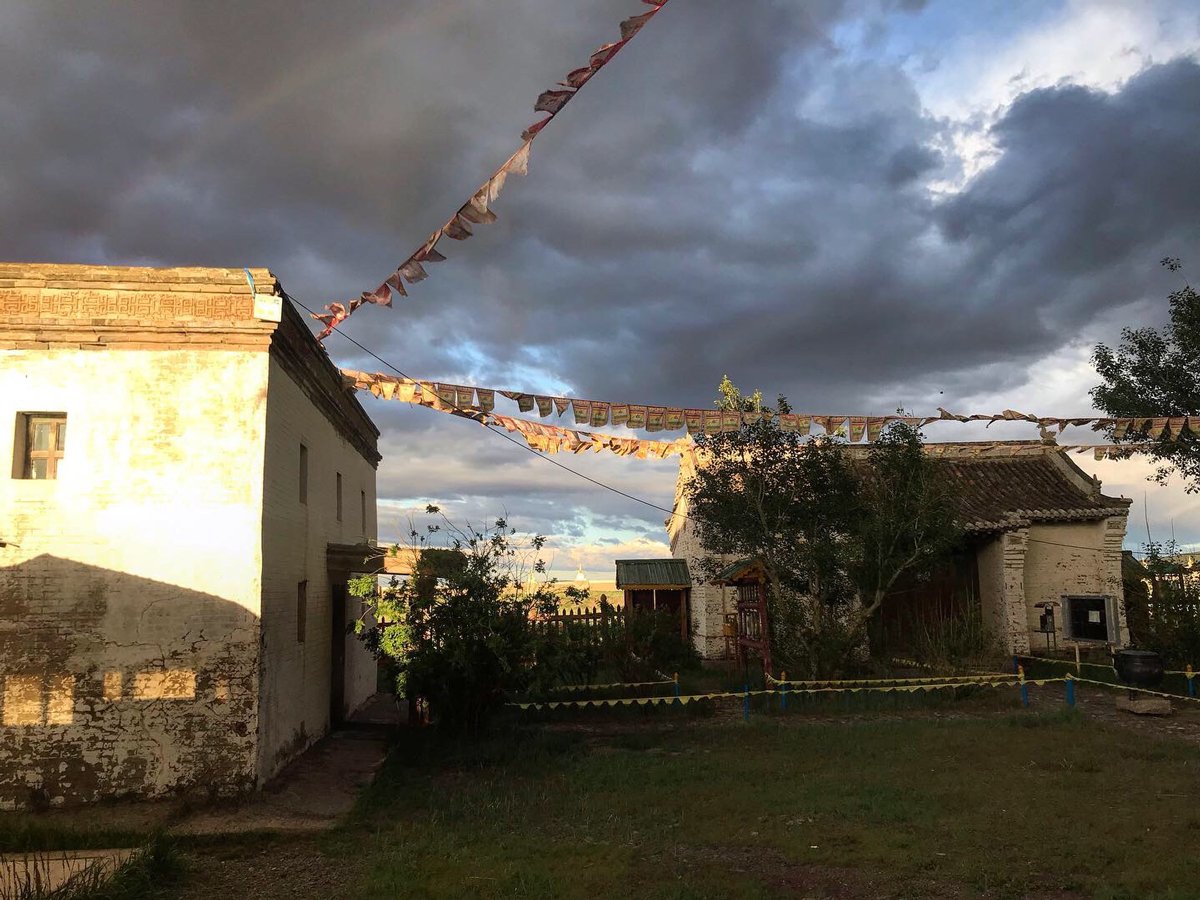
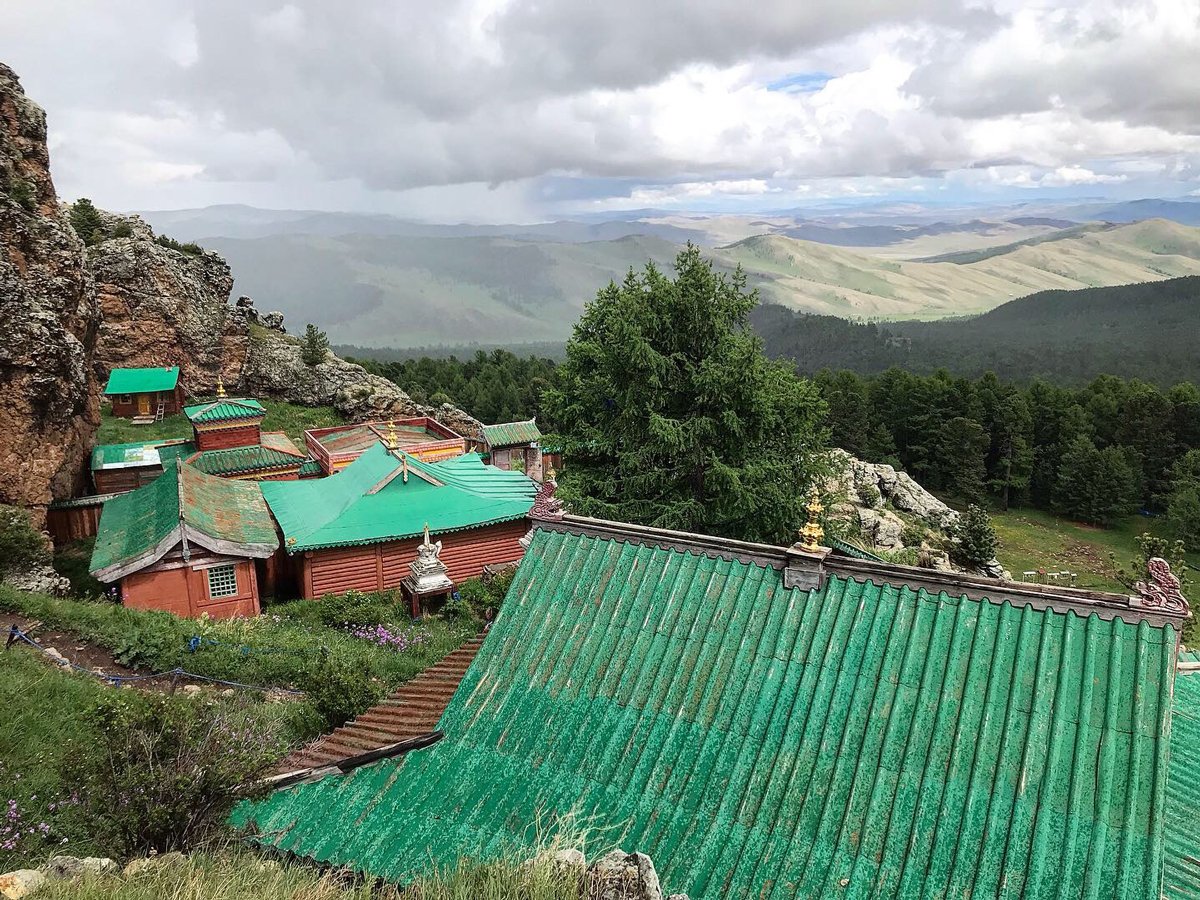
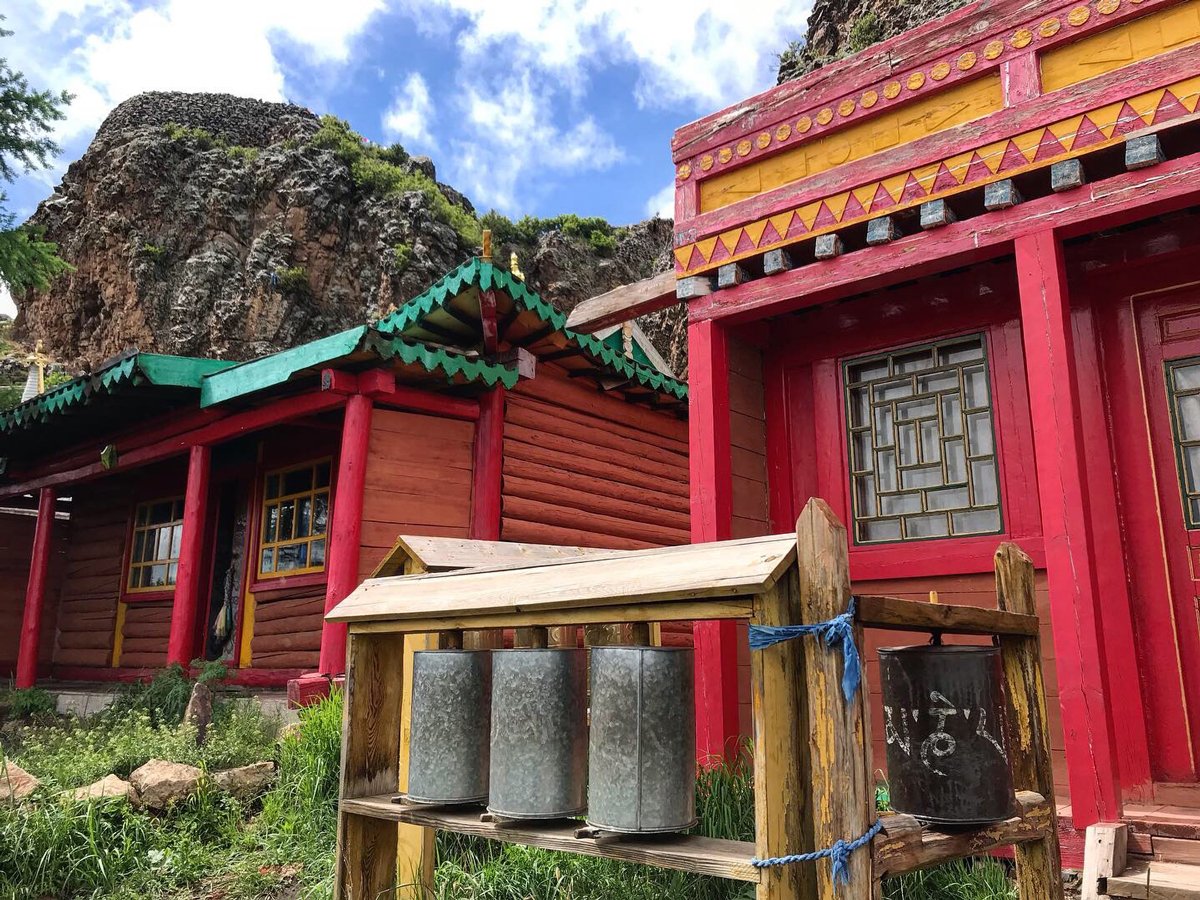
We partied with locals nightly. Mongolia loves karaoke — aggressively bad karaoke — and they go all in. We were blessed by Buddhist monks, visited monasteries, held trained hunting eagles, and passed herds of horses and sheep every single day.
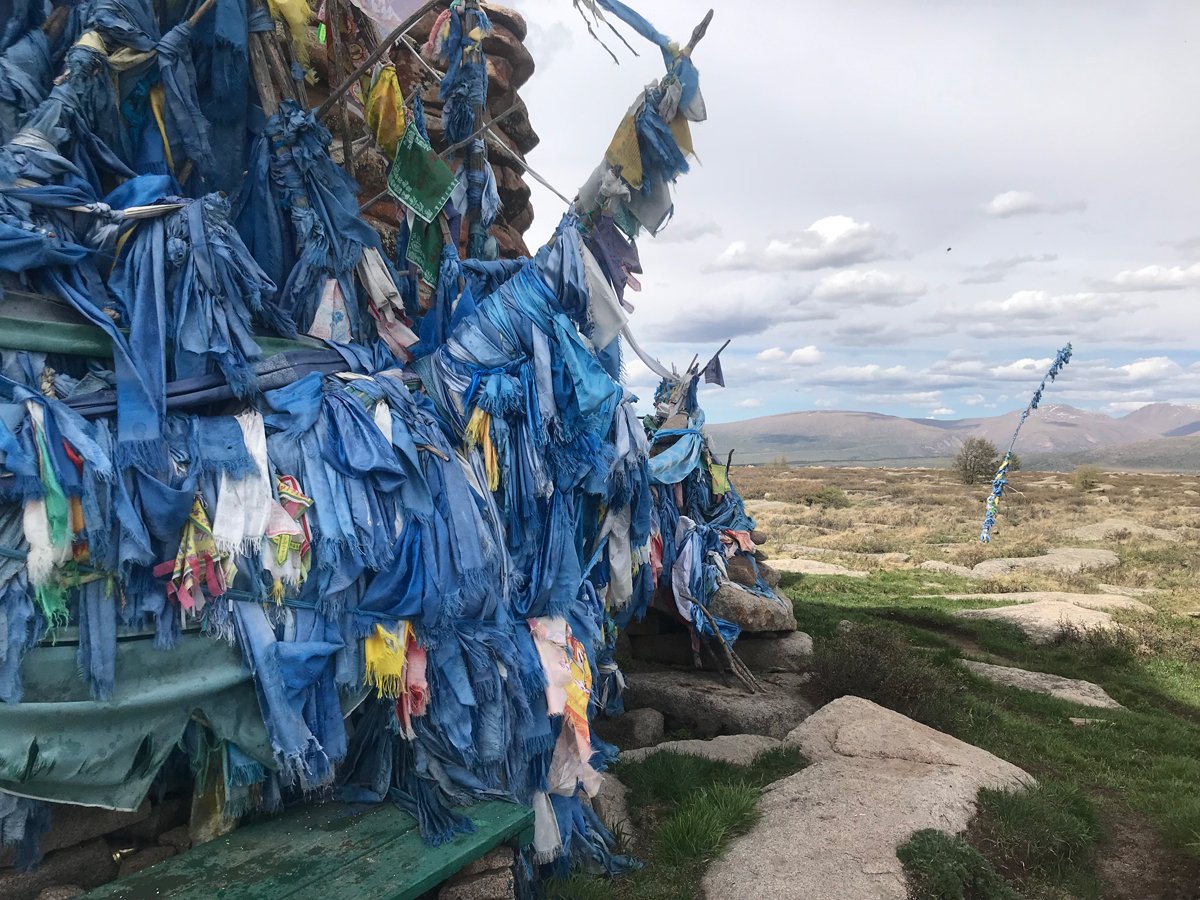
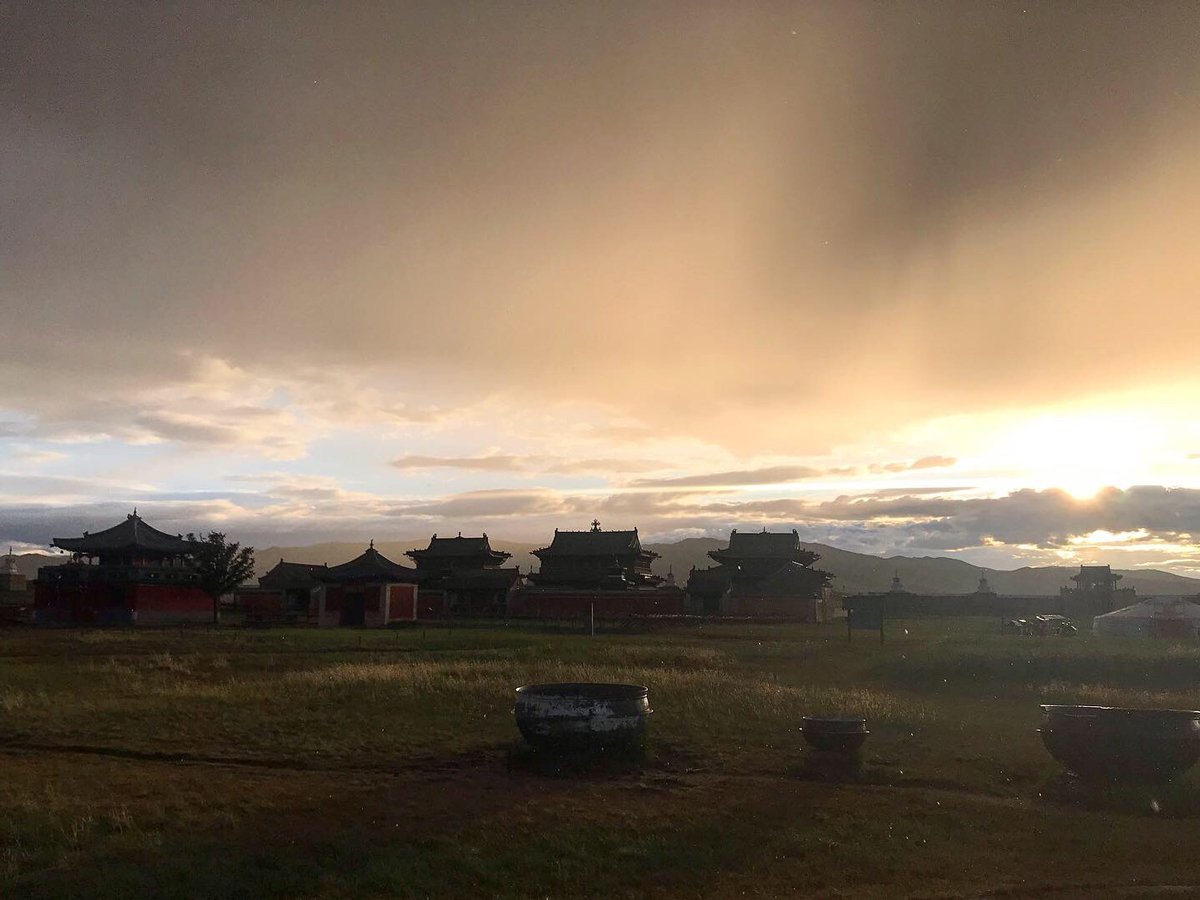
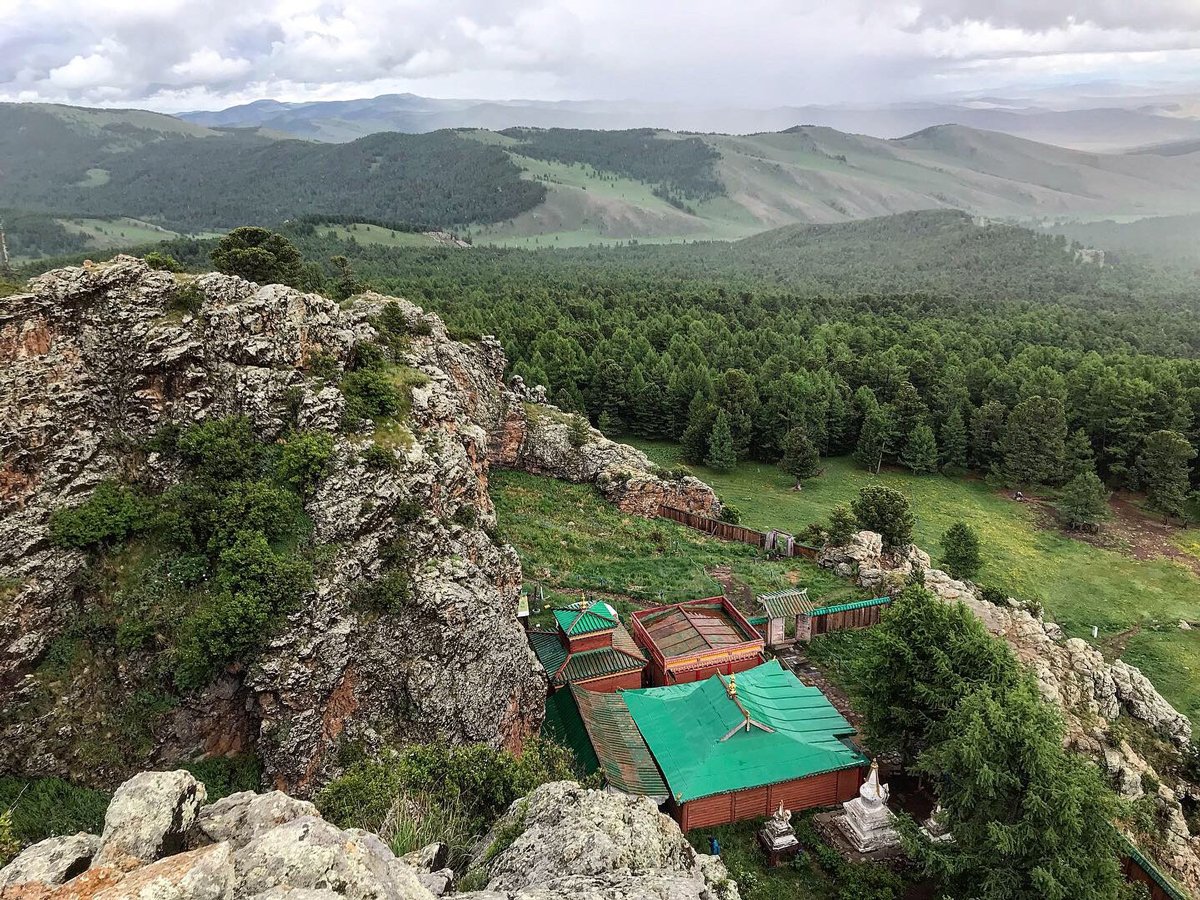
We stopped at the birthplace of Genghis Khan, walking temple grounds that seemed to hum with history. You can feel his presence there — in the land, in the silence, in the scale of everything.
When the Weather Turned
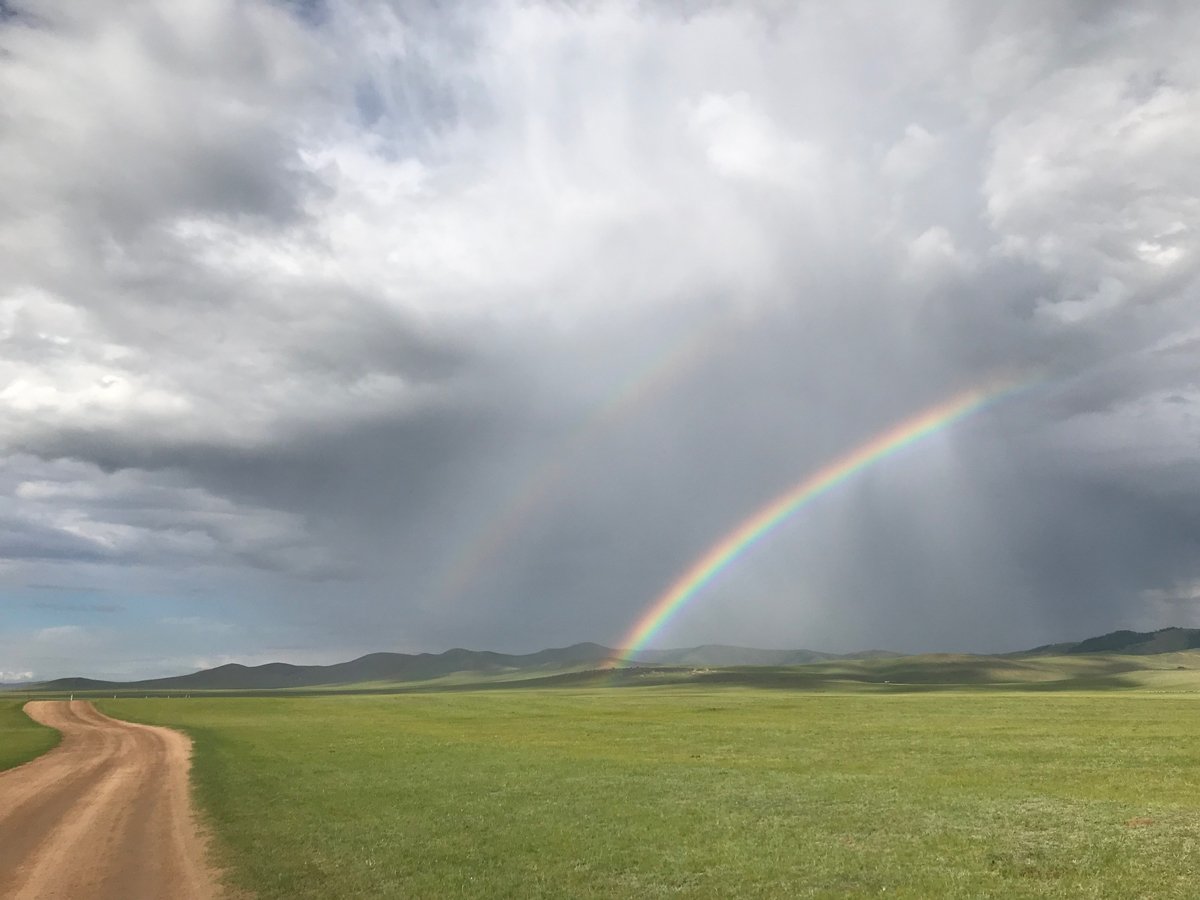
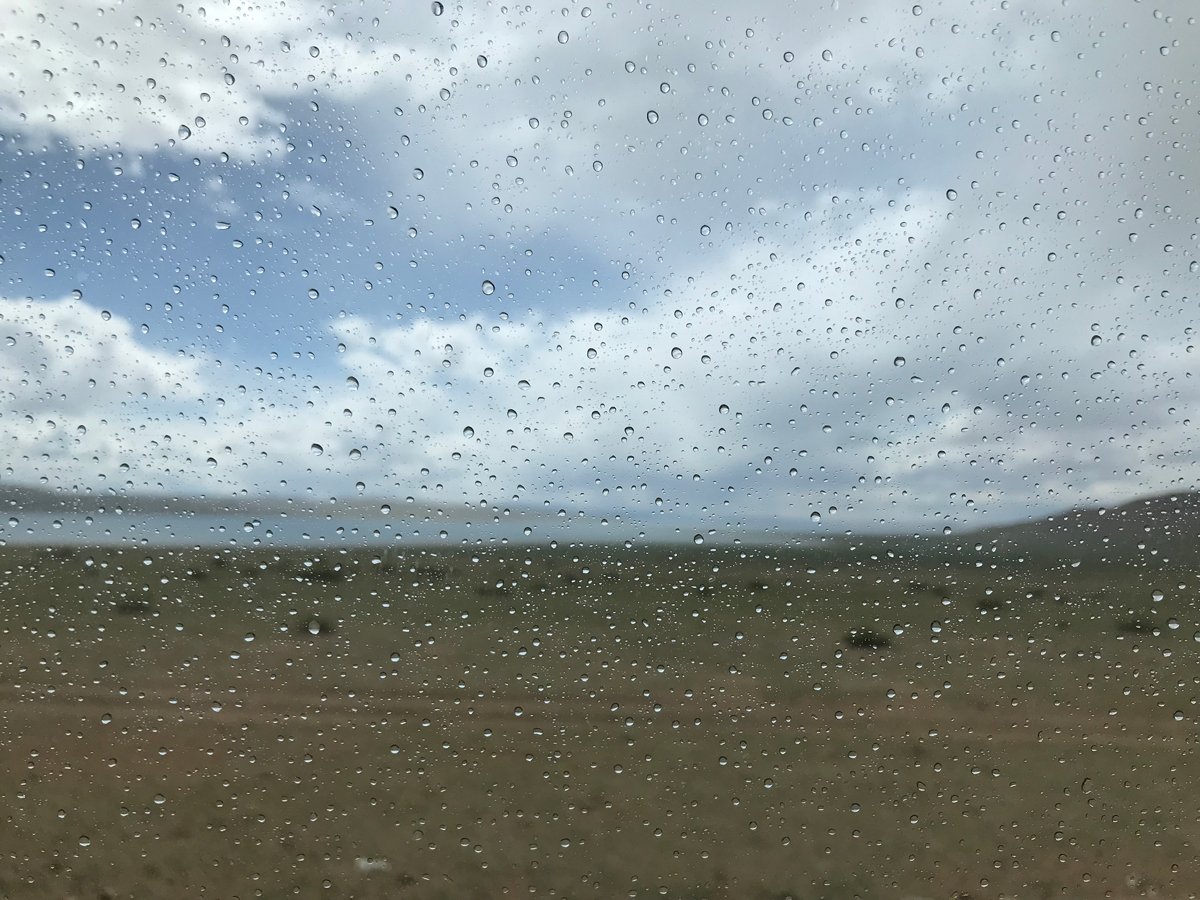
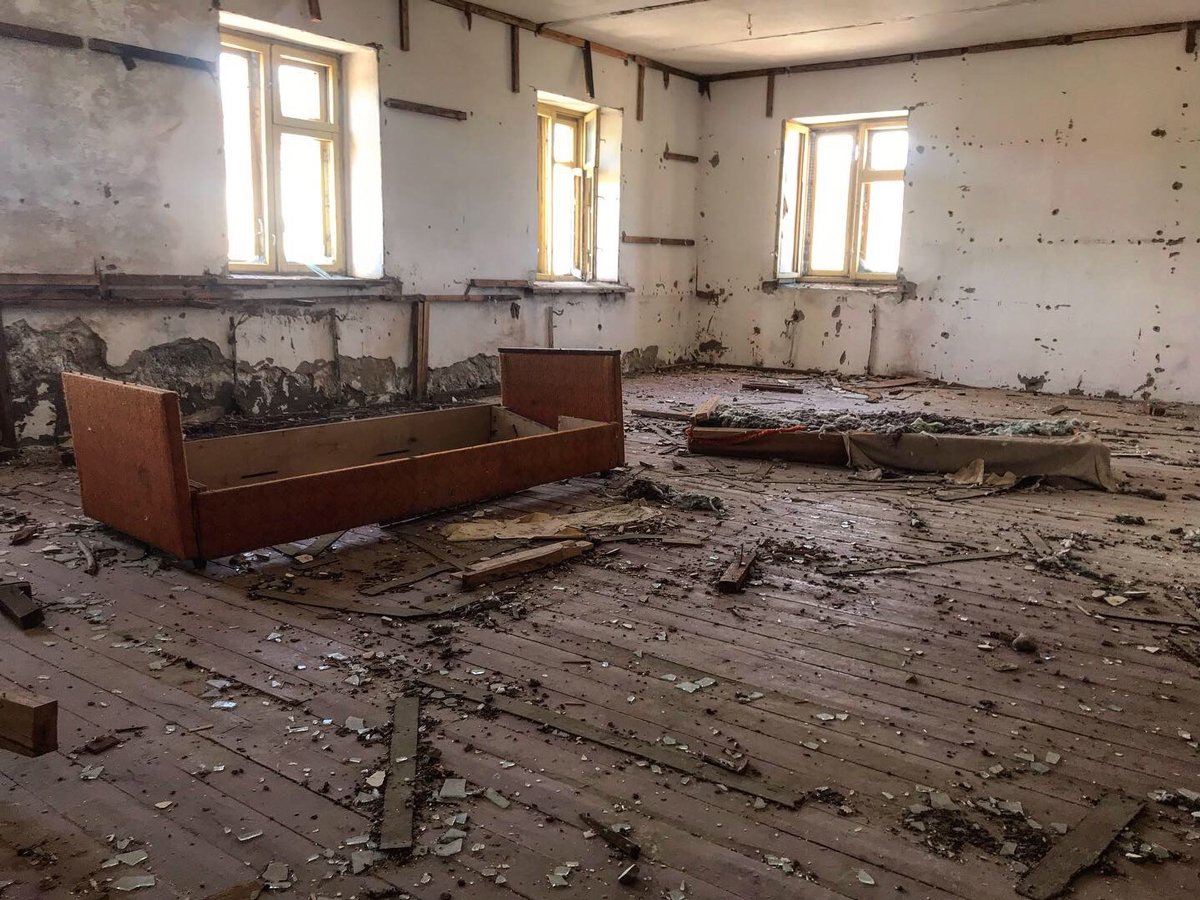
On our return east, Mongolia was hit by some of the worst flooding in its modern history. Families we stayed with showed us videos of devastating losses — cars swept away, lives lost. We drove through flooded tracks that were the only route forward.
It was humbling. And heartbreaking.
But even then, people welcomed us in, fed us, laughed with us, and shared what little they had.
Eventually, we made it back to Ulaanbaatar, where we celebrated survival the universal way — by finding the Irish pub. Every city on Earth has one, and Mongolia was no exception.
Final Thoughts
I could write ten more pages about Mongolia and still fall short.
It’s raw.
It’s unforgiving.
It’s generous.
It’s vast beyond comprehension.
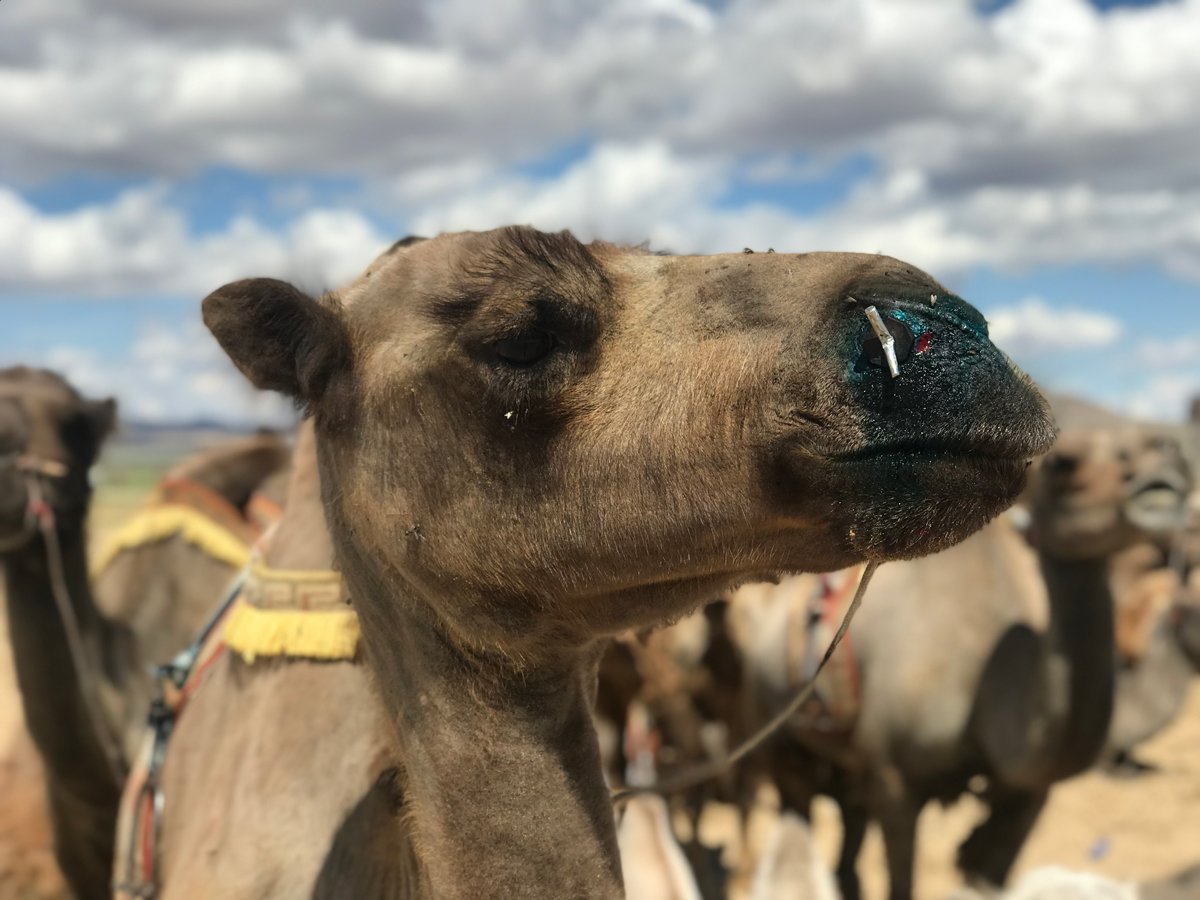
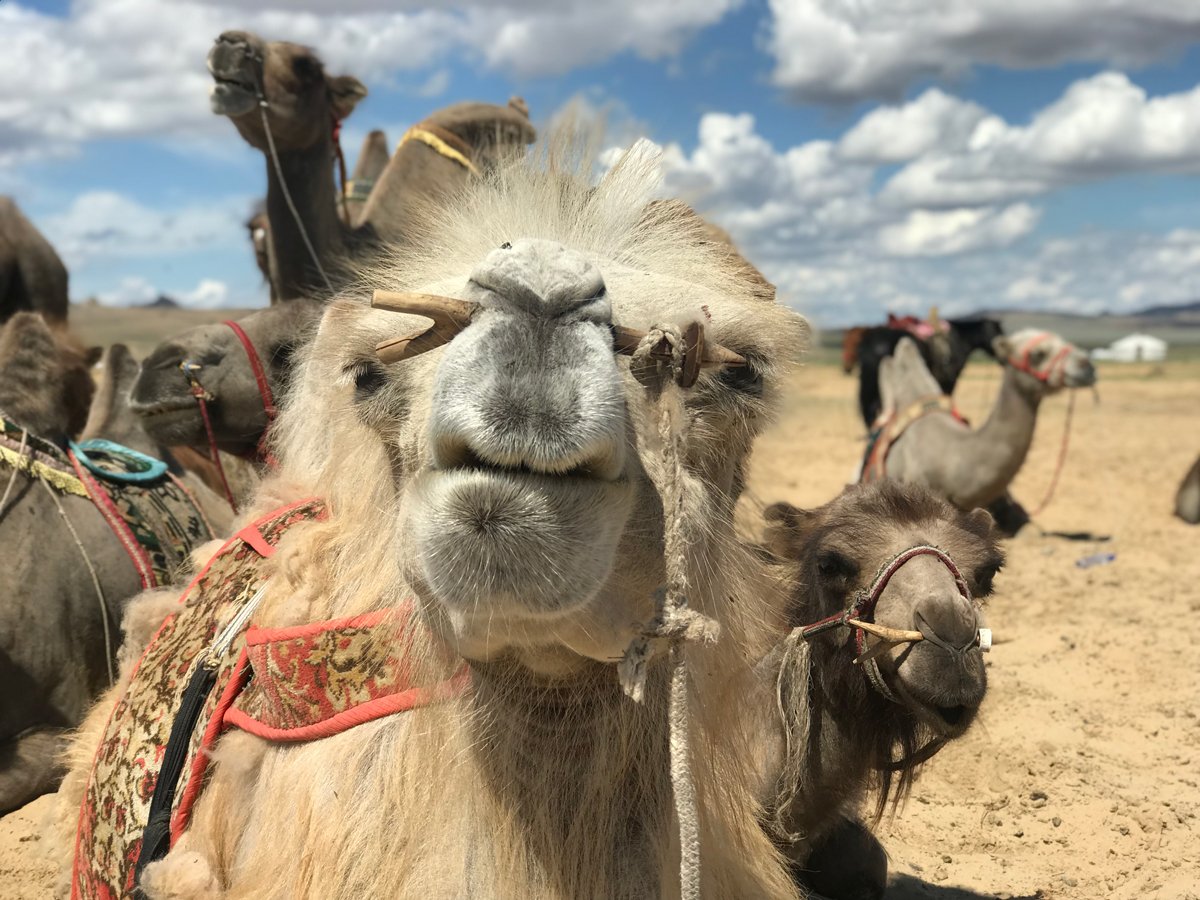
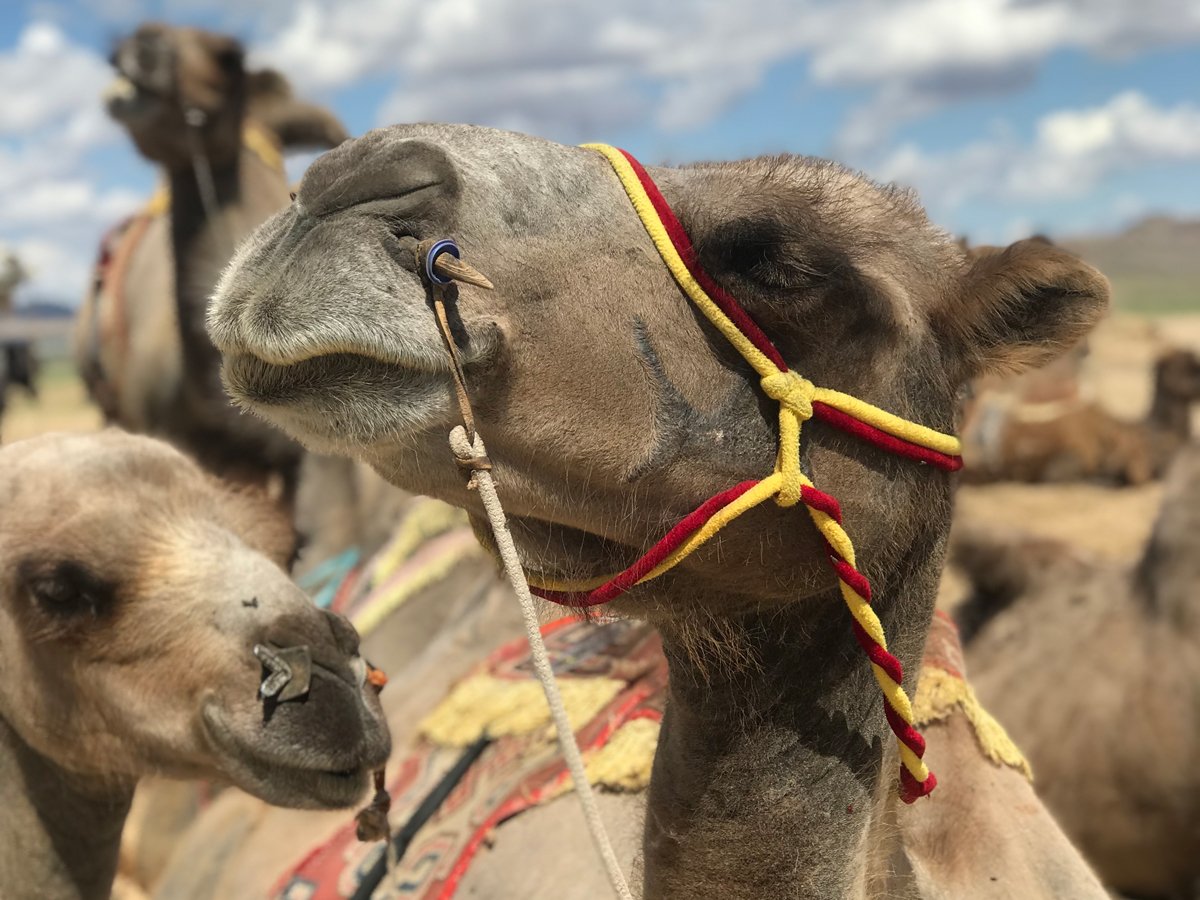
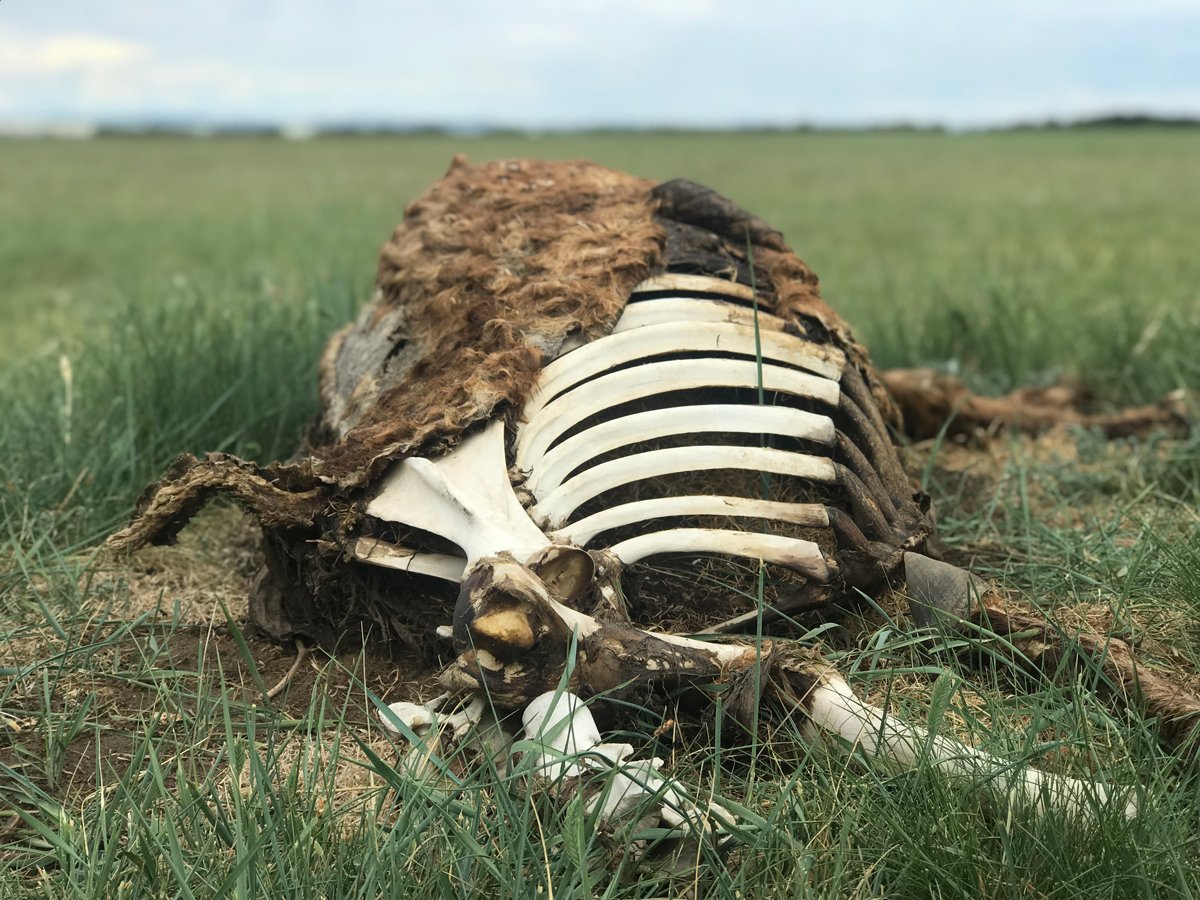
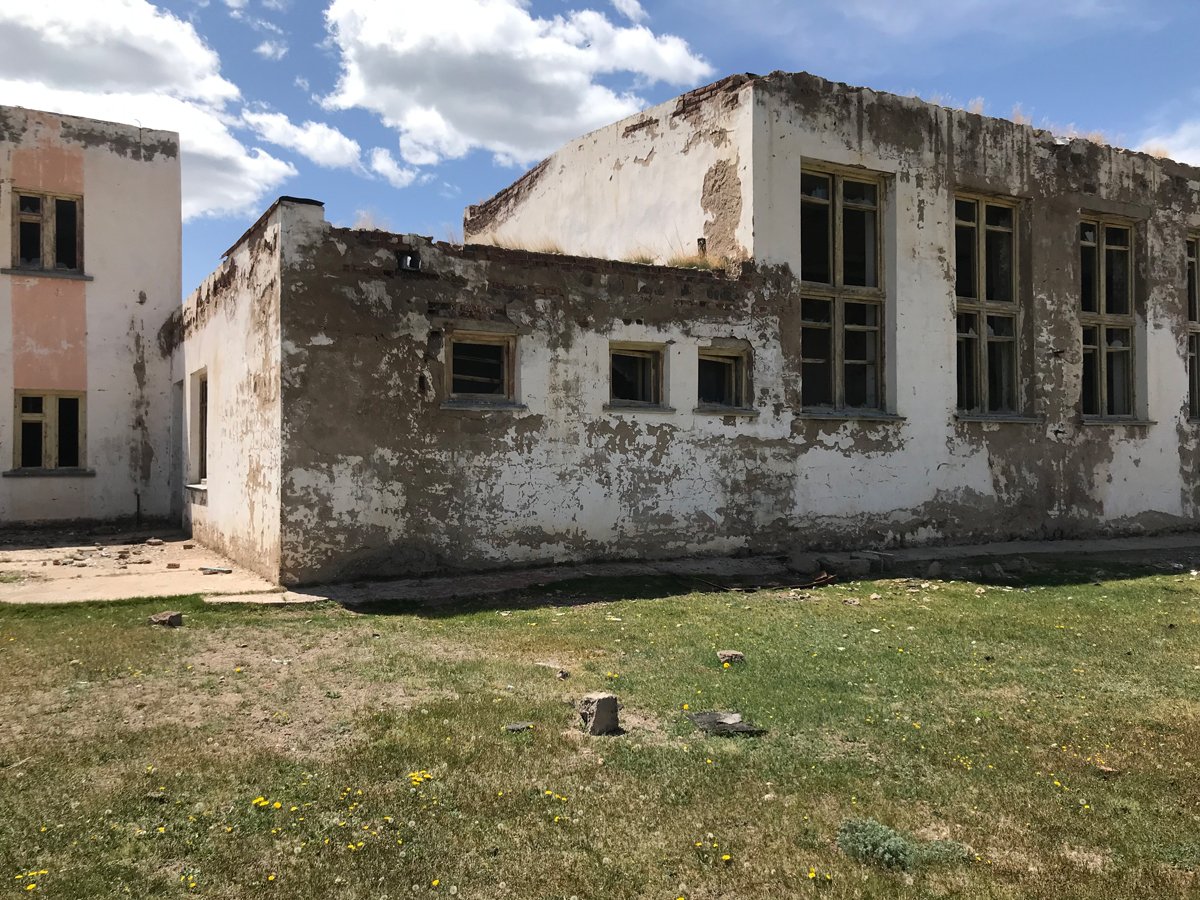
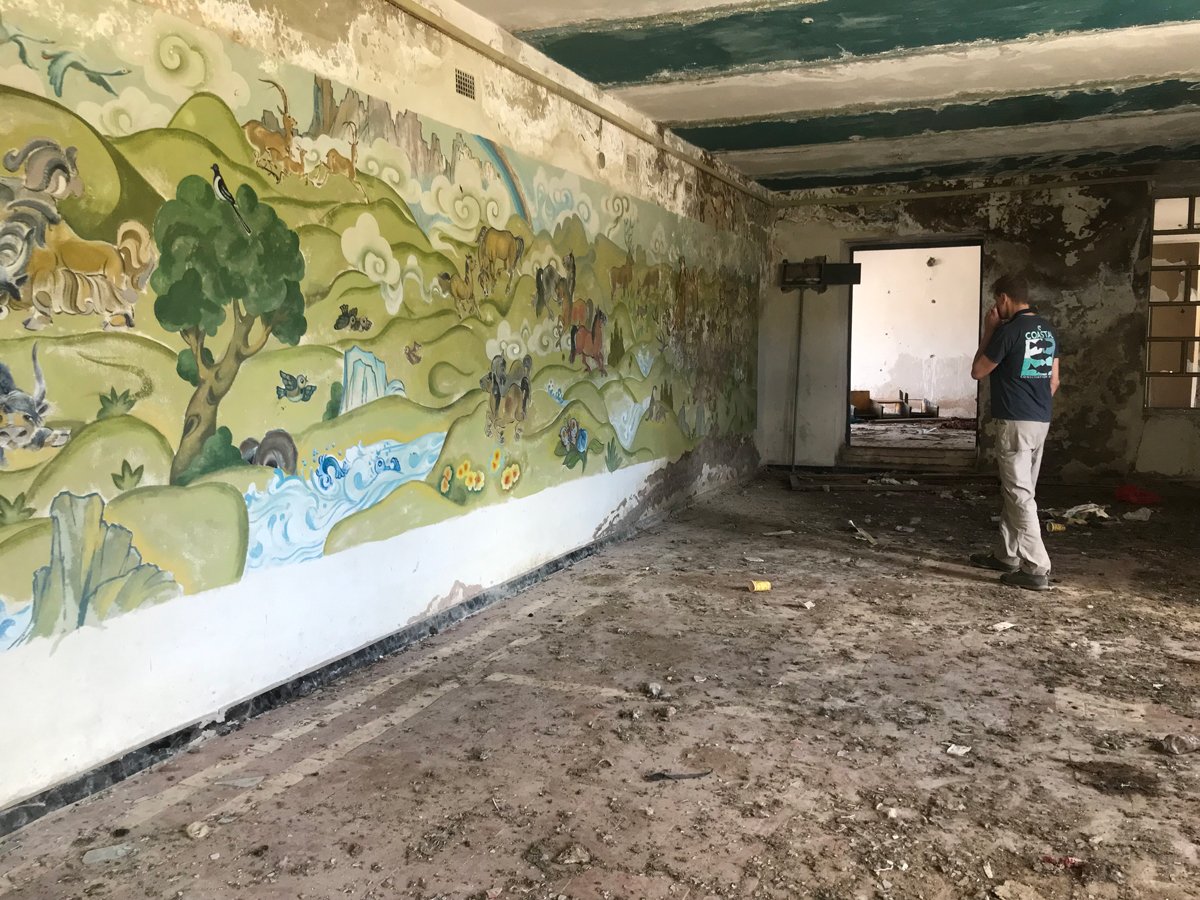
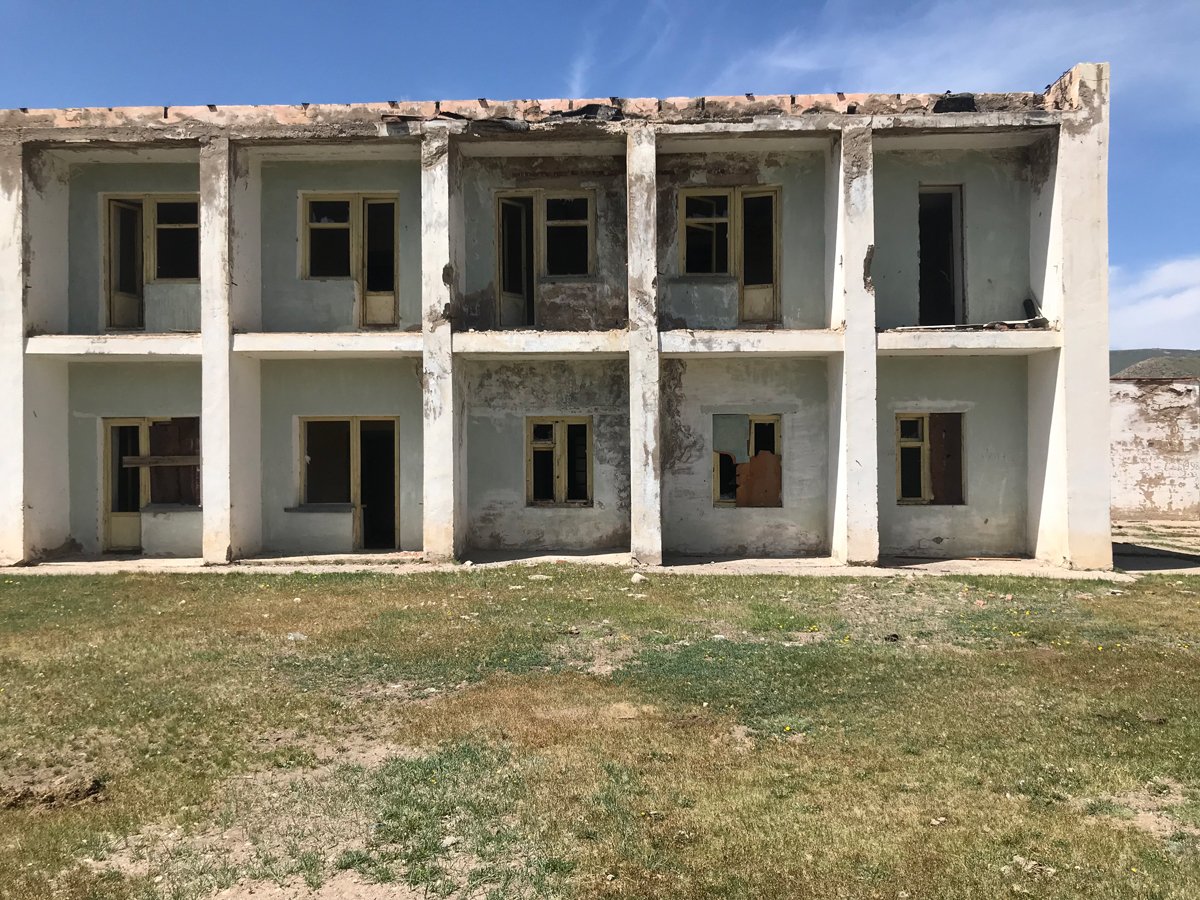
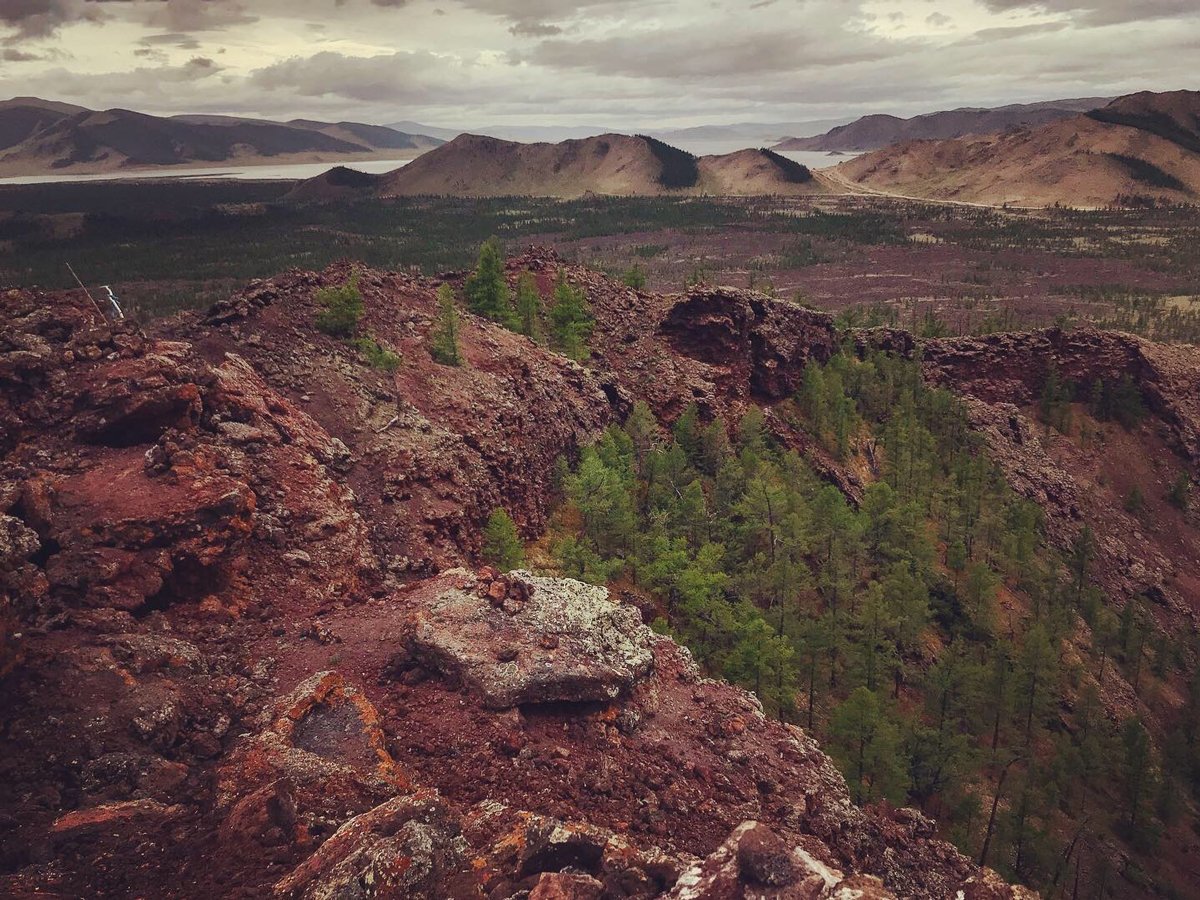
Once you leave the cities, you’re on your own — guided only by instinct, tracks in the dirt, and the kindness of strangers. I hope the photographs from this trip tell the story better than words ever could.
All photographs from this journey are available as fine art prints. Contact codymaple@gmail.com for inquiries.