Two Guys From Memphis Headed for the Himalayas
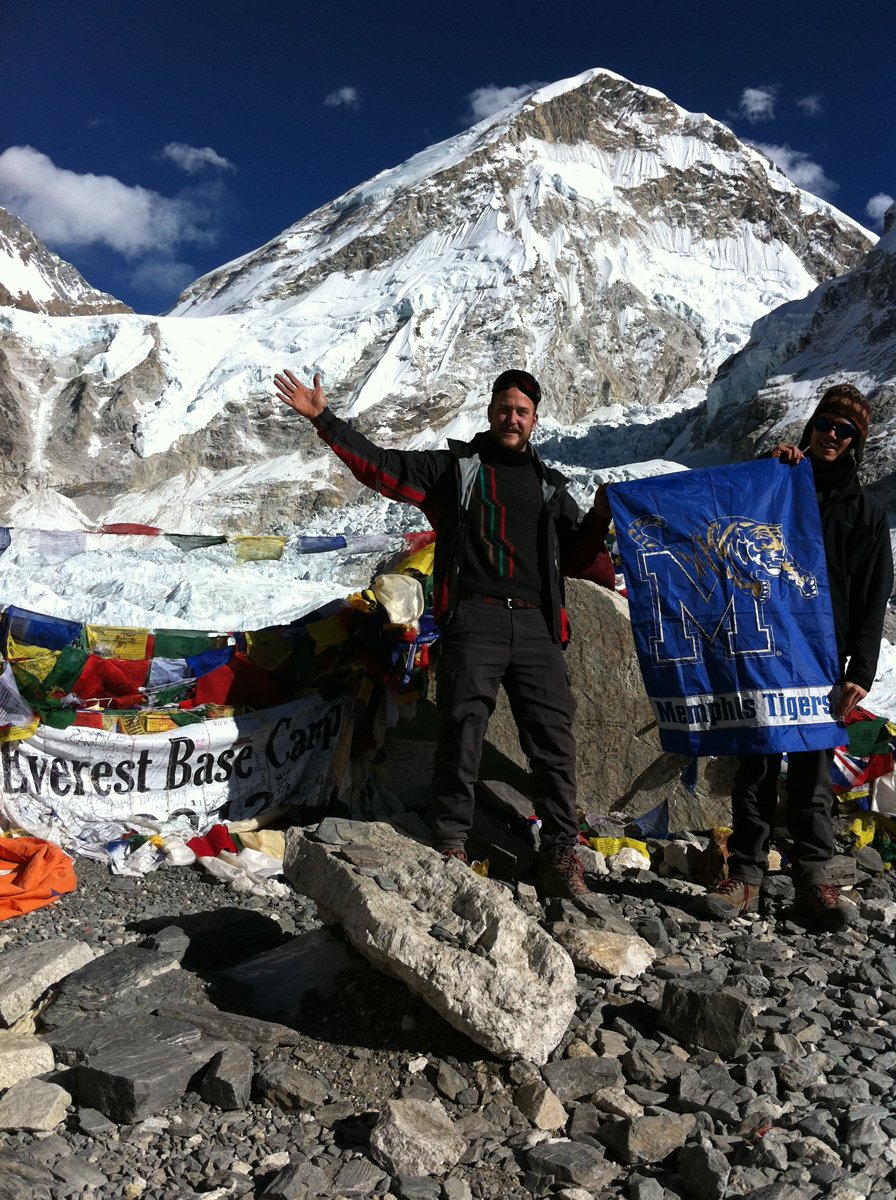
In December of 2012, my childhood friend Tim and I left the warmth of South Florida for the coldest place either of us had ever imagined — the Himalayas of Nepal. Two guys from Memphis, Tennessee, living in Florida at the time, heading to the roof of the world to trek to Everest Base Camp in the dead of winter. It still sounds ridiculous when I say it out loud.
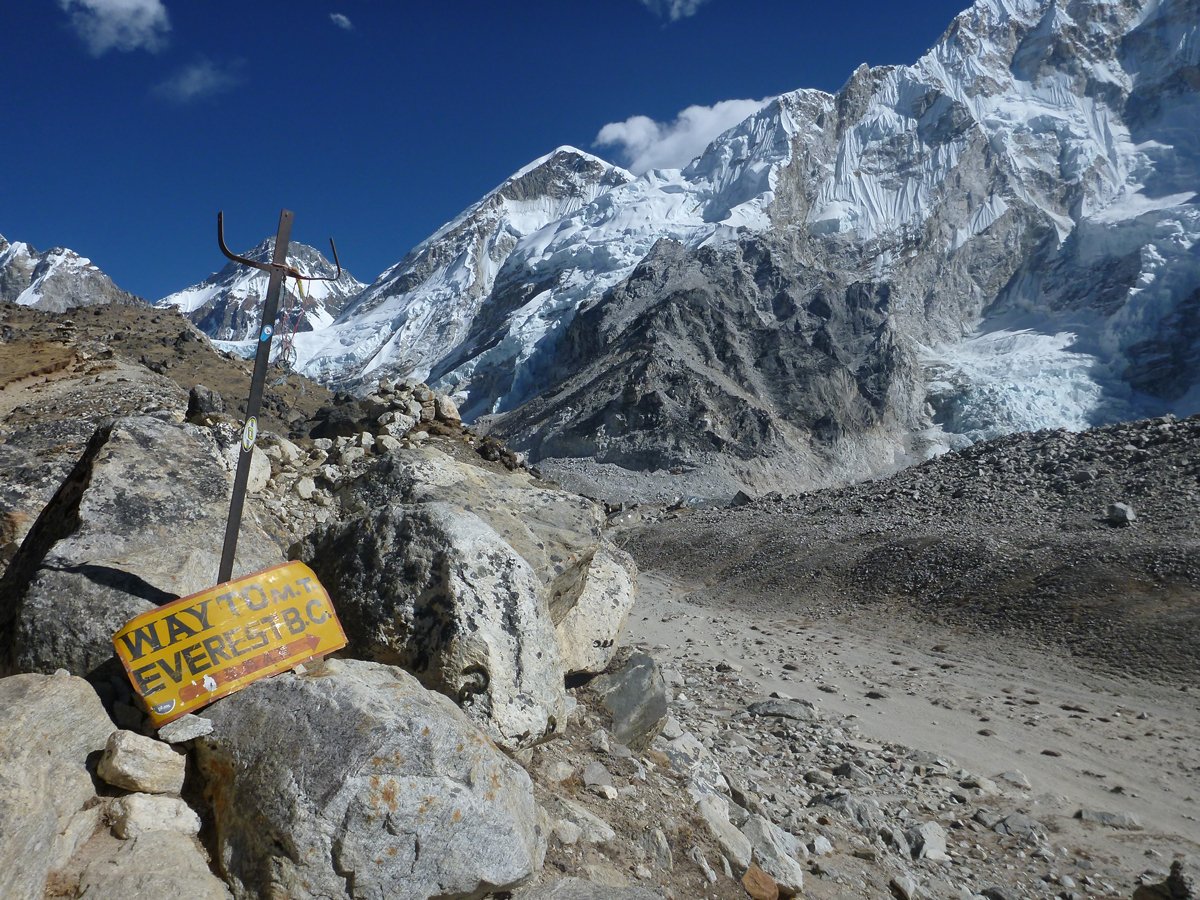
The Everest Base Camp trek is roughly 80 miles round trip, beginning in the mountain town of Lukla and winding through some of the highest terrain on Earth before reaching Gorak Shep and Everest Base Camp itself.
But before any of that began, we landed in Kathmandu after a long journey through Bahrain and stepped into complete sensory overload.
First Impressions of Kathmandu
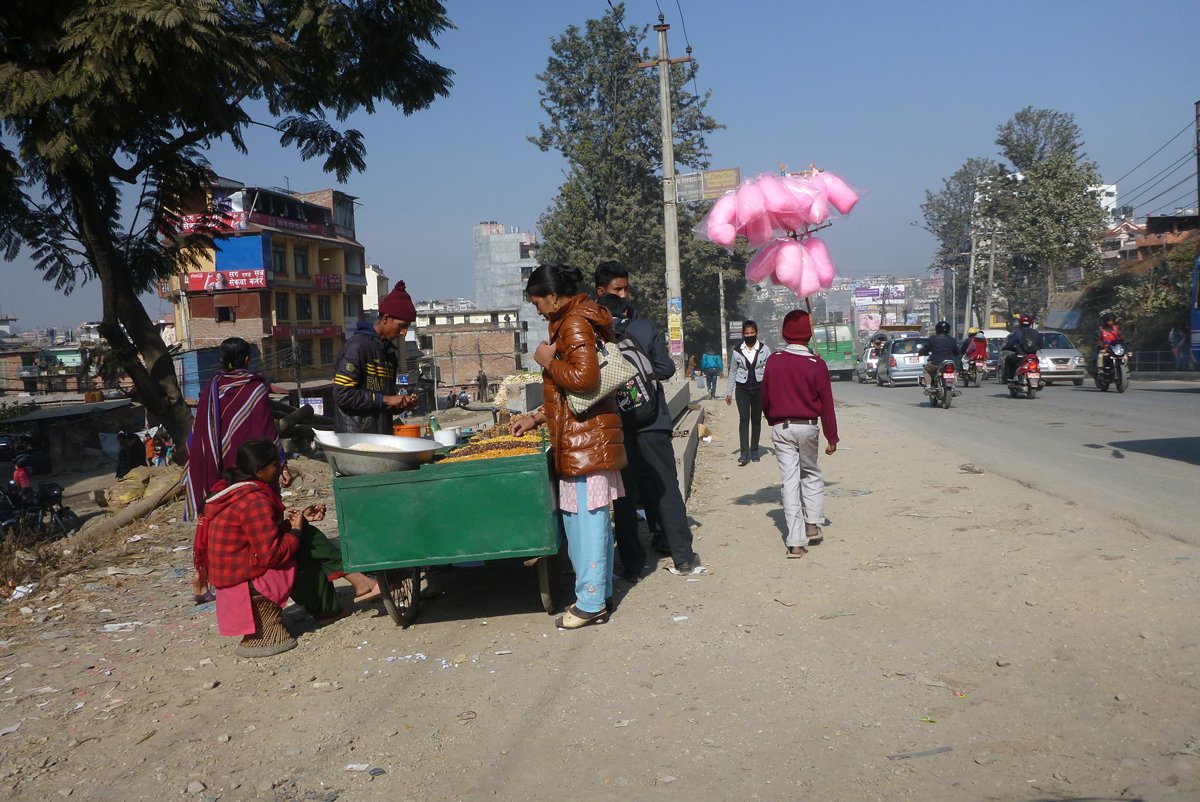
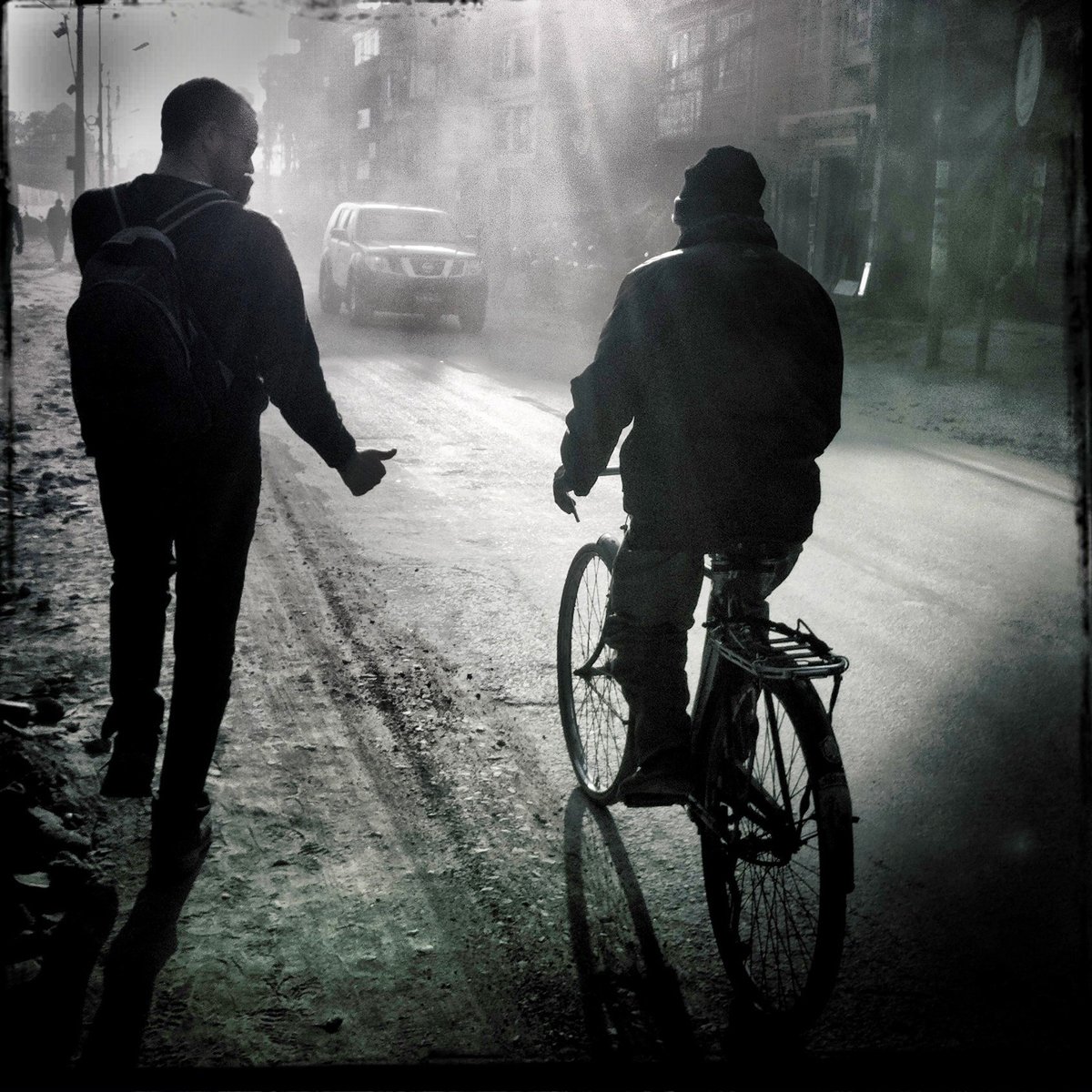
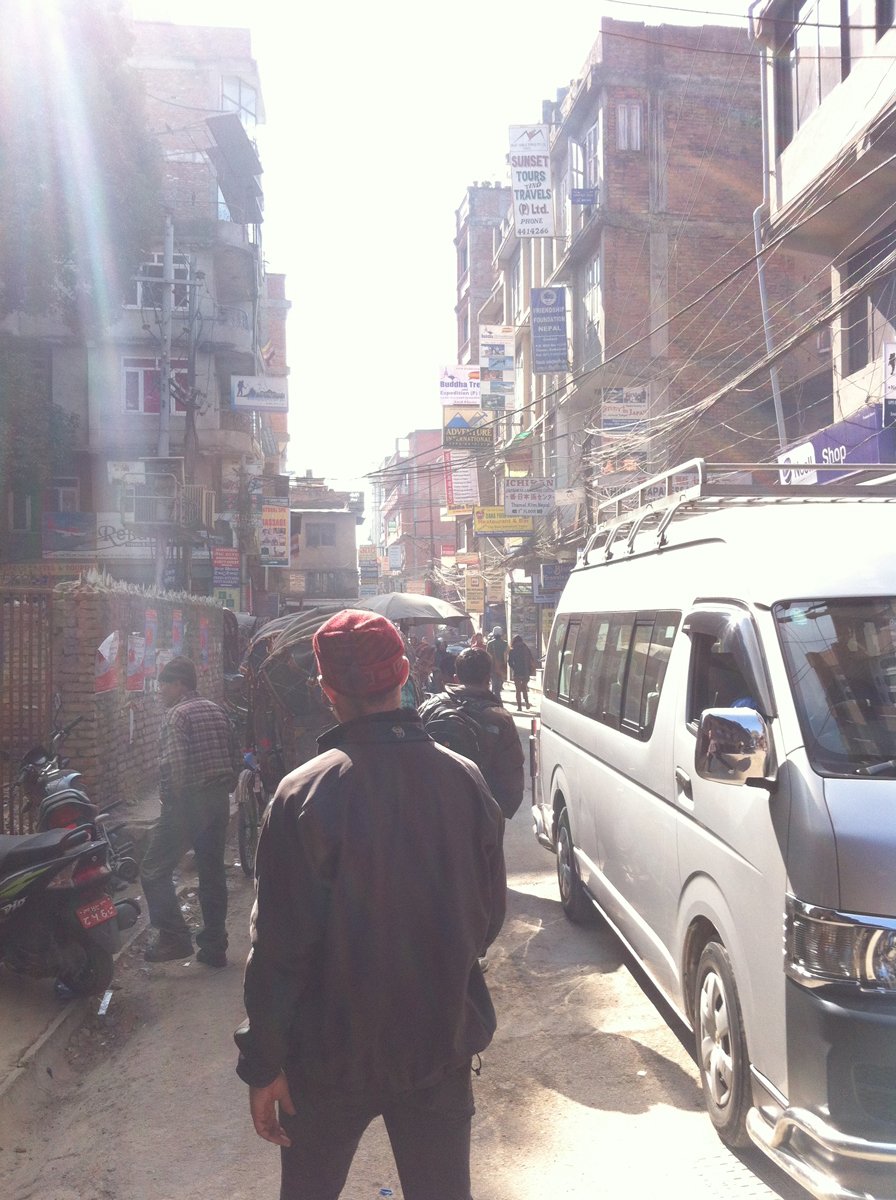
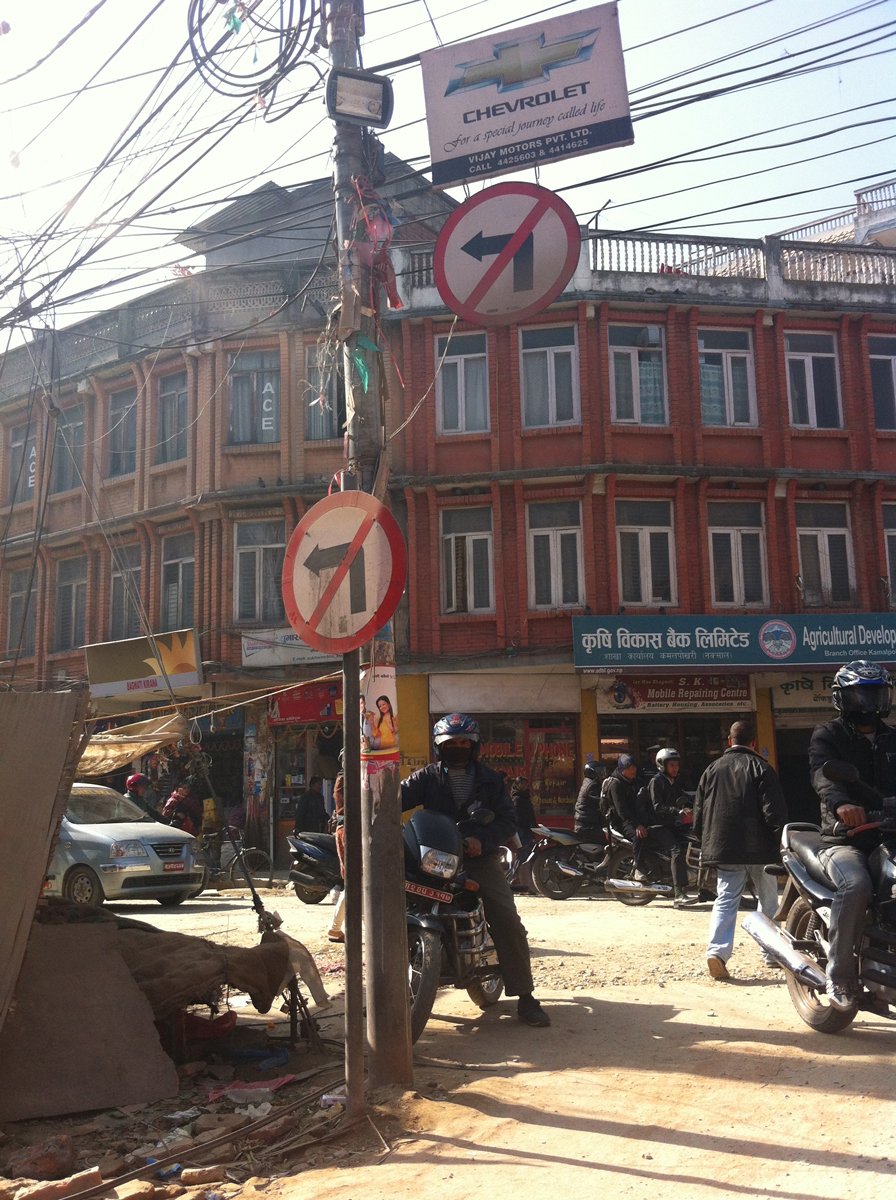
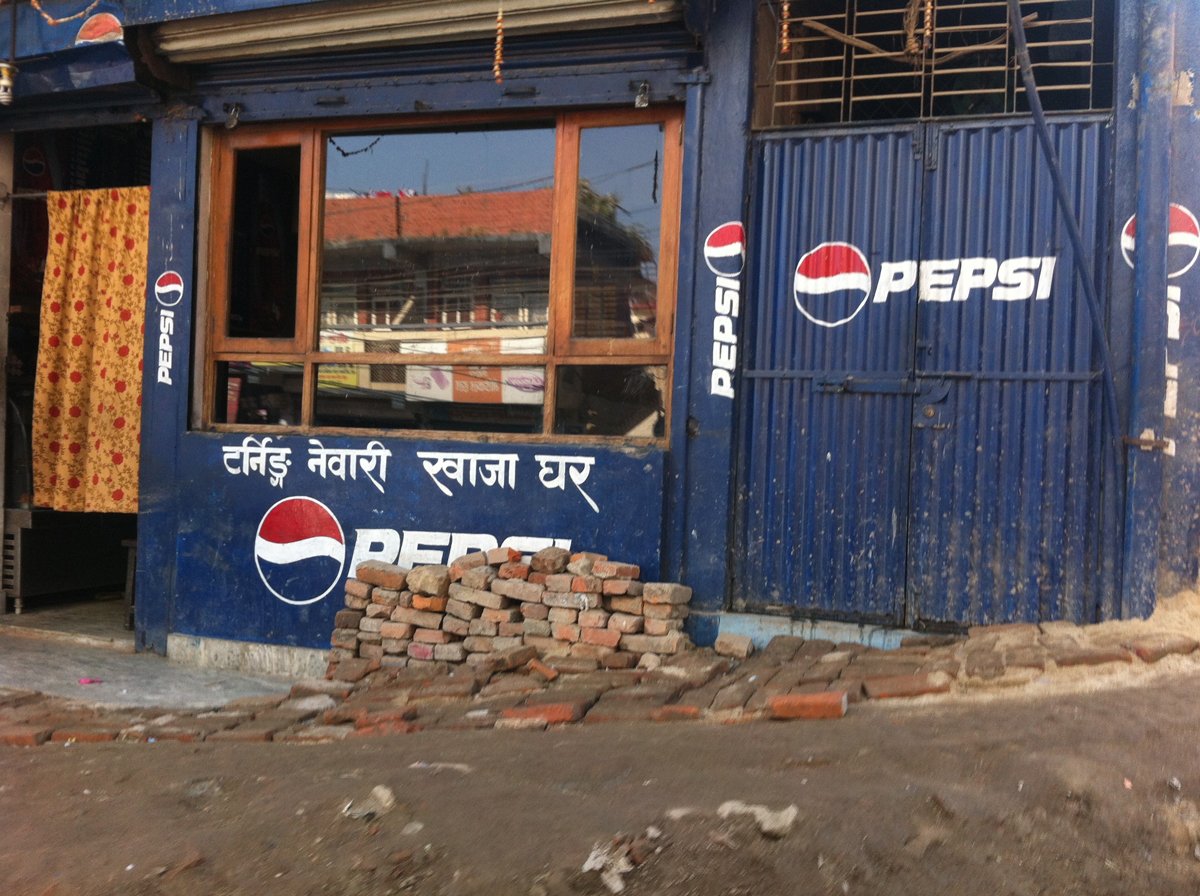
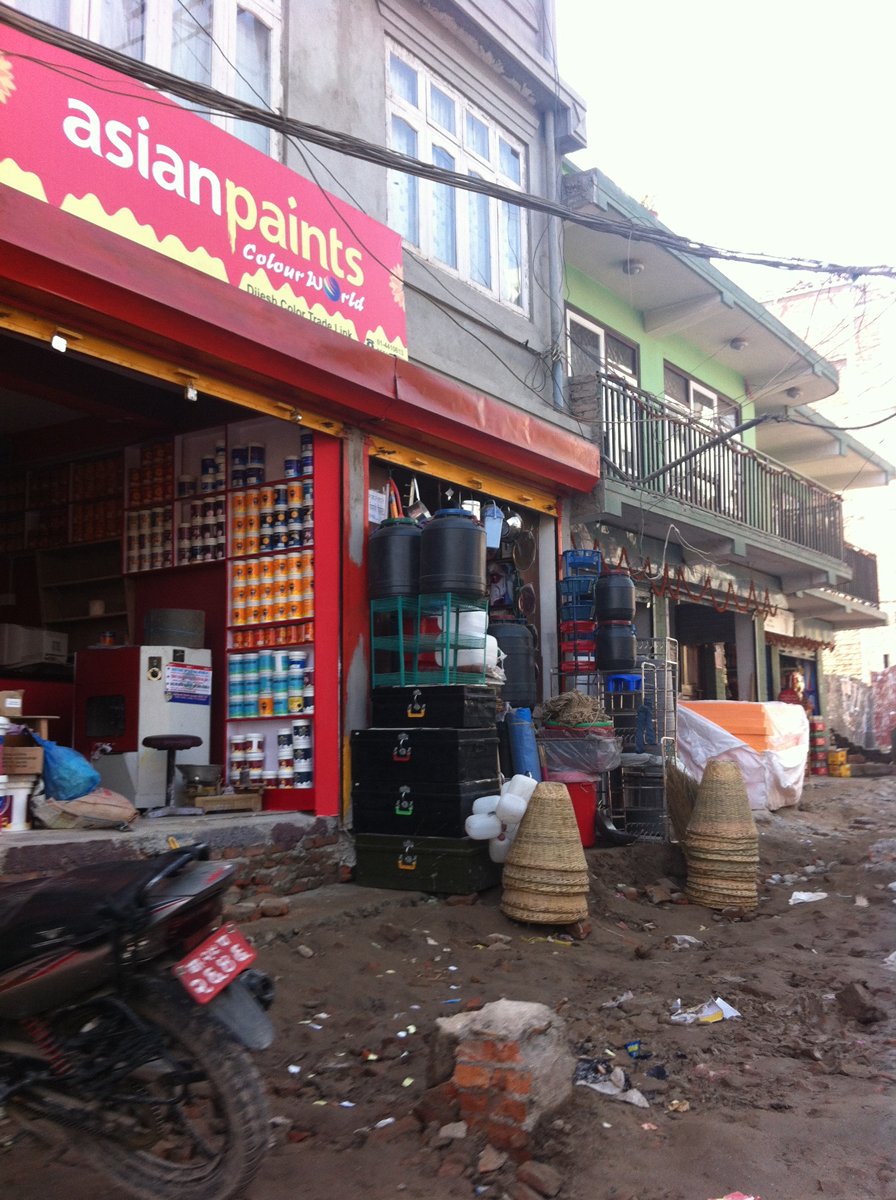
Kathmandu is chaos in the purest form imaginable.
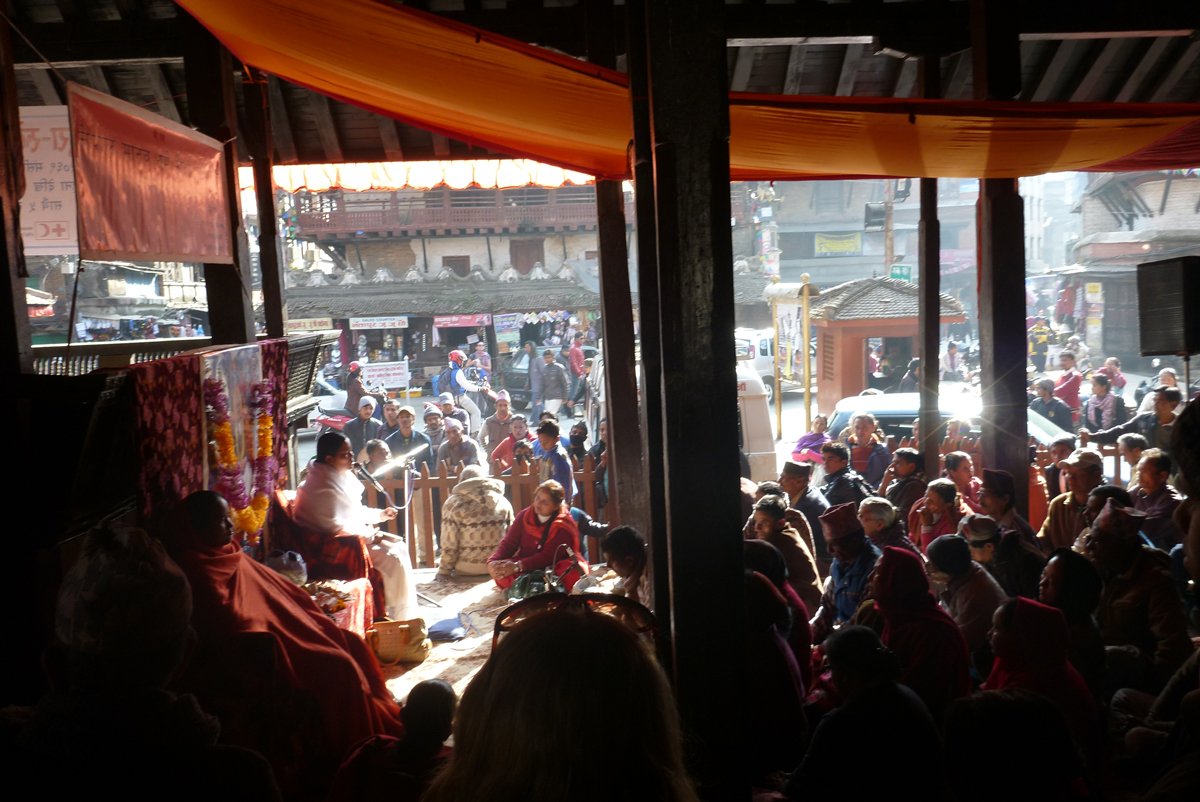
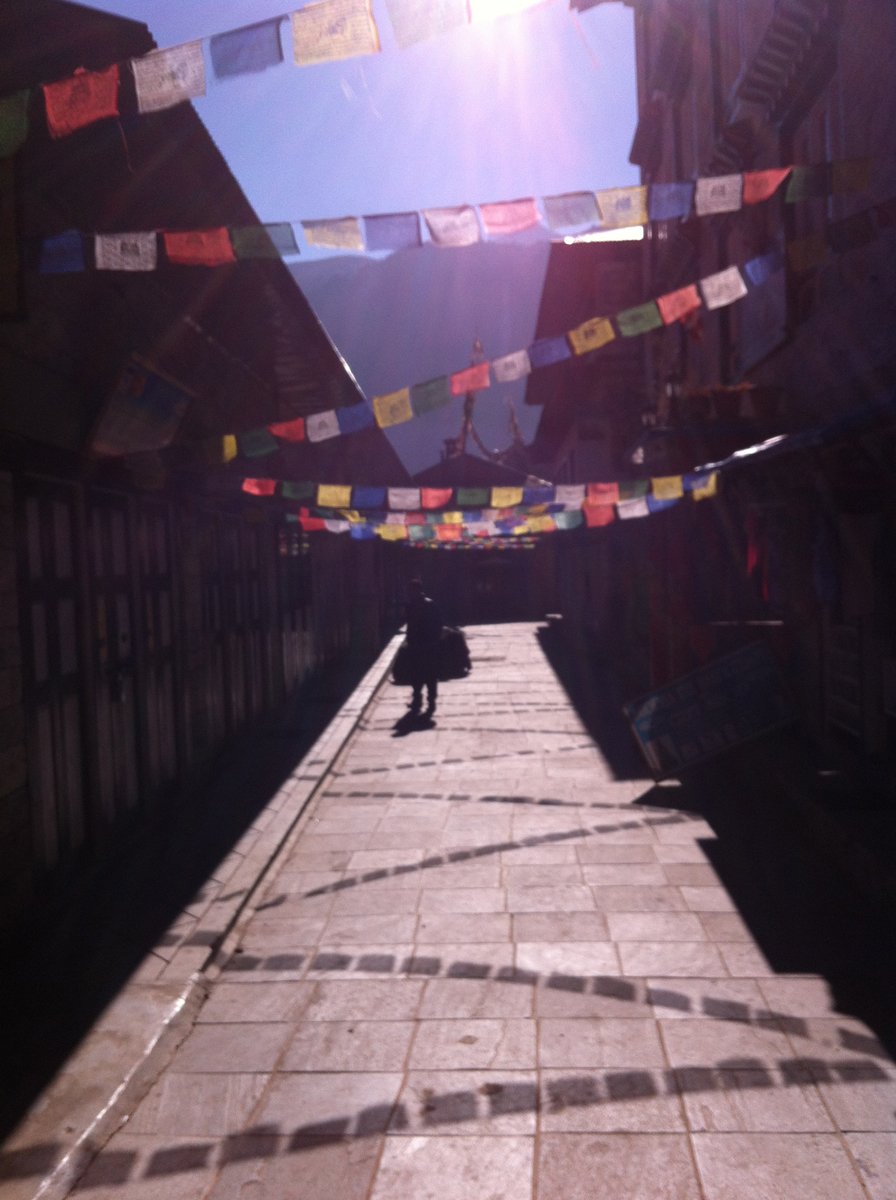
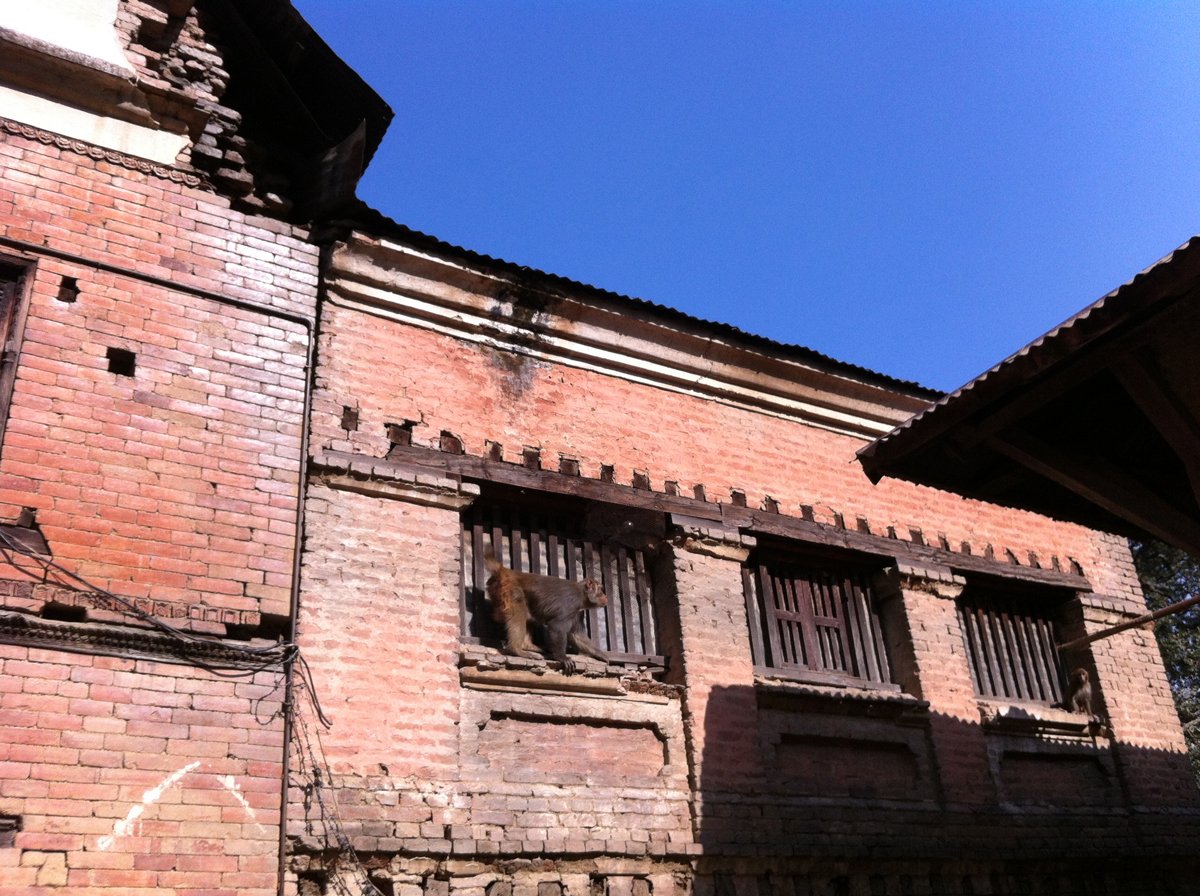
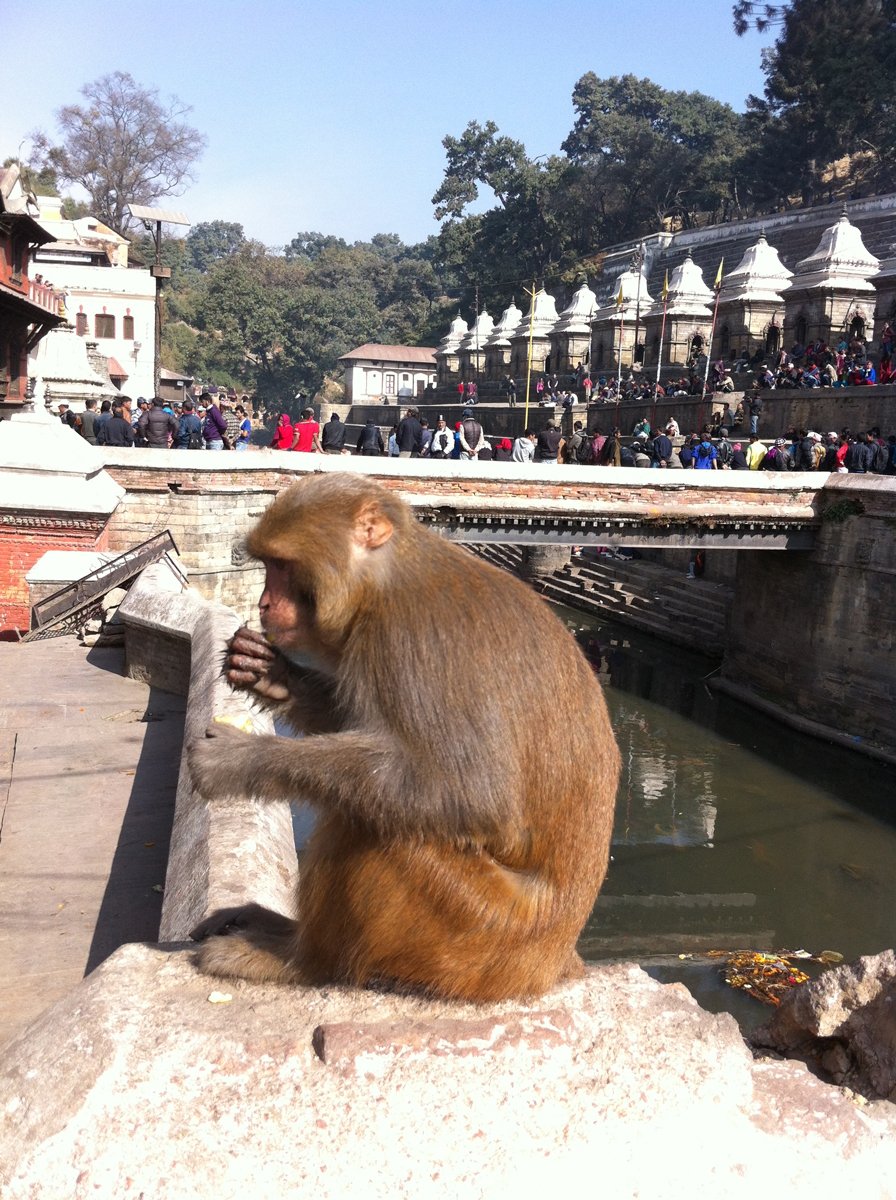
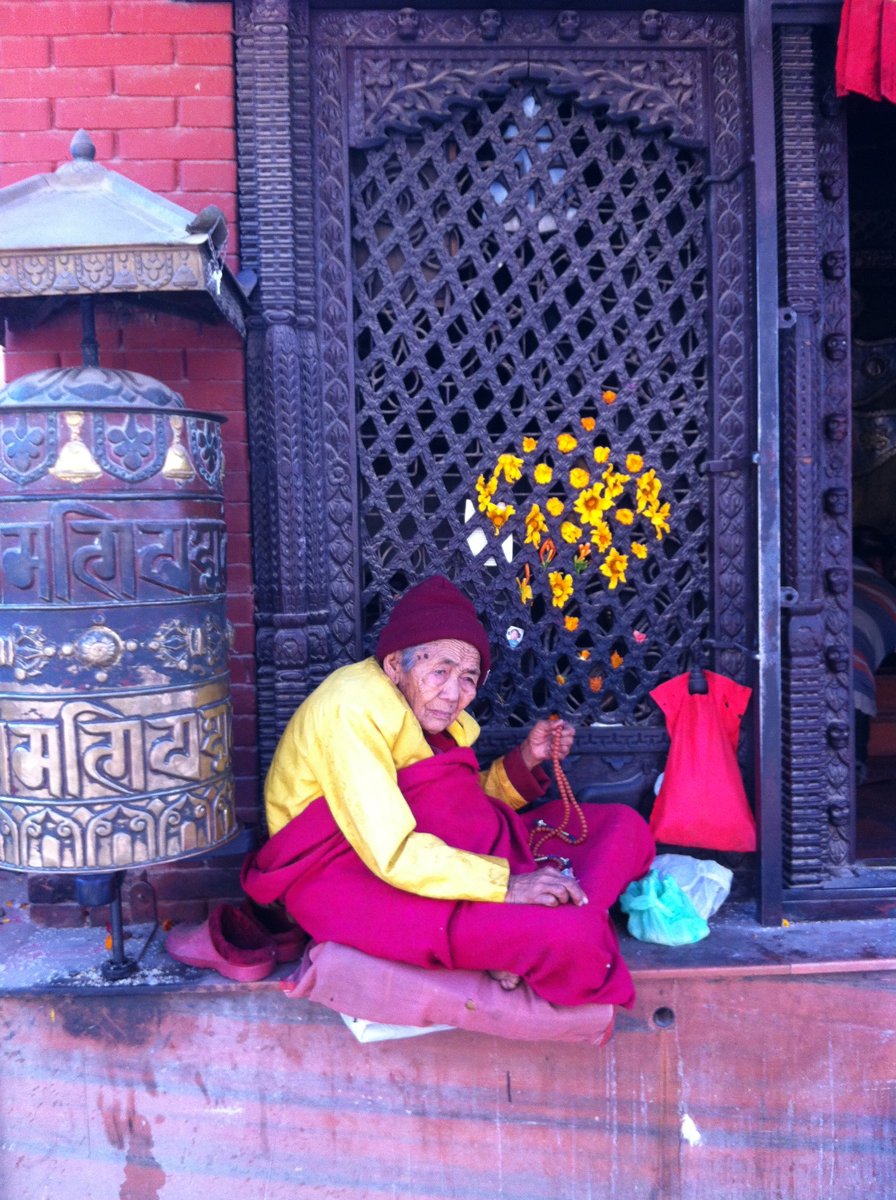
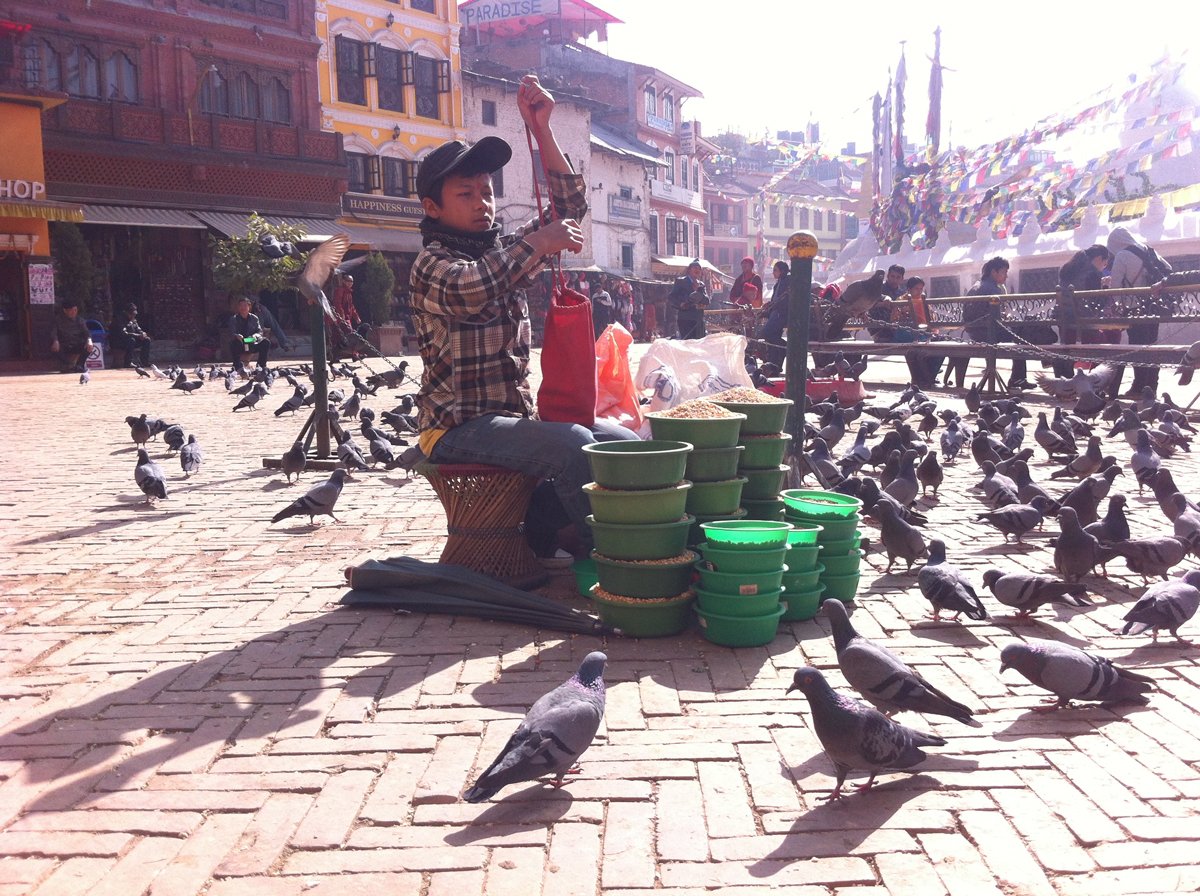
We stayed at Hotel Tibet in the Thamel district, a crowded, electric neighborhood filled with tangled streets, motorcycles, prayer flags, incense, bars, markets, stray dogs, monkeys, and people moving in every direction at once.
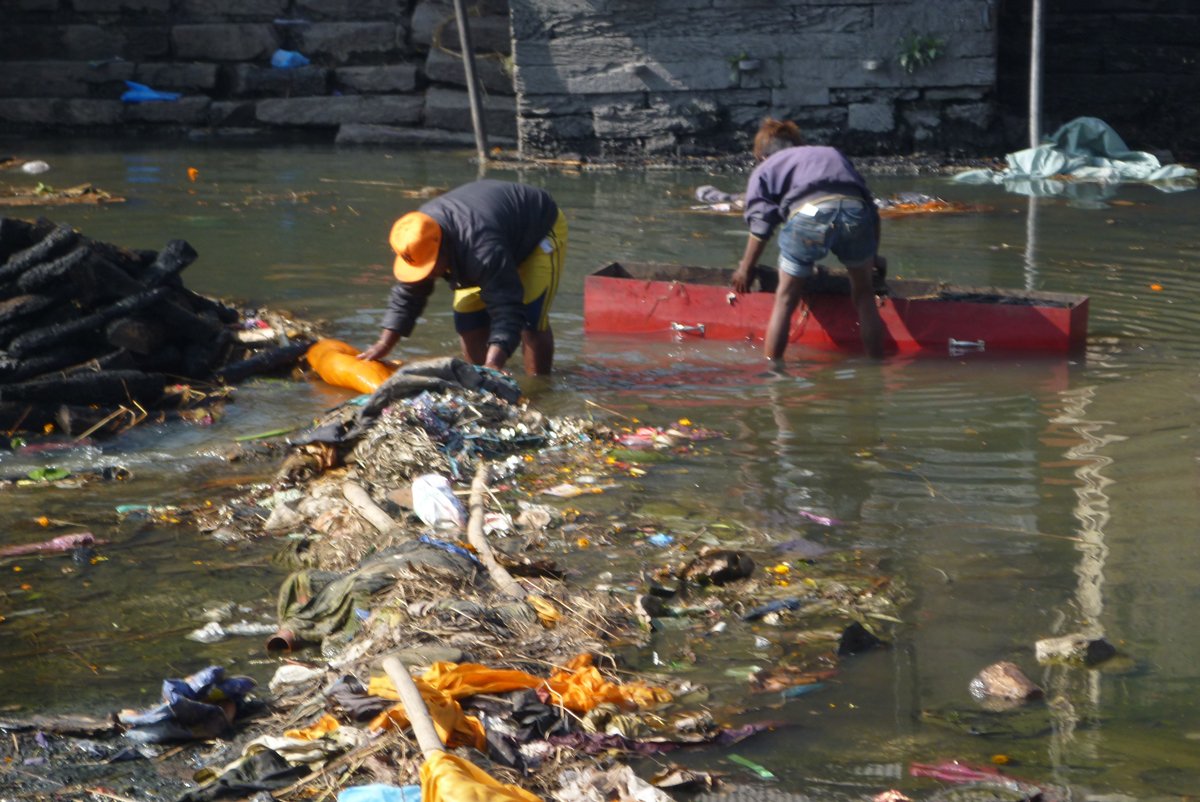
There are moments there that stay with you forever. You see poverty unlike anything most Americans have ever witnessed. You see bodies being cremated beside rivers. You smell the smoke. You see suffering, resilience, beauty, and life all existing together in a way that completely changes your perspective on the world.
At times, Kathmandu breaks your heart.
And at the same time, it reminds you exactly why you travel.
For three days, Tim and I explored every corner we could. We drank local beer, wandered the streets late into the night, met travelers from around the world, and prepared for the adventure ahead.
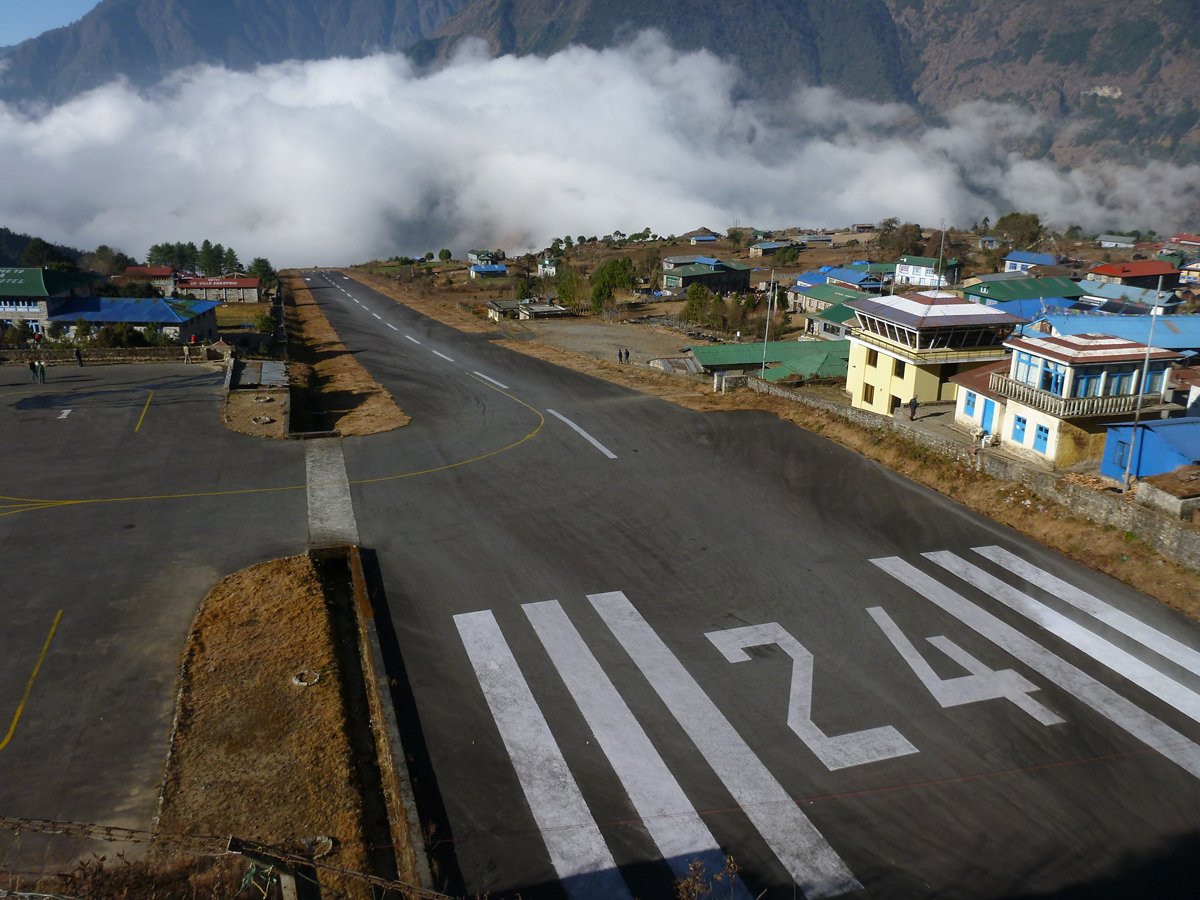
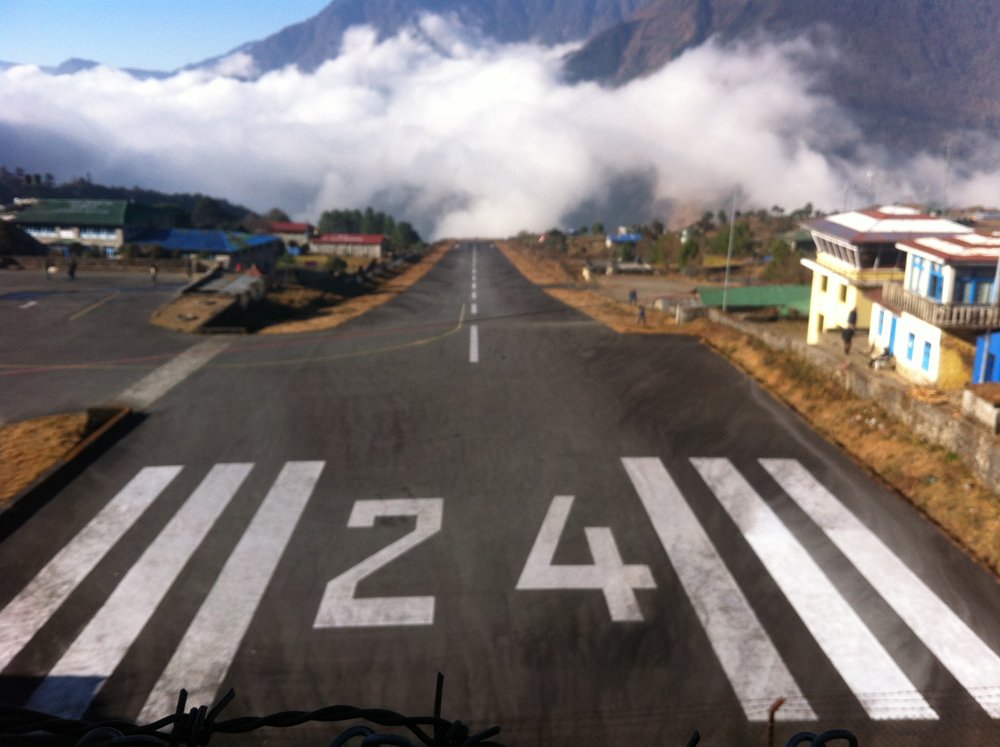
Eventually, it was time to fly to Lukla — the tiny mountain airport often called the most dangerous airport in the world.
Except the weather had other plans.
Flying Into the Most Dangerous Airport on Earth
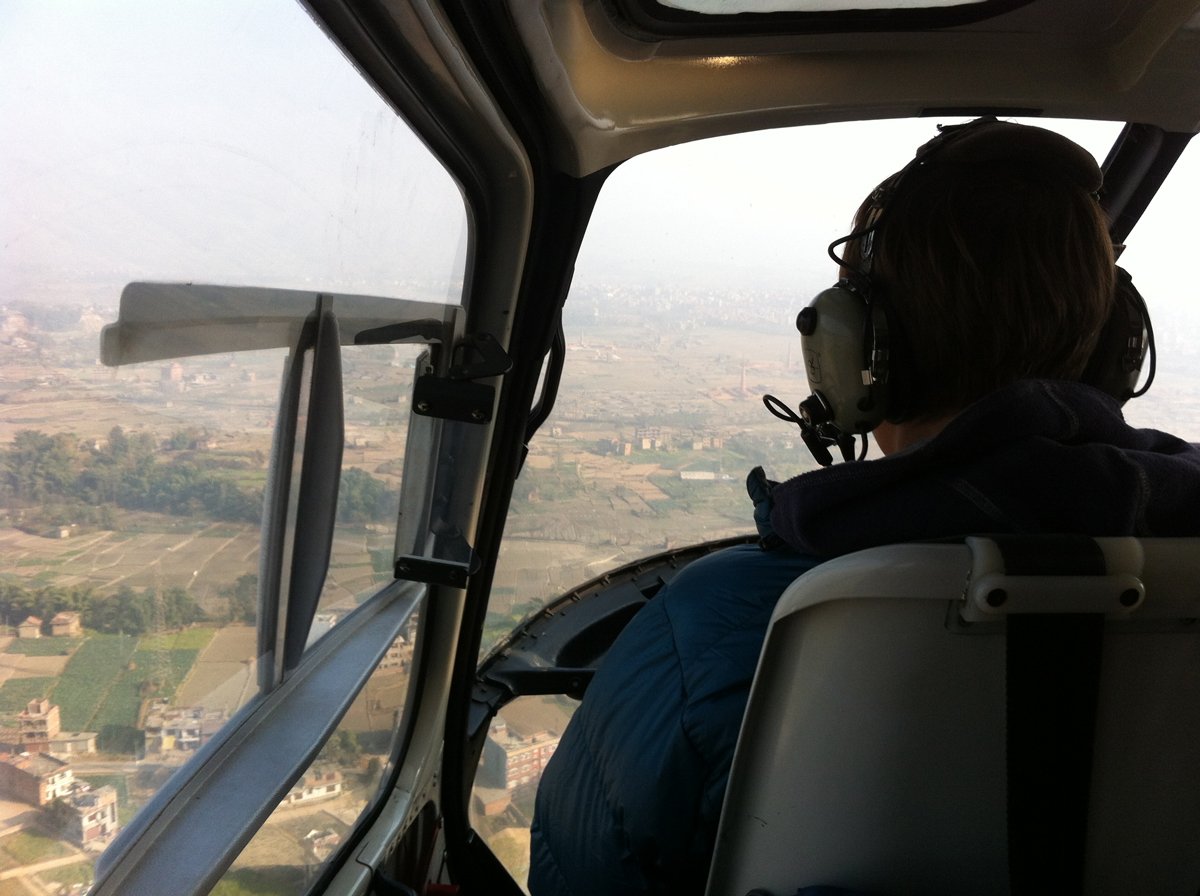
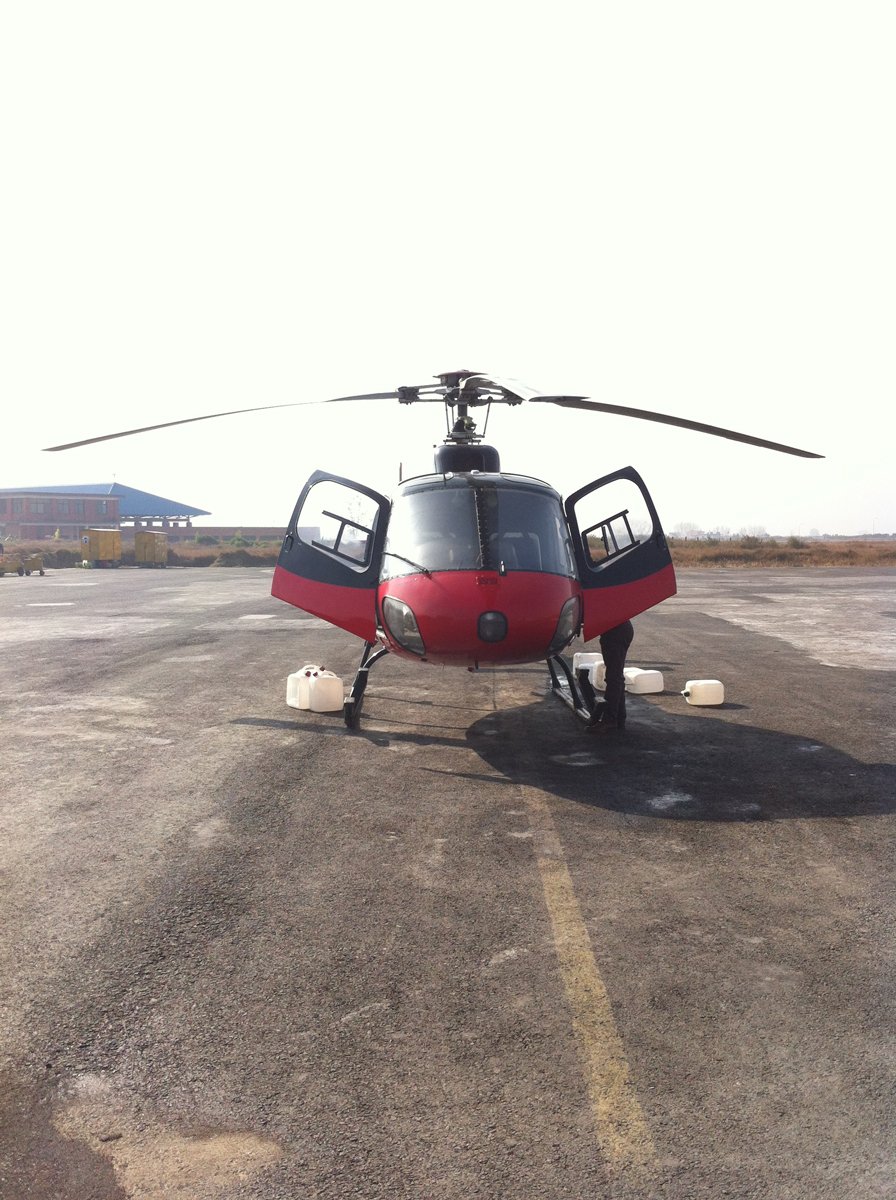
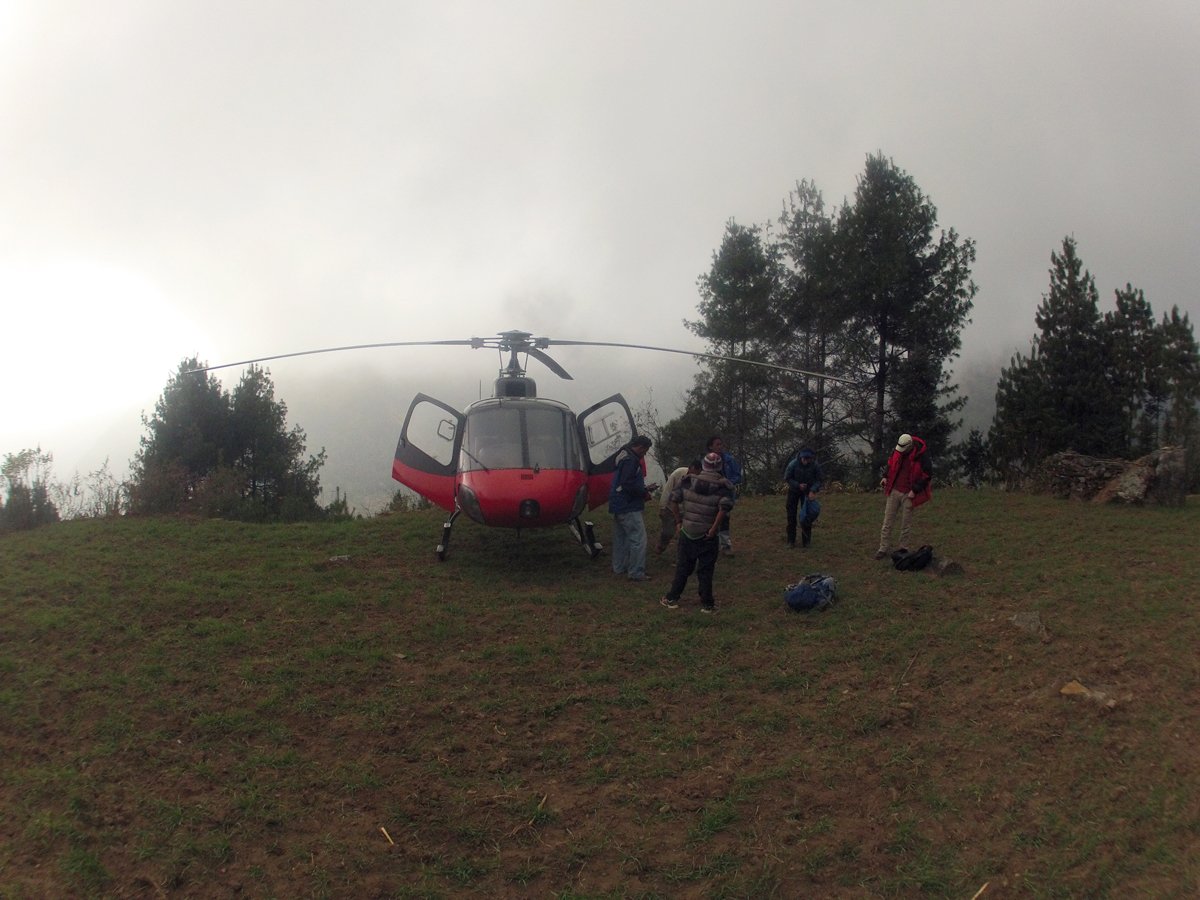
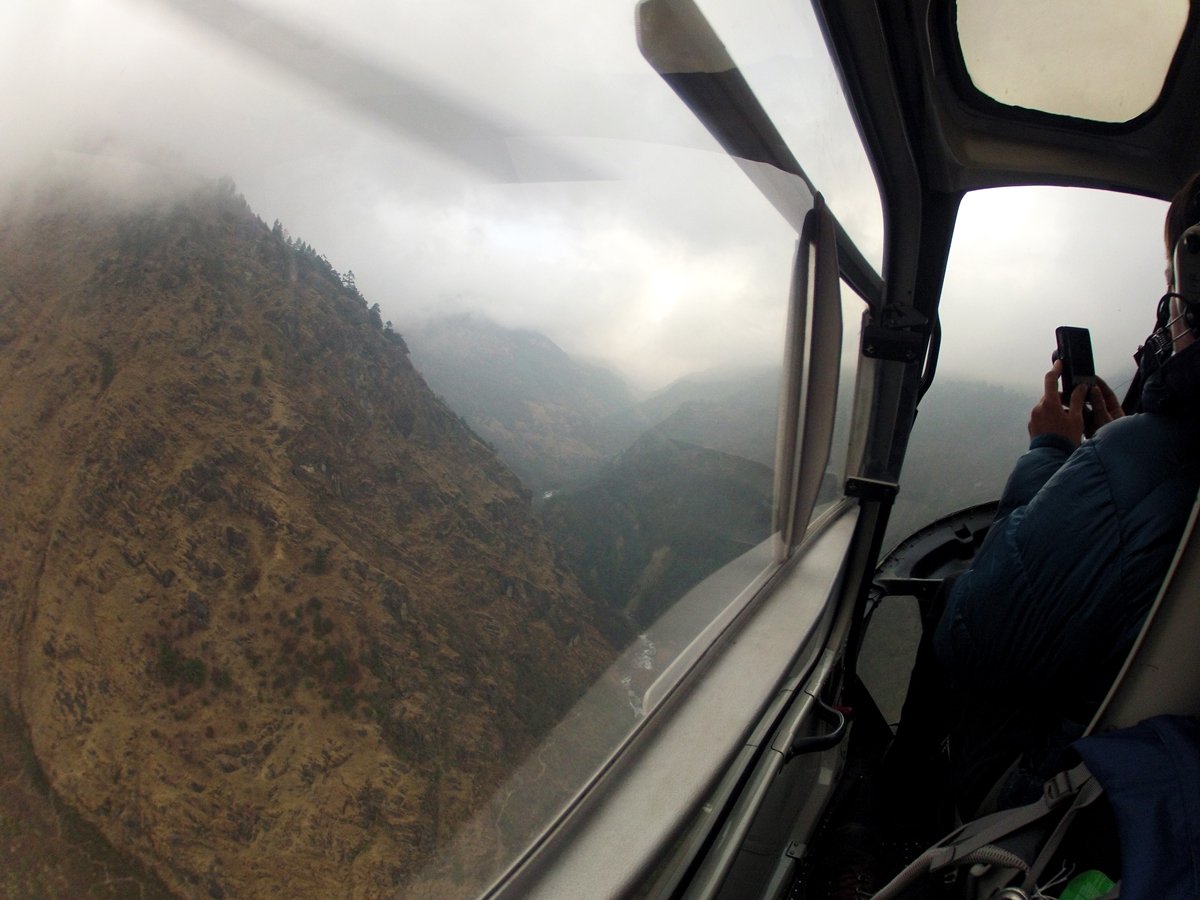
The winds were brutal that morning, and flights were canceled indefinitely. Some people were being told they might be stuck in Kathmandu for weeks. We had two choices: abandon the trek entirely or pay for a helicopter ride into the mountains.
We chose the helicopter.
To this day, it remains one of the wildest flights of my life.
The weather was terrible. Visibility was low. The helicopter twisted through Himalayan valleys and between massive snow-covered peaks while turbulence bounced us around like a toy. At one point it felt less like flying and more like surviving.
Eventually, instead of landing in Lukla itself, we touched down in what looked like a farmer’s backyard several hundred vertical feet below town.
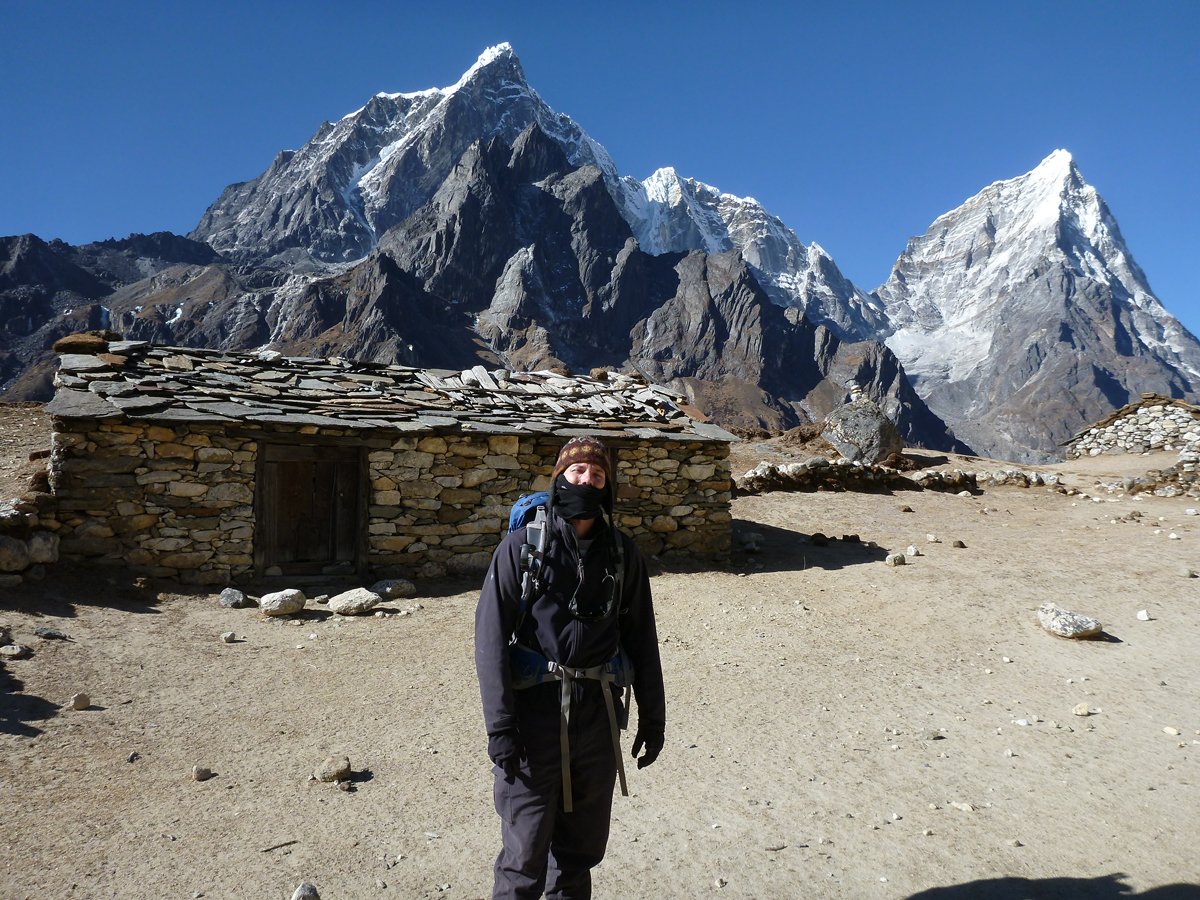
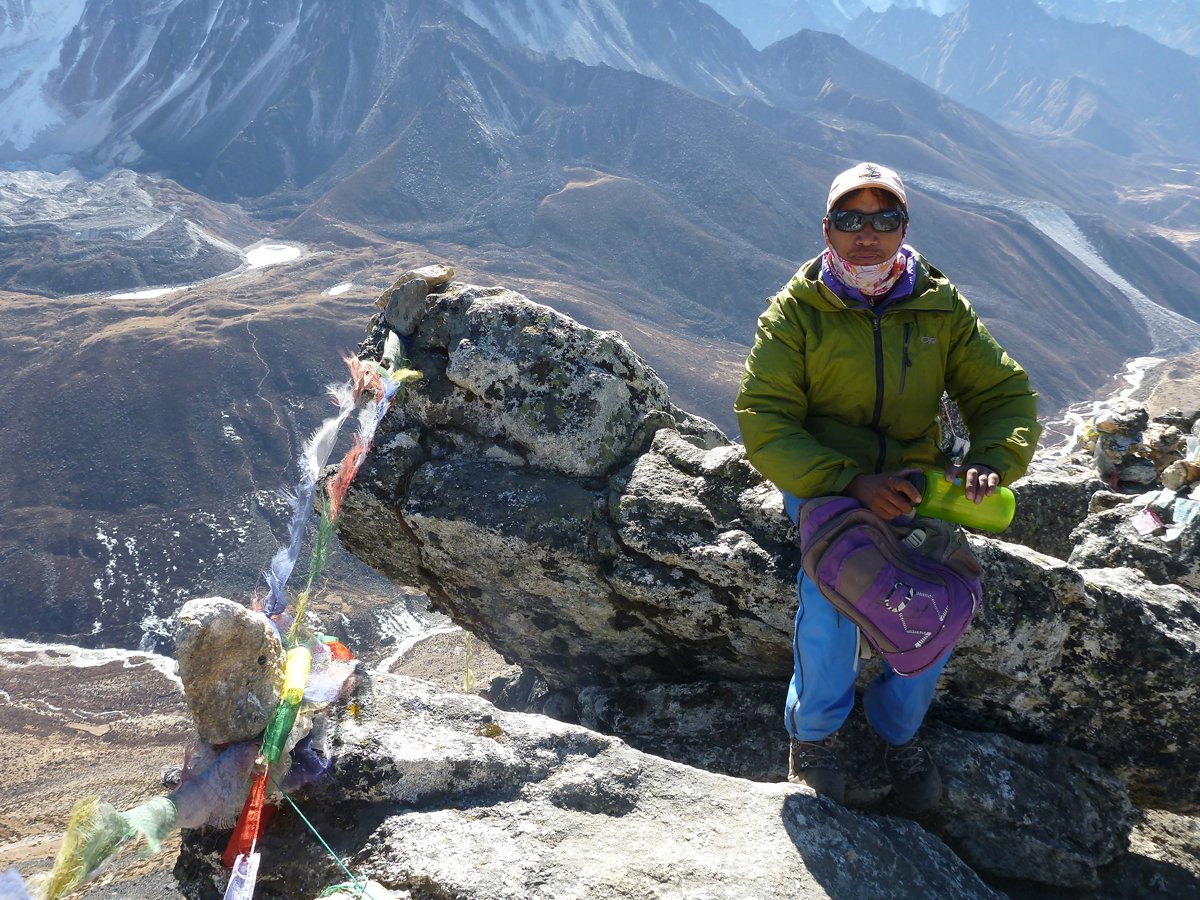
We grabbed our gear and hiked uphill to Lukla, where we met our Sherpa guide, Pasang, who would become our companion for the next 24 days.
The following morning, the trek began.
Life on the Everest Trail
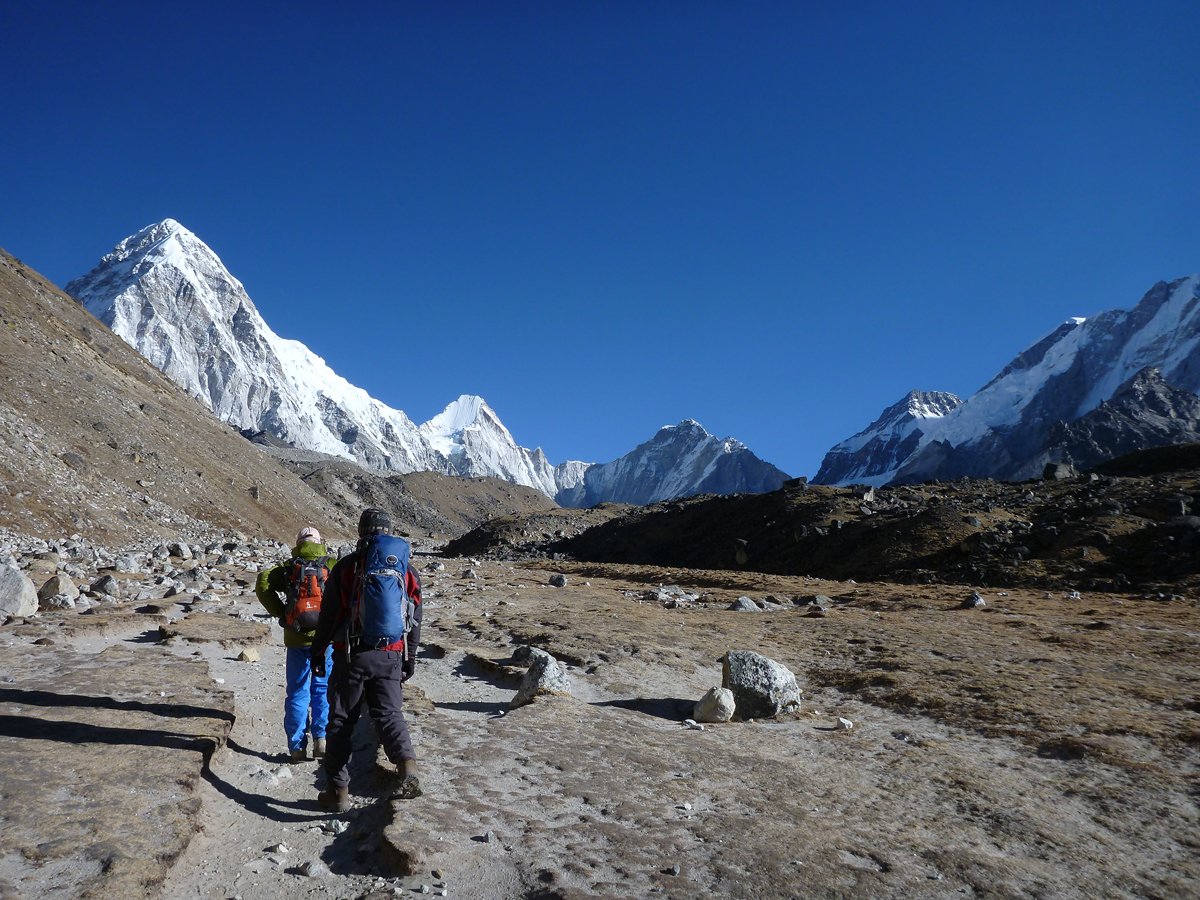
From that point on, life became wonderfully simple: walk, eat, sleep, repeat.
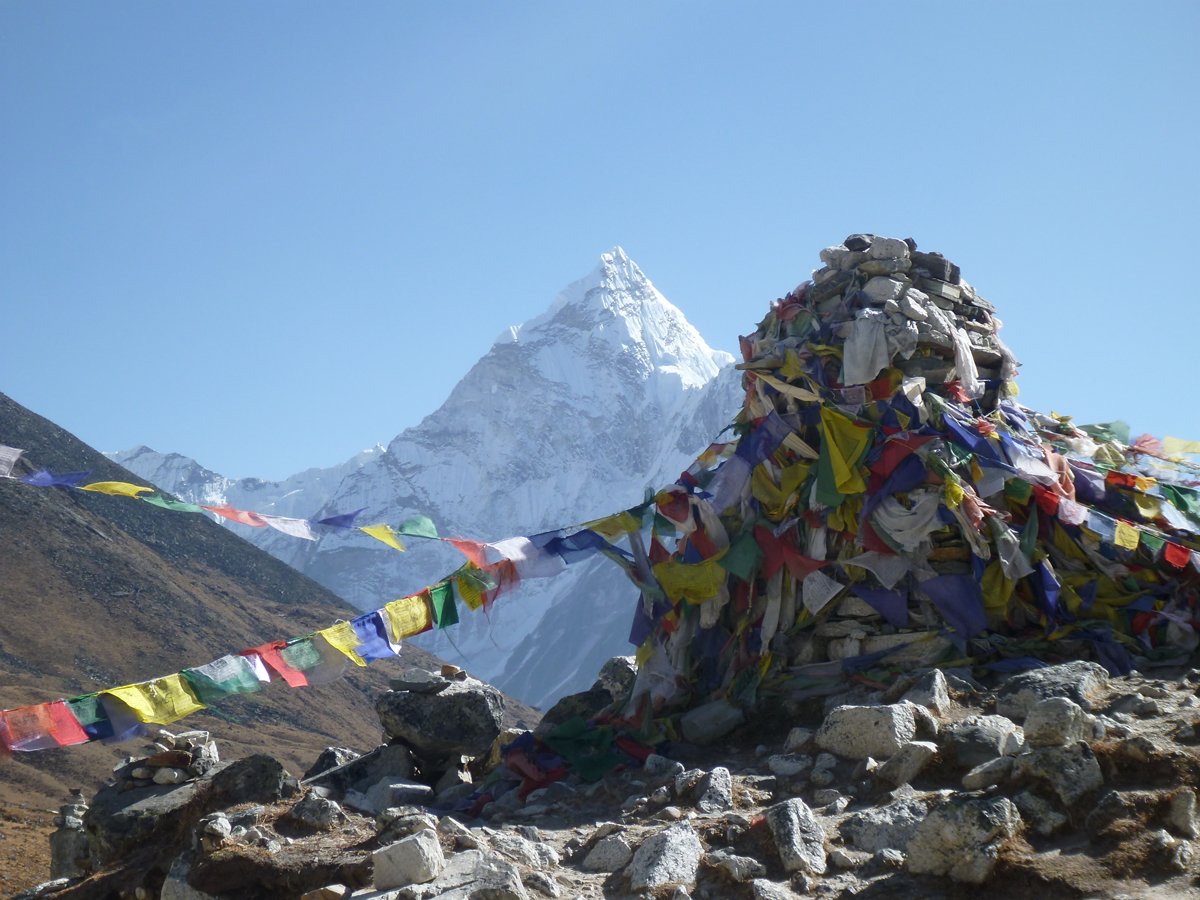
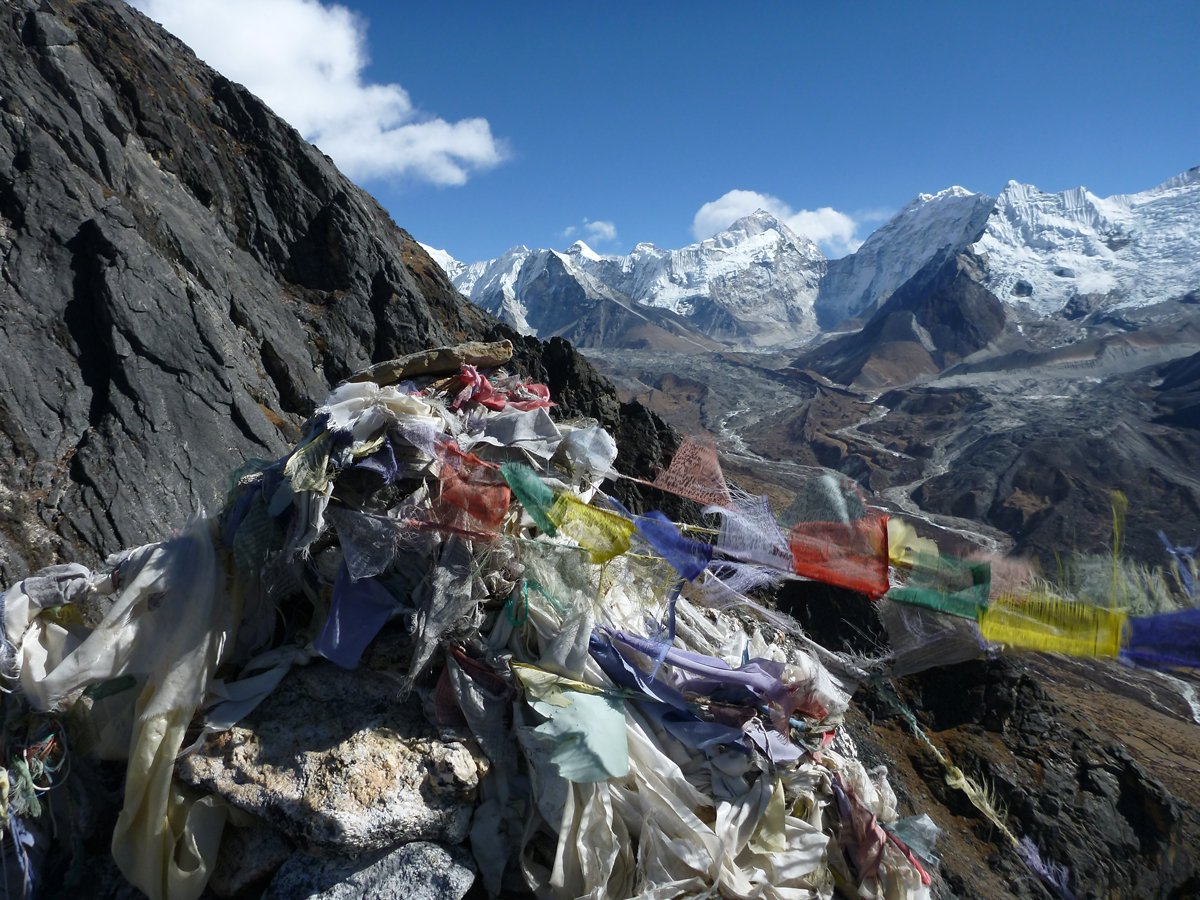
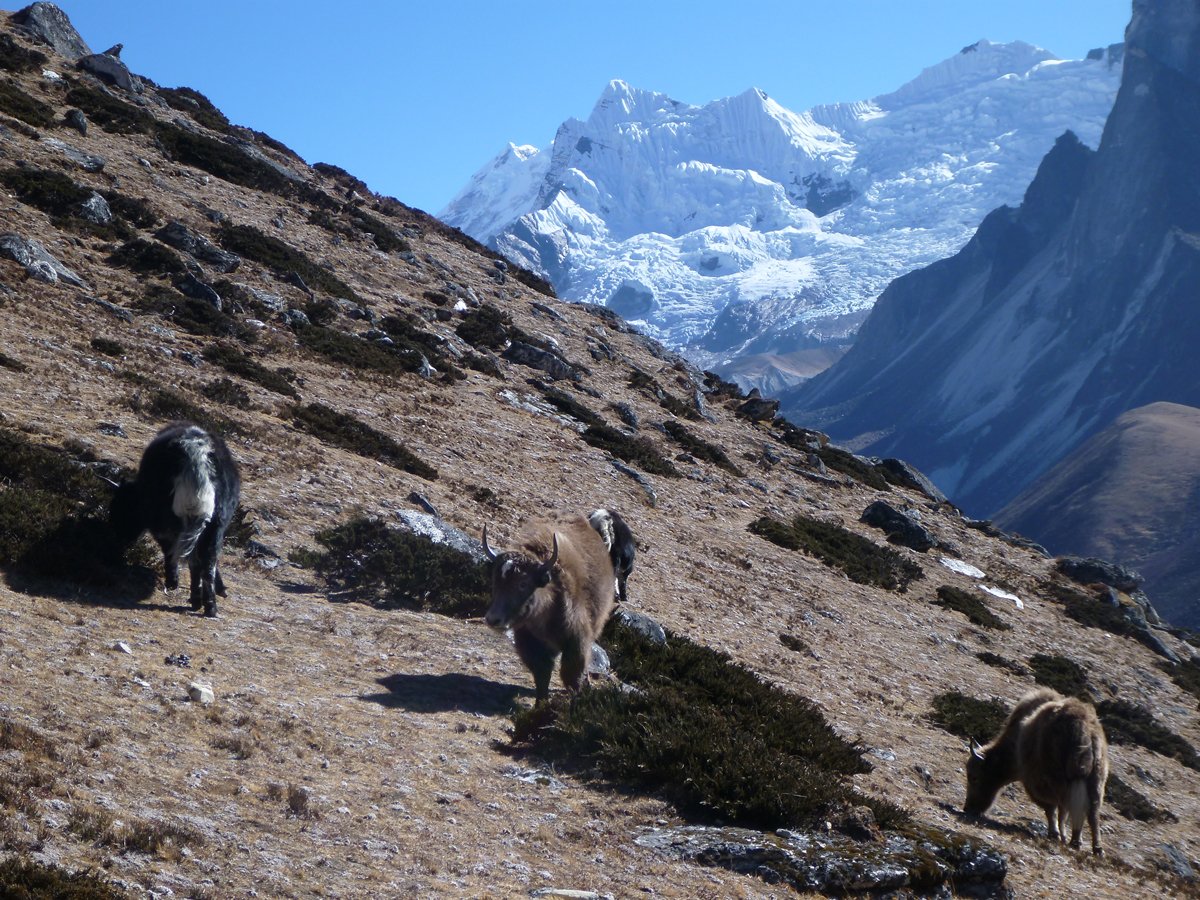
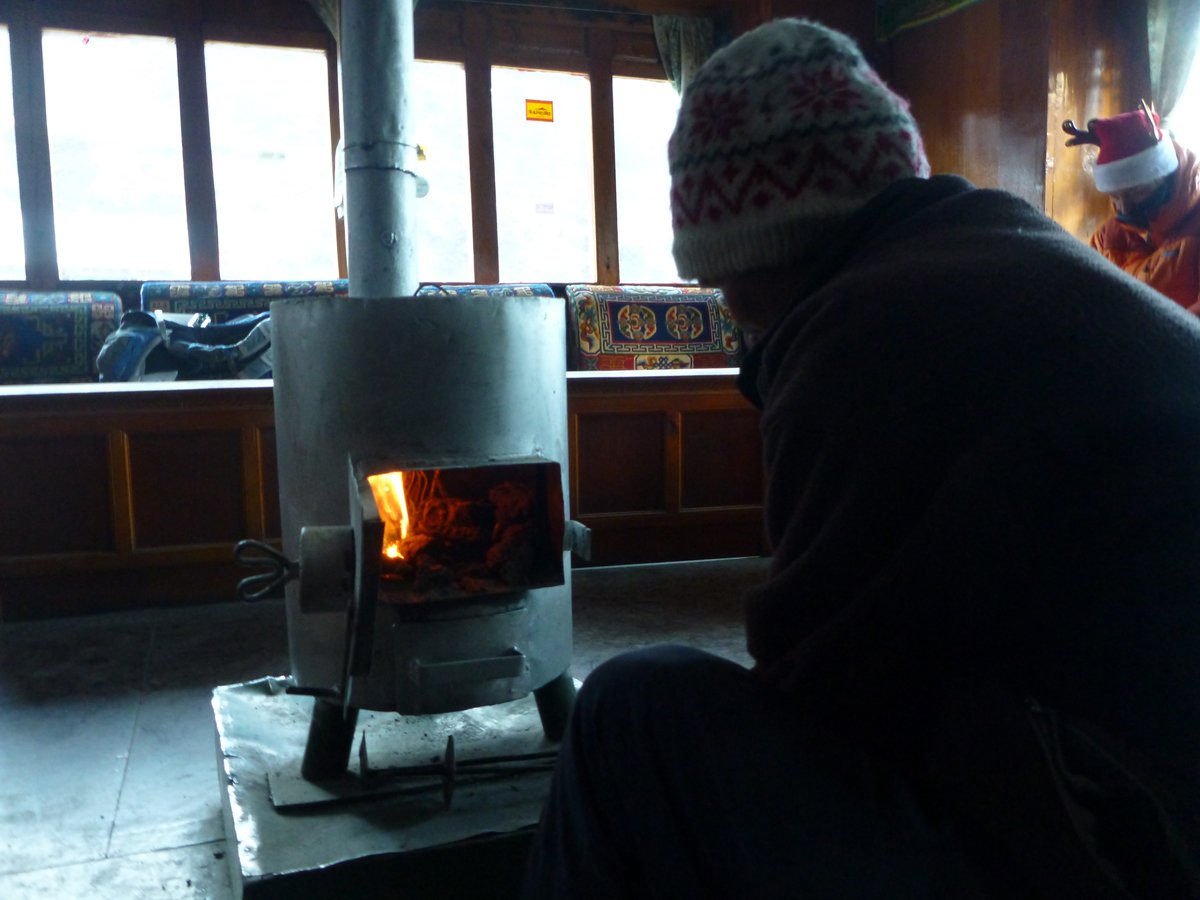
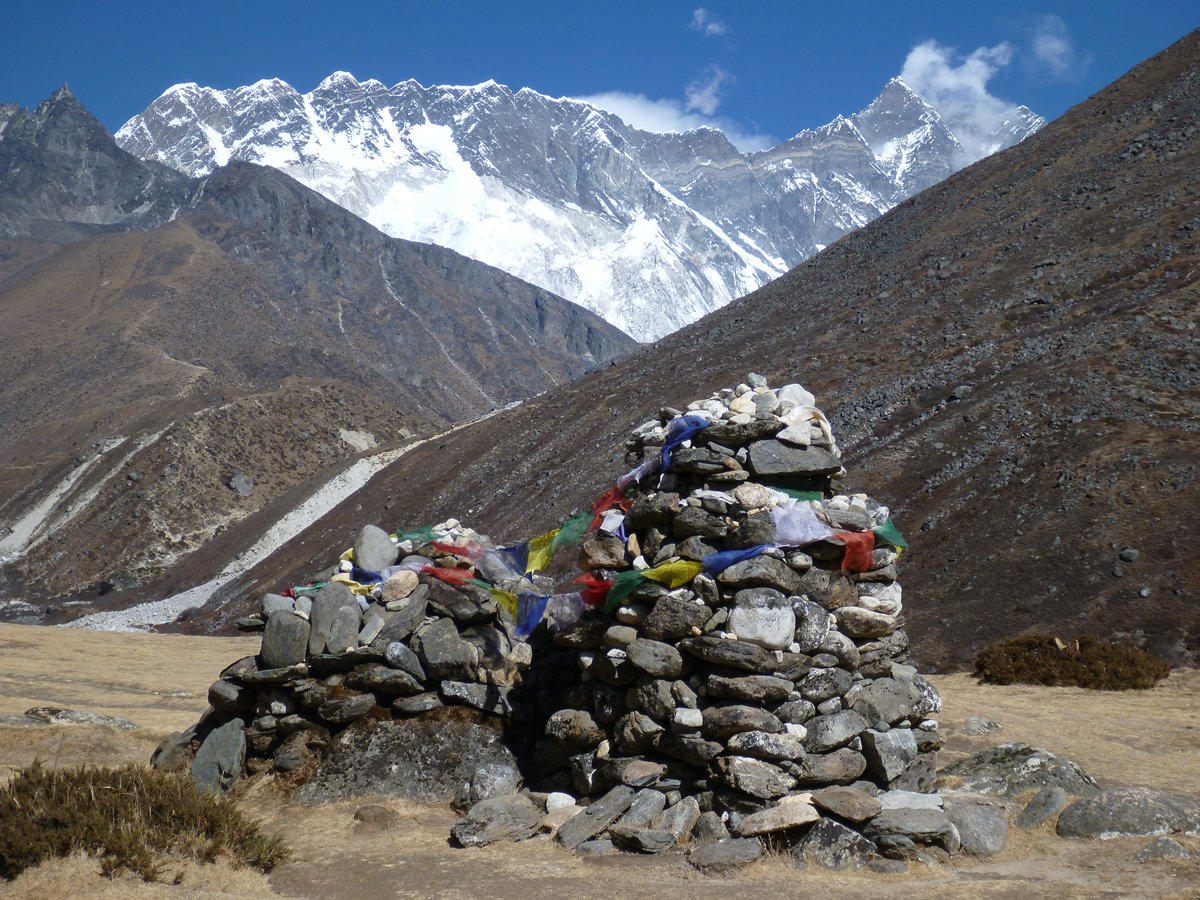
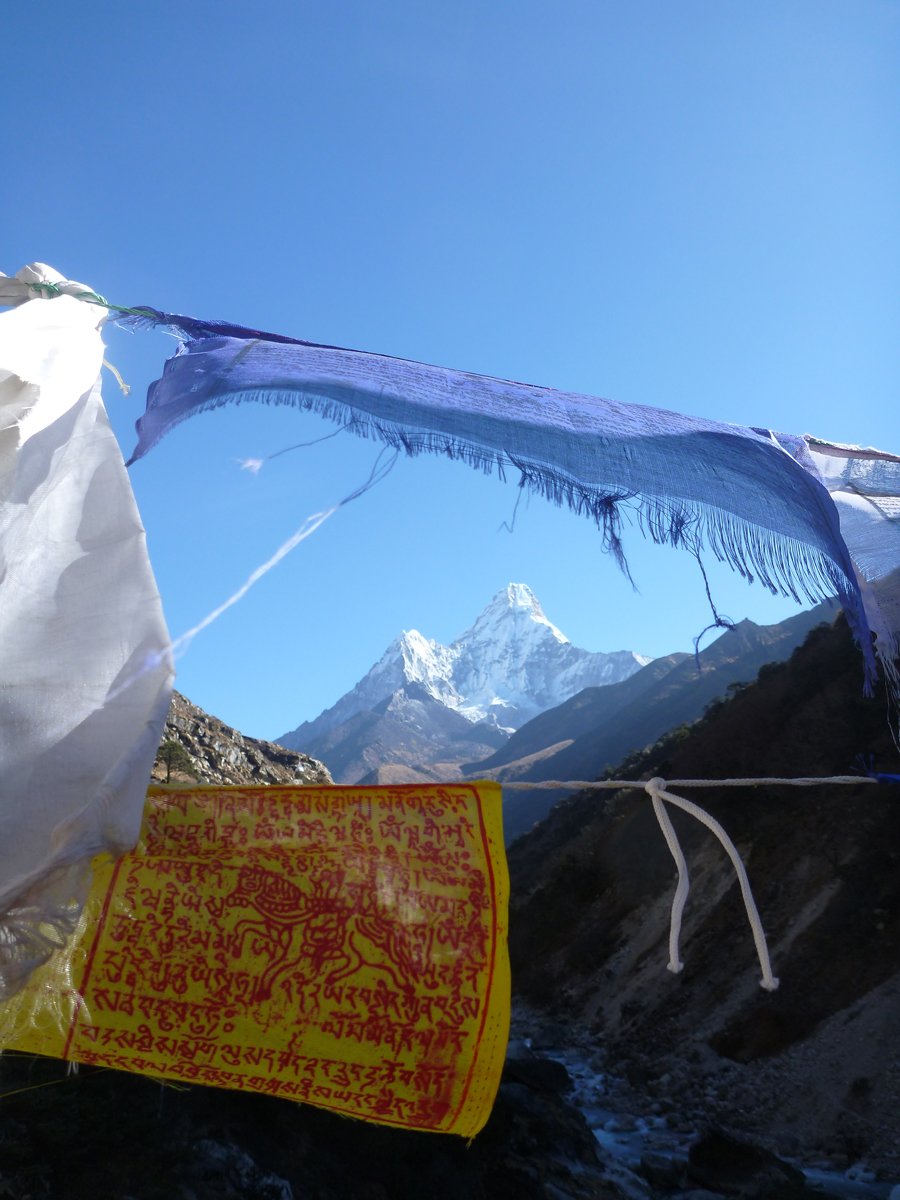
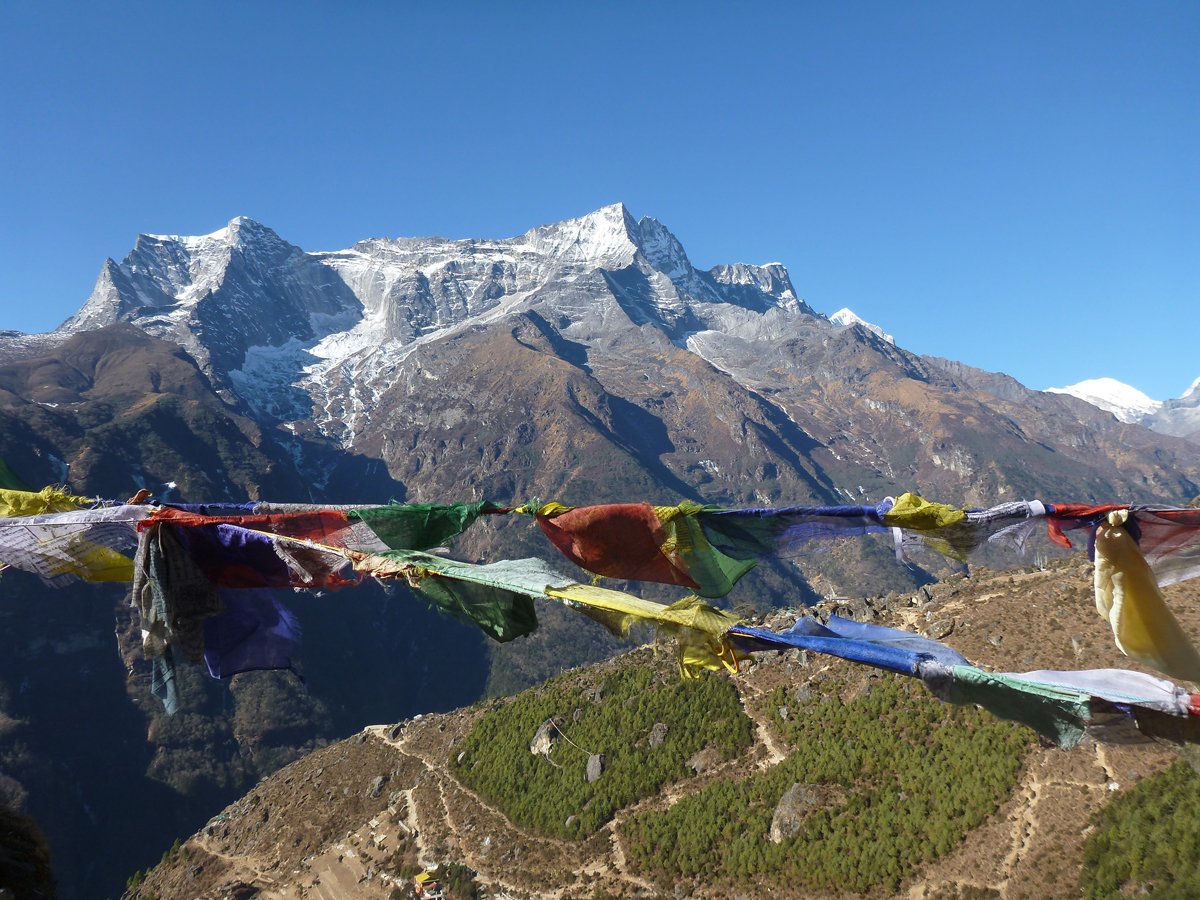
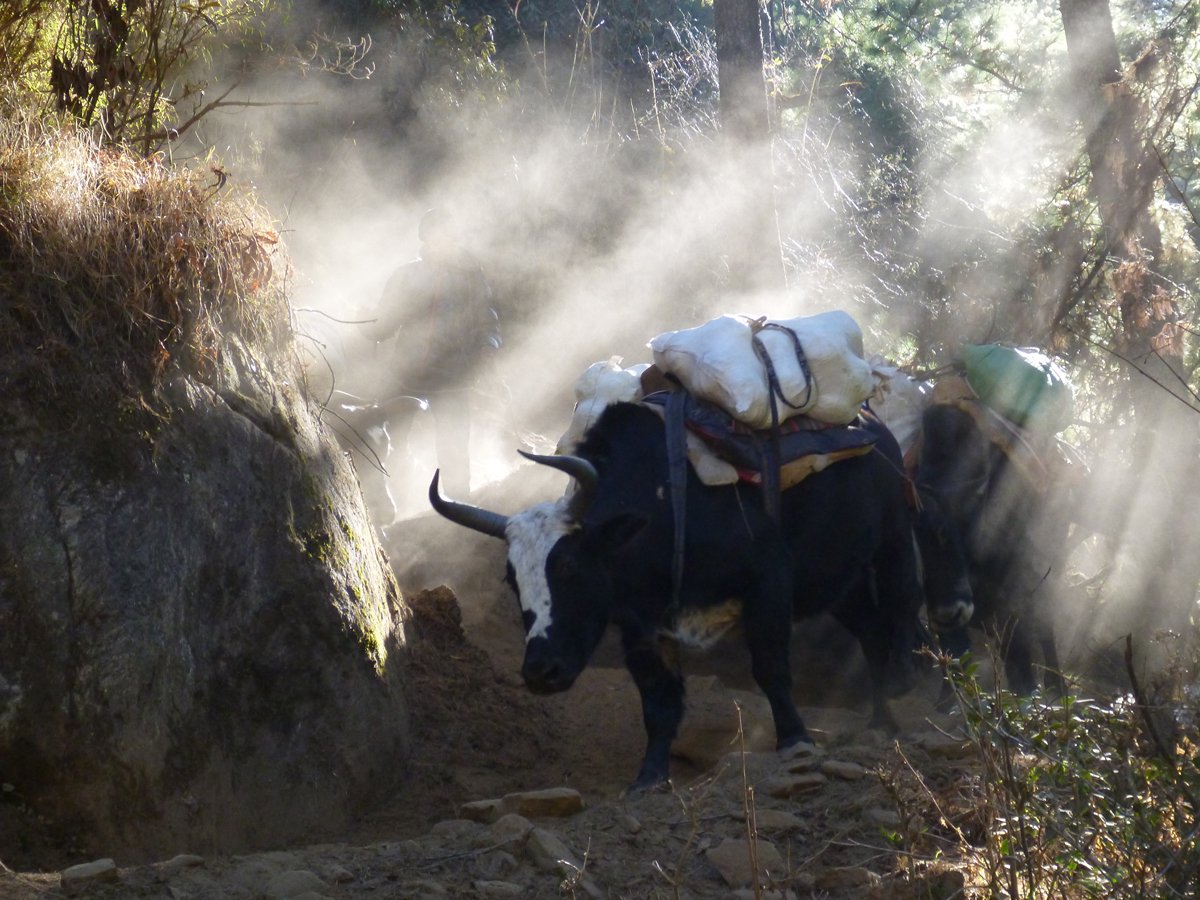
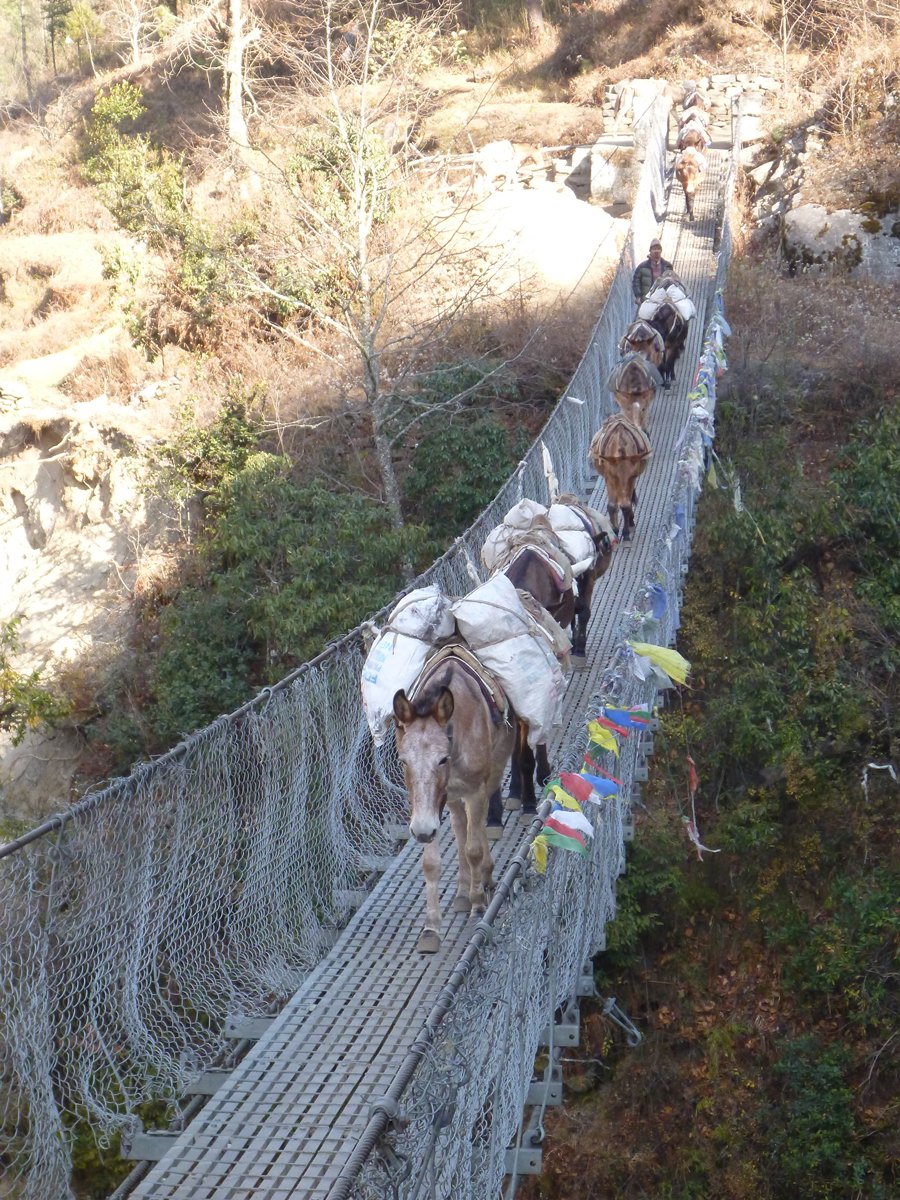
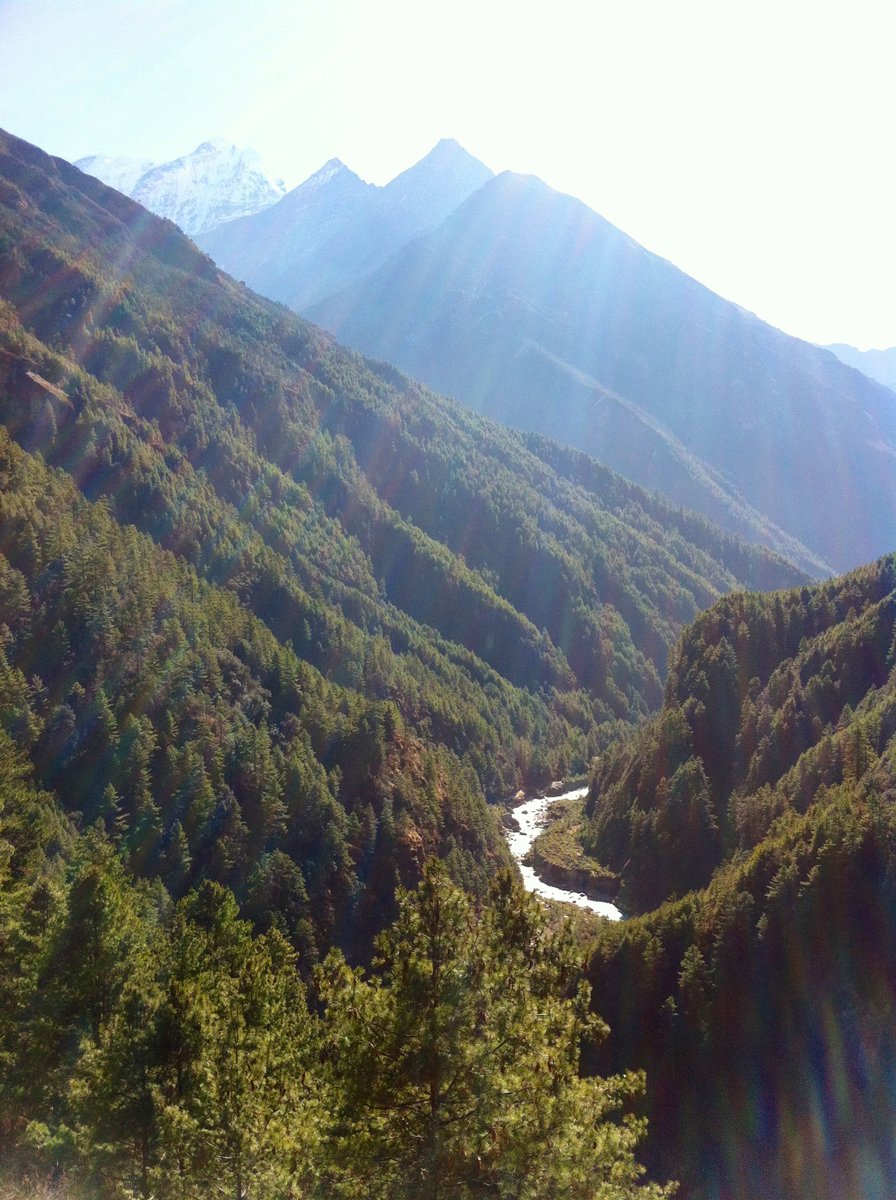
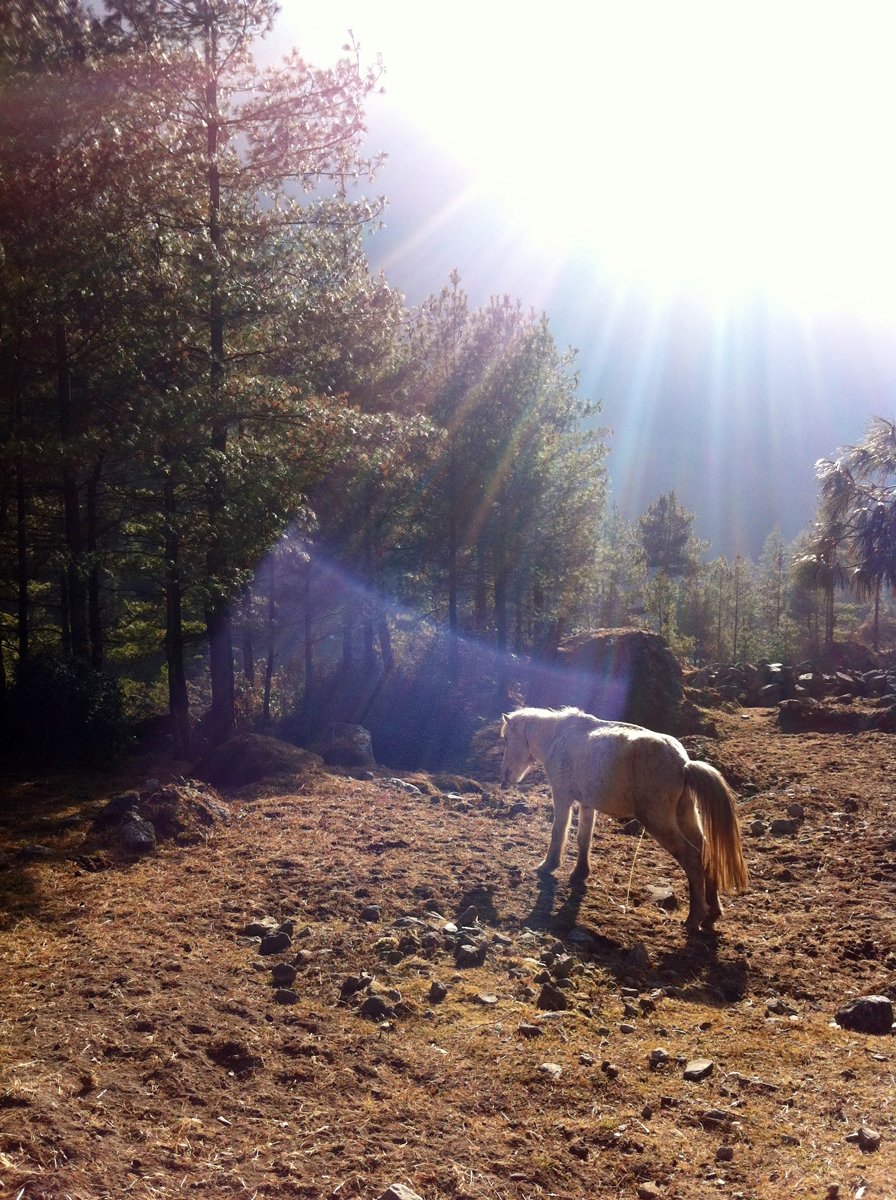
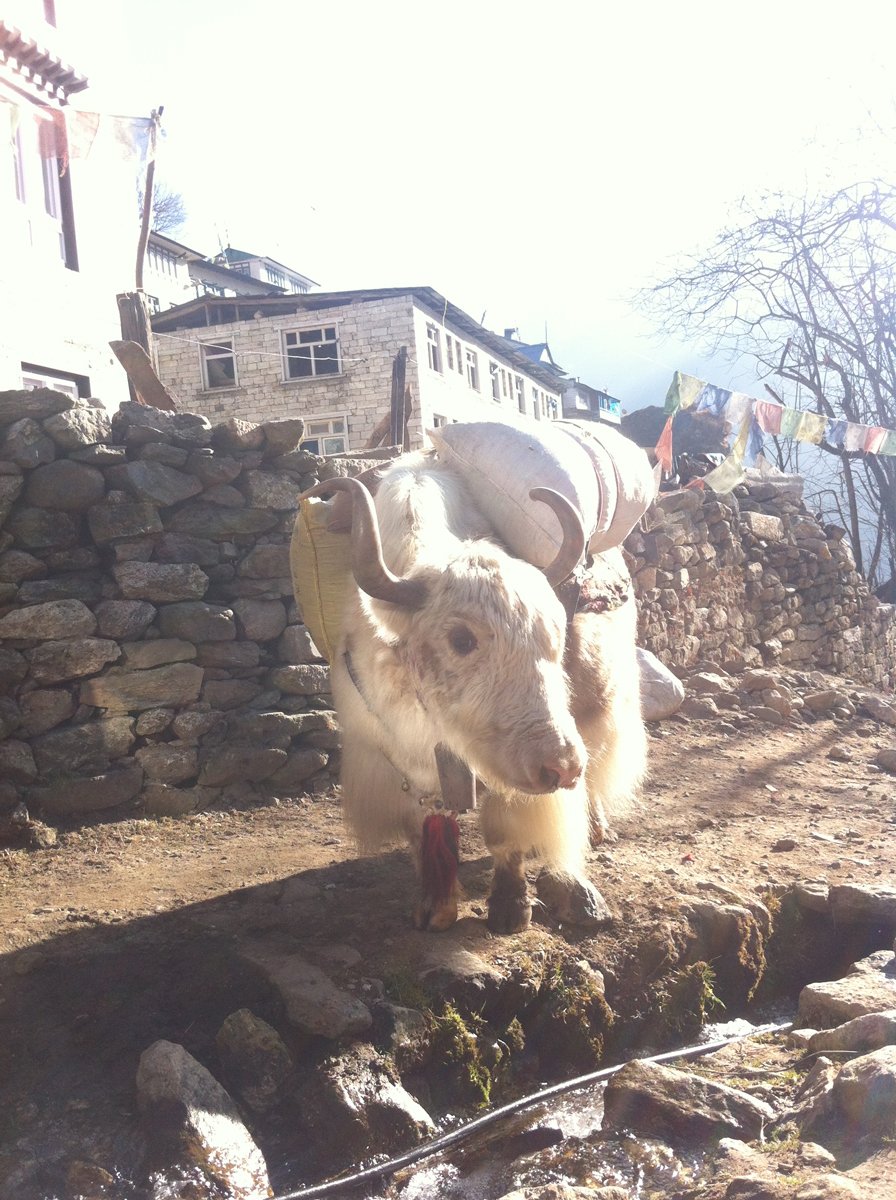
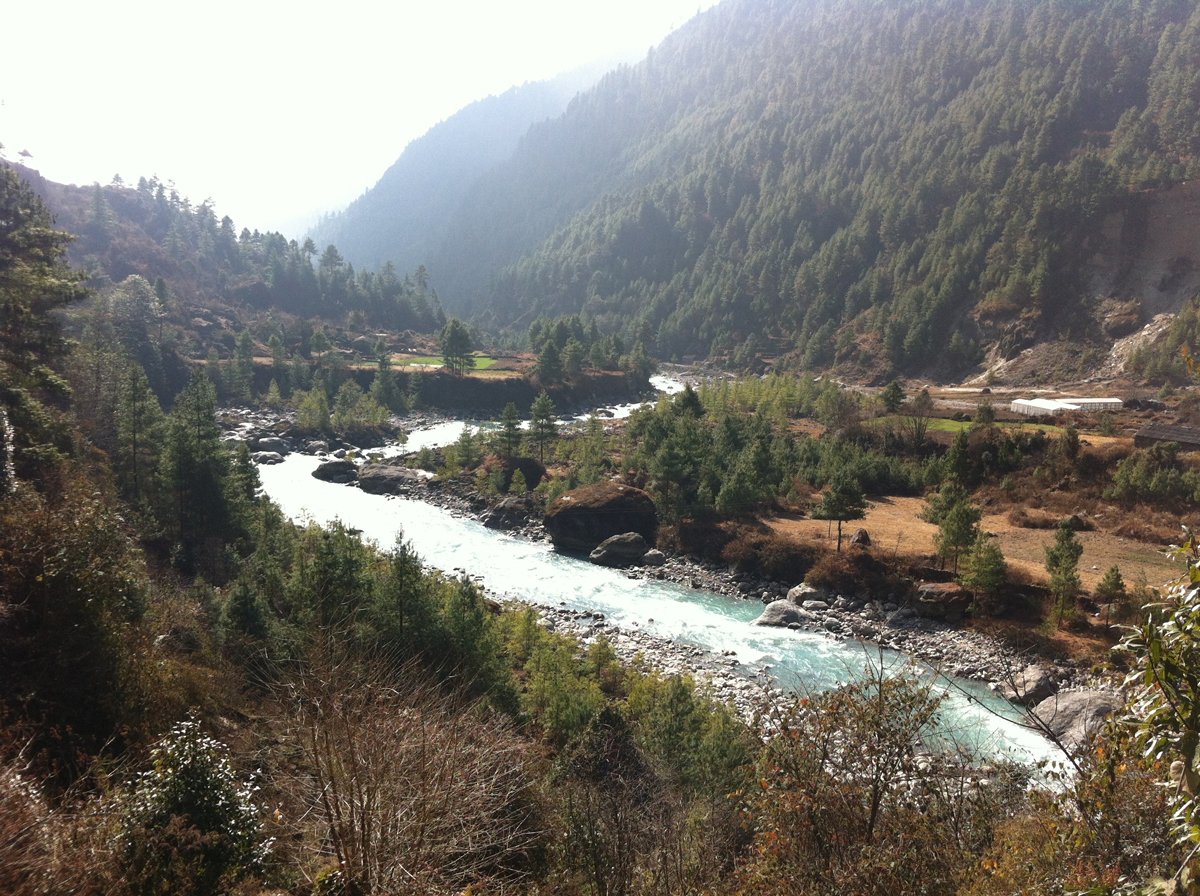
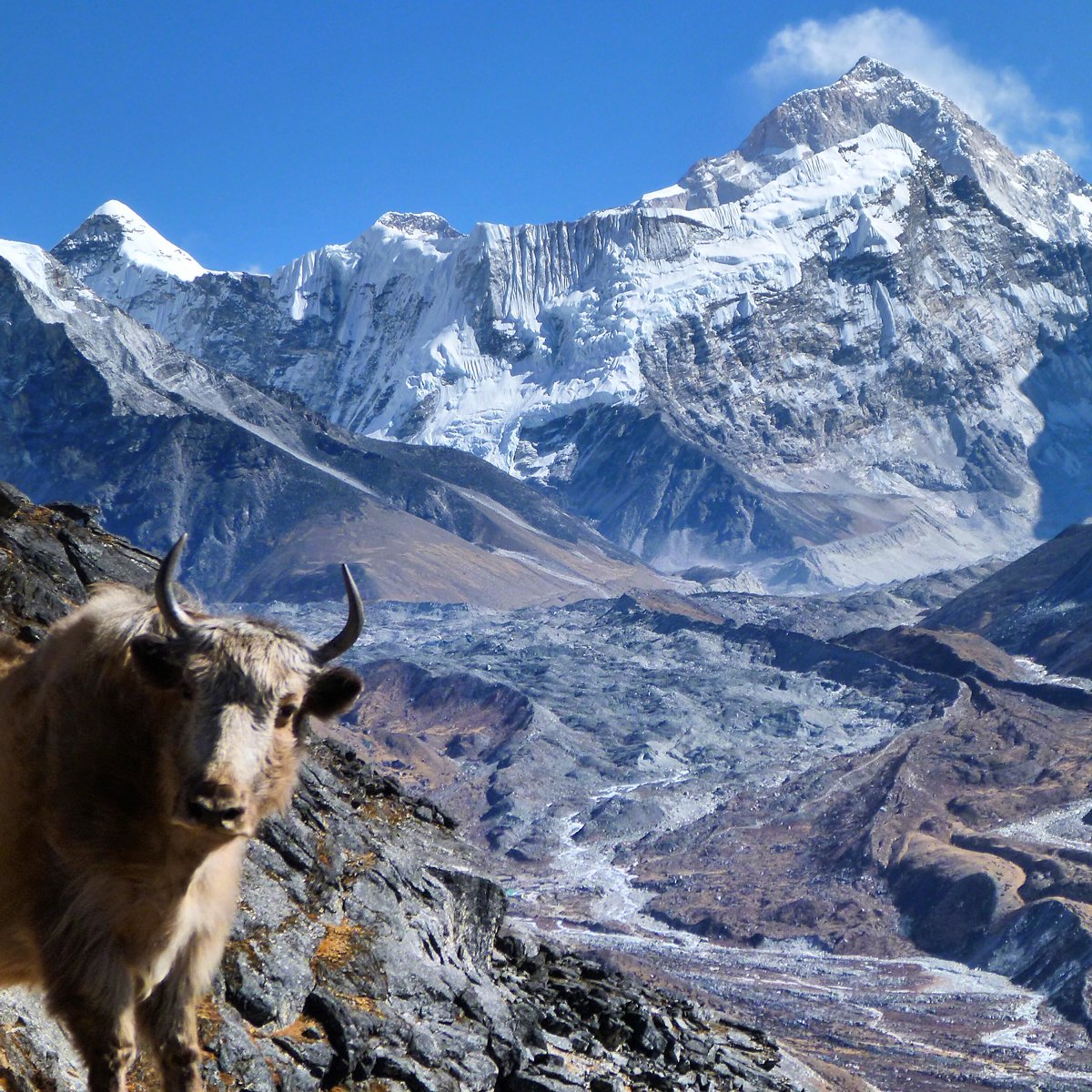
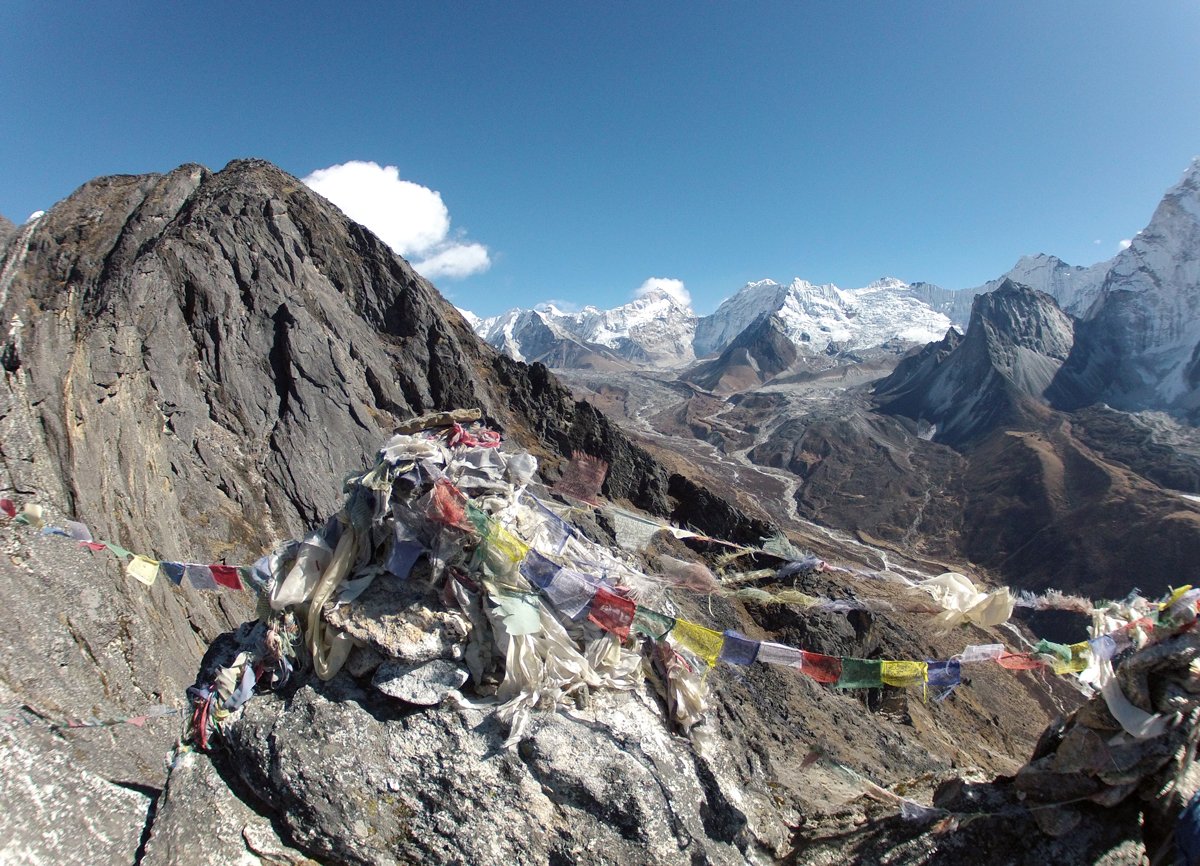
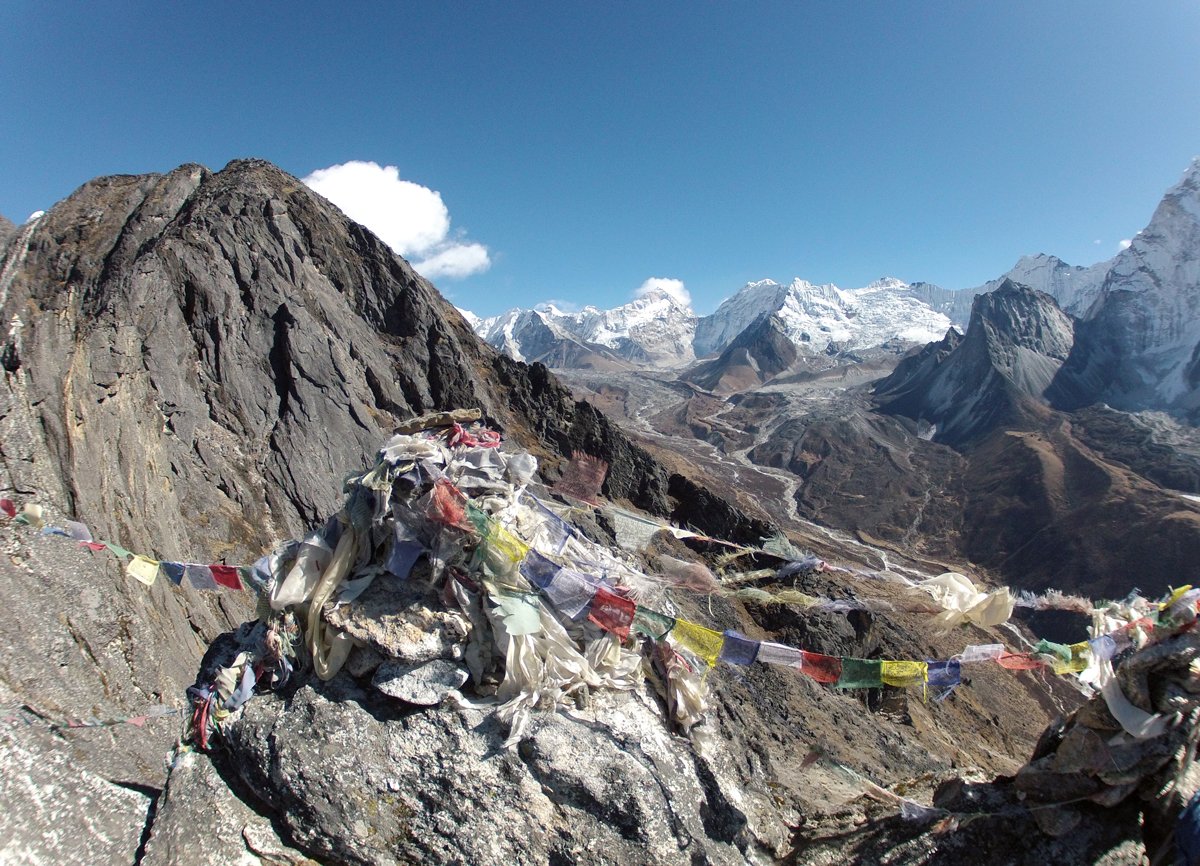
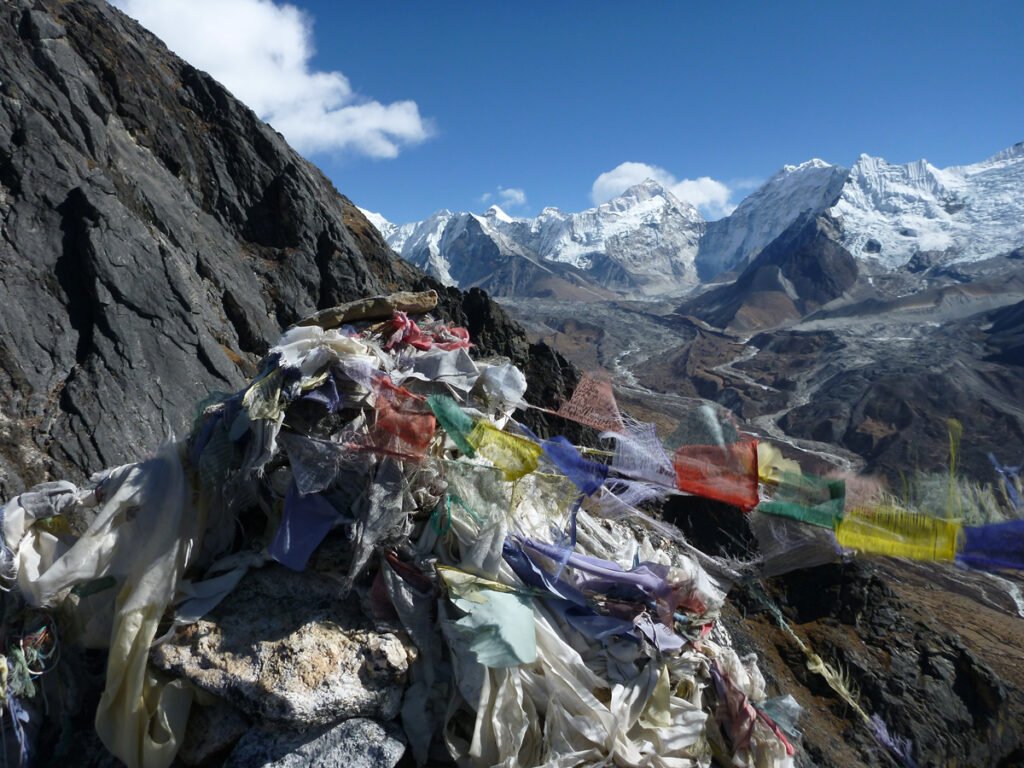
We crossed suspension bridges draped in prayer flags high above raging rivers. We passed caravans of yaks carrying supplies through narrow mountain trails. We ate steaming bowls of garlic soup and dal bhat inside tiny teahouses warmed by yak-dung stoves.
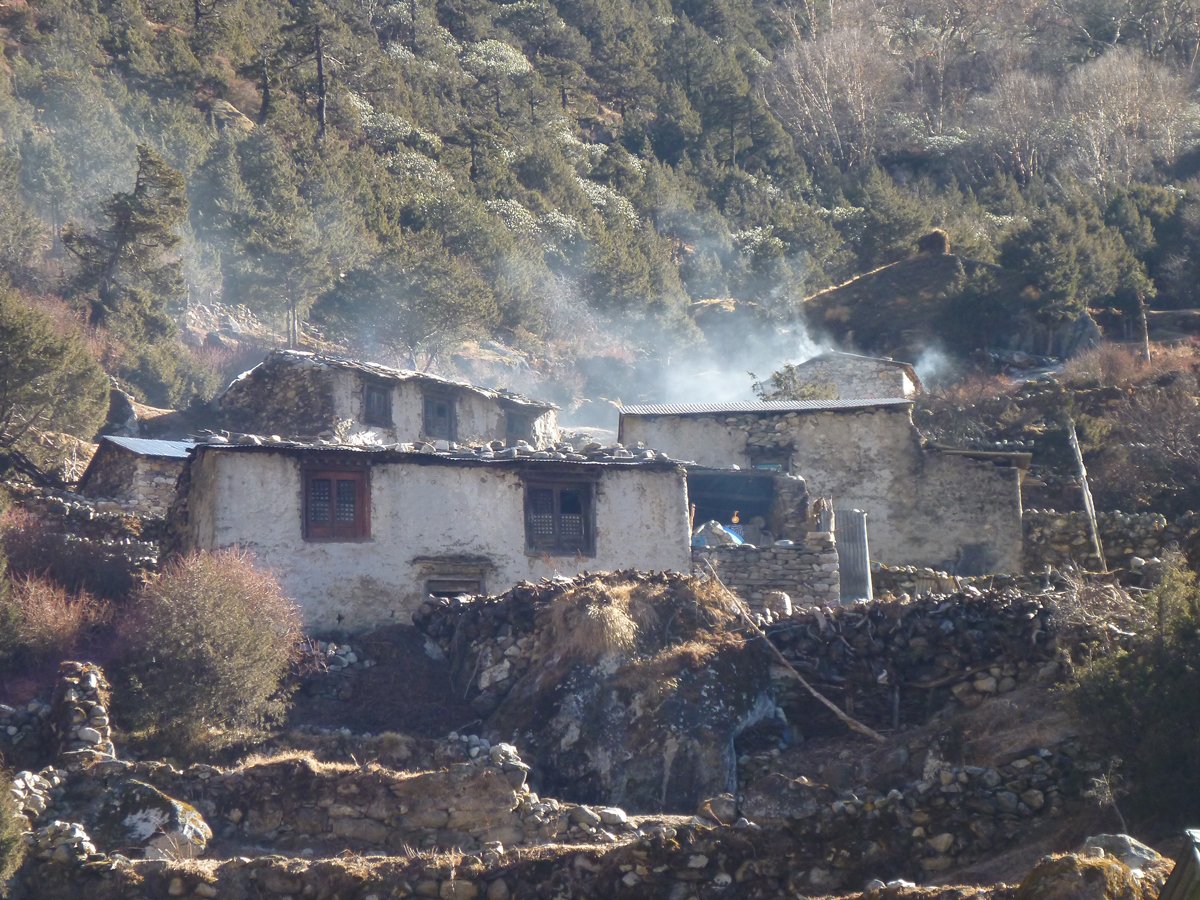
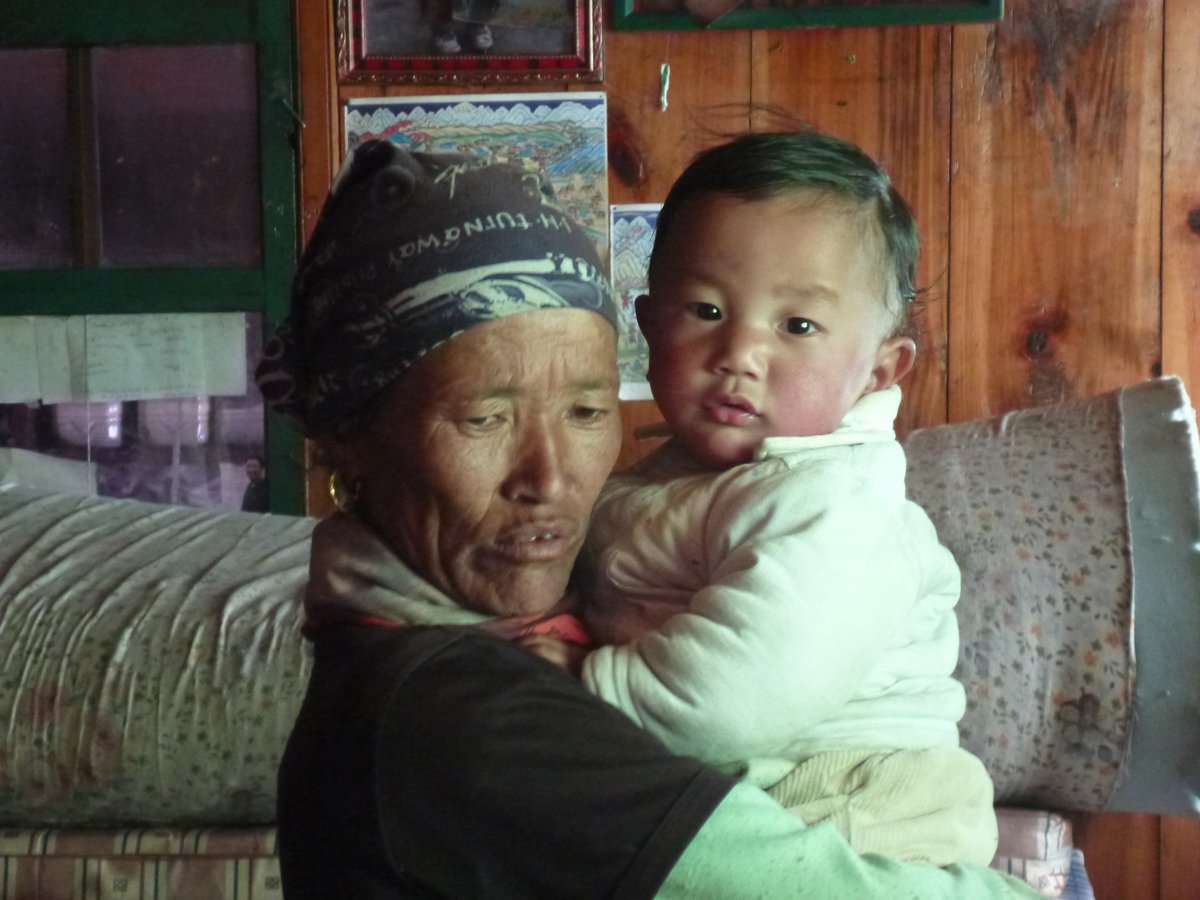
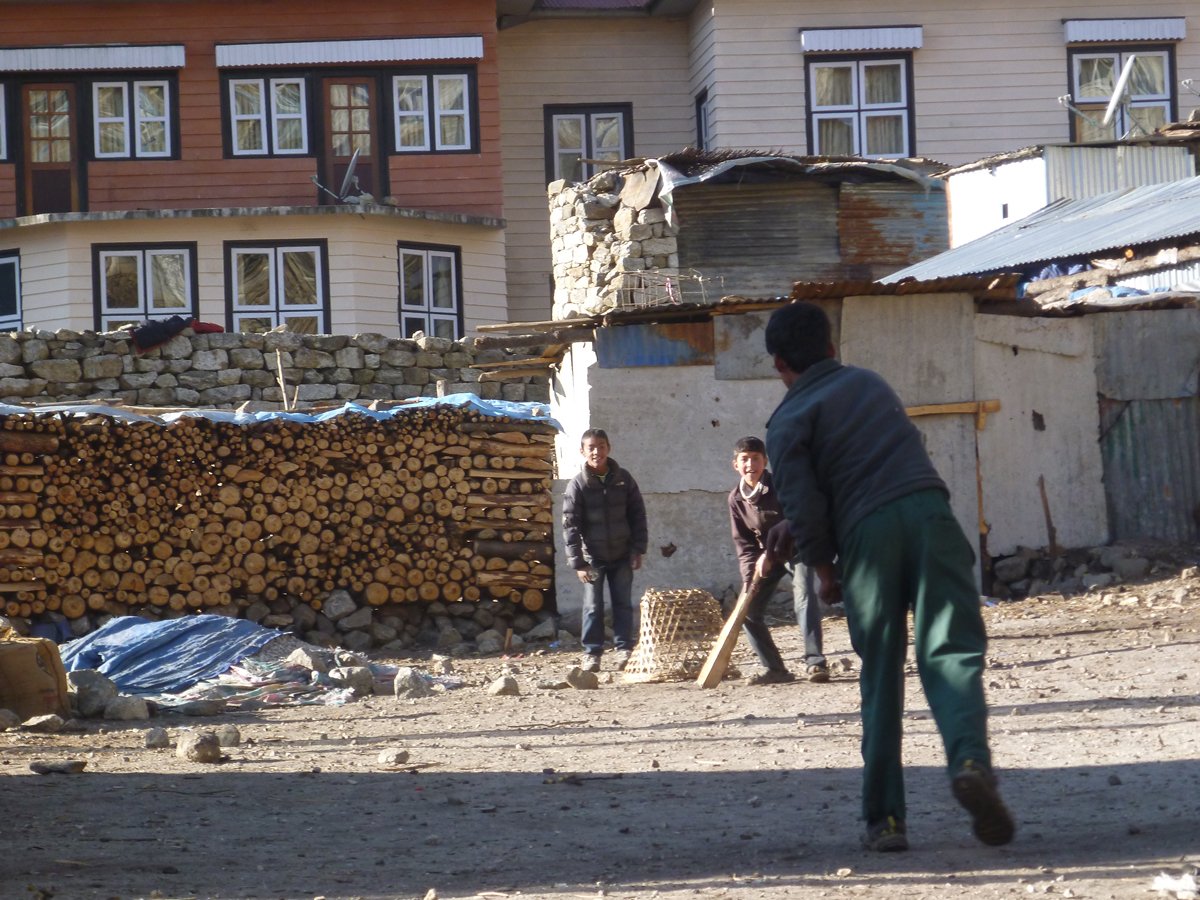
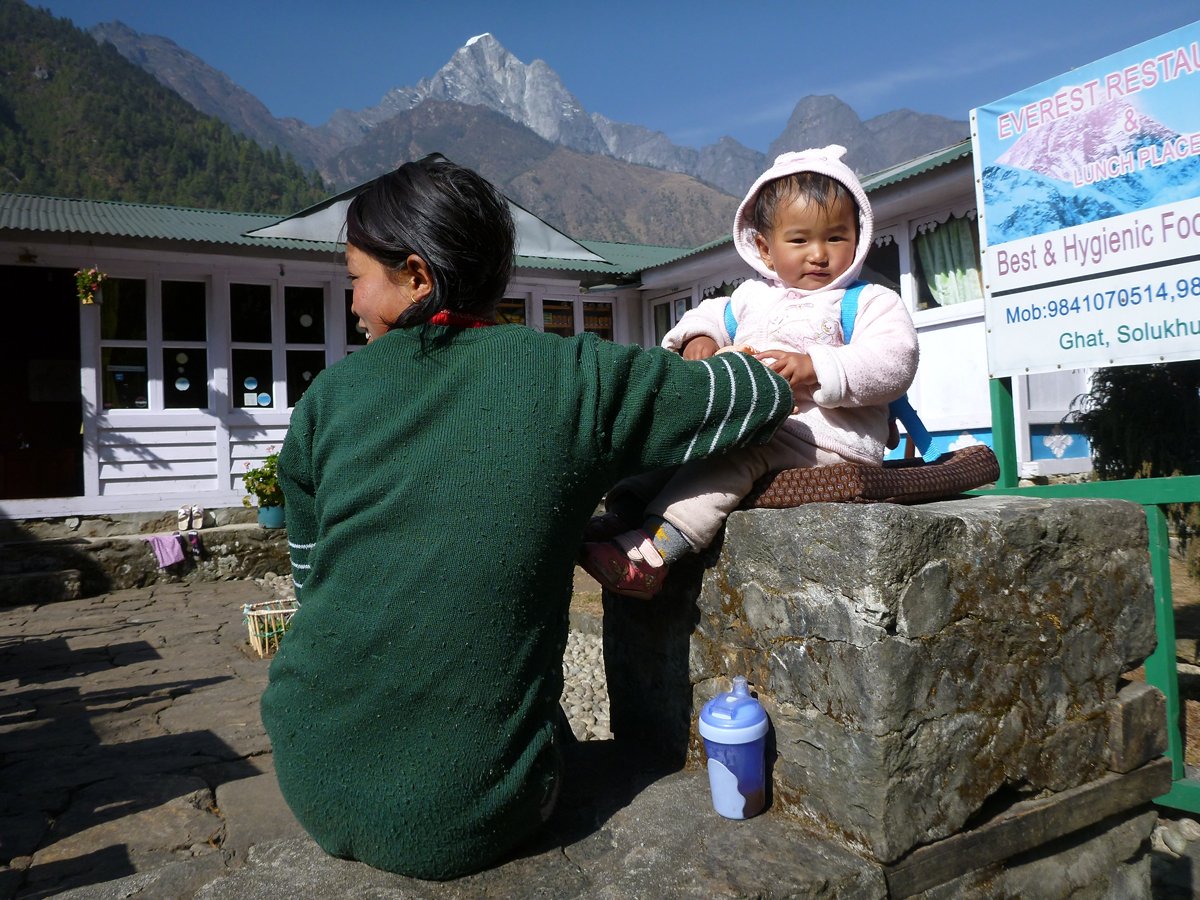
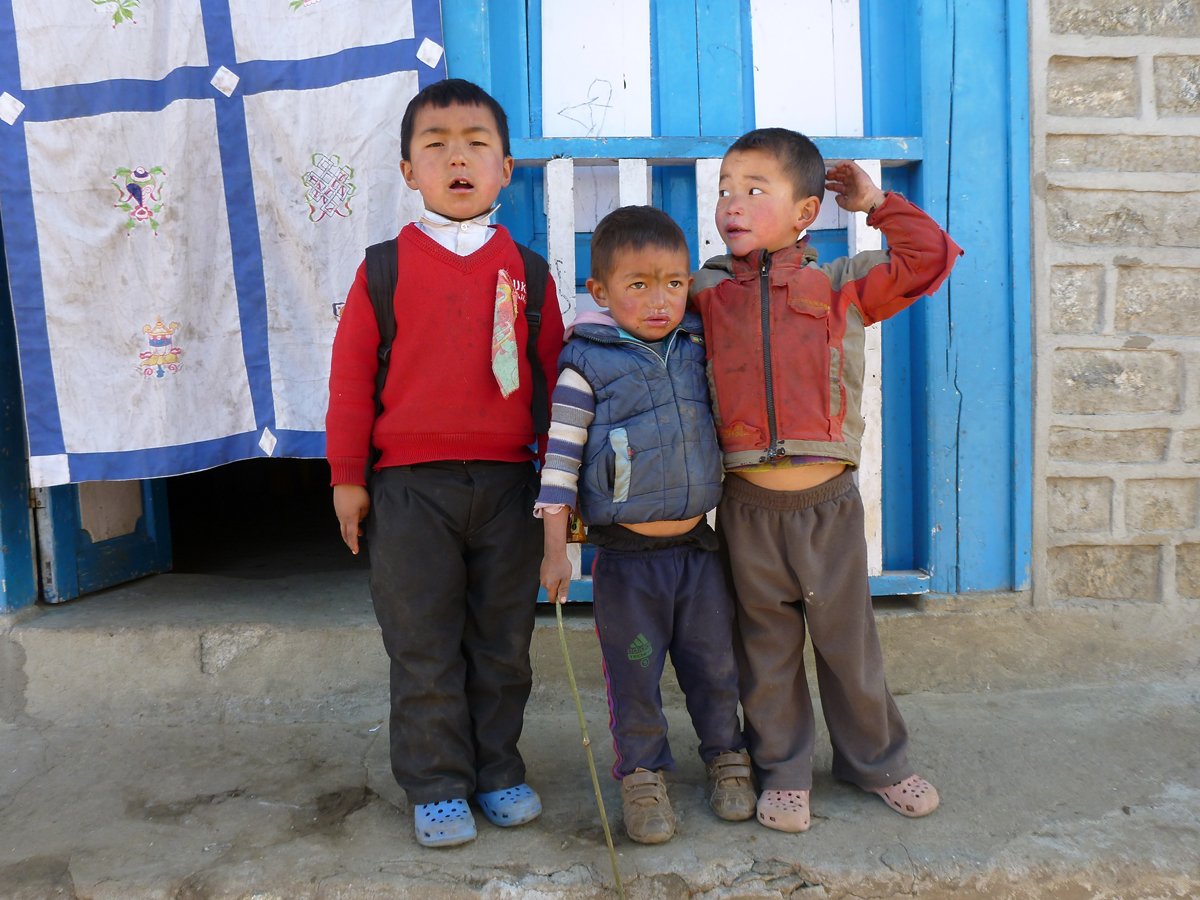
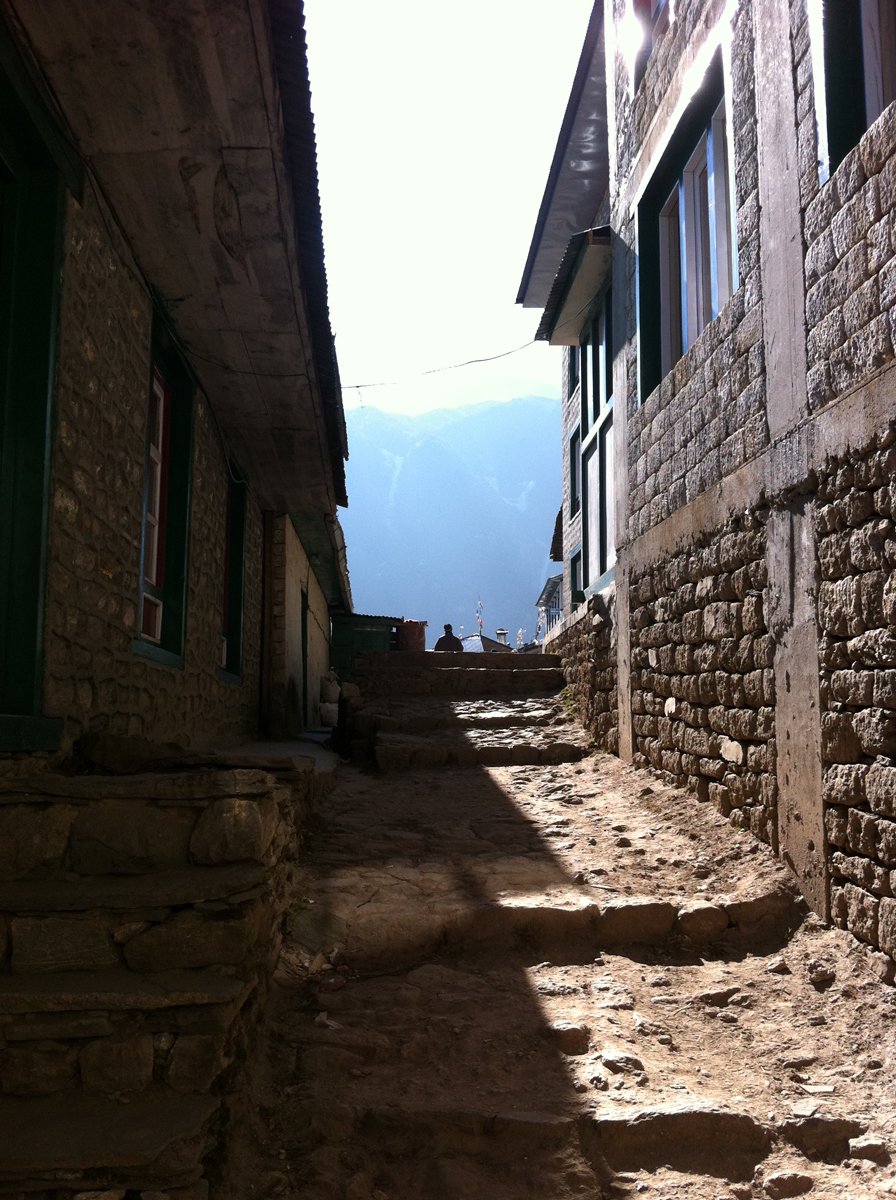
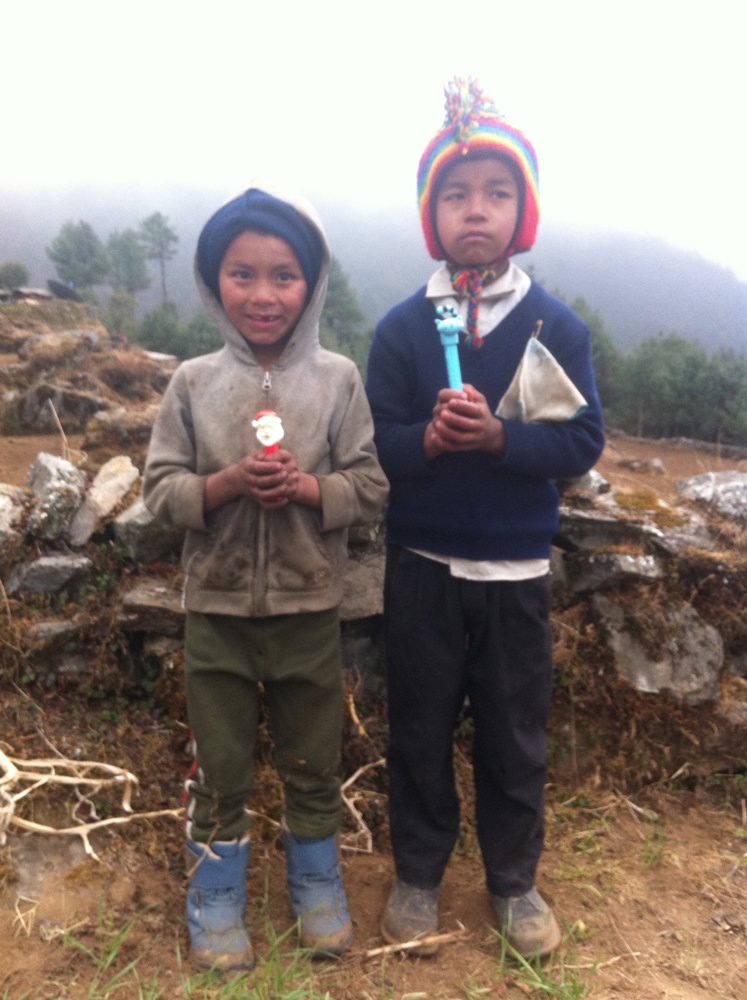
Children with bright red cheeks waved as we passed through villages carved into the mountainsides.
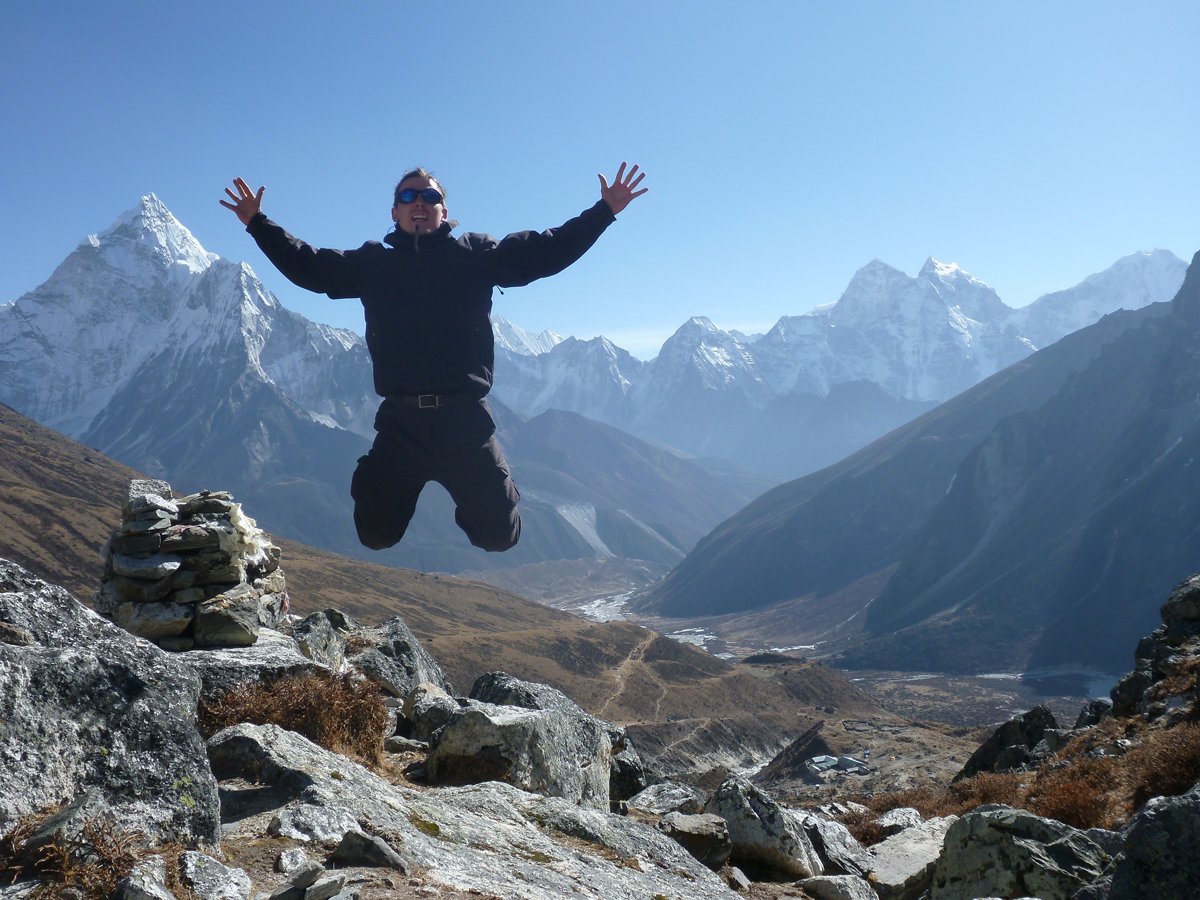
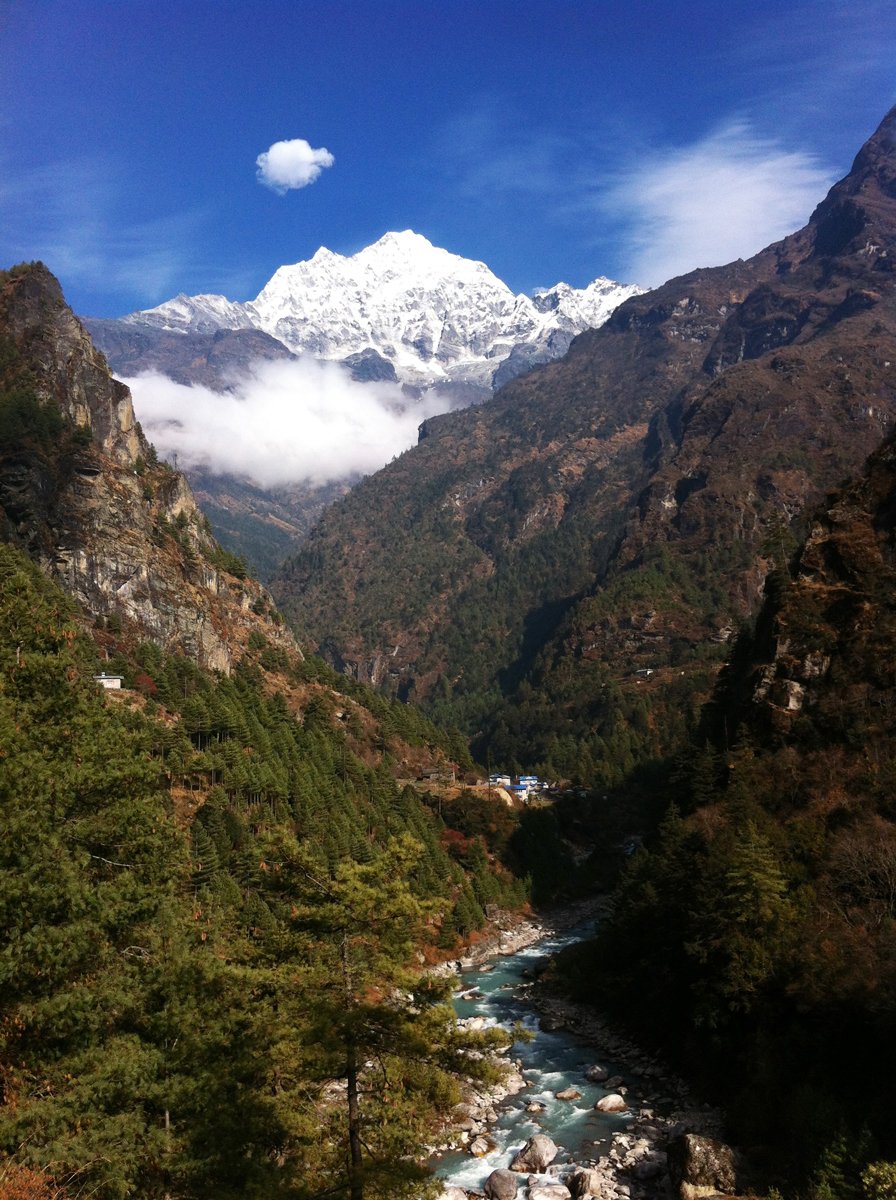
Every day brought another climb. Another valley. Another impossible view.
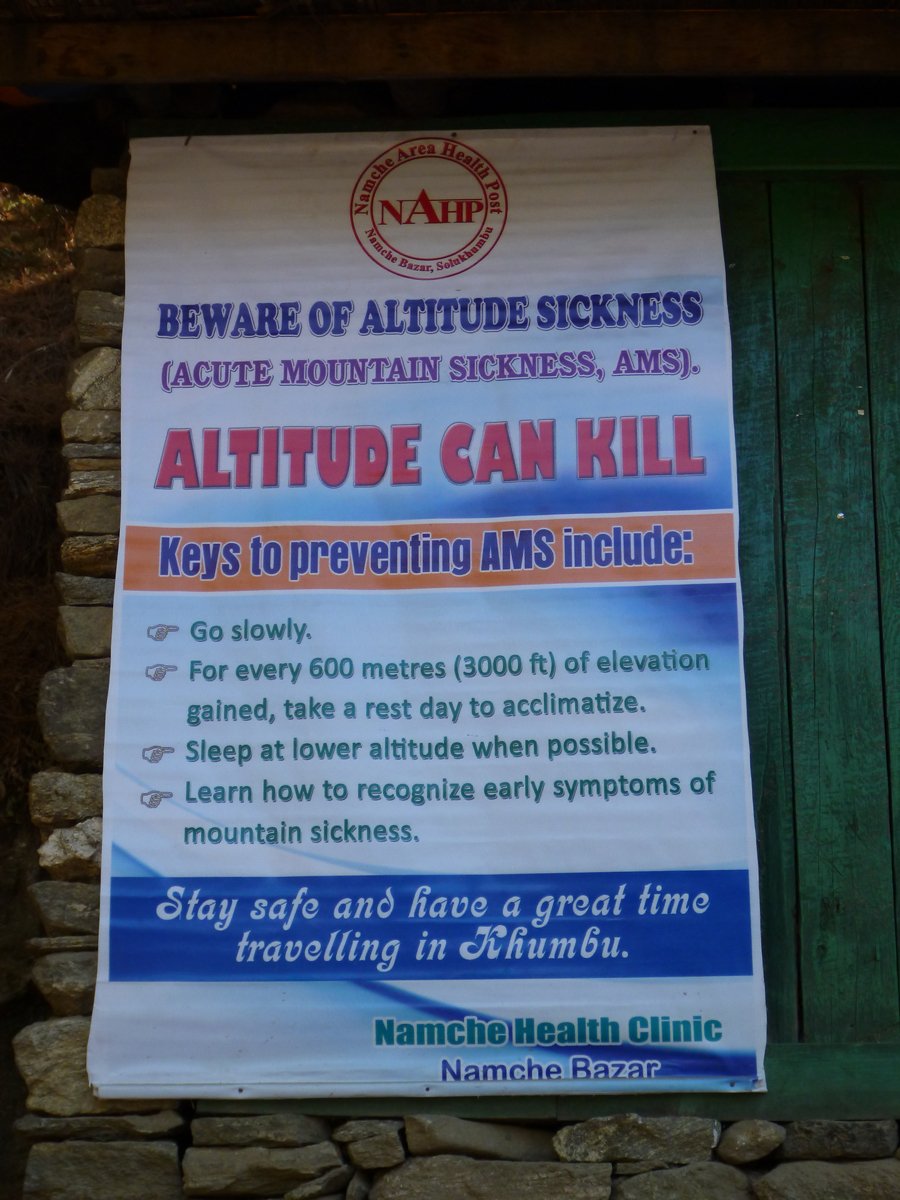
And every other day brought acclimatization hikes — “climb high, sleep low,” as they say in the Himalayas.
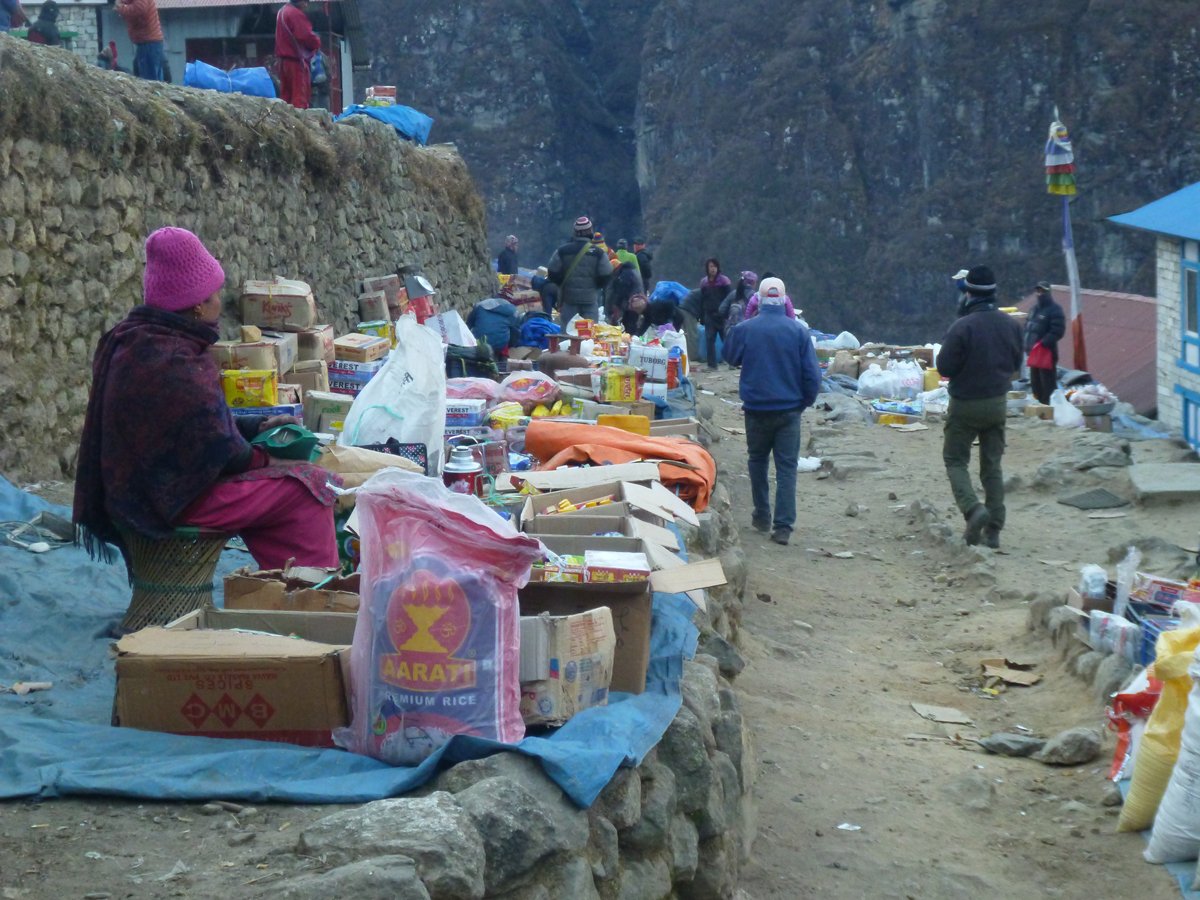
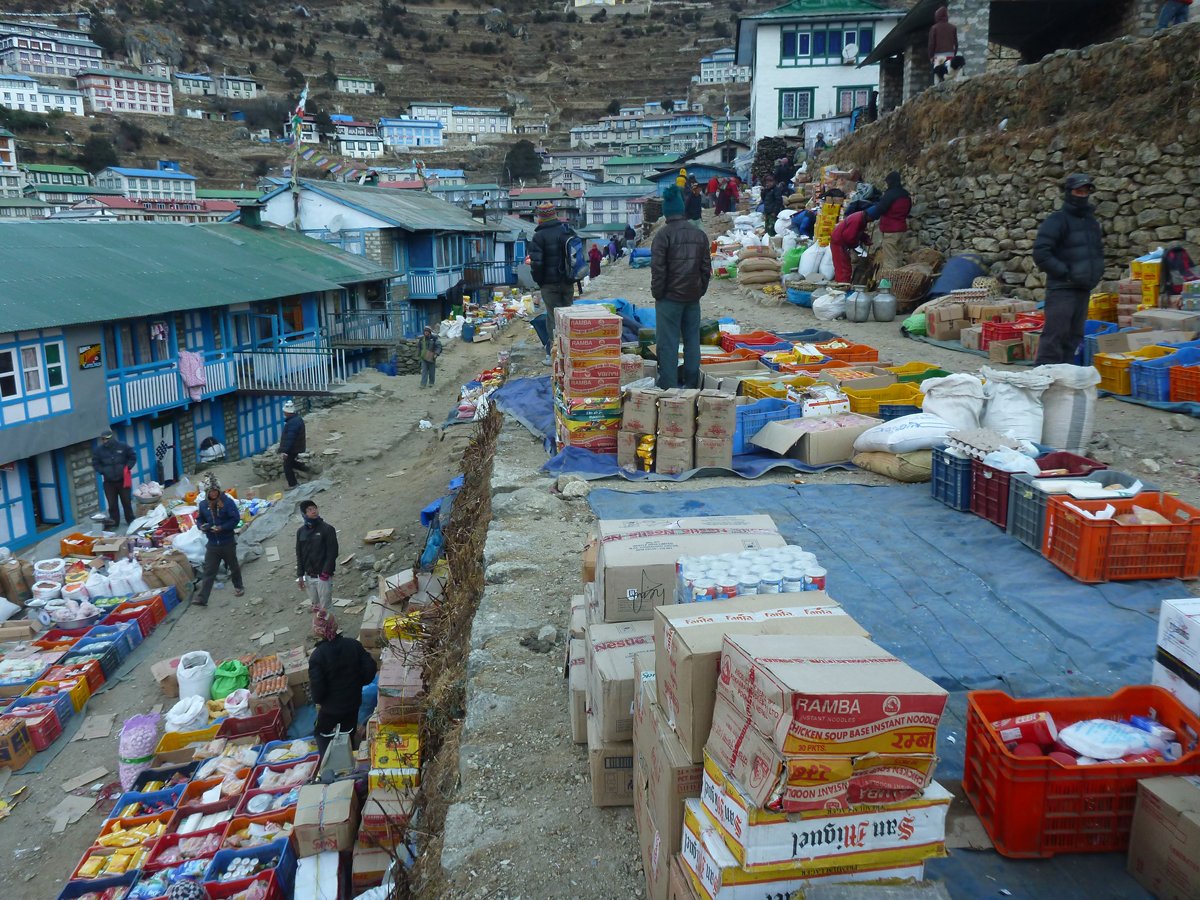
Namche Bazaar felt like another planet. Built into the side of the mountain at over 11,000 feet, it somehow managed to feel both rugged and alive. Trekkers from every corner of the world gathered there to rest, drink beer, trade stories, and prepare for higher elevations.
We met Australian Air Force helicopter pilots who were planning to get engaged during the trek — and they actually did. That’s the kind of place the Everest trail is. Everyone is there searching for something.
Christmas in Pangboche
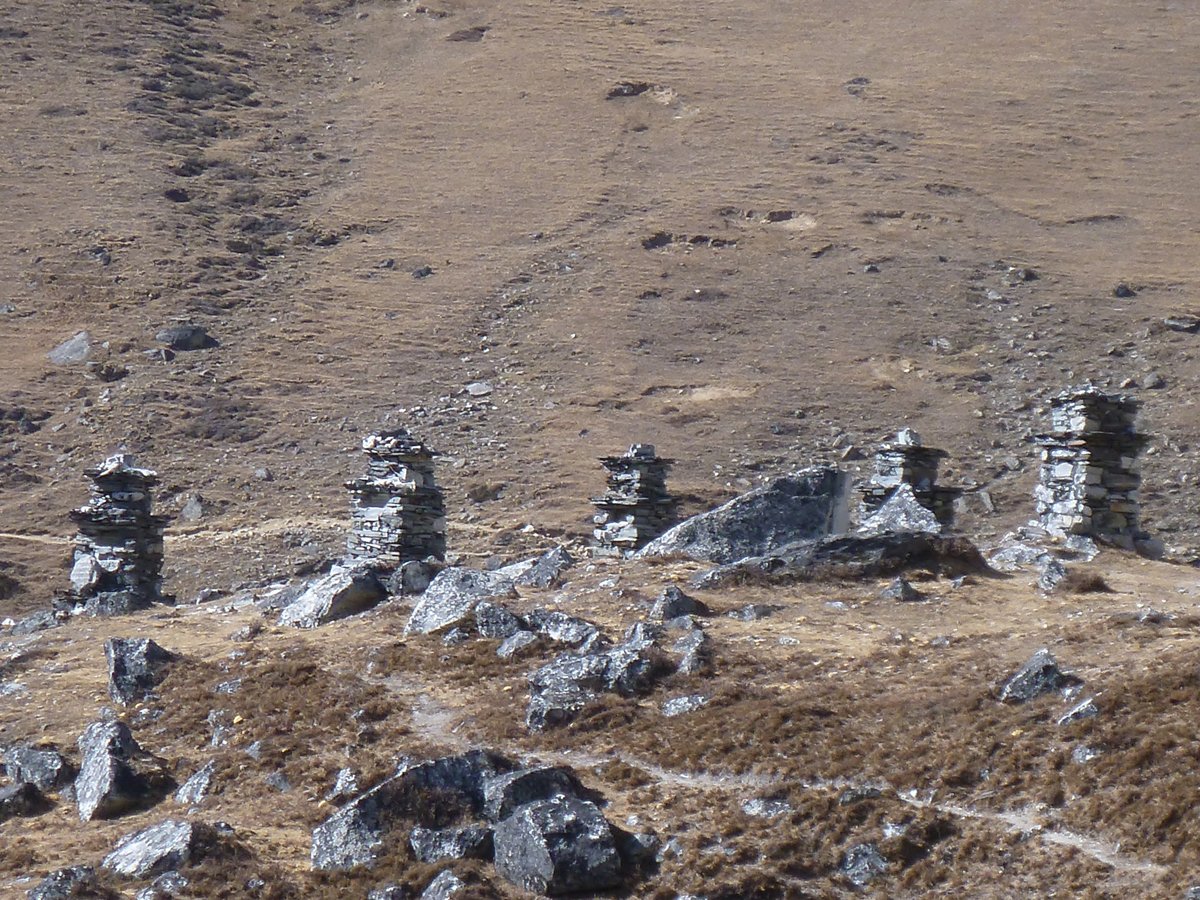
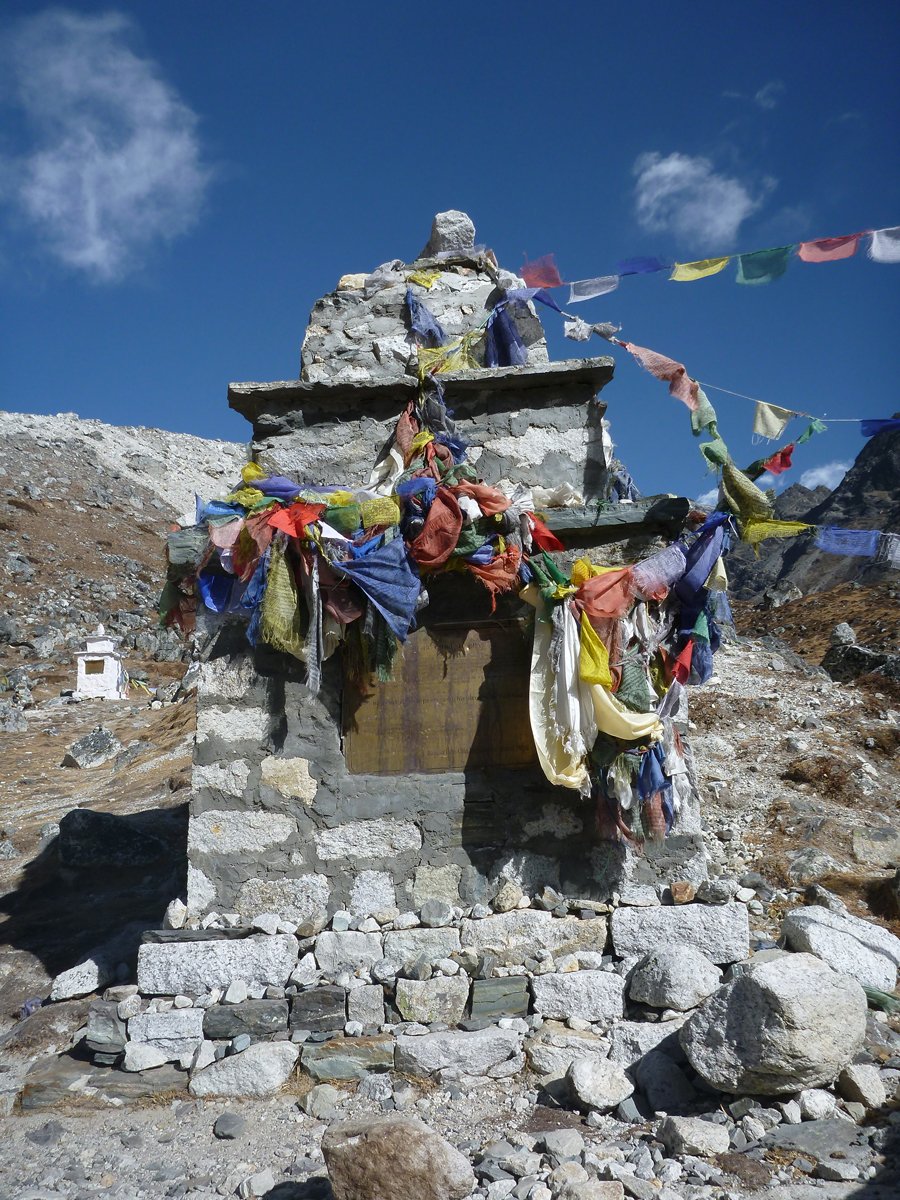
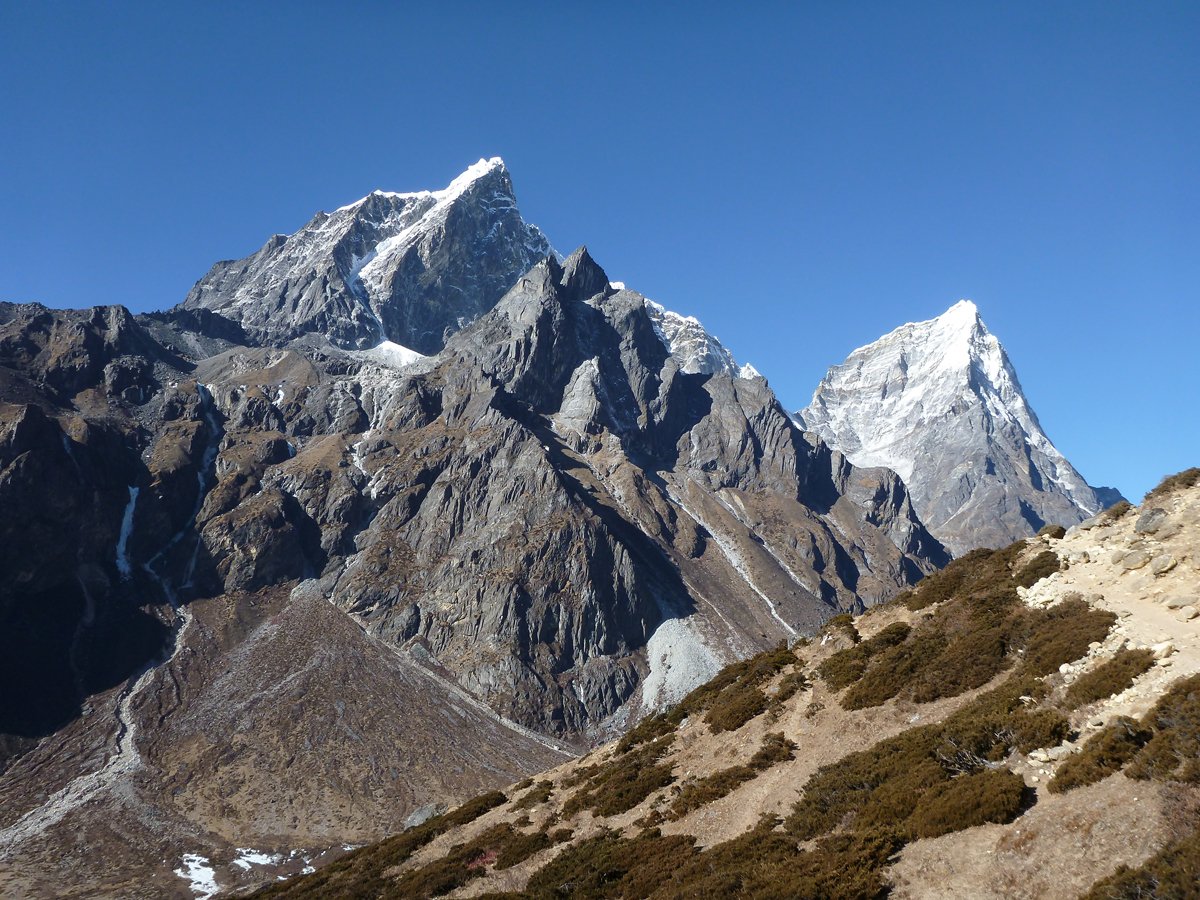
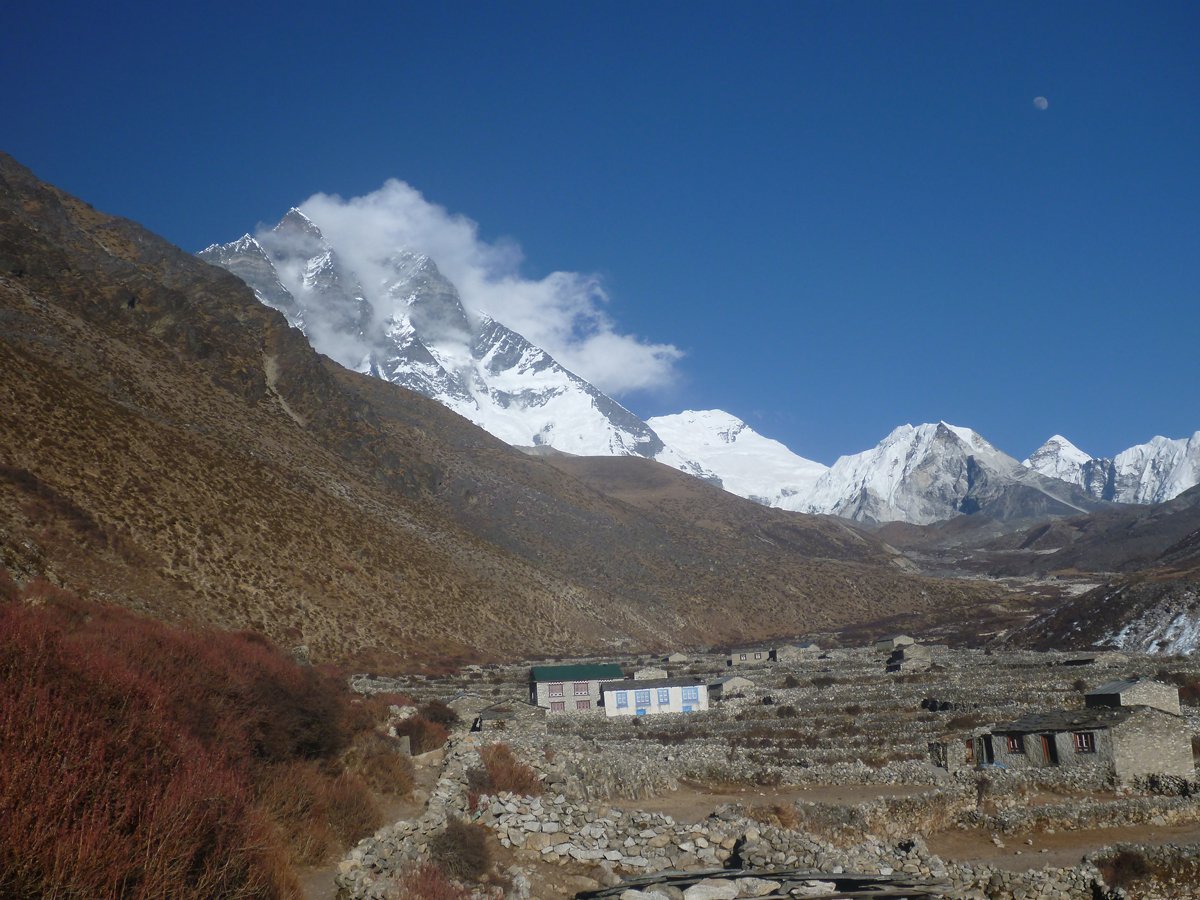
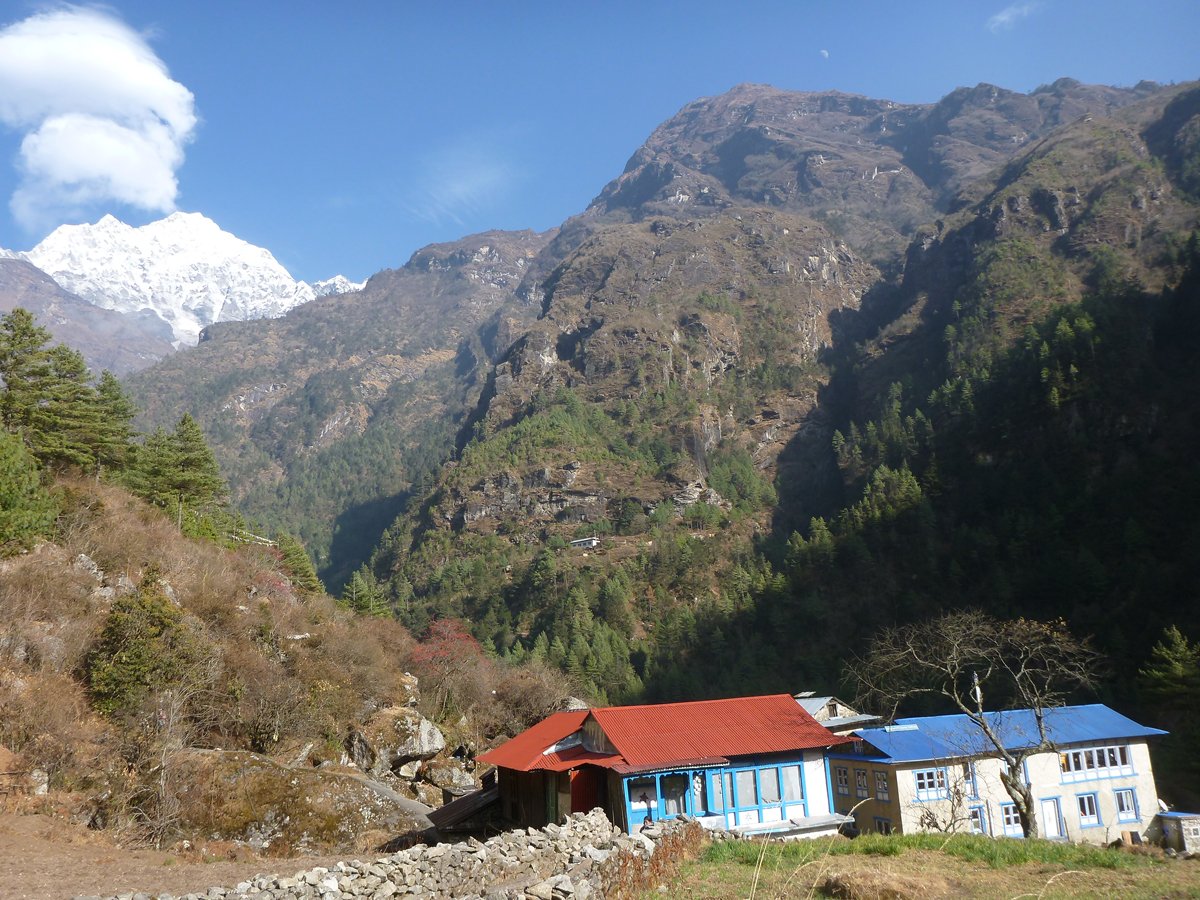
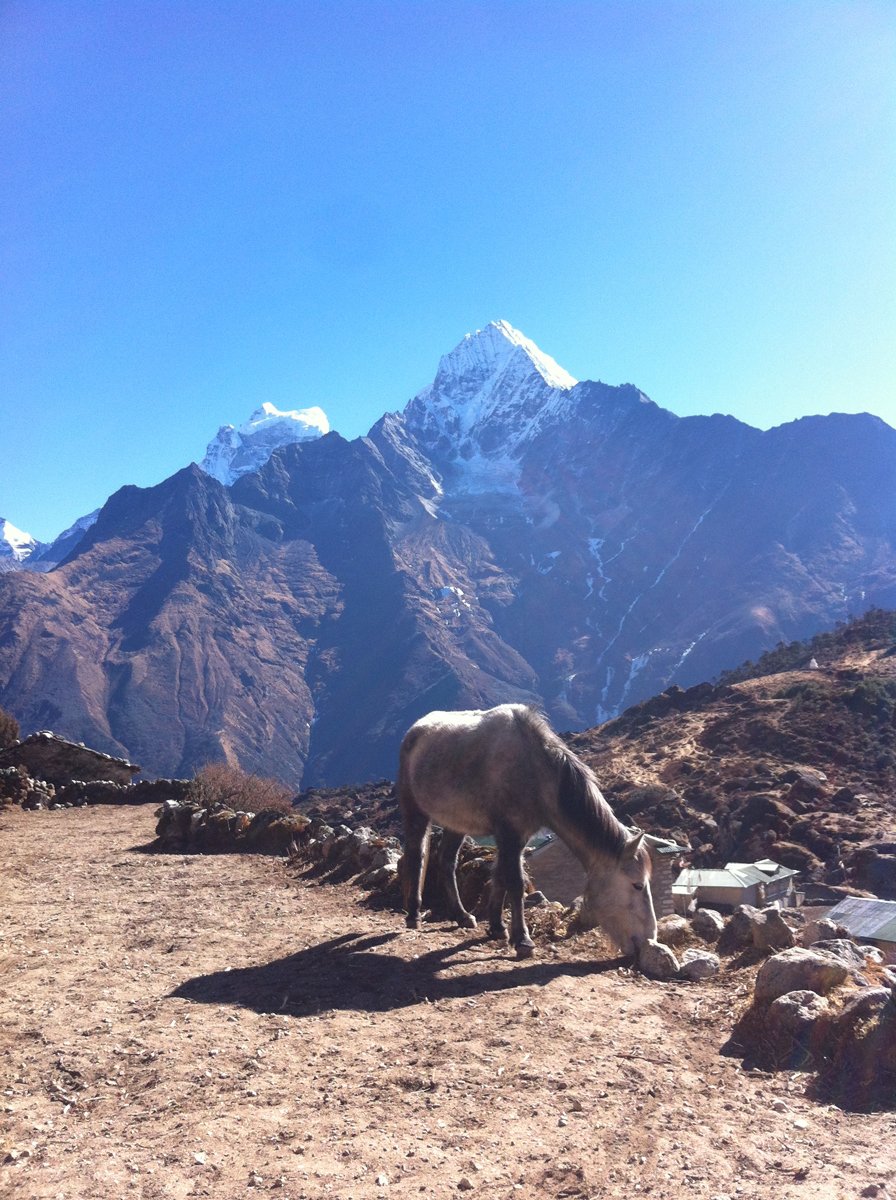
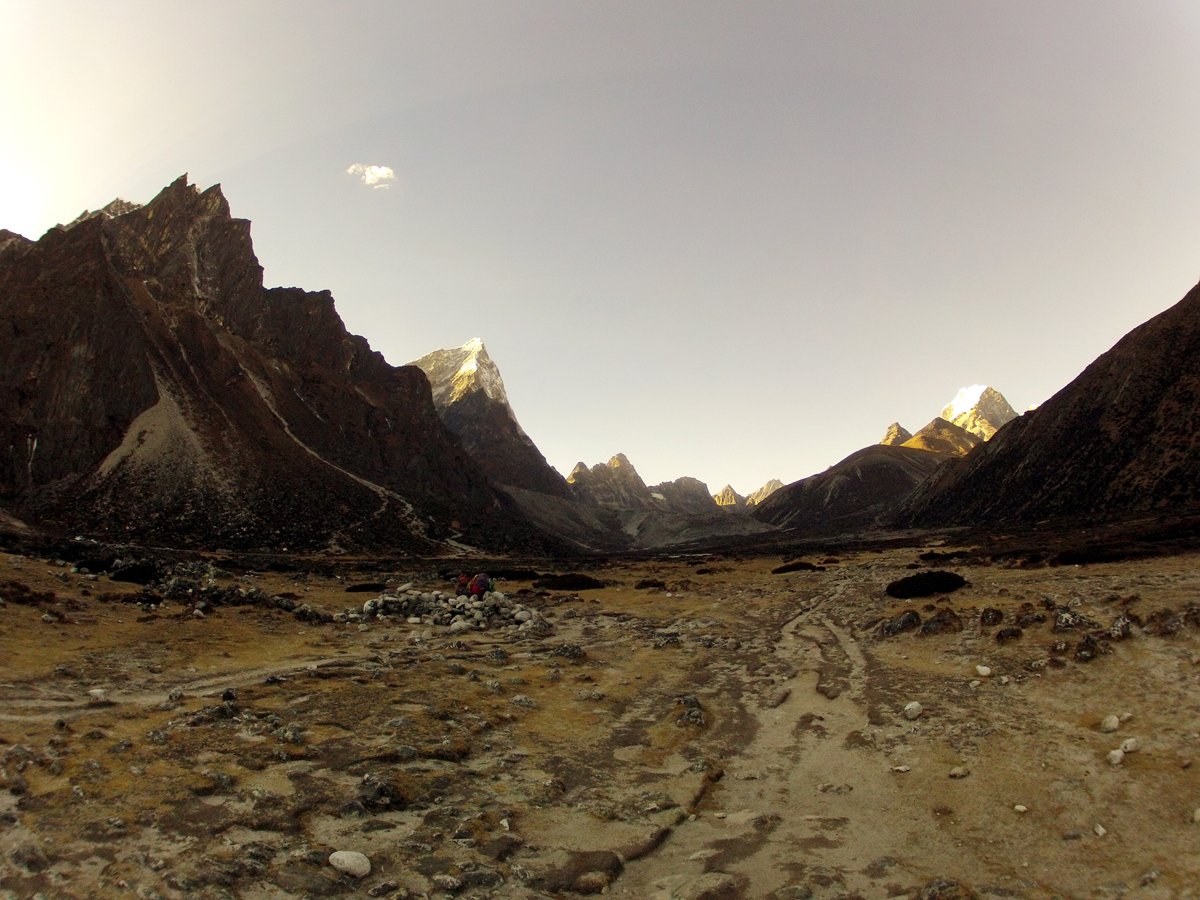
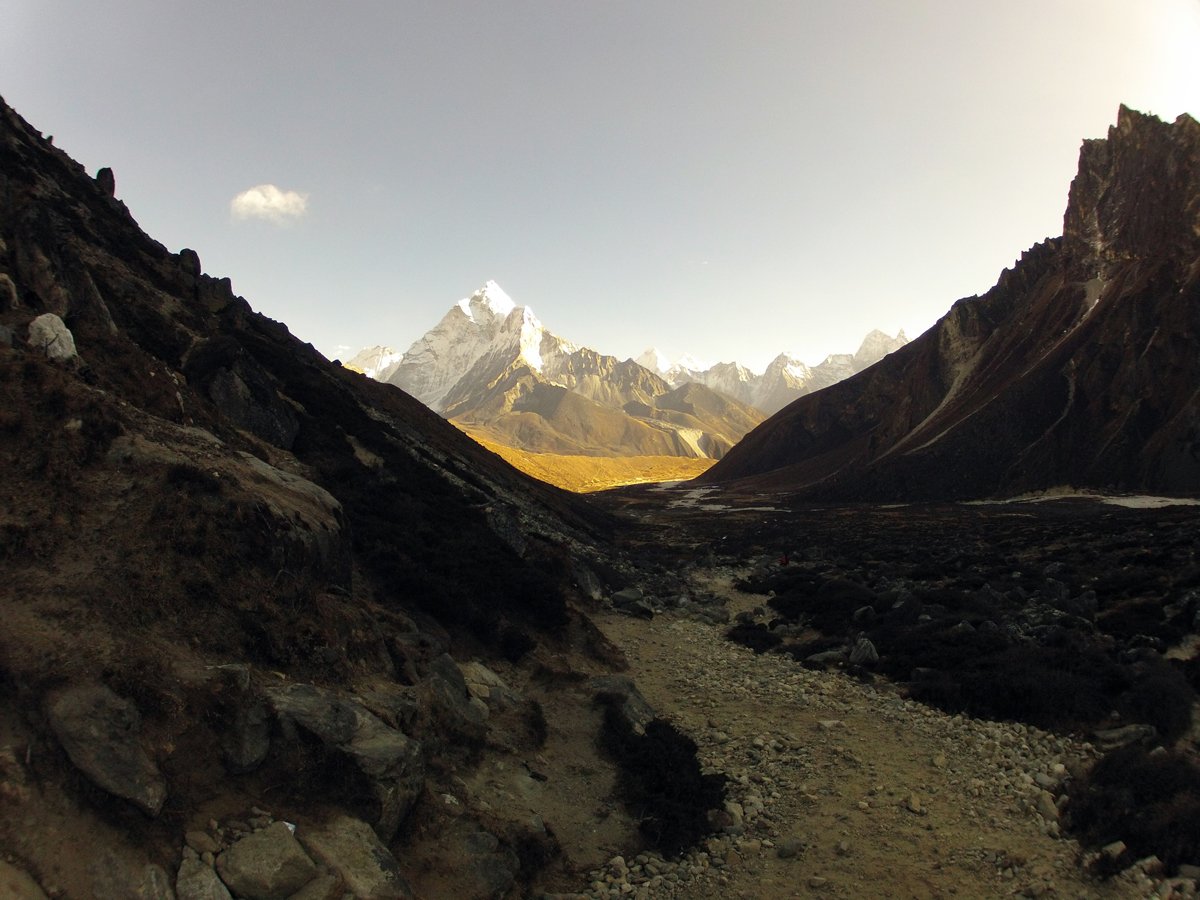
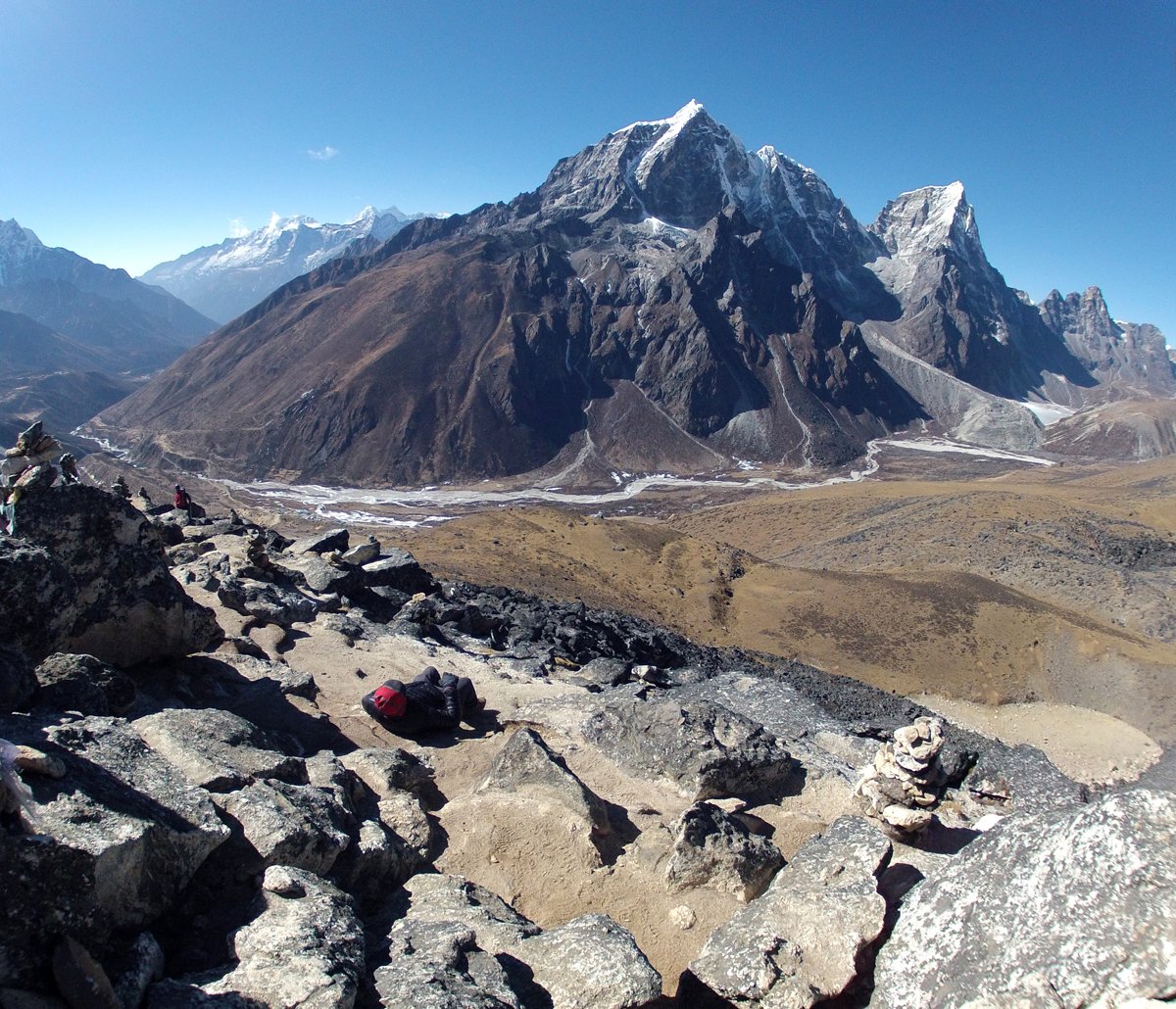
As we climbed higher through villages like Pangboche and Dingboche, the landscape slowly transformed into something almost lunar. Trees disappeared. Oxygen thinned. The cold became relentless.
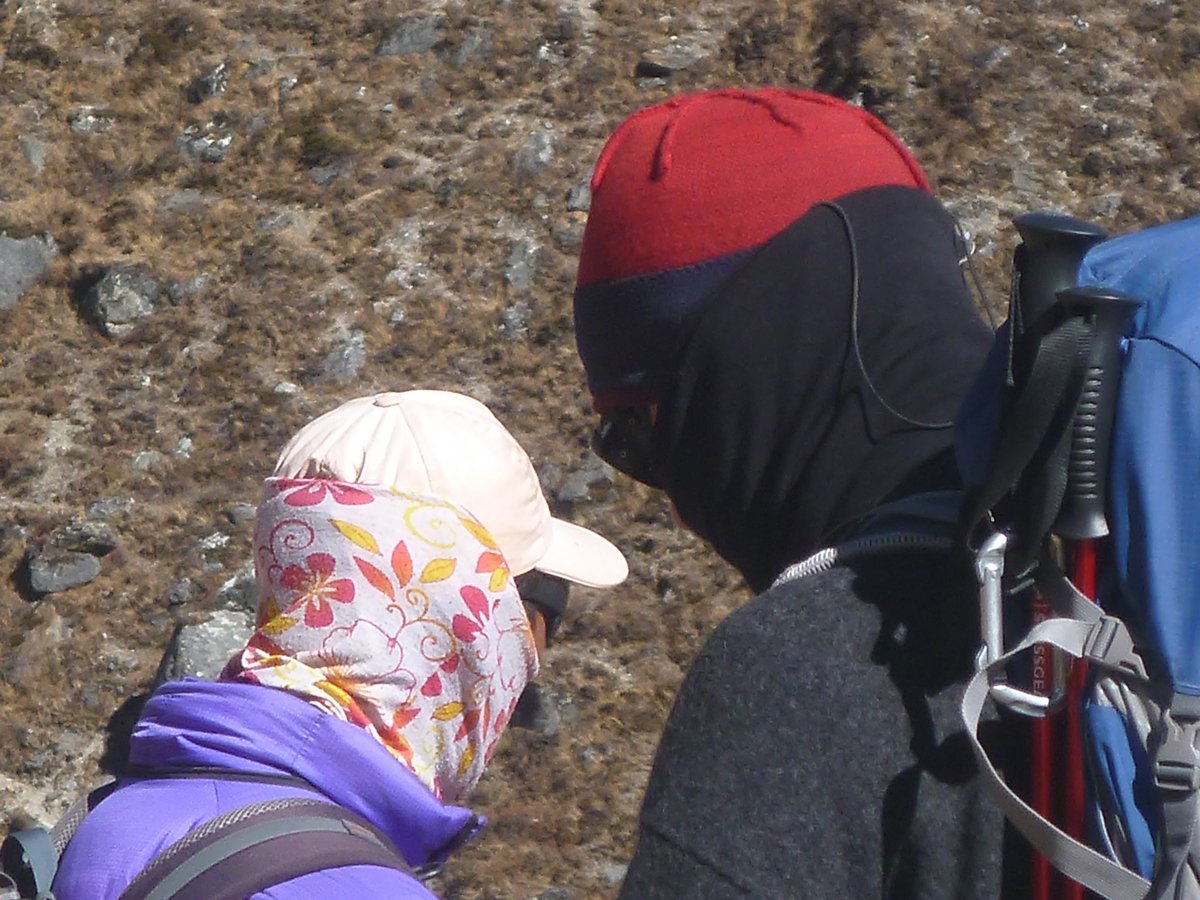
At night, we boiled water bottles and slept with them between our legs inside our sleeping bags for warmth. By morning, they were sometimes frozen solid.
At those elevations, even basic tasks become exhausting. You feel every breath. Every step. Sometimes it’s so cold you can literally watch your urine freeze before it hits the ground.
And somehow, you love every second of it.
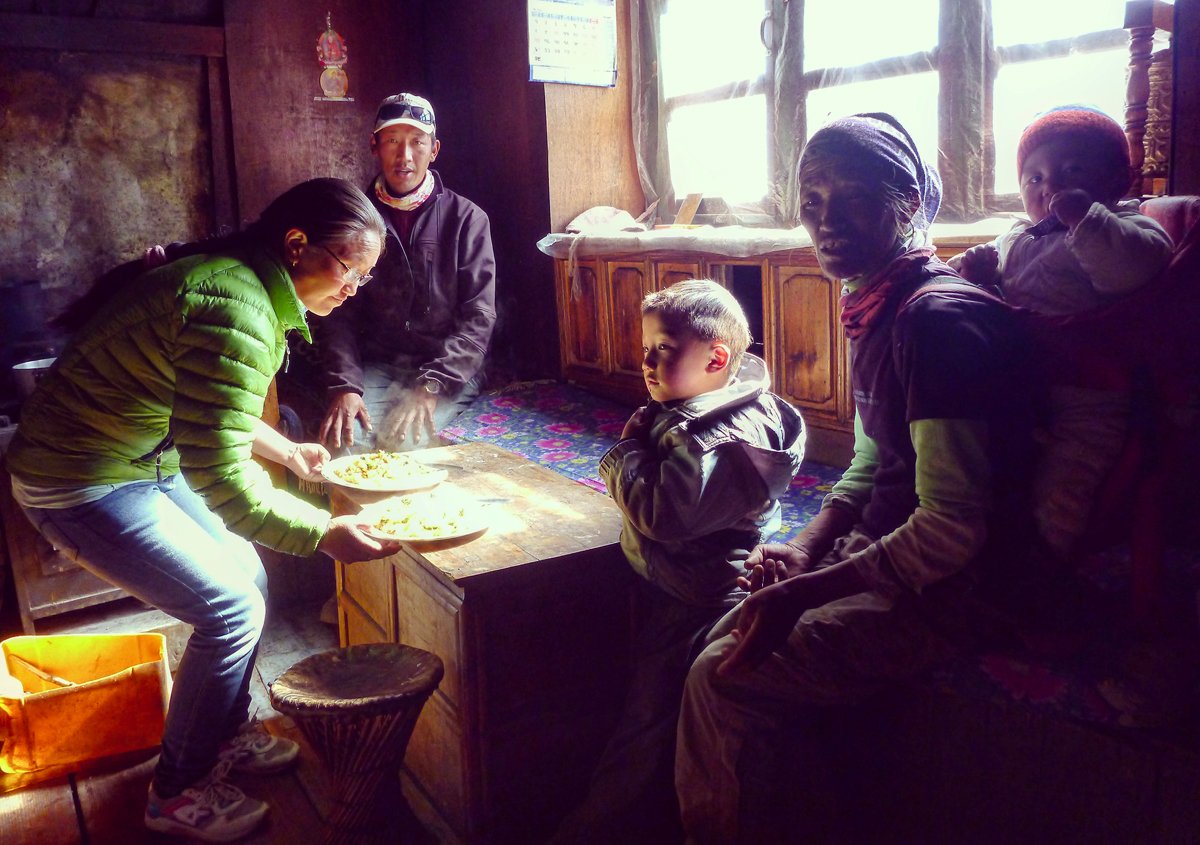
Christmas Day found us in Pangboche celebrating with locals in one of the highest permanent settlements in the world. It was one of the strangest and most memorable Christmases of my life — thousands of miles from home, surrounded by mountains taller than anything I had ever seen.
Kala Patthar and Everest Base Camp
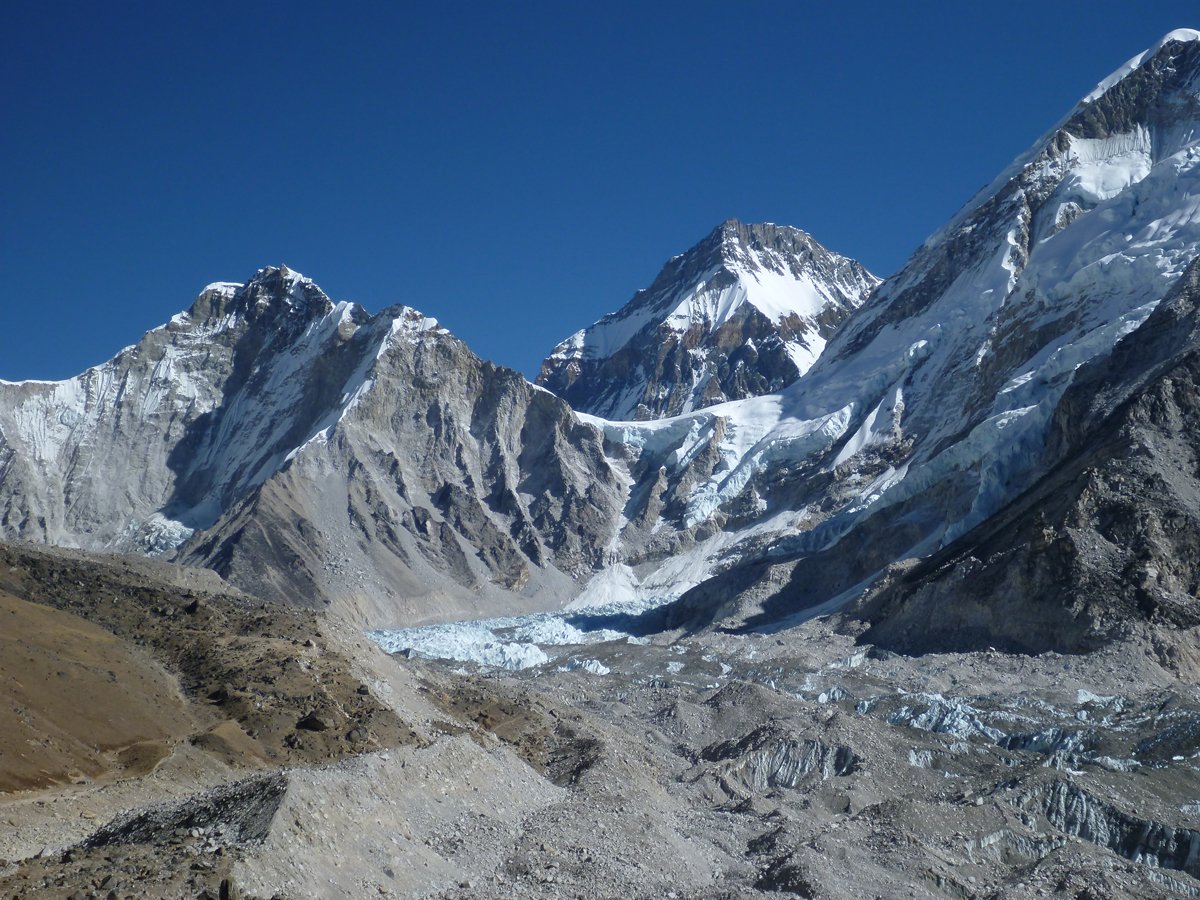
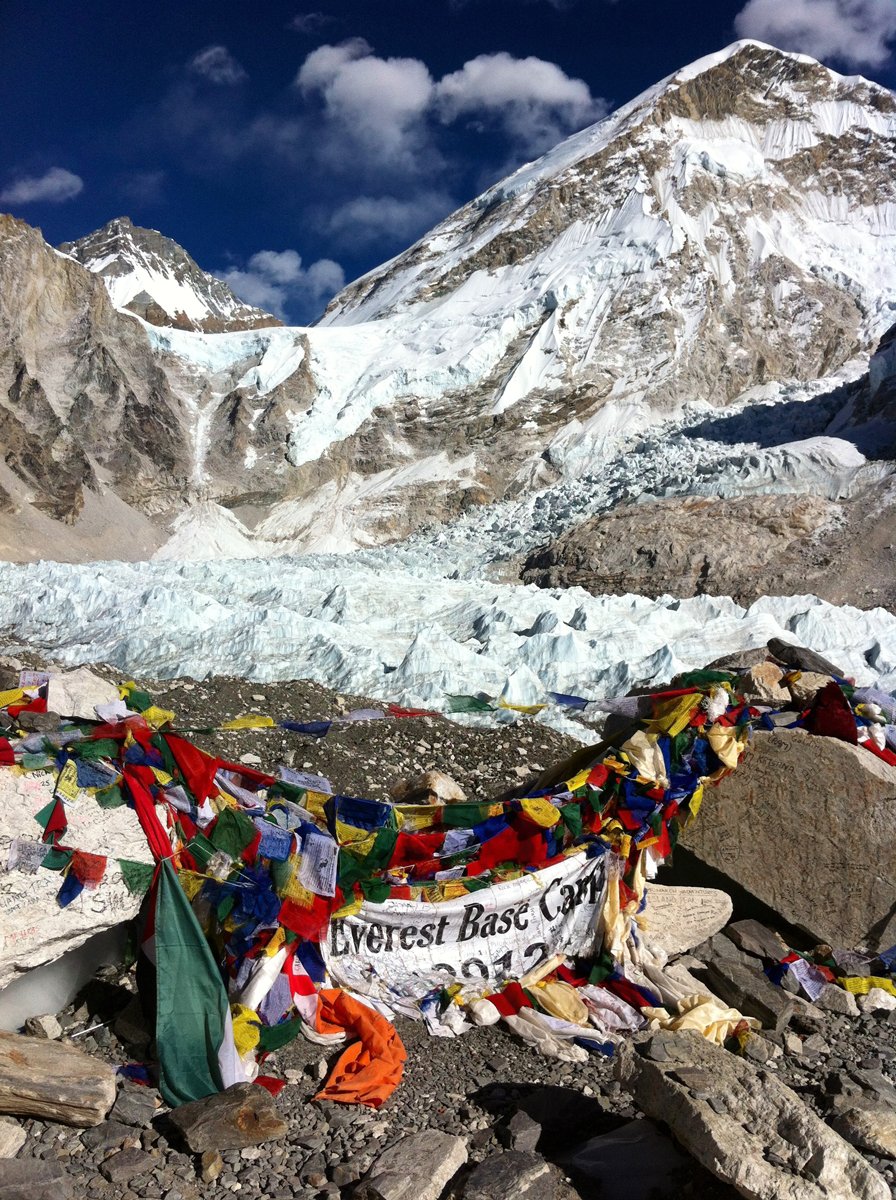
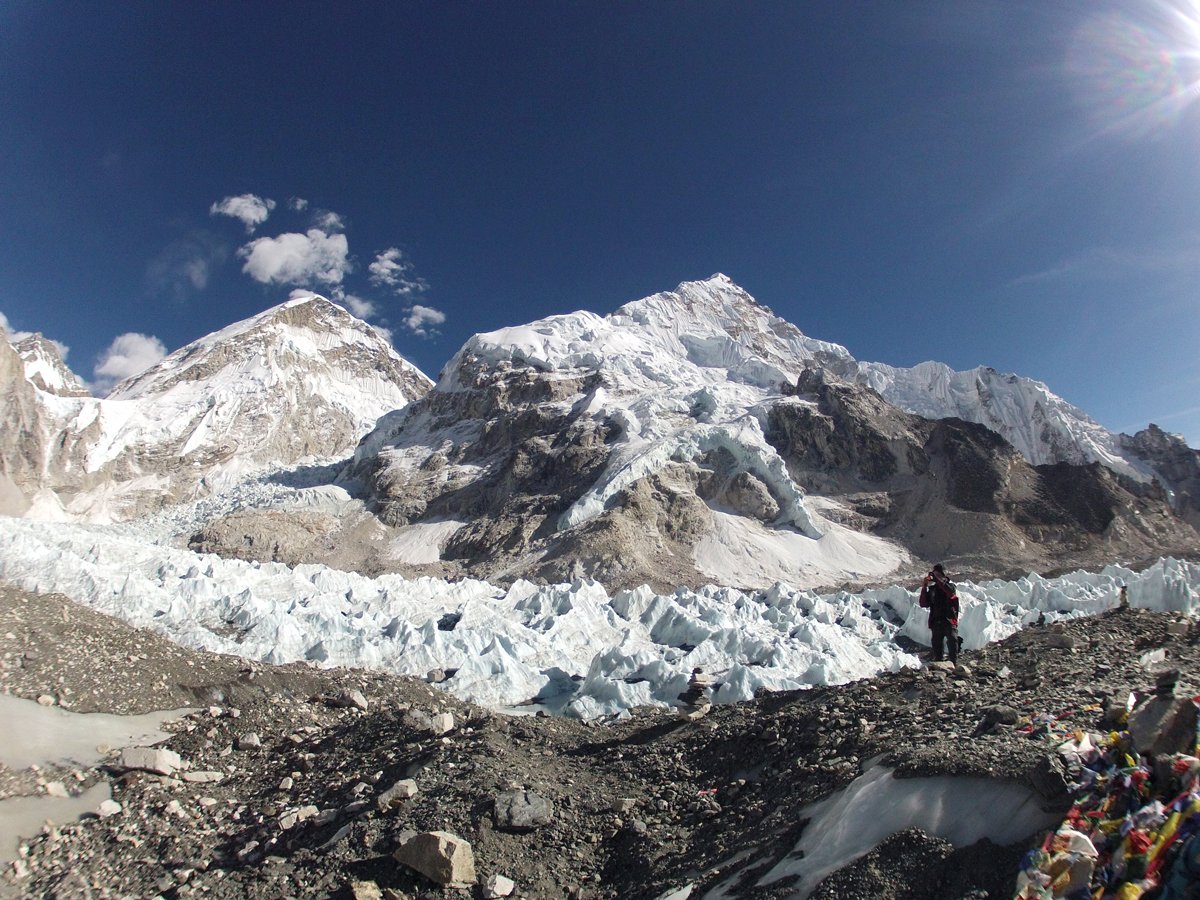
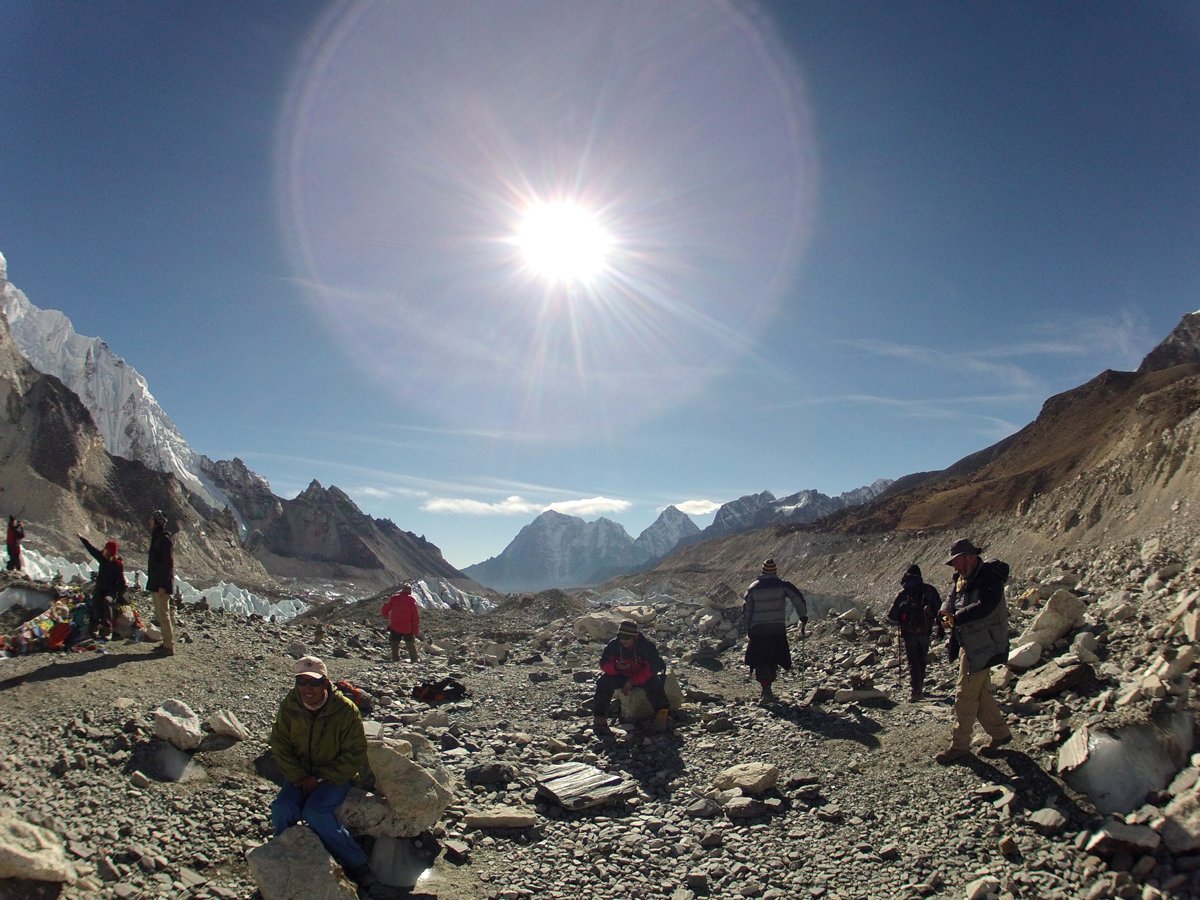
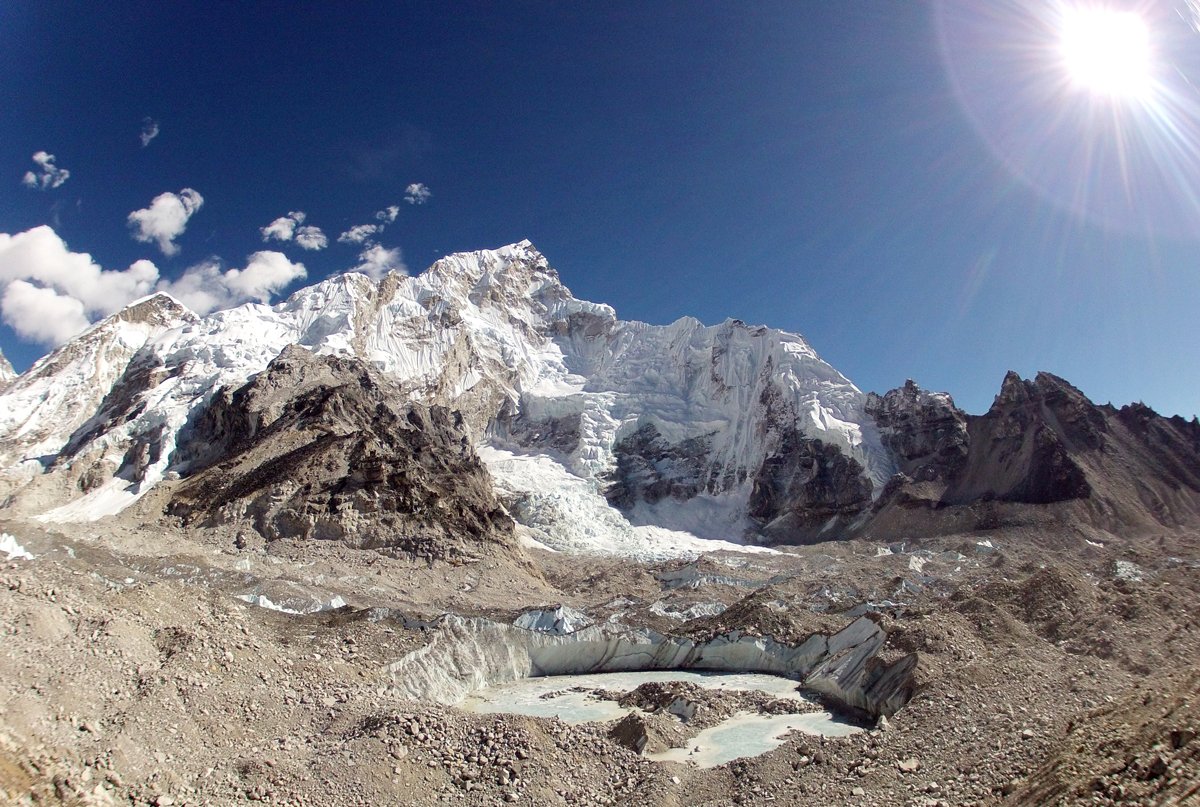
Eventually we reached Gorak Shep, the final settlement before Everest Base Camp, sitting at nearly 17,000 feet.
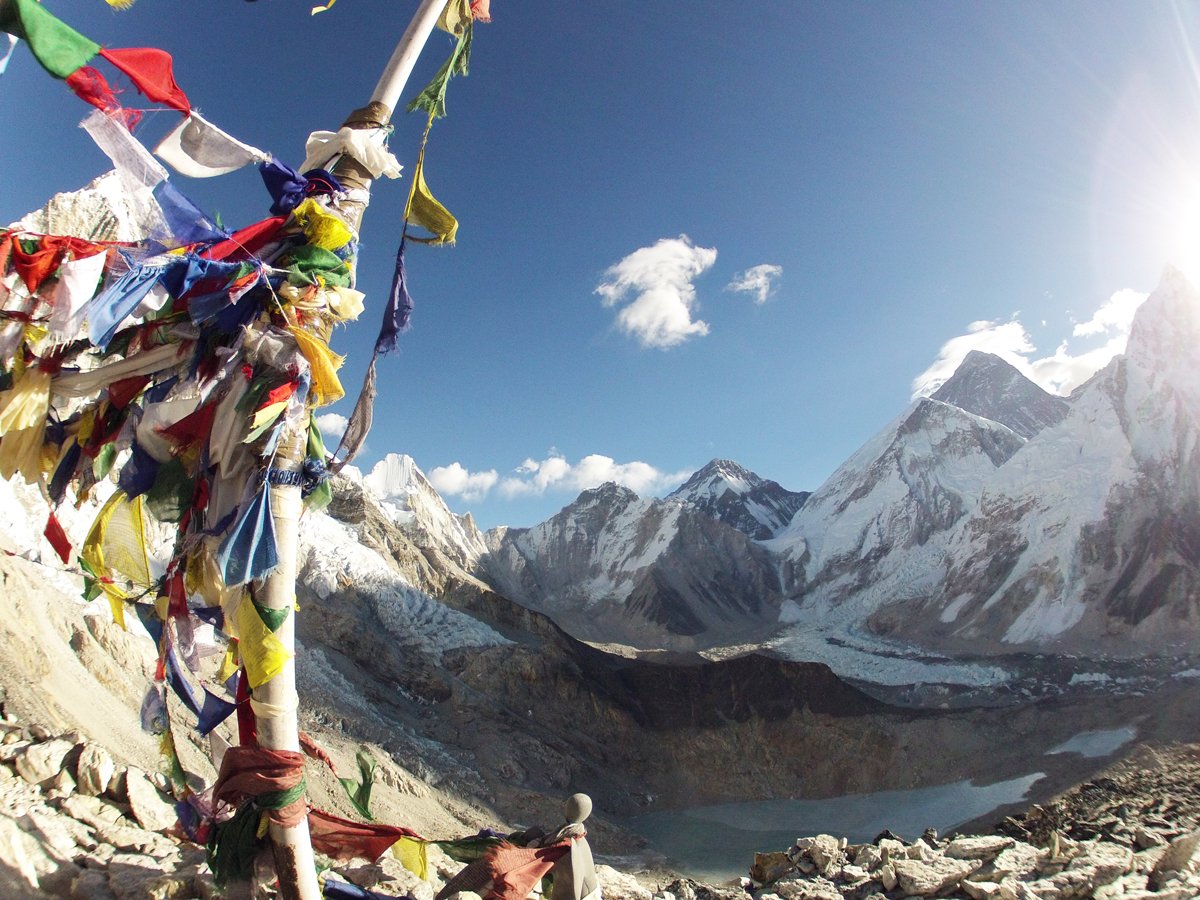
From there, we climbed Kala Patthar before sunrise, starting around 4 a.m. in brutal cold and thin air. At nearly 20,000 feet elevation, every step felt like work.
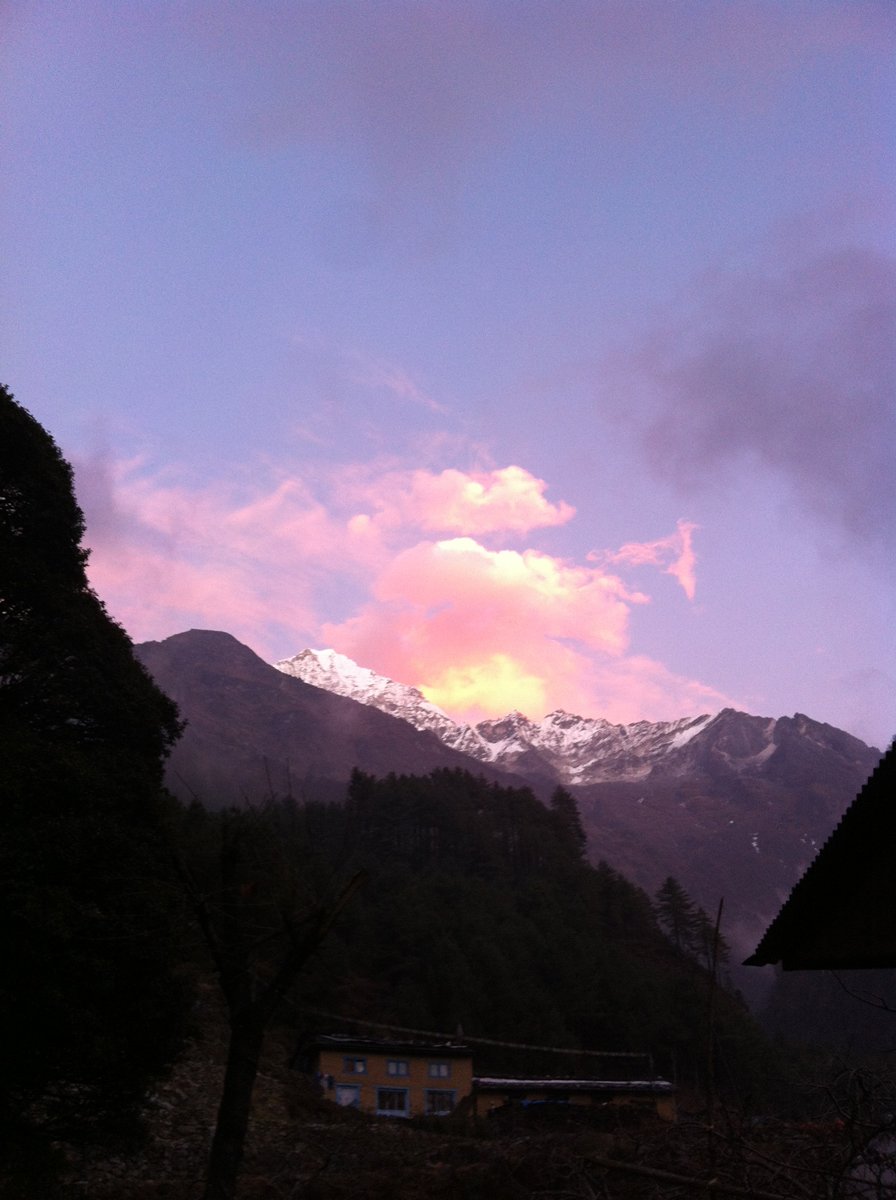
But when the sun finally broke across the Himalayas and illuminated Everest itself, all exhaustion disappeared.
There are moments in life where you realize you are standing somewhere very few humans will ever stand.
That was one of them.
The Wildest New Year’s Eve of My Life
The journey back down moved much faster. Once your body is acclimated, descending through the valleys feels almost easy compared to the climb up.
Eventually, after weeks on the trail, we returned to Lukla on New Year’s Eve.
And somehow, the mountain gods gave us one final unforgettable experience.
Because weather had grounded flights for days, hundreds of trekkers were stranded there celebrating together at over 10,000 feet elevation. It turned into the wildest New Year’s Eve I’ve ever experienced — exhausted climbers, Sherpas, guides, backpackers, pilots, and travelers from all over the world packed into tiny lodges drinking, laughing, and celebrating surviving the Himalayas together.
The next morning — January 1, 2013 — the skies finally cleared.
Our plane was the first one allowed to leave Lukla.
Watching that tiny aircraft race toward the end of Lukla’s impossibly short runway before suddenly dropping off the mountainside is a feeling I never want to experience again. Your stomach completely disappears. You understand instantly why that airport has the reputation it does.
But we made it.
Why Nepal Changed Me
Back in Kathmandu, Tim and I spent two final days celebrating, reflecting, and trying to process everything we had just experienced before eventually flying back to Florida.
Looking back now, Nepal was more than just a trek.
It was one of the most physically demanding, emotionally overwhelming, and spiritually eye-opening experiences of my life. The photos tell part of the story. The mountains tell another.
But the real thing I remember most is the feeling — of being small in a world far bigger and more beautiful than I ever understood before.
All photographs from this journey are available as fine art prints. Contact codymaple@gmail.com for inquries.