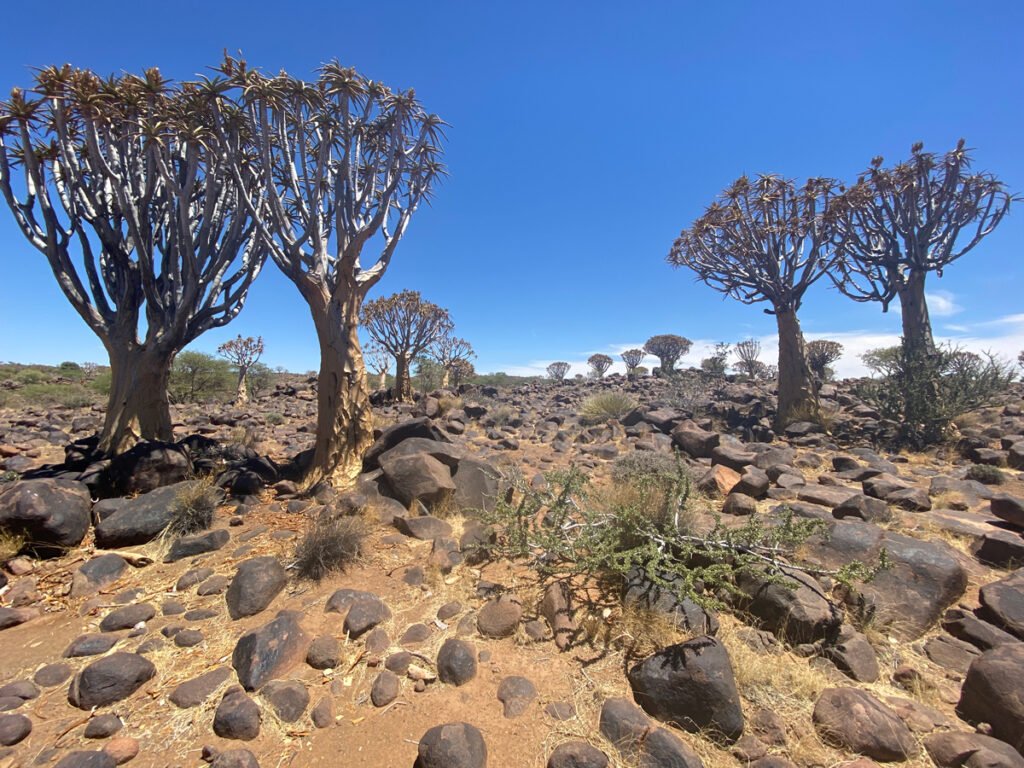
In late 2021, my longtime travel partner John and I decided to disappear for five weeks into one of the least densely populated countries on Earth: Namibia. Neither of us had ever been there, but that’s never stopped us before. We’d circled the globe together, and this time we wanted something remote, wild, and slightly absurd. Namibia delivered all three.
The adventure kicked off with two back-to-back 12-hour flights—Portland to Frankfurt, then Frankfurt to Windhoek, Namibia’s capital city. I spent one bleary-eyed day in Germany eating pretzels and recalibrating my body clock before jumping on the final leg toward the African continent.
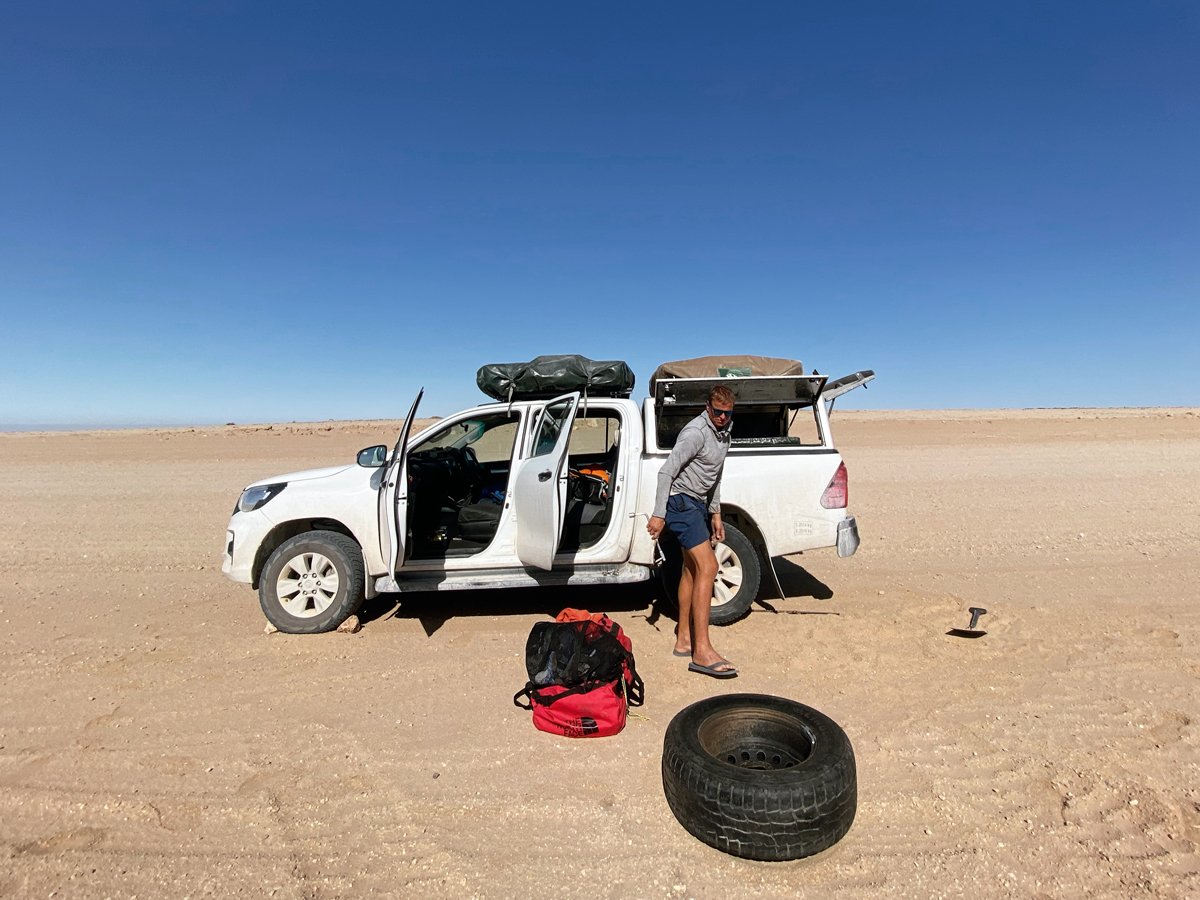
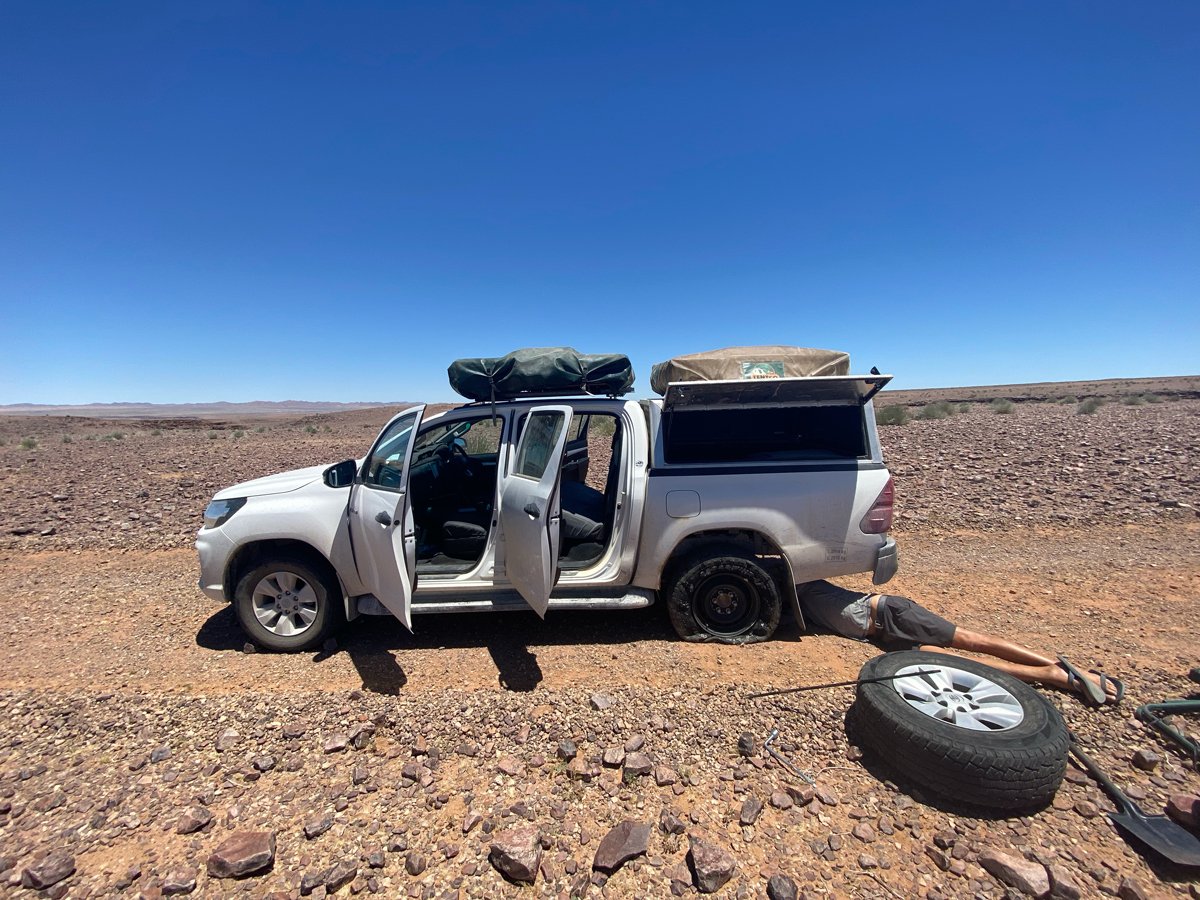
Windhoek is a strange mix of colonial German architecture, wide-open African skies, and a laid-back vibe that belies the fact it’s the largest city in a country twice the size of California. We spent three days here adjusting to the heat, organizing gear, and renting the ultimate safari-mobile: a white 4×4 pickup truck with two rooftop tents, a mini-fridge, a cooking kit, and not one, not two, but three spare tires. (We used them all.)
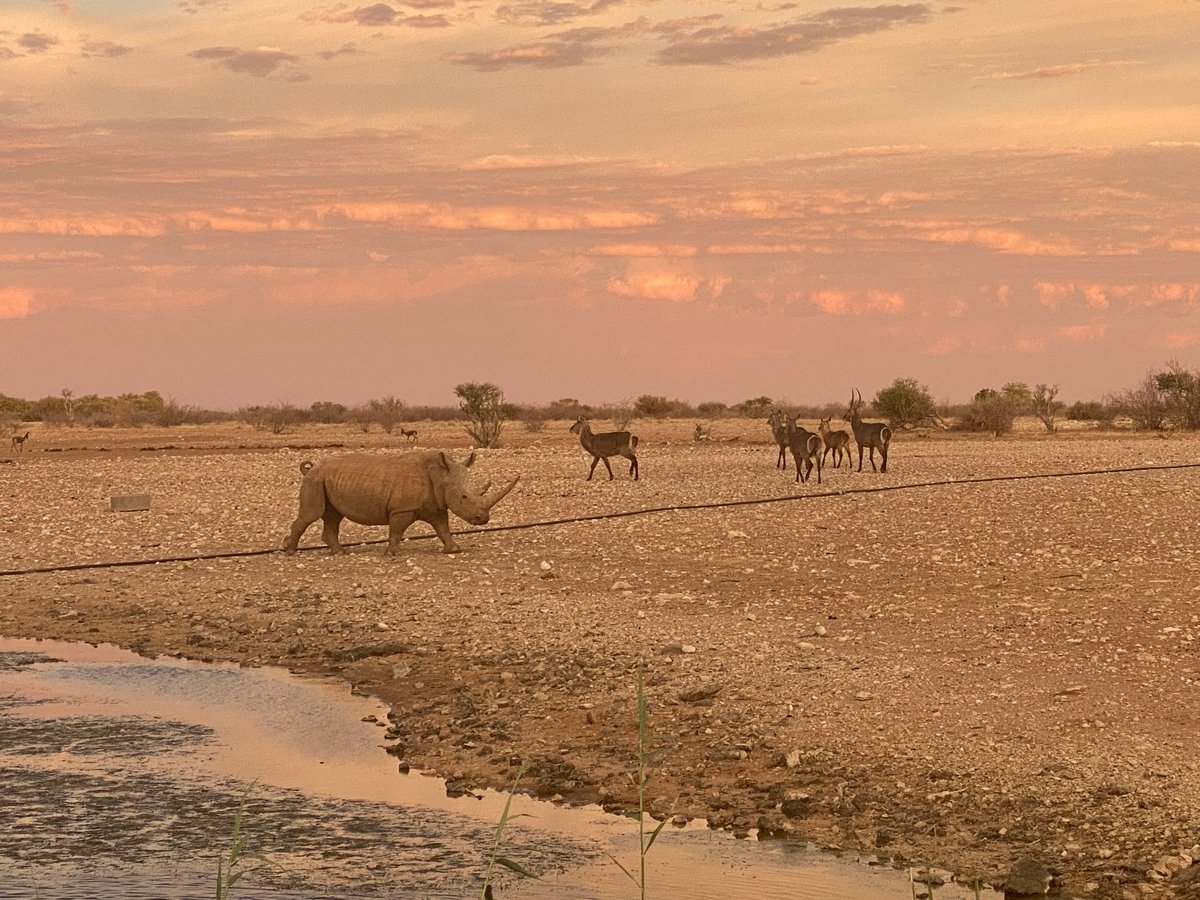
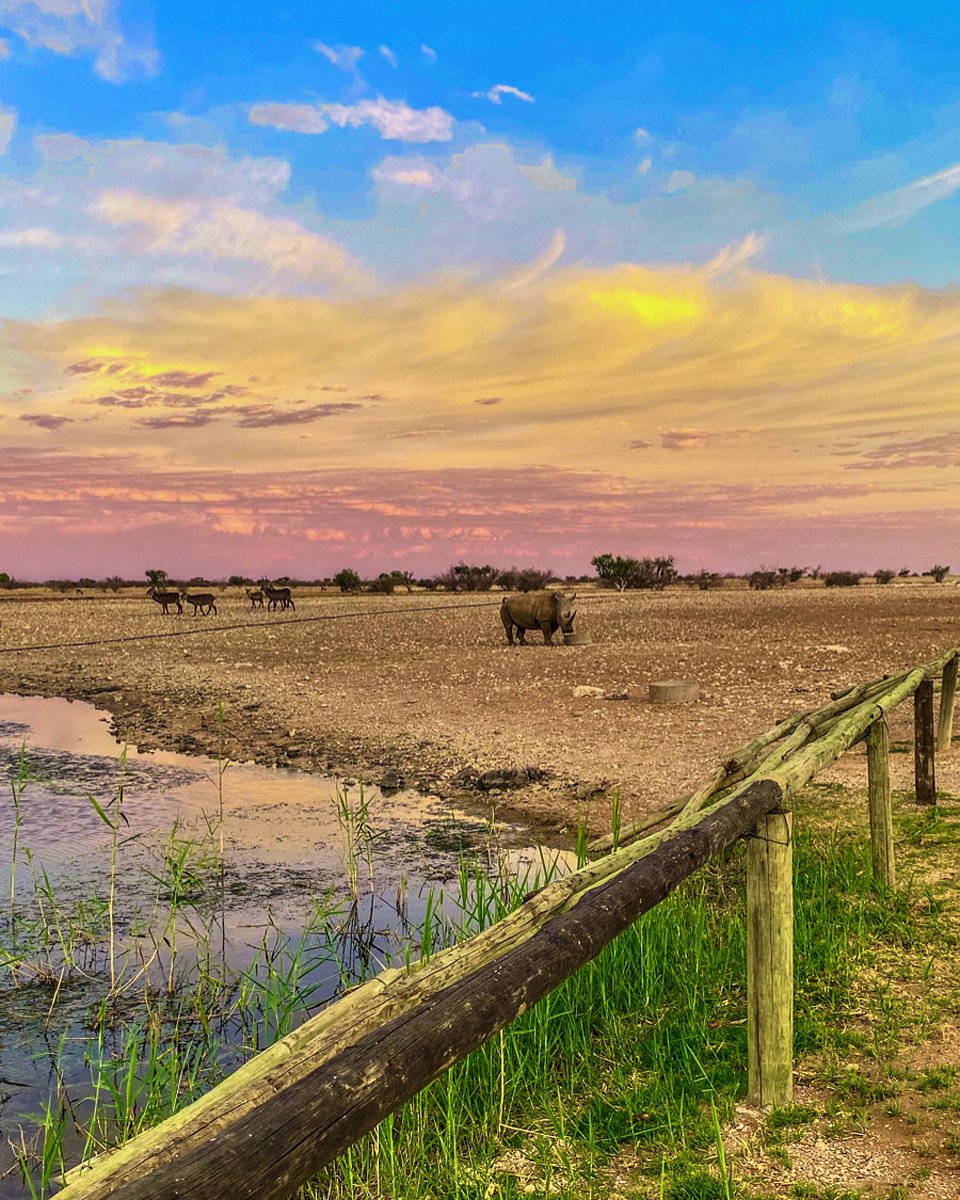
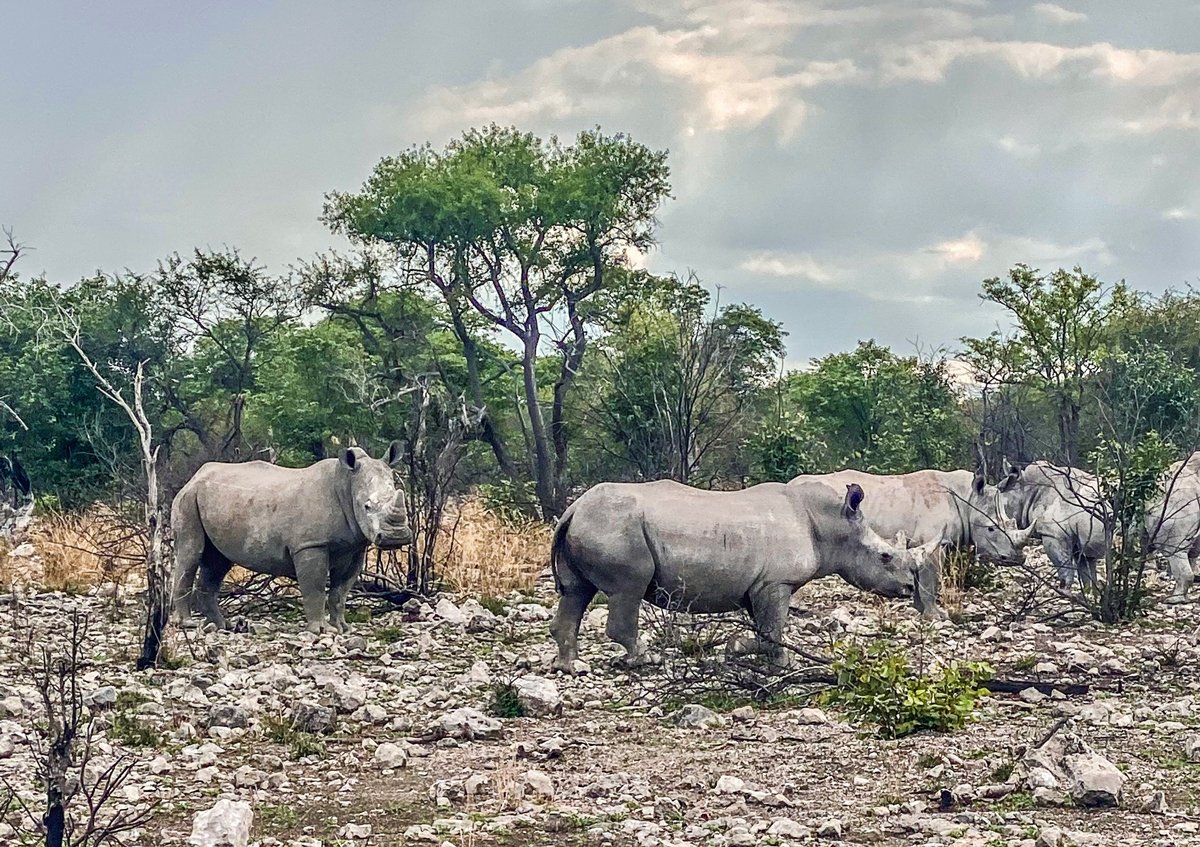
We hit the road heading north toward Otjiwarongo and the Waterberg Plateau, where we spent our first night camped next to a field of rhinos. I don’t mean that poetically. I mean we were quite literally a few yards from these massive, ancient beasts, snorting and snuffling under the moonlight.
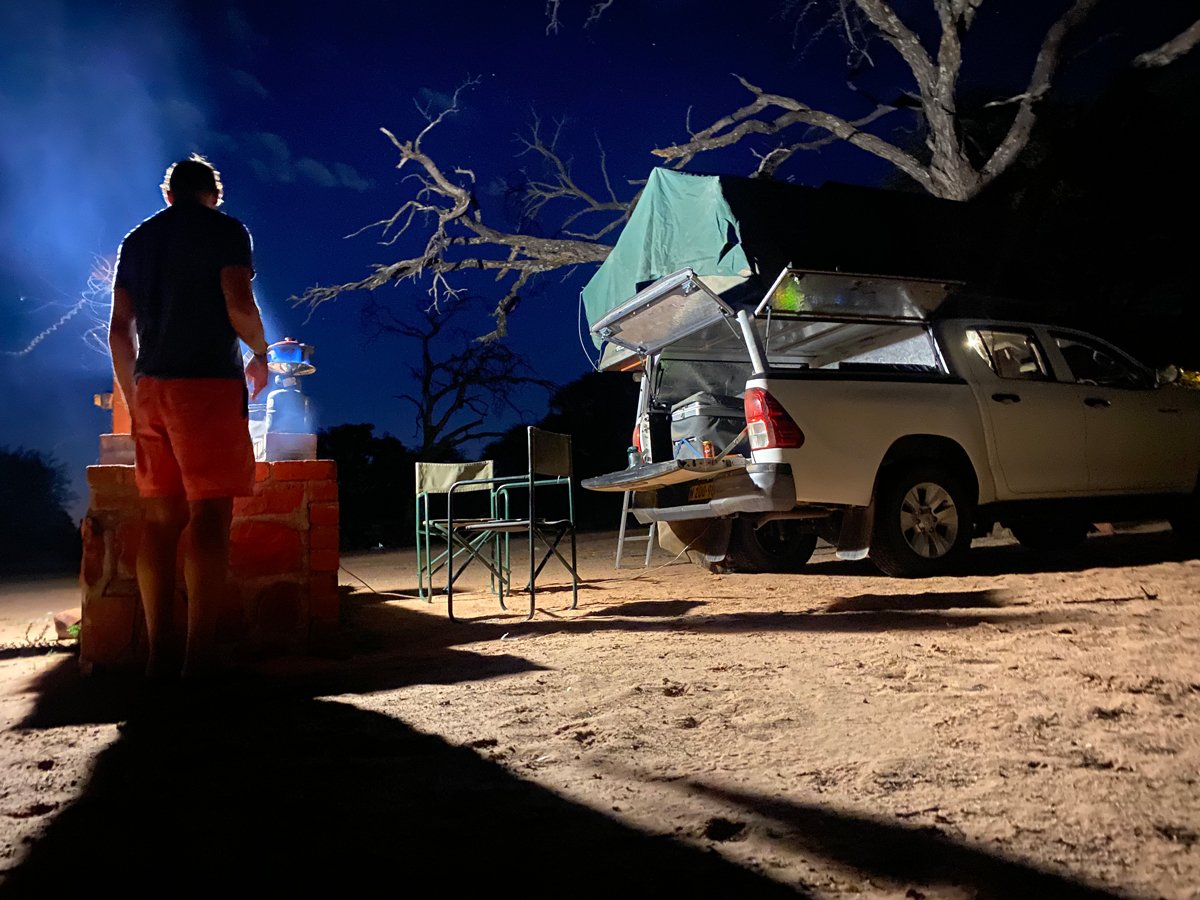
From there, we zigzagged through Otavi and Grootfontein, stopping at the Ghaub Nature Reserve, a lush oasis known for its caves and wildlife. We camped near baboons, ate mystery meat cooked over open fires, and met fellow travelers from across the globe—though rarely any Americans.
Next came the Caprivi Strip, that skinny arm of land stretching east toward Botswana and Angola. This region—lush, swampy, and vastly different from the rest of Namibia—is home to villages, national parks, and some of the most relaxed hippos you’ll ever (almost) step on.
One night, we camped along the Okavango River where hippos wandered freely through the grounds. One, affectionately named “Humphrey,” apparently thought he was part of the staff. He wasn’t.
We stopped in Rundu for a random KFC fix (yes, it exists even here), drank beers at roadside shacks with locals, and got detained—briefly—at a checkpoint for trying to bring in meat. The guards were so friendly that we just cooked all our meat on the spot and made a picnic out of it.
At Camp Hogo, across from Angola, we got swept into a night of Jägermeister and river-swimming with locals who swore the water was croc and hippo-free. Probably not our finest decision, but we survived. I like to think what would Anthony Bourdain have done in this situation? He would have done exactly what we did. Was it a poor choice? Probably. Would I do it again? Maybe. Was it a good time? Absolutely.
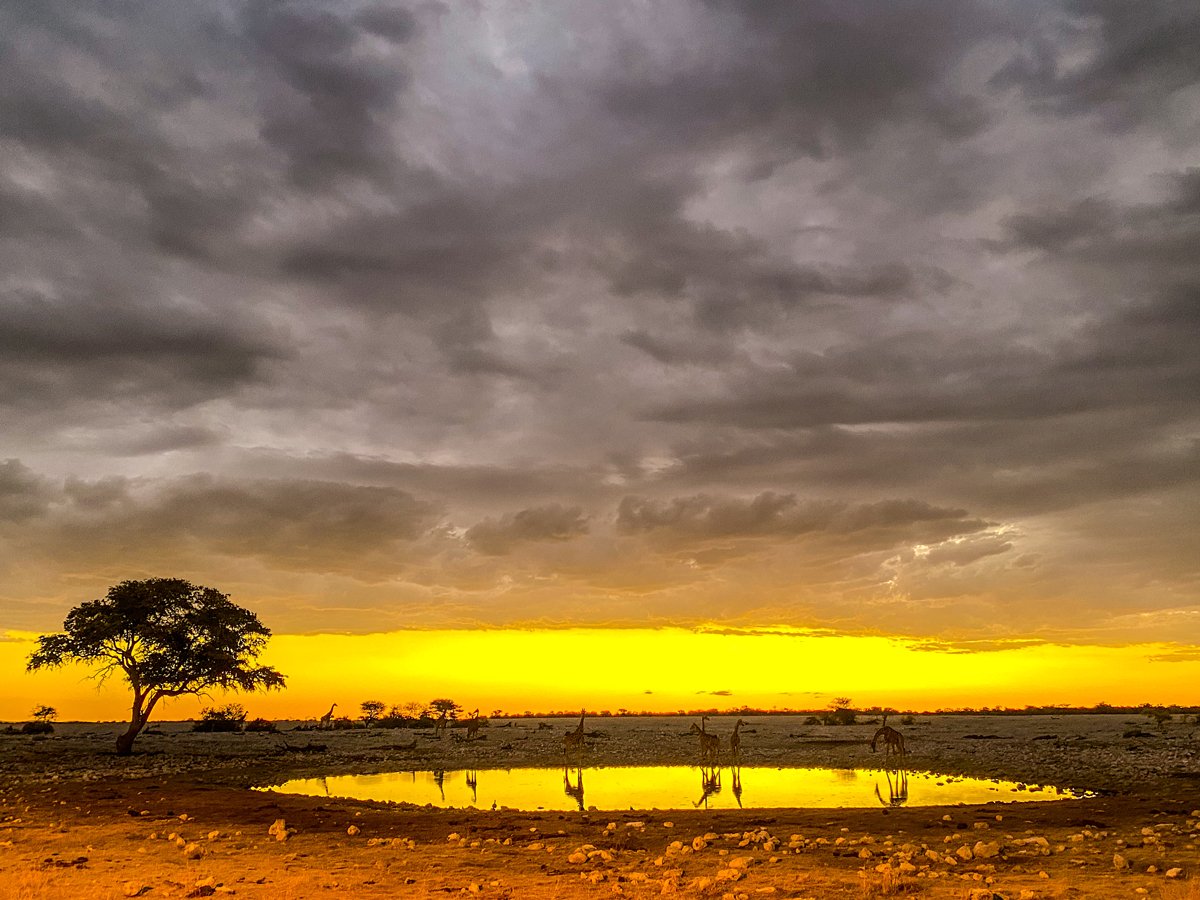
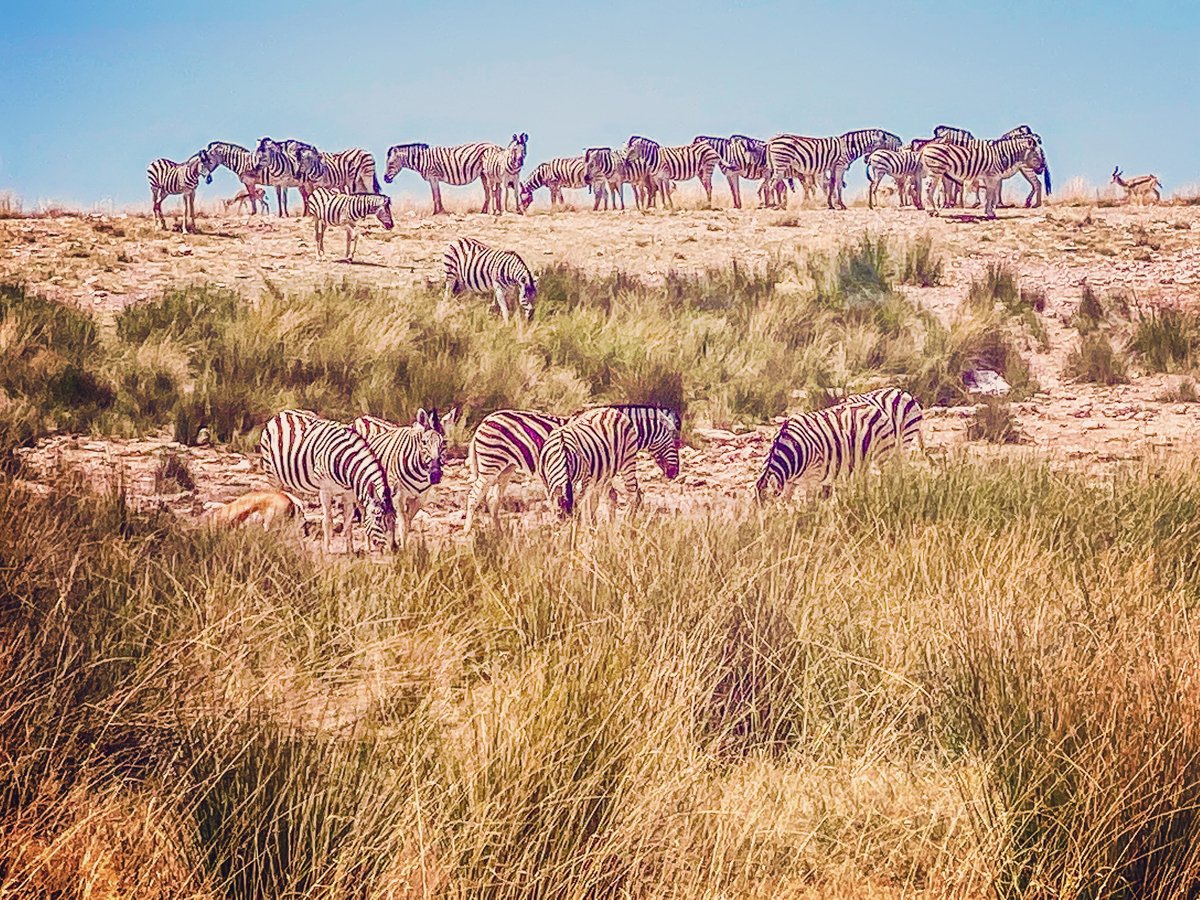
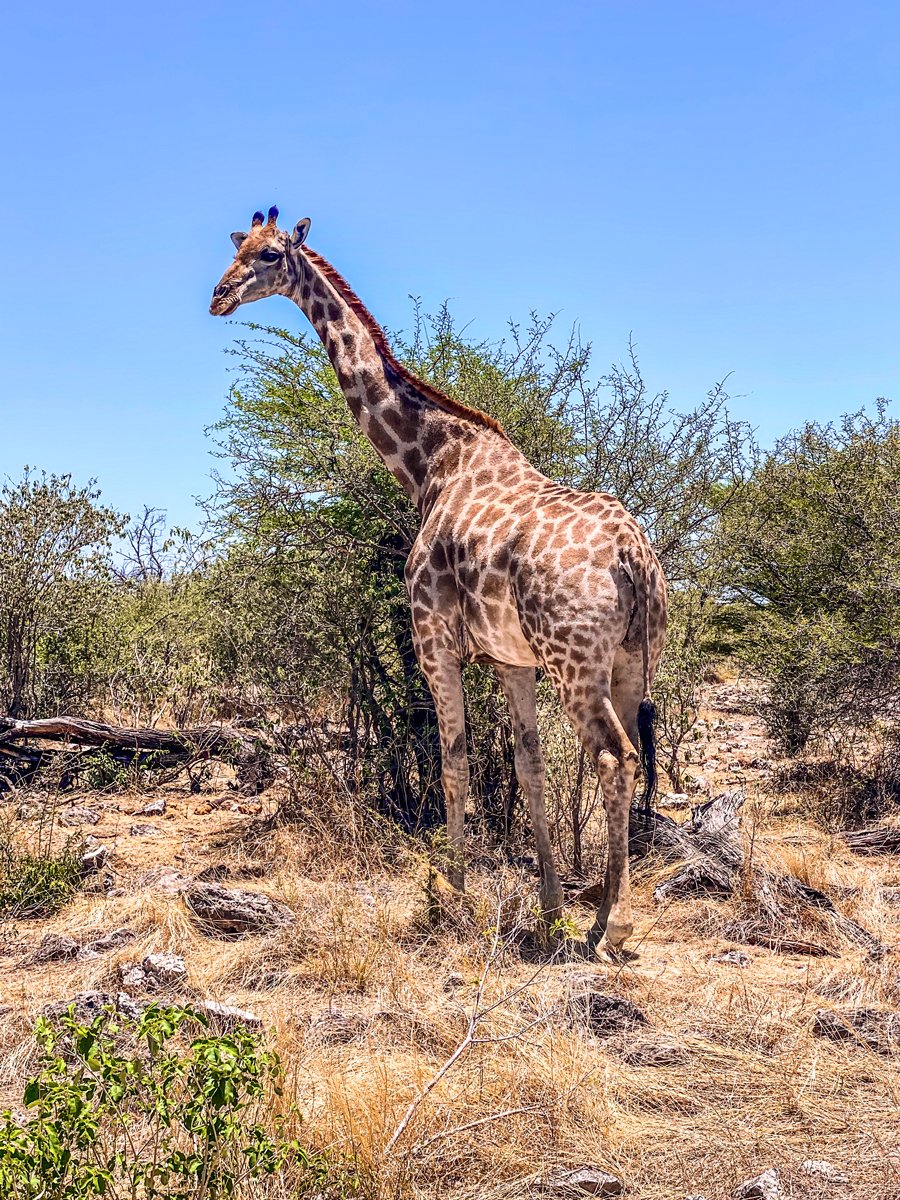
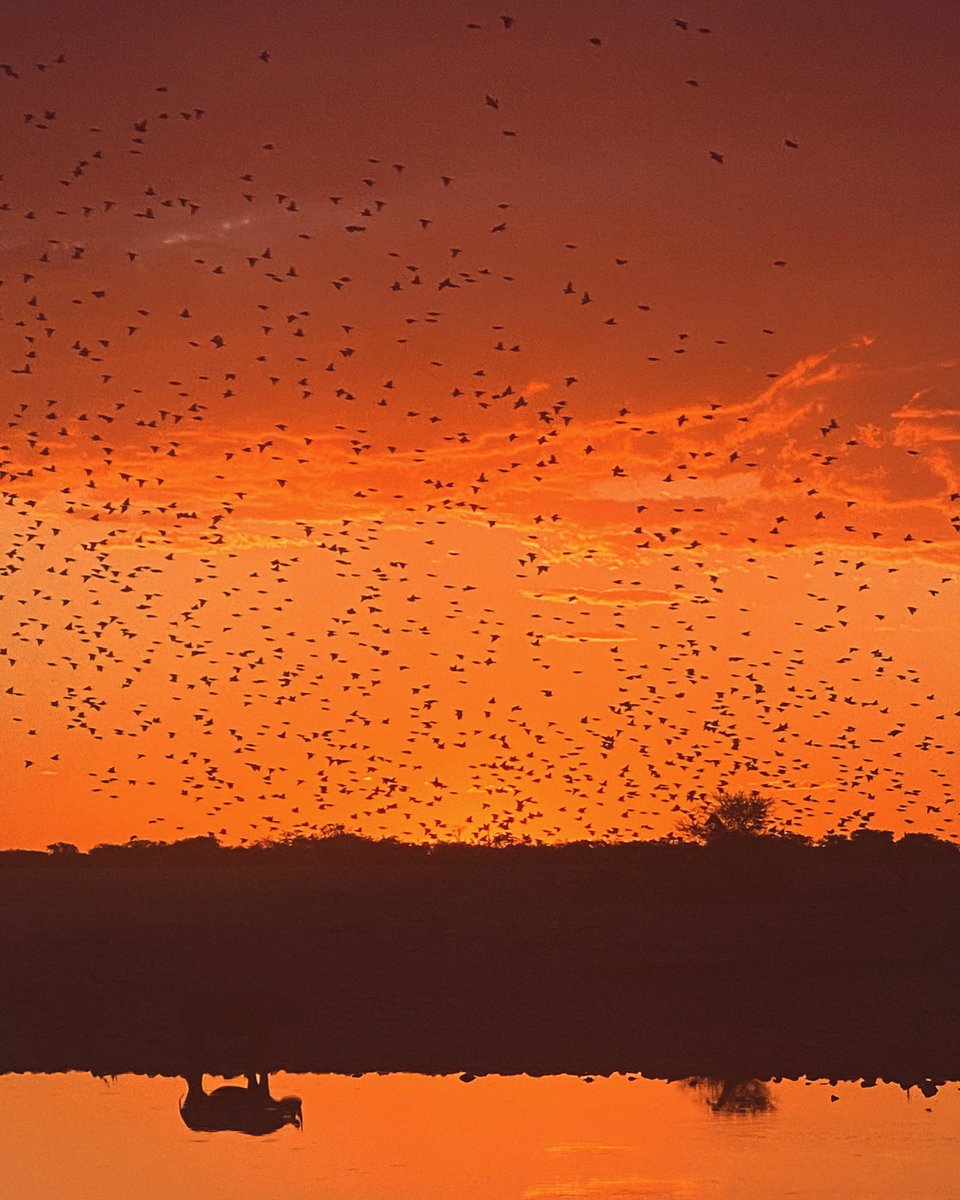
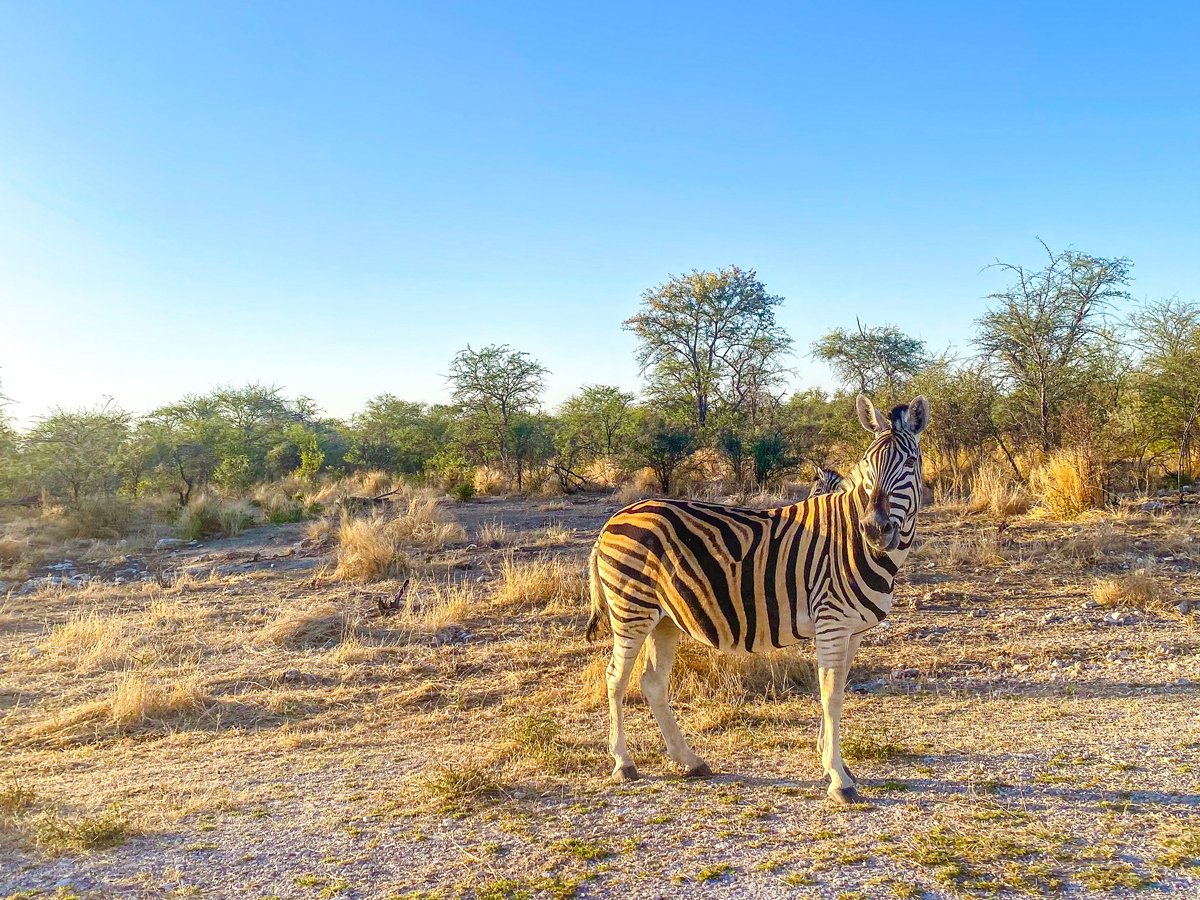
After that hangover subsided, we headed west to Etosha National Park—one of Africa’s greatest wildlife sanctuaries. For nearly a week, we bounced between camps, spotting elephants, lions, giraffes, zebras, and herds of springbok across vast, fenceless plains. One afternoon, a herd of elephants surrounded our truck, forcing us to cut the engine and sit in awestruck silence. Another time, rhinos mock-charged us, paused, then wandered off like they had better things to do.
We slept on top of our truck and feasted nightly on more mystery meat and local brews. Etosha is raw, stunning, and completely unforgettable.
Eventually, we traded desert for ocean in the coastal town of Swakopmund—a surreal, Germanic resort city sandwiched between sea and sand. After weeks in the bush, it felt like luxury. We ate fresh seafood, partied with fellow travelers, and visited Cape Cross, home to the largest seal colony in the world. Imagine 250,000 barking seals on a beach. Now imagine the smell. You’re still not close.
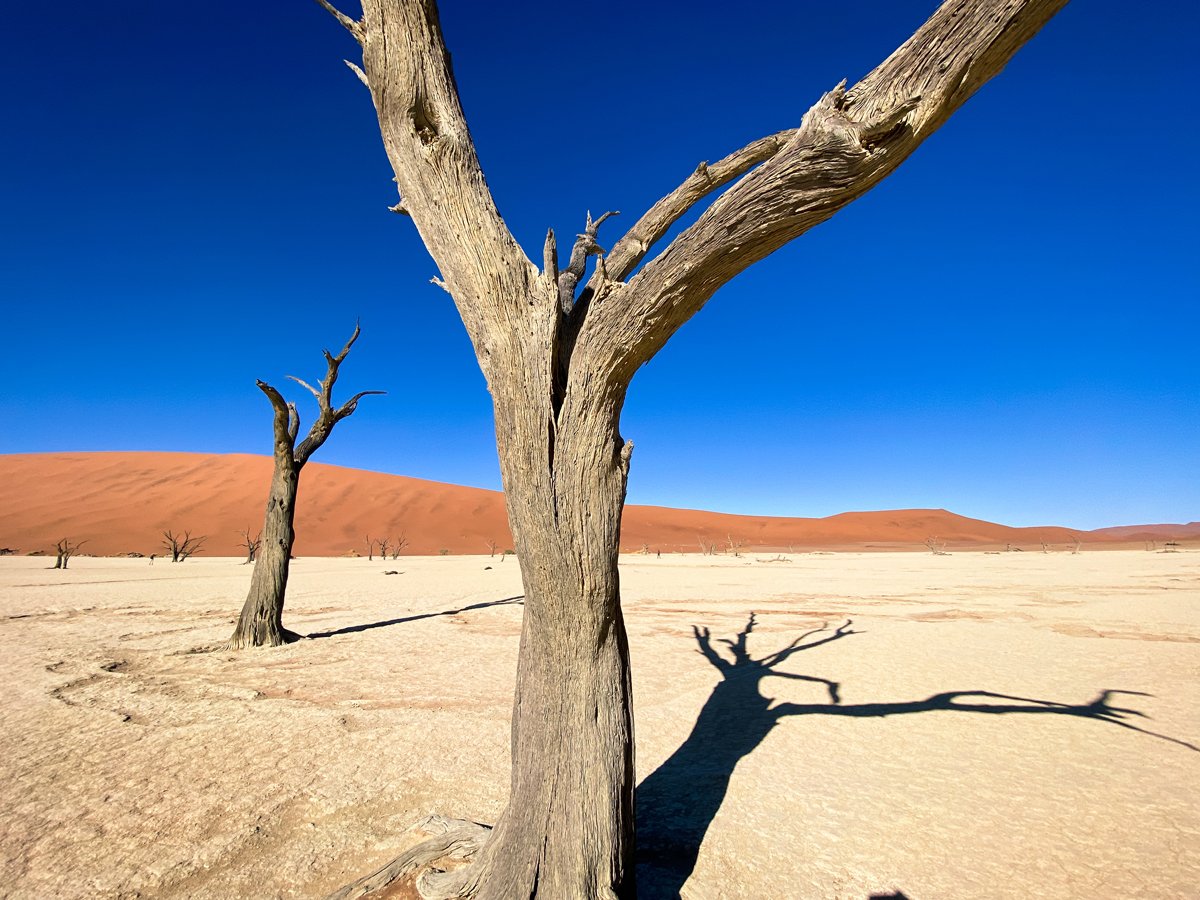
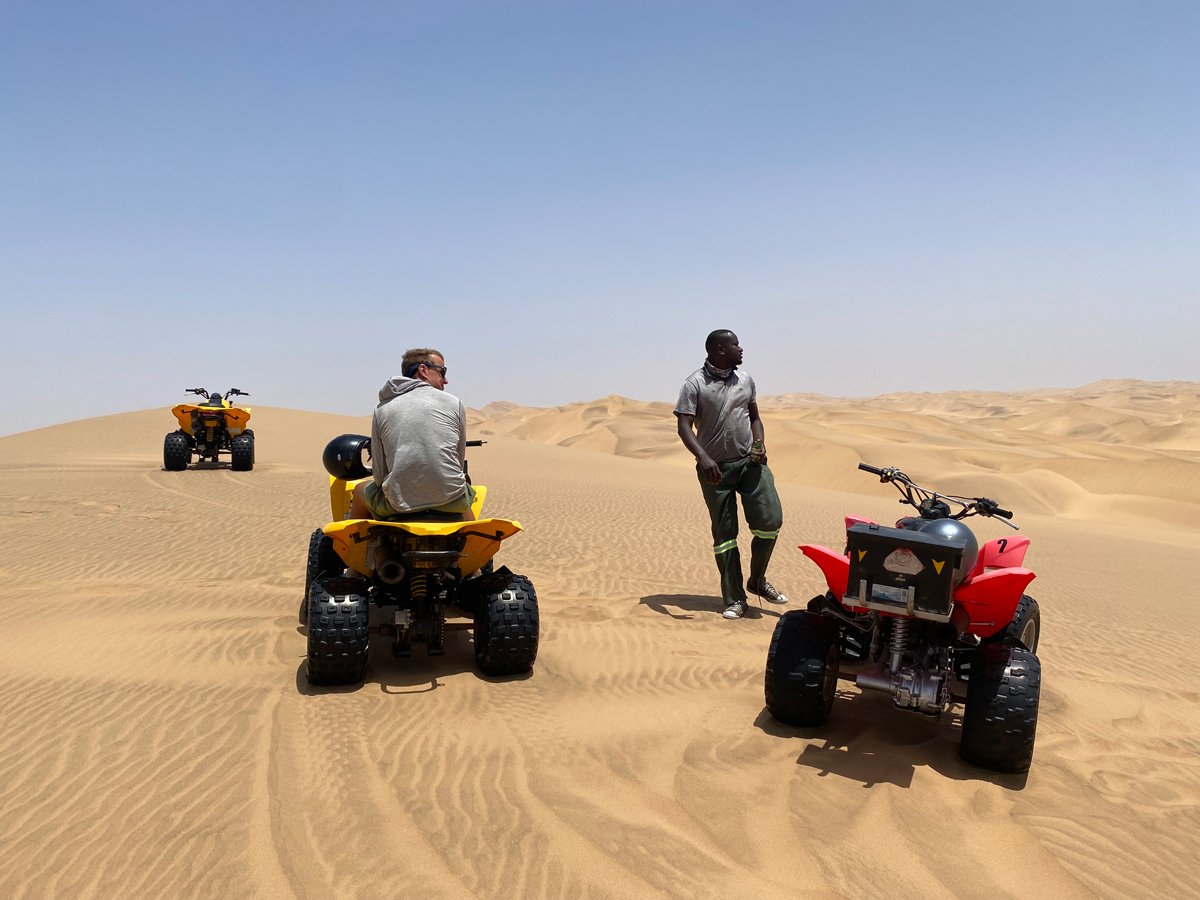
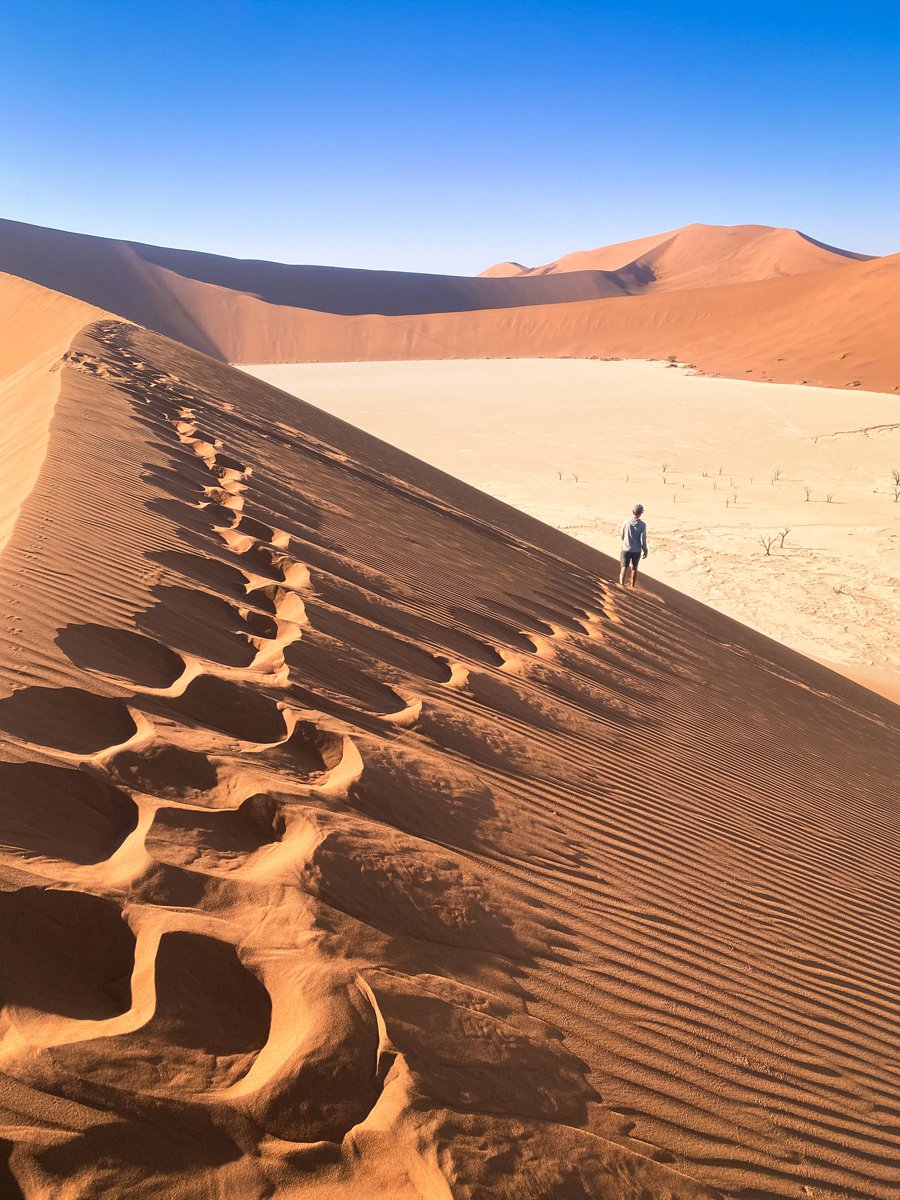
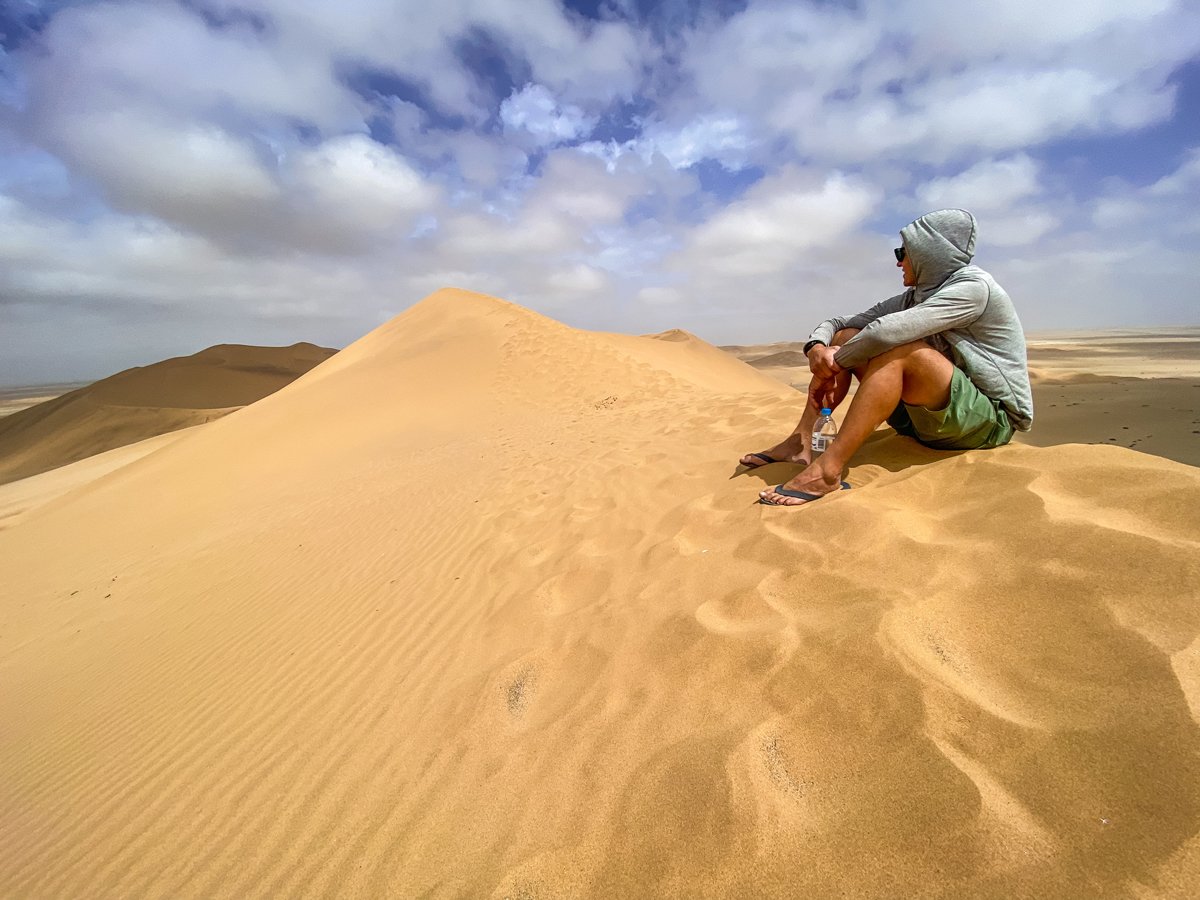
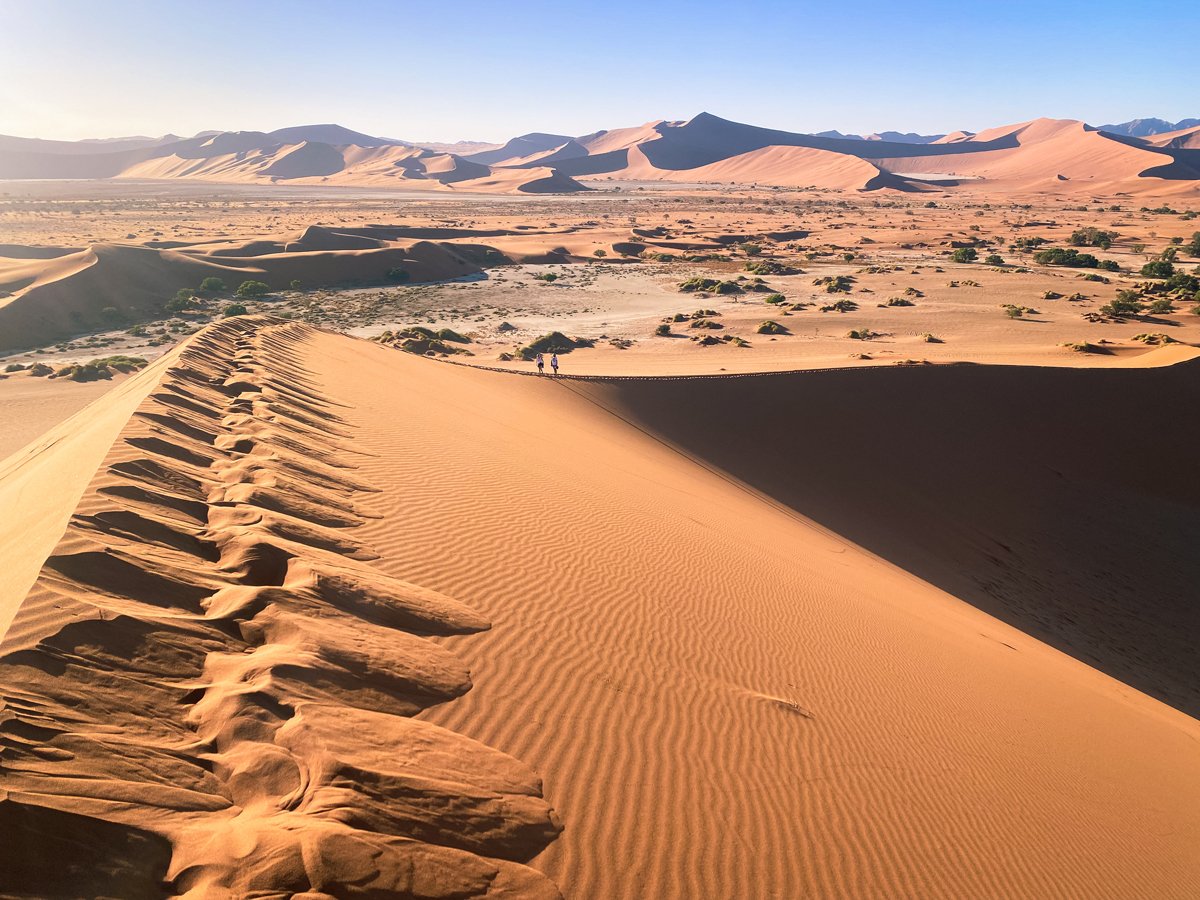
Next stop: the towering red dunes of Sossusvlei, some of which rise over 1,000 feet and glow like fire in the early morning sun. We hiked them barefoot, slid down them like kids, and snapped some of the most surreal landscape shots of our lives.
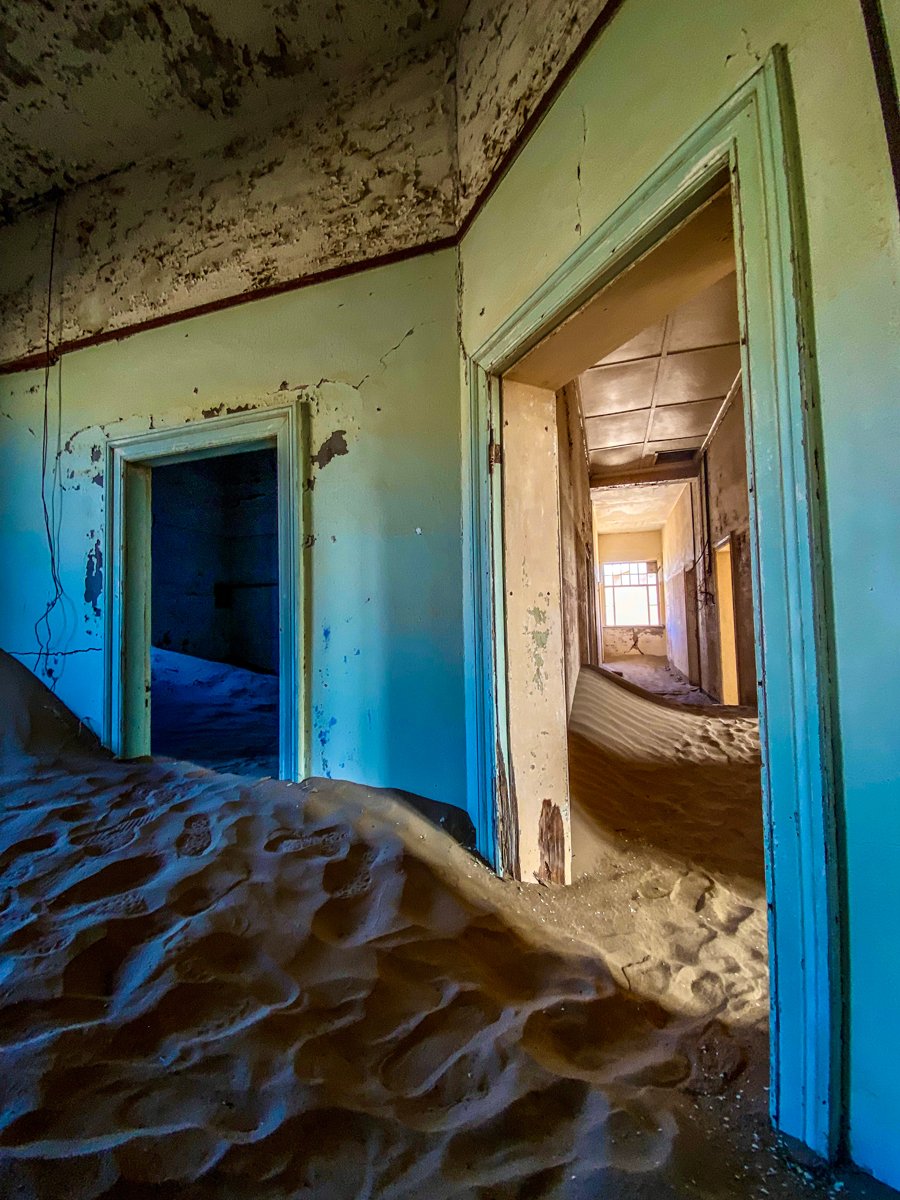
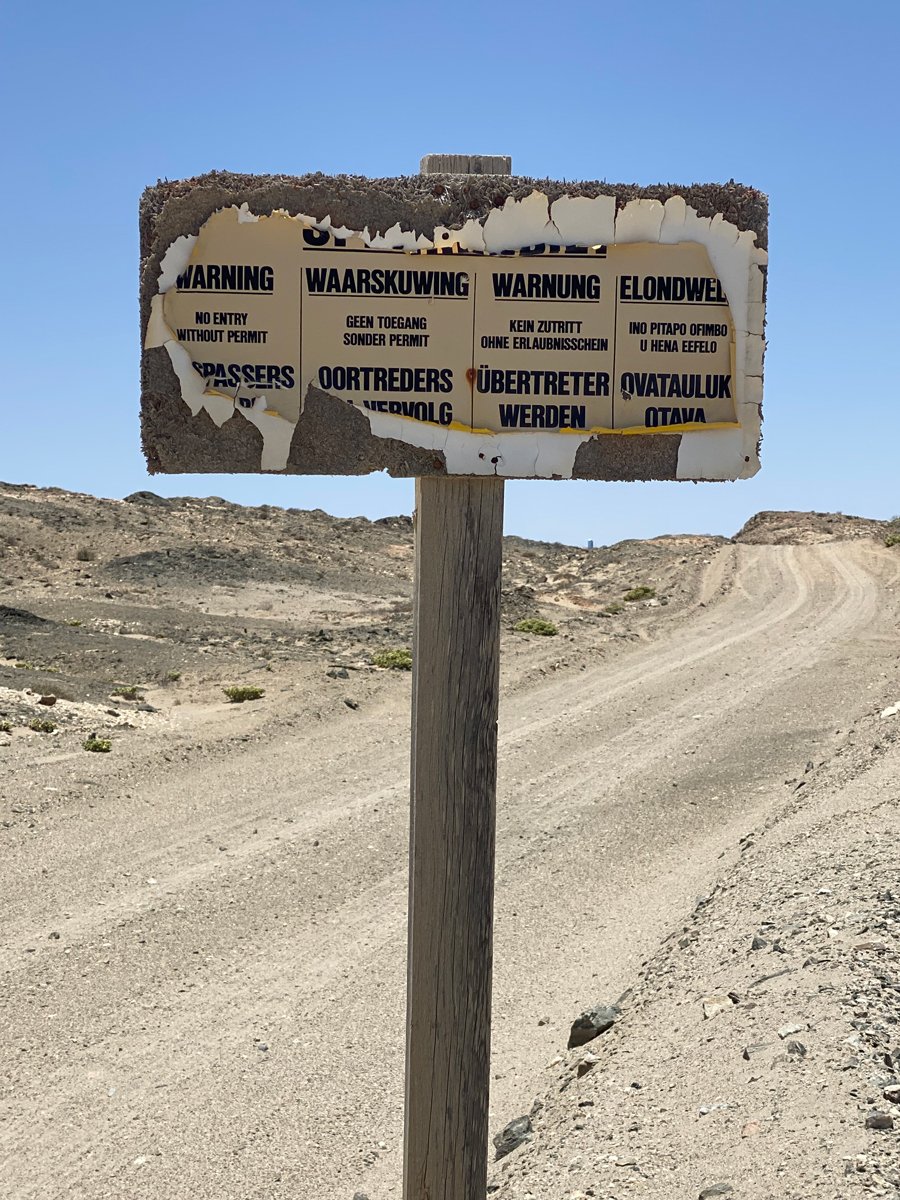
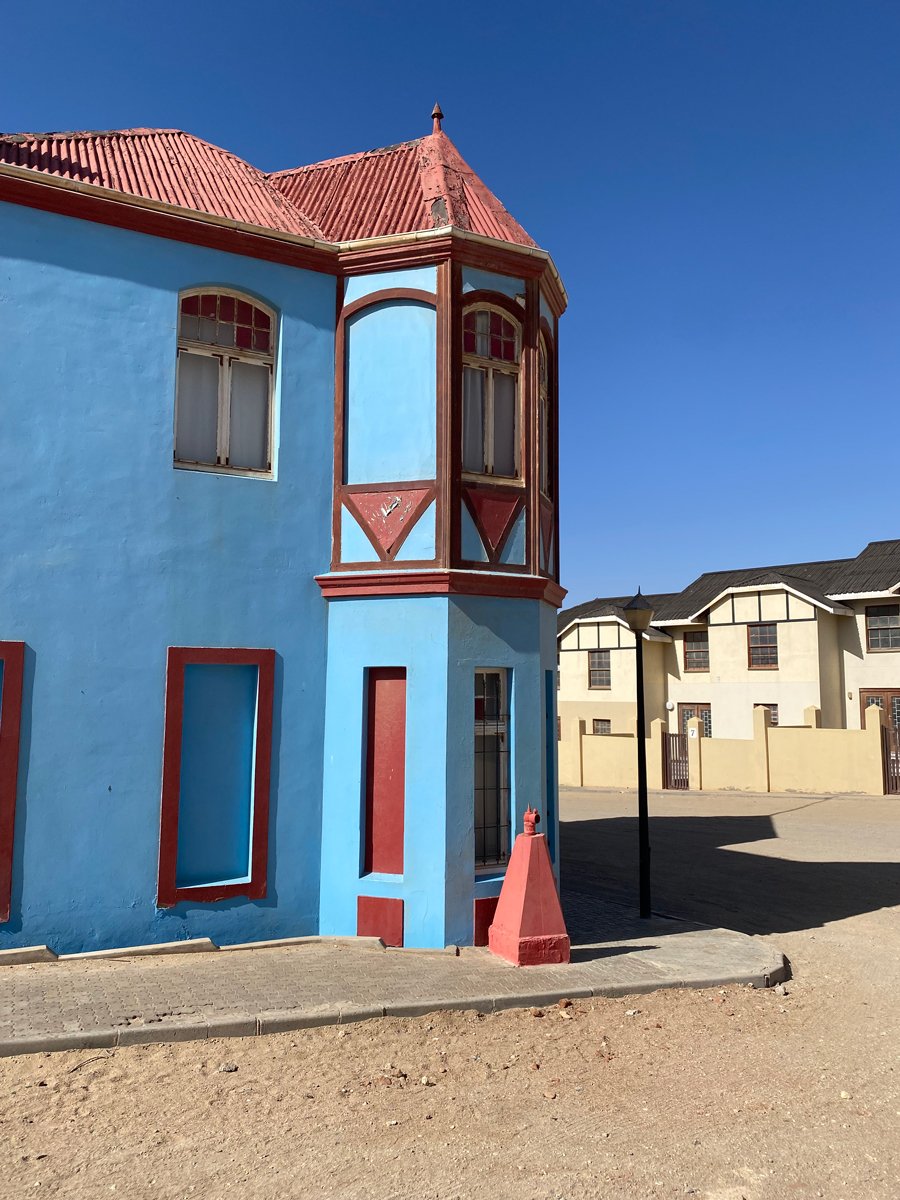
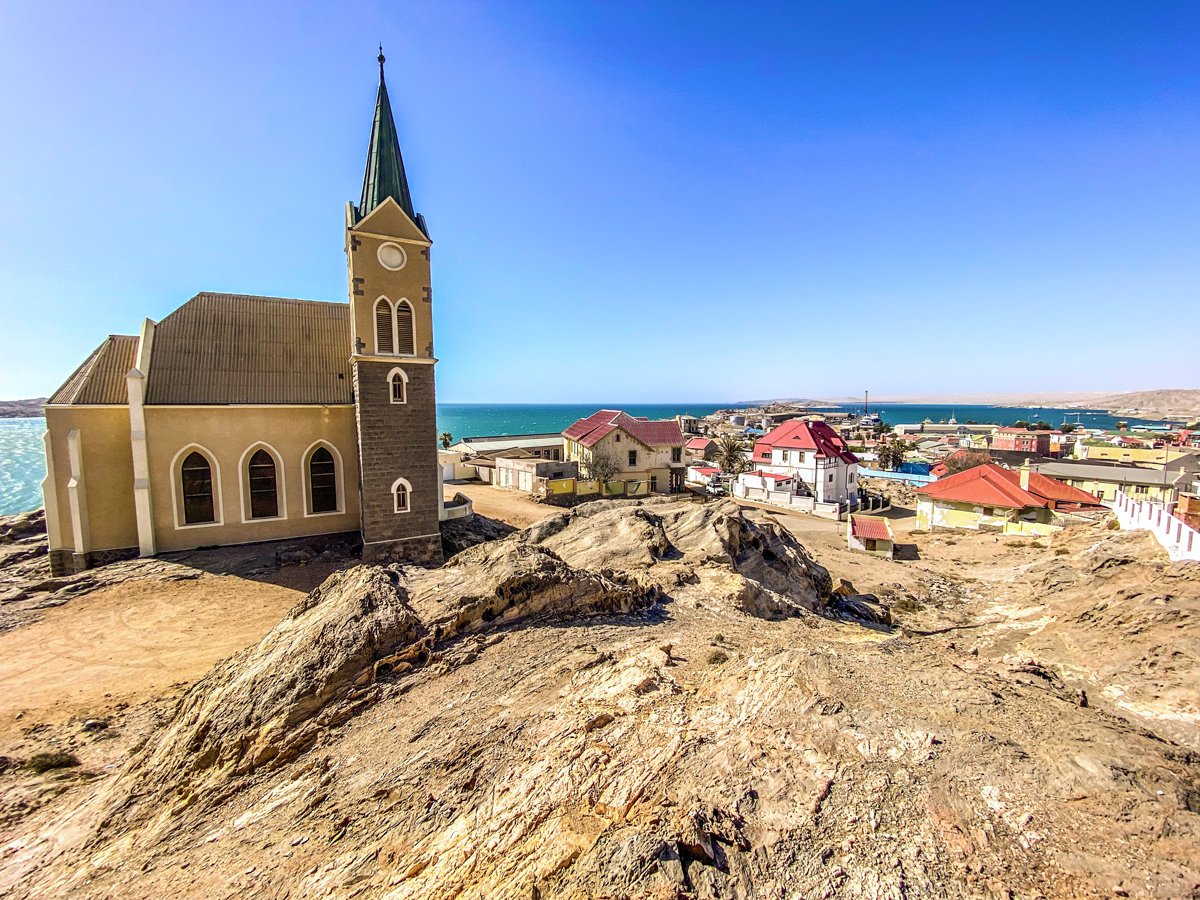
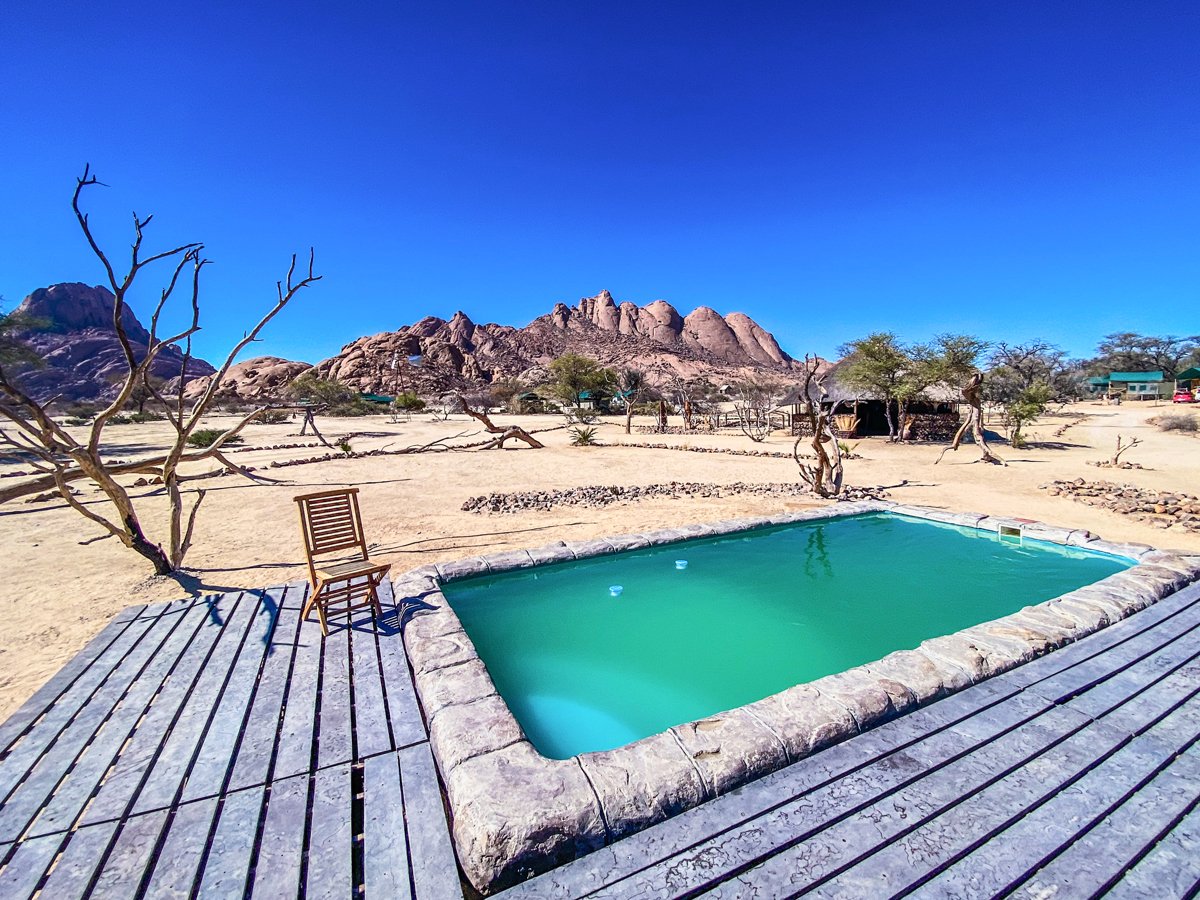
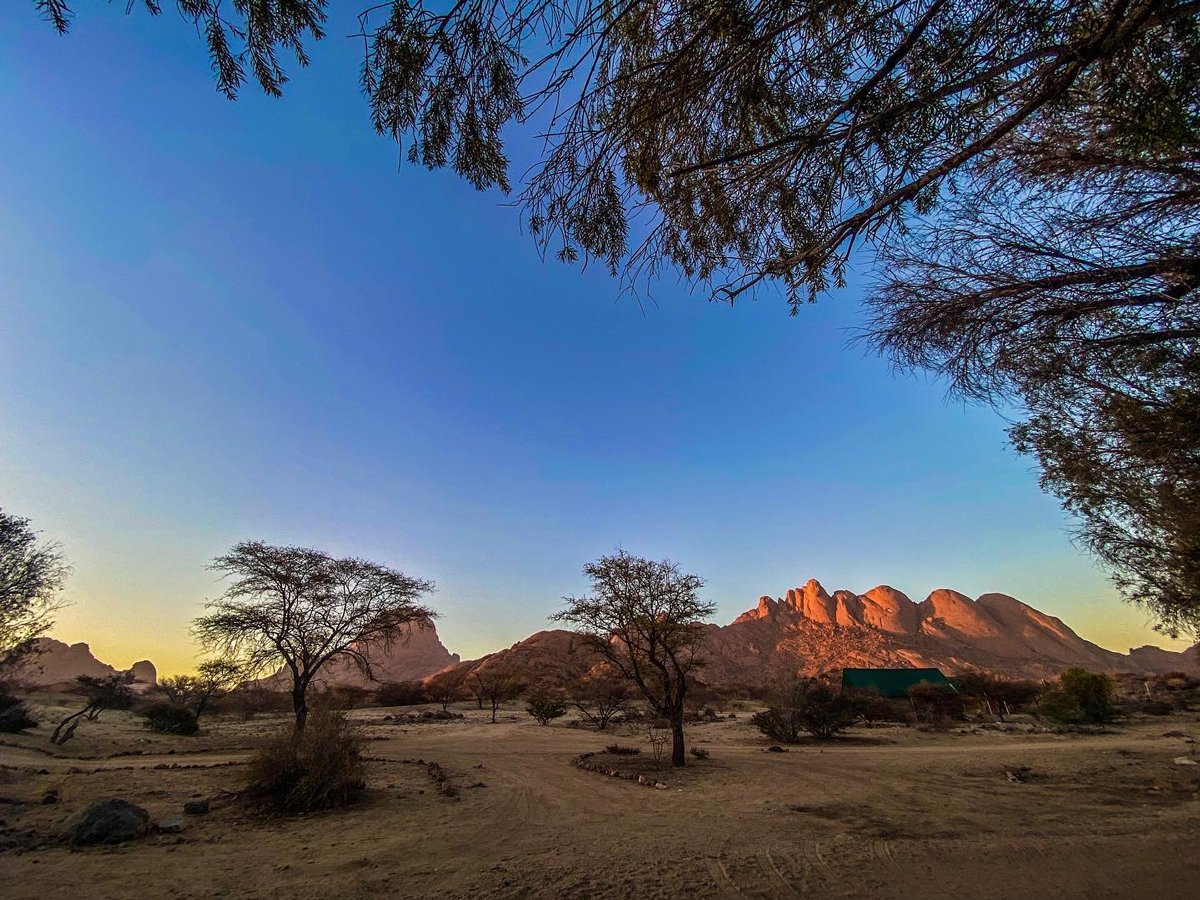
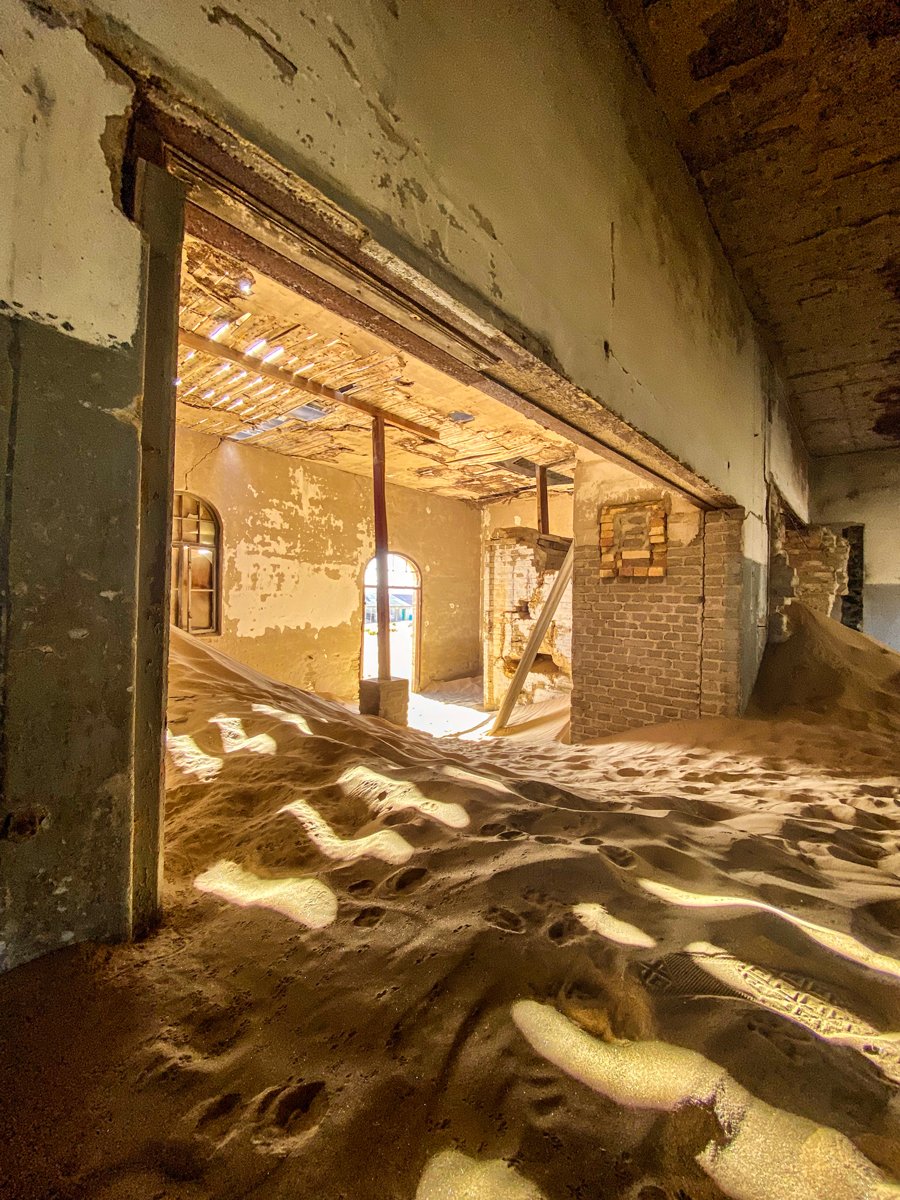
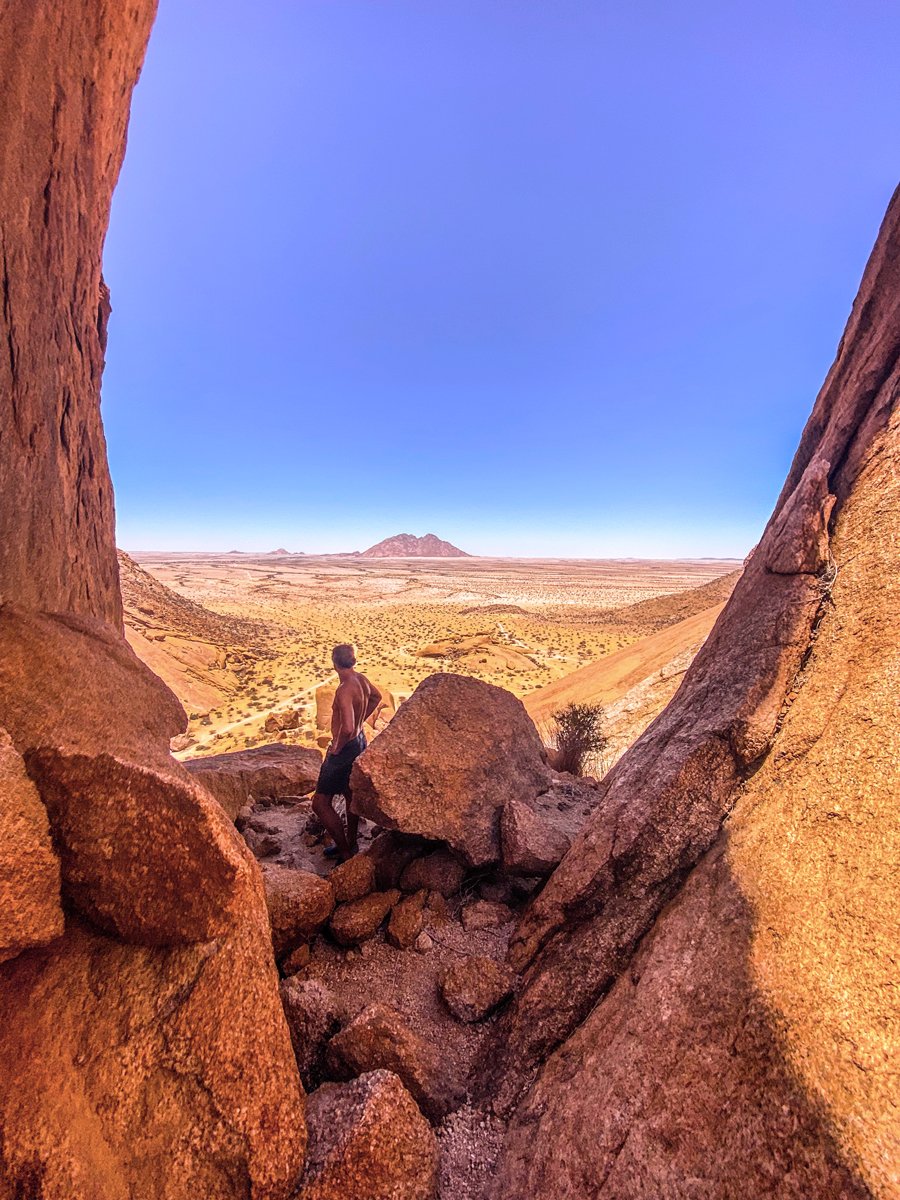
Then came Spitzkoppe, Namibia’s “Matterhorn,” followed by the eerie, fog-shrouded coastal town of Lüderitz, gateway to Kolmanskop—a ghost town half-swallowed by the desert. Once the richest diamond town in the world, today it’s a haunting collection of sand-filled mansions and decaying opulence. No trespassing allowed in the nearby Sperrgebiet (forbidden diamond mining zone); we didn’t test it.
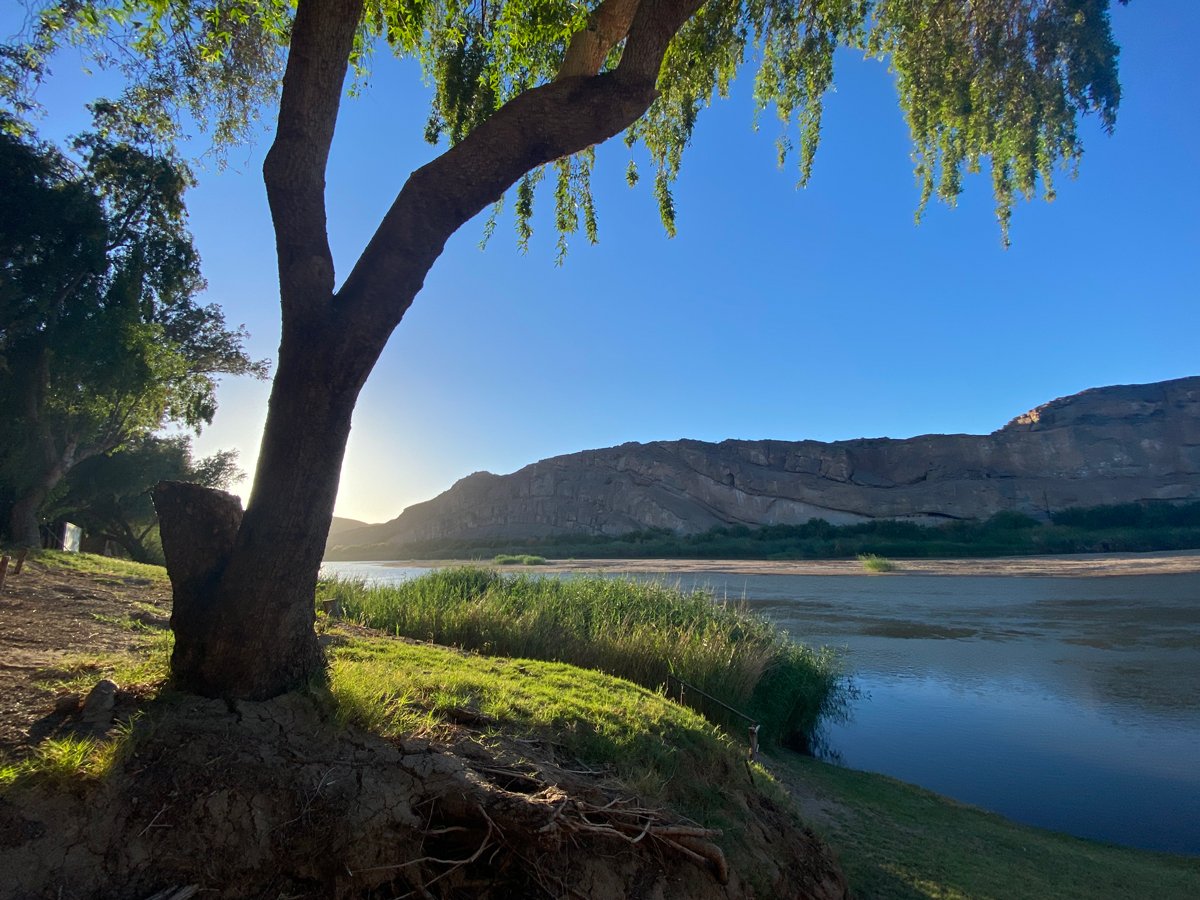
We made it all the way south to the Orange River, camping along the border with South Africa. At one point, we actually swam across and spent half an hour in another country—because why not? The region is known for growing almost all of Namibia’s wine, thanks to the river-fed soil and arid climate.
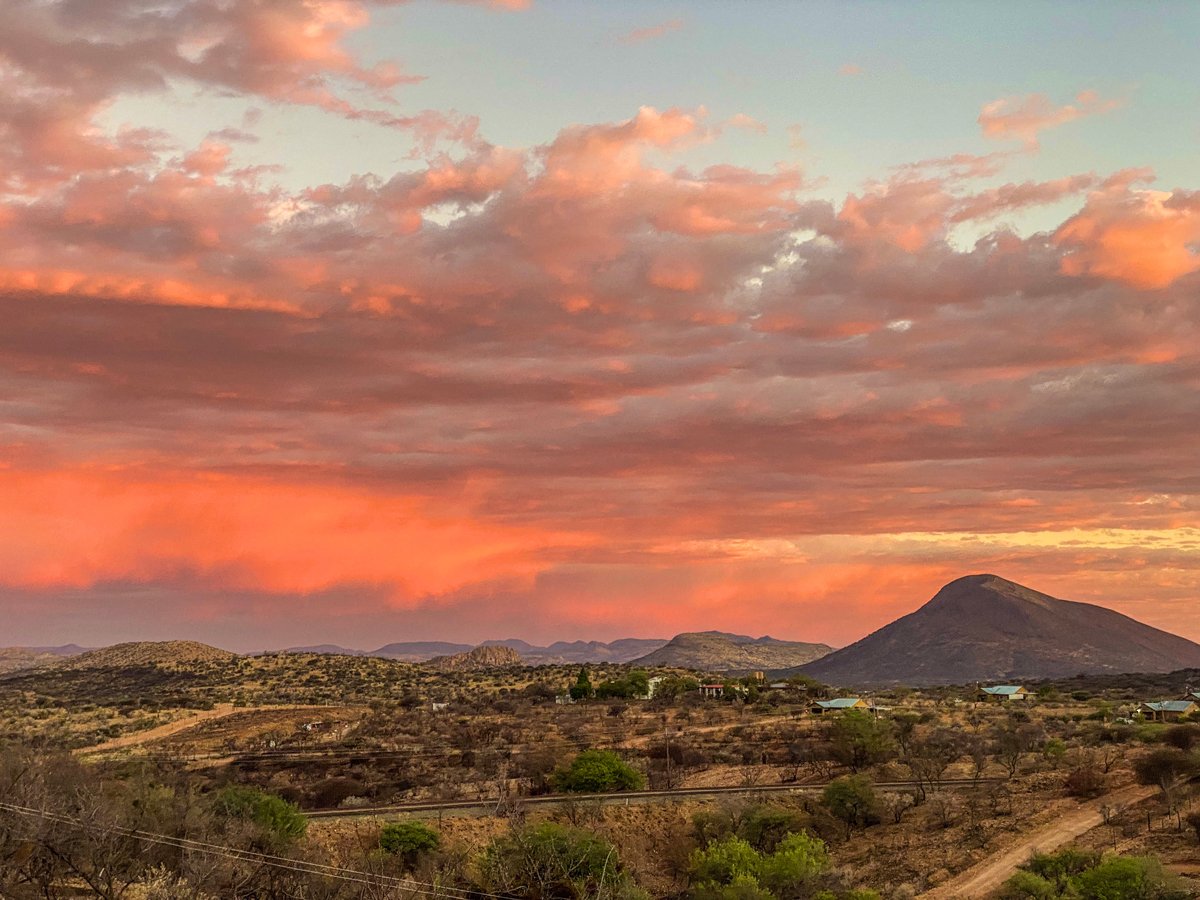
Our final week was spent meandering back north, visiting remote villages, sharing drinks and laughs with locals, and reflecting on how wild the past month had been. By the time we returned to Windhoek, I was 10 pounds lighter, sunburnt to a crisp, and spiritually full.
Oh, and I had to test negative for COVID before flying home. I did. But once I landed back in the U.S., I tested positive and got walloped with a rough bout of illness. Lucky escape.
Namibia is a land of paradoxes: harsh deserts and lush rivers, wild beasts and warm hospitality, eerie ghost towns and lively street bars. It’s unlike anywhere I’ve ever been. And after five weeks of camping, cooking, driving, swimming (sometimes unwisely), and photographing, I left with a full heart, an exhausted body, and enough stories to fill a book.
Would I go back? In a heartbeat. But next time, I’m bringing four spare tires.